
Finding the right gate motor for sale requires more than simply browsing online catalogs or visiting local suppliers. Property owners throughout Los Angeles and beyond face a critical decision that impacts daily convenience, security, and long-term maintenance costs. Whether you're automating a new gate installation or replacing a failing motor, understanding the technical specifications, compatibility requirements, and performance characteristics ensures you invest in a system that delivers reliable operation for years to come.
Understanding Gate Motor Types and Applications
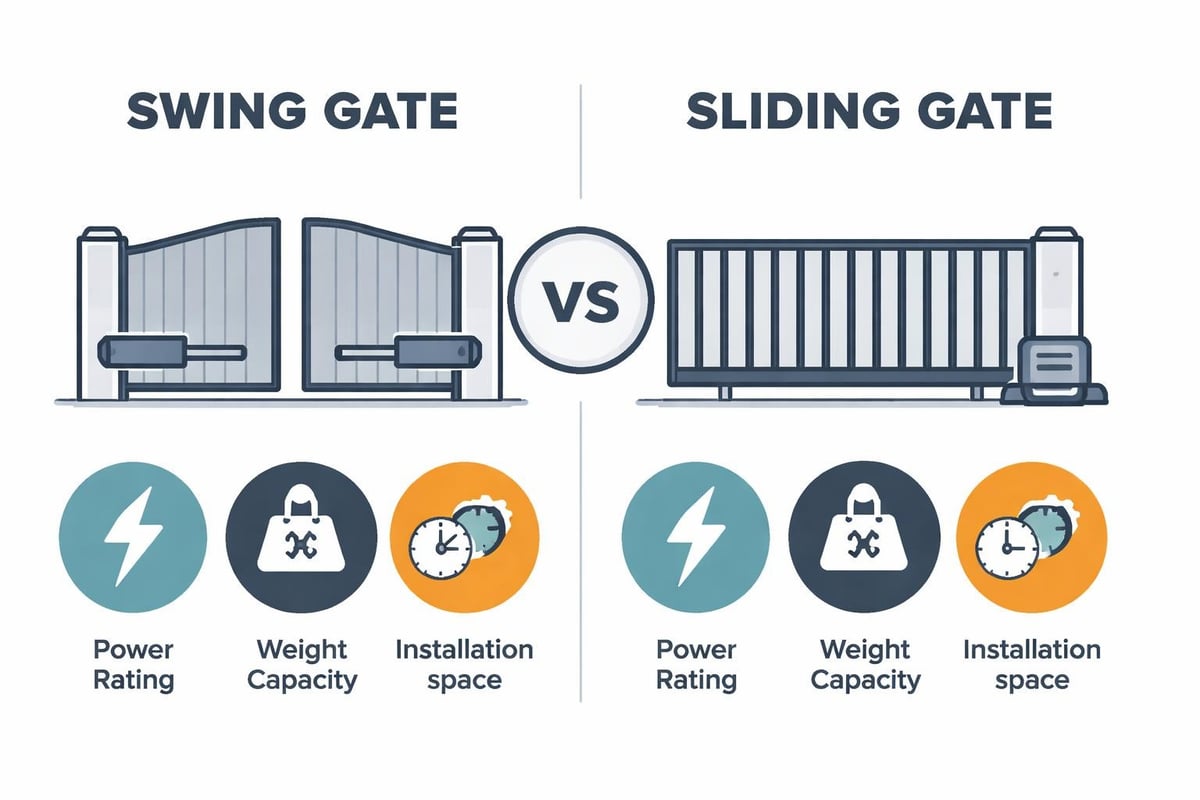
The first step in your search for a gate motor for sale involves identifying which motor type matches your specific gate configuration. Swing gate motors operate differently than sliding gate motors, and each design requires distinct mounting positions, power outputs, and mechanical leverage considerations.
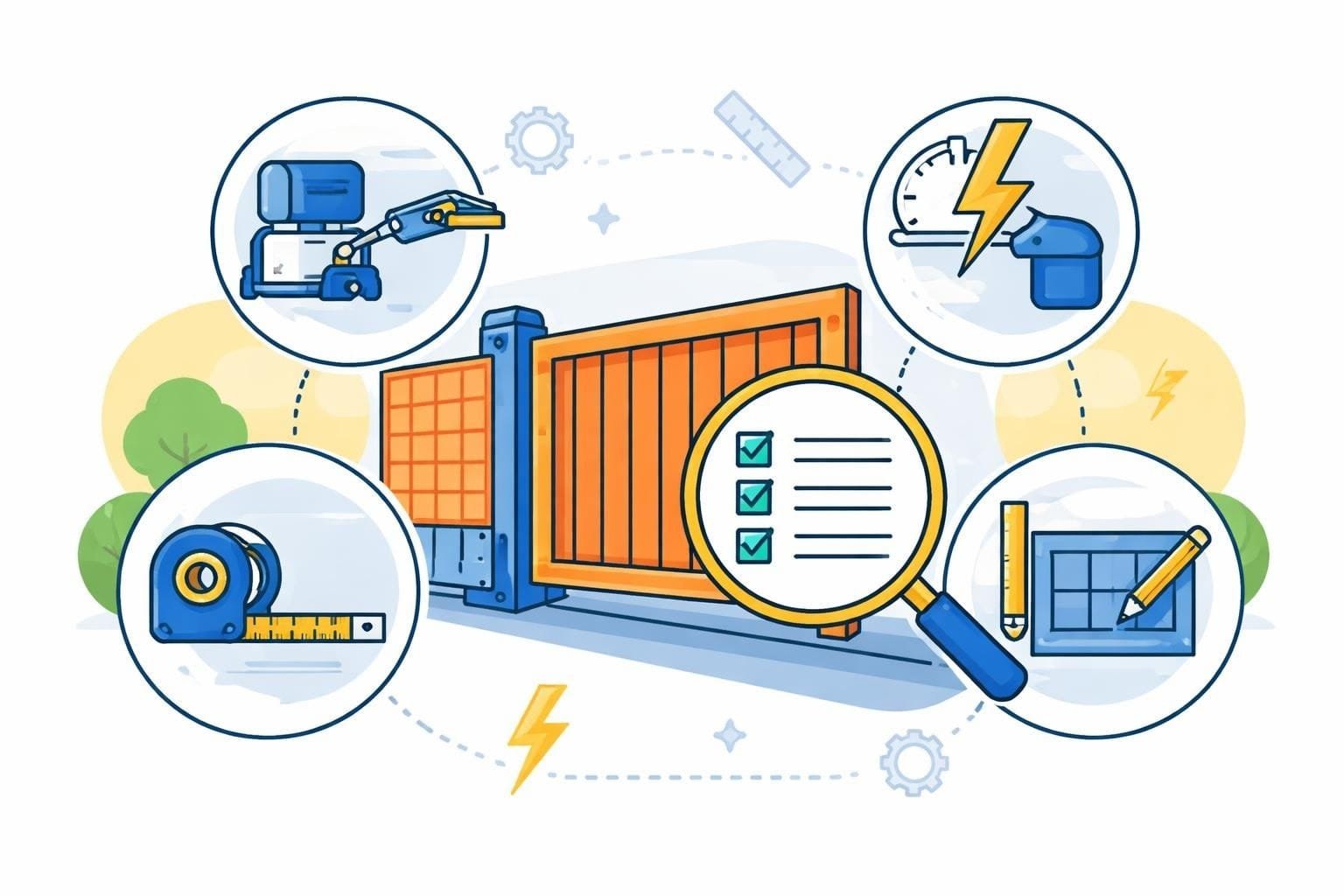
Swing gate motors typically mount on the gate post or directly to the gate itself, using either linear actuators or articulated arms to pull or push the gate open. These systems work well for residential driveways with adequate clearance space. According to comprehensive installation requirements, the A and B measurements-representing the distance from the hinge to the motor mounting point and the distance from the hinge centerline to the motor bracket-critically affect the motor's mechanical advantage and operational efficiency.
Sliding Gate Motor Specifications
Sliding gate motors attach to the gate panel itself and move it along a track using either a rack-and-pinion system or a chain drive mechanism. These motors suit properties with limited space perpendicular to the gate opening. When evaluating options, consider the following specifications:
- Motor power ratings (measured in watts or horsepower)
- Maximum gate weight capacity (typically ranging from 400 to 4,000 pounds)
- Operational speed (complete cycle time from fully closed to fully open)
- Duty cycle ratings (number of operations per hour before rest period)
- Track length compatibility (maximum gate span the motor can handle)
The 2026 sliding gate opener buying guide emphasizes that modern systems now integrate advanced obstacle detection sensors and smartphone connectivity features, representing significant improvements over previous generations.
Power Source and Electrical Requirements
Gate motors for sale come with different power configurations, each offering distinct advantages depending on your property's electrical infrastructure and usage patterns. The primary options include 120-volt AC motors, 24-volt DC motors, and solar-powered systems with battery backup.
Standard residential installations typically utilize 120-volt AC motors connected to your home's electrical system. These motors deliver consistent power and handle frequent operation without performance degradation. However, they require professional electrical work to ensure proper wiring and compliance with local building codes.
Low-voltage 24-volt DC motors offer enhanced safety features and consume less power during operation. These systems prove particularly valuable for properties concerned about electrical hazards or those seeking energy-efficient solutions. Many DC motors include battery backup systems, maintaining functionality during power outages-a crucial consideration for security-focused installations.
| Power Type | Advantages | Considerations | Best For |
|---|---|---|---|
| 120V AC | Consistent power, no batteries needed | Requires dedicated circuit | High-frequency use |
| 24V DC | Lower power consumption, safer voltage | Battery maintenance required | Energy efficiency priority |
| Solar | No electrical trenching, eco-friendly | Dependent on sunlight exposure | Remote locations |
Solar-powered gate motors represent an increasingly popular choice for properties without convenient access to electrical power. These systems combine photovoltaic panels with rechargeable battery banks, offering complete independence from the electrical grid. When reviewing a gate motor for sale with solar capability, verify the panel wattage matches your climate's average daily sunlight hours and the motor's power consumption specifications.
Duty Cycle and Usage Frequency Considerations
Professional-grade gate motors differ significantly from residential models in their duty cycle ratings-the number of continuous operations the motor can perform before requiring a cooling period. This specification directly impacts the motor's lifespan and suitability for your application.
Residential duty cycles typically accommodate 10-20 operations per hour, adequate for single-family homes with moderate traffic. Commercial duty cycles support 50-100+ operations per hour, essential for apartment complexes, business parks, or gated communities with frequent vehicle passage.
Calculating Your Required Duty Cycle
Assess your property's typical daily gate operations:
- Morning rush period (7:00 AM – 9:00 AM): Count vehicles entering and exiting
- Midday activity (12:00 PM – 2:00 PM): Document lunch-hour traffic
- Evening return (5:00 PM – 7:00 PM): Track homecoming and delivery vehicles
- Weekend patterns: Note any variations in usage frequency
Multiply your highest hourly count by 1.5 to establish a safety margin, ensuring the motor operates within comfortable performance parameters. This calculation prevents premature motor failure and reduces maintenance frequency. The insights from choosing gate motors based on usage demonstrate how matching duty cycle to actual traffic patterns extends equipment lifespan significantly.

Safety Features and Compliance Standards
Modern gate motors for sale incorporate sophisticated safety systems that prevent injury and property damage. These features extend beyond basic functionality, addressing liability concerns and meeting regulatory requirements established by organizations like UL (Underwriters Laboratories) and ASTM International.
Obstacle detection technology uses infrared sensors, pressure-sensitive edges, or current-sensing circuitry to detect obstructions in the gate's path. When an obstacle appears, the motor immediately reverses direction or stops, preventing crushing injuries or vehicle damage. Safety options for sliding gates emphasize installing photocells along the gate's travel path and resistive safety edges on the leading panel edge.
Essential safety features include:
- Auto-reverse functionality upon detecting resistance
- Force adjustment controls to prevent excessive closing pressure
- Timer-to-close settings ensuring automatic closure after passage
- Manual release mechanisms for emergency operation during power failures
- Warning lights and audible alerts signaling gate movement
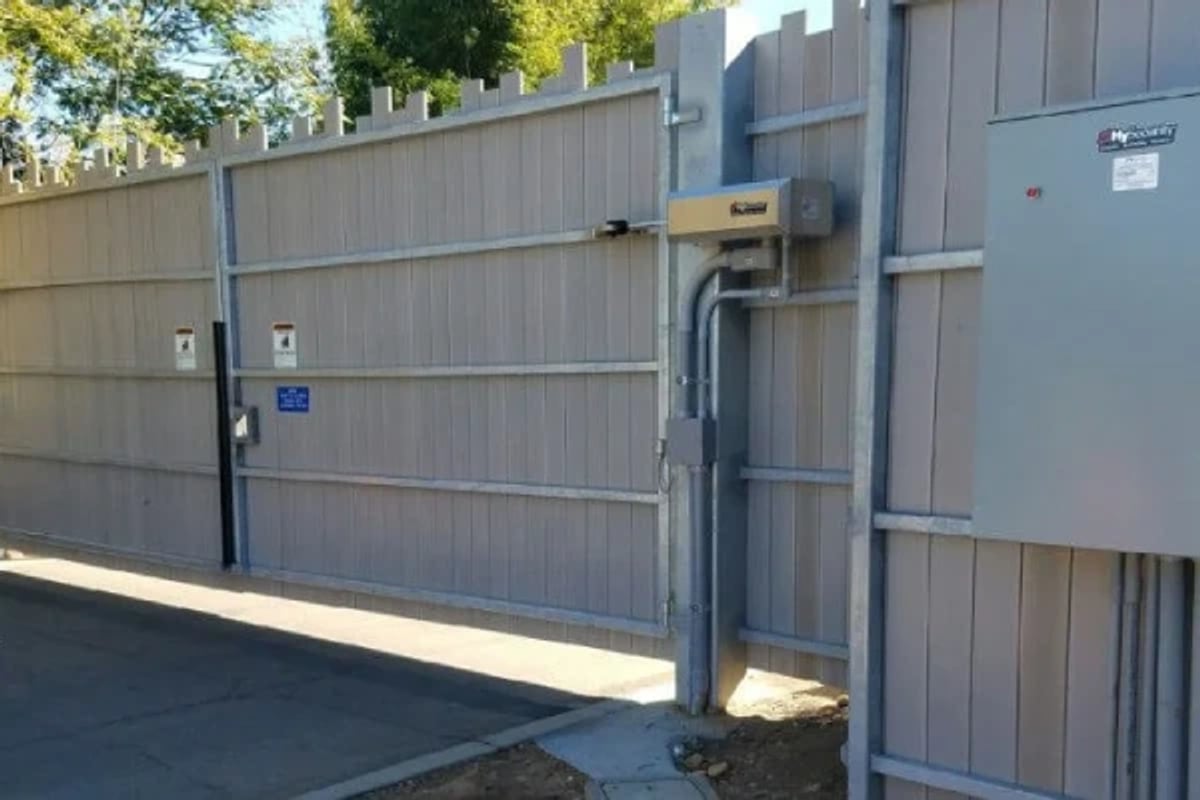
Gates Express specializes in installing and maintaining electric gate repair systems throughout Los Angeles, ensuring all safety components function properly and meet current code requirements. Property owners should verify that any gate motor for sale includes UL 325 certification, the primary safety standard governing automatic gate operators in North America.
Control Systems and Access Management
The control interface transforms your gate motor from a simple mechanical device into an integrated security system. When evaluating a gate motor for sale, consider how occupants, visitors, and service providers will activate the gate and how you'll manage access permissions.
Remote control transmitters remain the most common access method, using radio frequency signals to trigger gate operation from vehicles. Modern systems operate on rolling code technology, generating new encrypted signals with each use to prevent code grabbing by unauthorized parties. Consider purchasing additional remotes for family members and regular visitors.
Advanced Access Control Options
- Keypad entry systems with programmable PIN codes for pedestrian gates
- Smartphone applications enabling remote operation and visitor management
- Vehicle loop detectors providing automatic exit triggering without remote activation
- Intercom systems with video capability for visitor screening
- Card readers or key fobs for commercial properties with employee access needs
Integration with smart home platforms represents a growing trend in gate automation. Systems compatible with Apple HomeKit, Google Home, or Amazon Alexa enable voice commands and scheduling functions. The complete guide to electric gate motors details how modern control systems can coordinate with security cameras, outdoor lighting, and alarm systems for comprehensive property protection.
Properties requiring delivery access during owner absence benefit from temporary access code features. Generate time-limited PIN codes for specific delivery windows, automatically expiring after use or at predetermined times. This functionality eliminates the need to distribute permanent access credentials to service providers.
Installation Space and Mounting Requirements
Physical space constraints significantly influence which gate motor for sale suits your property. Swing gate motors require clearance behind or beside the gate panels for actuator arms, while sliding gate motors need adequate space along the fence line for track installation and motor housing.
Swing gate geometry depends on precise measurements. The distance from the gate hinge to the motor mounting point (A measurement) and from the hinge centerline to the mounting bracket (B measurement) determine the mechanical leverage and opening angle. Insufficient space for optimal A and B dimensions results in reduced opening angles or increased motor strain. Understanding gate motor geometry requirements prevents costly installation complications.
| Gate Type | Minimum Clearance | Motor Location | Track Length |
|---|---|---|---|
| Single Swing | 4-6 inches beyond hinge | Post or ground mount | N/A |
| Double Swing | 4-6 inches each panel | Dual motors required | N/A |
| Cantilever Slide | 1.5x gate width | End of travel path | 1.5x gate width |
| Tracked Slide | Gate width + 2 feet | Along fence line | Gate width + 2 feet |
Soil conditions affect ground-mounted motor installations. Rocky terrain or areas with high water tables may require concrete foundation work or elevated mounting platforms. Budget additional installation costs for challenging site conditions when comparing gate motor prices.
Torque Output and Gate Weight Compatibility
Torque-the rotational force the motor generates-must exceed the resistance your gate presents during operation. Heavier gates constructed from wrought iron, steel, or solid wood panels require significantly more torque than lightweight aluminum or vinyl designs. For perspective on material choices, review why wrought iron gates outperform other materials.
Manufacturers specify maximum gate weight ratings for each motor model. These ratings assume ideal installation conditions with properly balanced gates operating on well-maintained hinges or tracks. Real-world applications should maintain a 25-30% safety margin below maximum ratings to account for:
- Wind resistance during operation
- Age-related friction increase in mechanical components
- Seasonal temperature effects on materials
- Slope variations in track installations
- Accumulated dirt or debris in guide channels
A gate motor rated for 1,000 pounds should ideally operate gates weighing no more than 700-750 pounds. This conservative approach extends motor lifespan and ensures reliable operation during adverse weather conditions common in the Los Angeles area.
Measuring Your Gate Weight
Determining actual gate weight requires either removing the gate for scale weighing or using material density calculations. For the calculation method:
- Measure gate panel dimensions (height, width, thickness)
- Identify primary construction material (steel, iron, wood, aluminum)
- Apply material density factor (steel: 490 lb/ft³, aluminum: 165 lb/ft³)
- Calculate volume and multiply by density
- Add estimated hardware weight (hinges, decorative elements)
Professional installers at Gates Express routinely assess gate weight during service calls, providing accurate specifications for motor selection and preventing underpowered installations.
Climate Considerations for Los Angeles Properties
Los Angeles's Mediterranean climate presents specific challenges for gate motor longevity. While the region avoids extreme temperature swings and heavy snowfall common in other areas, heat, dust, and occasional heavy rain require appropriate motor protection and maintenance protocols.
Temperature rating specifications indicate the motor's operational range. Standard motors function reliably between 14°F and 131°F, adequate for Los Angeles's typical 40°F-95°F annual range. However, direct sun exposure on dark-colored motors can create surface temperatures exceeding ambient air by 20-30 degrees. Position motors in shaded locations when possible or select models with enhanced thermal protection.
Dust infiltration accelerates wear on moving components and electrical contacts. Motors with IP (Ingress Protection) ratings of IP54 or higher resist dust accumulation while maintaining weatherproof performance during rainfall. The IP rating system uses two digits: the first indicates solid particle protection (dust), while the second addresses liquid ingress (water).
Coastal properties face additional challenges from salt air corrosion. Stainless steel or powder-coated aluminum housings withstand marine environments better than standard painted steel enclosures. Budget for regular cleaning and lubrication if your property sits within three miles of the Pacific Ocean.
Noise Levels and Neighbor Considerations
Gate motor operation generates mechanical and electrical noise that may concern neighbors, particularly during early morning or late evening activations. Noise levels vary significantly between motor types and manufacturers, measured in decibels (dB) at a standard distance.
Screw-driven motors typically produce 55-65 dB during operation, comparable to normal conversation volume. Hydraulic motors generate 45-55 dB, offering quieter performance ideal for residential neighborhoods. Chain-driven systems may reach 65-75 dB, similar to vacuum cleaner operation.
The guide to choosing automatic gate motors recommends considering noise specifications if your gate operates near bedroom windows or adjacent properties. Some manufacturers offer "quiet mode" settings that slow operational speed slightly, reducing noise output by 5-10 dB while extending cycle time by 2-4 seconds.
Proper maintenance significantly impacts noise levels. Well-lubricated hinges, aligned tracks, and correctly tensioned drive chains minimize operational noise regardless of motor type. Schedule annual professional maintenance to preserve quiet operation and identify developing mechanical issues before they create noise problems.
Warranty Coverage and Manufacturer Support
Comprehensive warranty coverage protects your investment and indicates manufacturer confidence in product quality. When comparing gate motors for sale, examine warranty terms carefully, distinguishing between parts coverage, labor inclusion, and duration variations for different components.
Standard residential gate motor warranties typically include:
- 2-5 year motor and gearbox coverage for mechanical failures
- 1-2 year electronic control board protection against defects
- 90-day labor coverage for installation-related issues
- Lifetime structural component warranties on mounting brackets and housings
Commercial-grade motors often carry shorter warranty periods due to higher duty cycles and operational stress. However, commercial warranties may include expedited replacement programs minimizing downtime when failures occur.
Verify the manufacturer maintains adequate parts inventory and technical support infrastructure. Obscure brands offering exceptionally low prices may struggle to provide replacement components five years after purchase. Established manufacturers like LiftMaster, Mighty Mule, and FAAC maintain extensive dealer networks and parts availability supporting equipment for decades.
Budget Planning and Total Cost of Ownership
The purchase price of a gate motor for sale represents only one component of total ownership costs. Comprehensive budget planning accounts for installation expenses, ongoing maintenance, electricity consumption, and eventual replacement parts over the motor's operational lifespan.
| Cost Category | Budget Range | Frequency | Notes |
|---|---|---|---|
| Motor purchase | $300-$2,500 | One-time | Varies by type and features |
| Professional installation | $400-$1,200 | One-time | Depends on complexity |
| Annual maintenance | $150-$300 | Yearly | Prevents major repairs |
| Electricity (AC motor) | $15-$40 | Annual | Based on 20 cycles/day |
| Replacement remote | $25-$75 | As needed | Lost or damaged units |
Entry-level residential motors start around $300-$500 for basic swing gate applications with limited features. Mid-range systems ($700-$1,200) incorporate smartphone connectivity, battery backup, and enhanced safety sensors. Premium commercial-grade motors ($1,500-$2,500+) deliver maximum duty cycles, advanced control options, and extended warranties.
Installation costs depend on existing electrical infrastructure and site preparation requirements. Simple replacements with existing wiring and mounting points cost $400-$600 in labor. New installations requiring electrical trenching, concrete work, or extensive track installation may reach $1,200 or more.
Energy-efficient DC motors reduce operational costs compared to AC alternatives. While DC motors typically carry higher upfront prices, the combination of lower electricity consumption and battery backup capability provides value over the motor's 10-15 year lifespan. Solar systems eliminate ongoing electricity costs entirely after initial investment recovery.
Similar to how garage door services evolve with technology, companies like NextLevel Garage Co. demonstrate how professional installation and maintenance partnerships ensure optimal performance throughout the equipment lifecycle, regardless of initial purchase decisions.
Evaluating Seller Reputation and Purchase Channels
Where you purchase your gate motor significantly impacts pricing, warranty validity, and access to professional support. Multiple purchase channels exist, each offering distinct advantages and potential drawbacks for property owners seeking reliable gate automation.
Authorized dealers represent manufacturers directly, providing factory warranties, certified installation services, and ongoing technical support. These dealers maintain manufacturer training and stock genuine replacement parts. While prices may exceed discount retailers, the comprehensive support justifies the premium for many property owners.
Online retailers offer competitive pricing and convenient comparison shopping across multiple brands. However, verify that online purchases include valid manufacturer warranties rather than third-party coverage programs. Some manufacturers void warranties on products purchased through unauthorized channels, leaving buyers without recourse for defects or failures.
Home improvement stores stock popular residential gate motor models with competitive pricing and accessible return policies. Staff knowledge varies significantly between locations, so research specifications independently rather than relying solely on sales associate recommendations.
The key features guide for gate motors recommends prioritizing authorized dealers for complex installations or commercial applications where professional support proves essential. Simple residential replacements may successfully utilize online retailers if you possess adequate technical knowledge for self-installation.
Integration with Existing Security Systems
Modern gate motors function as components within comprehensive property security ecosystems. When selecting a gate motor for sale, evaluate compatibility with existing security cameras, alarm systems, and access control infrastructure to maximize your security investment.
Video intercom integration enables visual verification of visitors before granting access. Systems with two-way audio communication allow property owners to speak with delivery personnel or service providers remotely, issuing temporary access codes or denying entry as appropriate. Many modern gate motors include dedicated intercom connection terminals simplifying integration.
Security camera systems benefit from gate motor integration through event triggering. Configure cameras to begin recording when the gate activates, capturing vehicle license plates and occupant images automatically. This coordination provides valuable documentation for security incidents and helps identify unauthorized access attempts.
For property owners wondering what type of electric gate to purchase, security integration capabilities often influence the decision between motor models with varying control board features and connectivity options.
Alarm system coordination prevents false alarms during authorized gate operations. Gate motors with relay outputs can signal alarm panels when the gate opens, temporarily disabling perimeter sensors in the entry area. This automation eliminates the need to manually disarm systems before arrival or departure.
Maintenance Requirements and Service Intervals
Proactive maintenance extends gate motor lifespan and prevents unexpected failures during critical moments. Establishing regular service intervals based on usage frequency ensures reliable operation and identifies developing issues before they escalate into costly repairs.
Monthly inspections should include:
- Visual examination of motor housing for physical damage
- Testing safety sensors and auto-reverse functionality
- Verifying remote control operation and battery condition
- Listening for unusual noises during opening and closing cycles
- Checking gate alignment and smooth travel without binding
Quarterly maintenance expands on monthly checks with:
- Lubricating hinges, pivot points, and sliding tracks
- Inspecting electrical connections for corrosion or looseness
- Testing battery backup systems (if equipped)
- Cleaning photocell lenses and sensor surfaces
- Verifying proper tension on chain or belt drive systems
Annual professional service by qualified technicians addresses components inaccessible during routine owner maintenance. Professional visits typically include control board diagnostics, motor brush inspection (on brushed motors), gearbox oil level verification, and comprehensive safety system testing. Understanding how to check your electric gate before calling a technician helps distinguish between simple maintenance needs and situations requiring professional intervention.
High-traffic commercial installations benefit from quarterly professional service rather than annual intervals. The increased operational frequency accelerates wear on mechanical components and electrical contacts, justifying more frequent expert attention.
Making the Final Purchase Decision
After evaluating technical specifications, safety features, budget constraints, and installation requirements, synthesize this information into a decision framework prioritizing your property's specific needs. Create a weighted ranking system addressing your most critical concerns.
For residential properties emphasizing convenience and reliability, prioritize:
- Proven manufacturer reputation and warranty coverage
- Adequate duty cycle for family usage patterns
- Smartphone integration for remote operation
- Battery backup for outage protection
- Competitive pricing within budget parameters
Commercial properties focusing on security and durability should emphasize:
- Commercial-grade duty cycle ratings
- Advanced access control compatibility
- Robust construction for high-frequency operation
- Comprehensive safety sensor systems
- Expedited warranty replacement programs
Document your gate's physical specifications before shopping: weight, dimensions, opening arc (swing gates), or track length (sliding gates). This preparation enables accurate compatibility assessment when reviewing gate motors for sale and prevents purchasing underpowered or incorrectly sized equipment.
Request installation quotes from multiple providers, comparing not just pricing but also timeline commitments, warranty terms, and technician qualifications. The lowest bid may not represent the best value if it excludes critical components or involves inexperienced installers risking improper configuration.
Selecting the right gate motor requires balancing technical specifications, budget constraints, and long-term performance expectations to ensure your investment delivers years of reliable service. Whether you're automating a new installation or replacing a failing system, professional guidance ensures compatibility with your gate's specifications and your property's unique requirements. Gates Express provides expert consultation, professional installation, and ongoing maintenance services throughout Los Angeles, helping property owners make informed decisions and maintain optimal gate performance for residential and commercial applications.