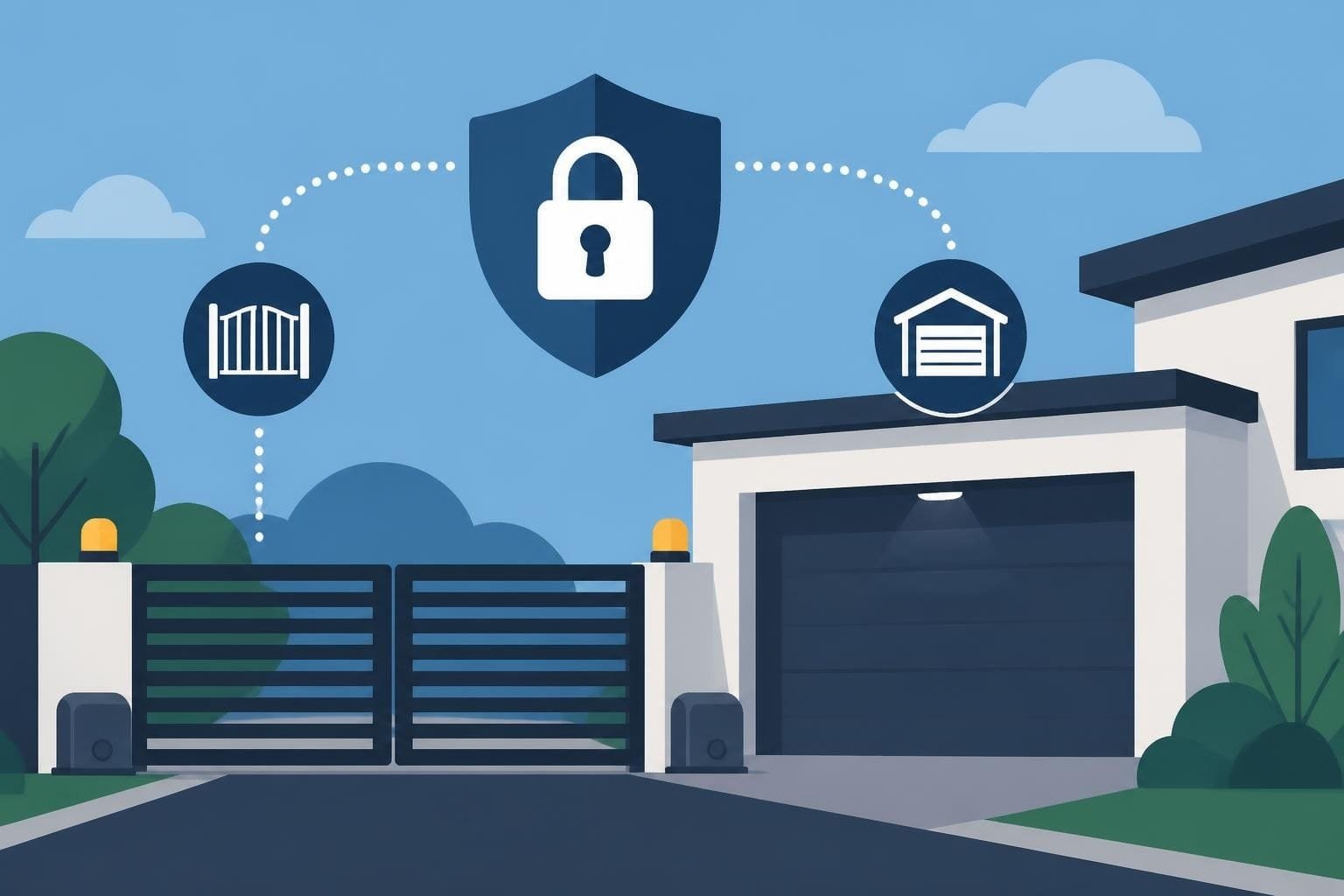

Property owners today rely on automated systems to protect their homes and businesses, with garage and gates representing two of the most critical entry points requiring attention. These systems not only provide security and convenience but also demand regular maintenance, safety compliance, and professional expertise to function reliably. Understanding the technical, regulatory, and practical aspects of these automated barriers ensures they serve their purpose effectively while minimizing risks.
Understanding Modern Garage and Gates Systems
The evolution of automated access control has transformed how we secure properties. Modern garage and gates utilize sophisticated operator systems, sensors, and safety mechanisms that far exceed the simple manual barriers of decades past.
Components of Automated Systems
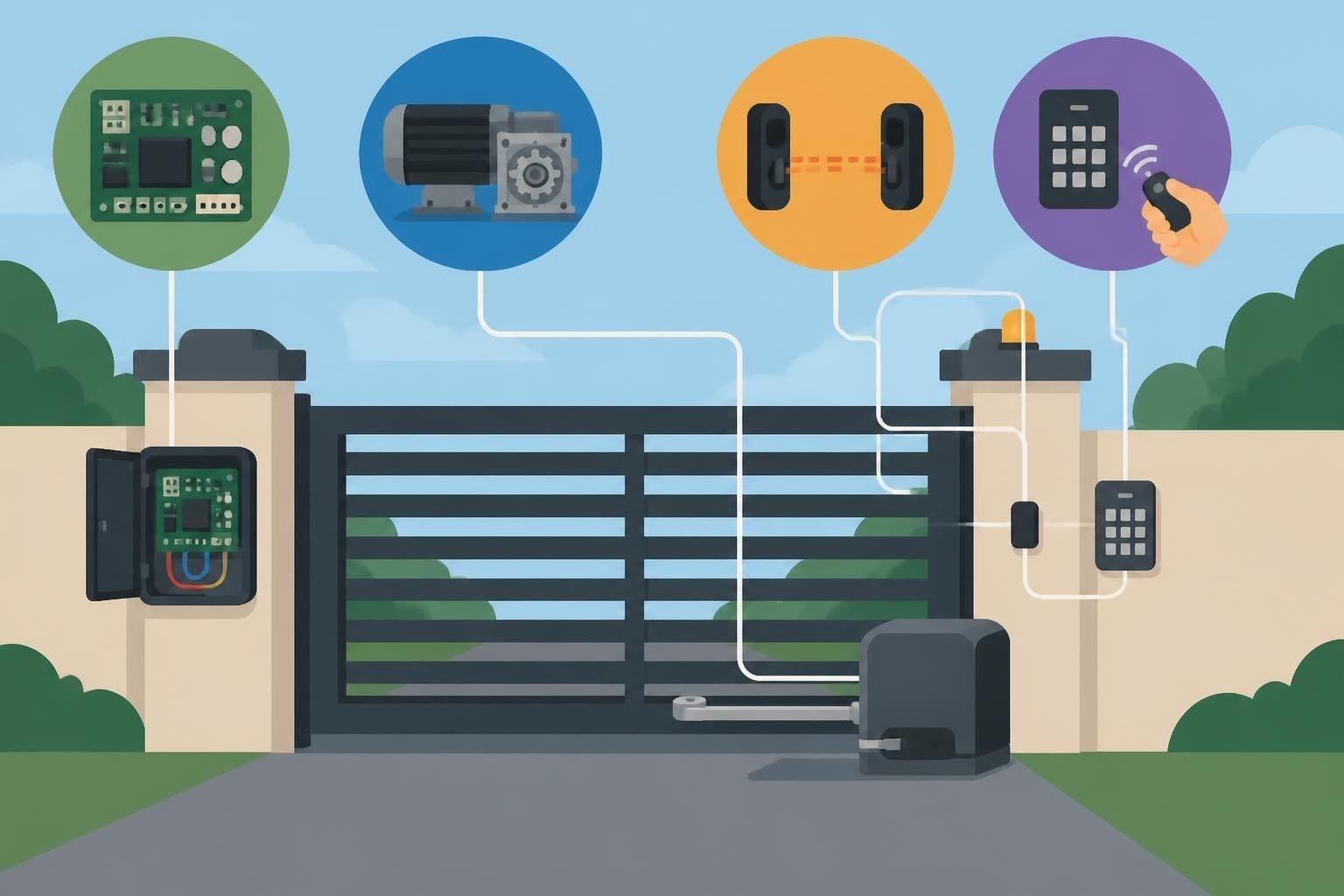
Every automated barrier system consists of several interconnected components working in harmony. Operators (motors) provide the mechanical force to move doors and gates, while safety sensors detect obstructions and prevent entrapment. Control systems process inputs from remotes, keypads, or smart devices to authorize access.
The complexity increases when considering commercial versus residential applications:
- Residential systems typically handle lighter duty cycles with single-family usage patterns
- Commercial installations must withstand hundreds of daily operations
- Industrial applications require heavy-duty components rated for continuous use
- High-security facilities integrate access control with surveillance and alarm systems
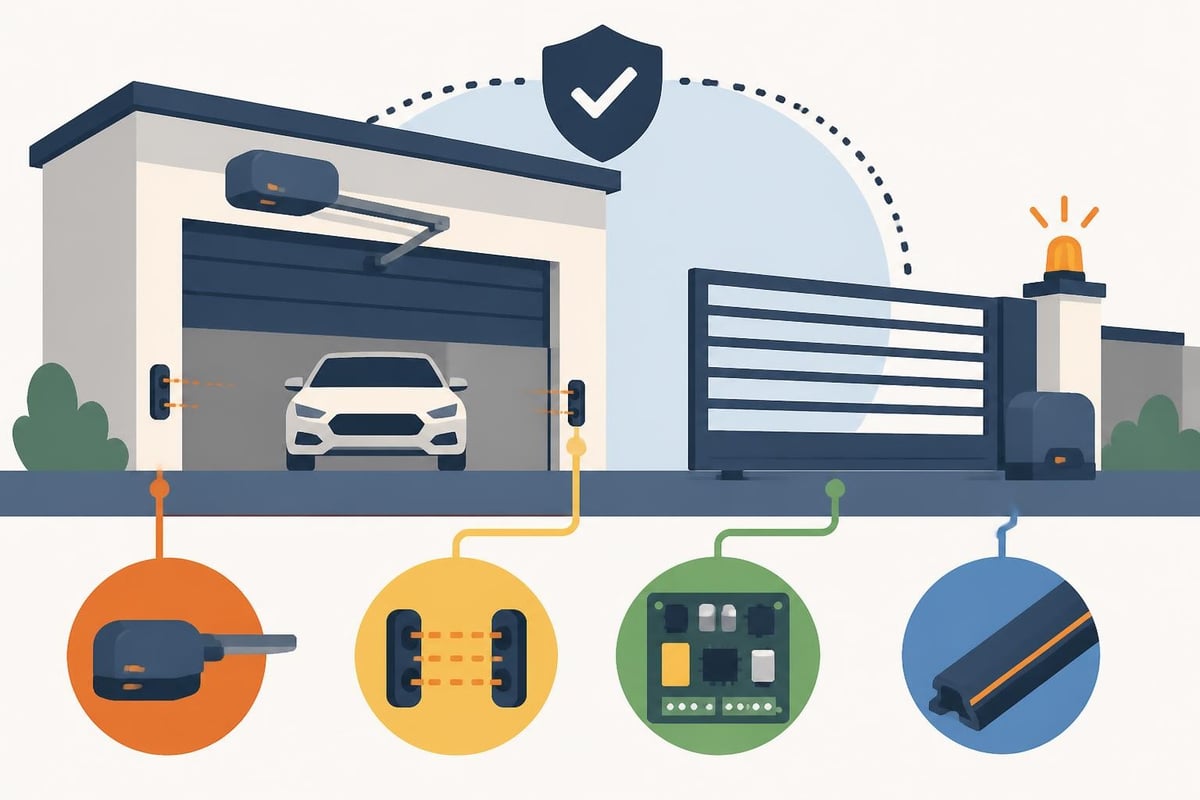
Material selection dramatically impacts longevity and performance. Steel gates offer maximum security but require corrosion protection in coastal environments. Aluminum provides a lighter-weight alternative with natural corrosion resistance. Wood delivers aesthetic appeal but demands more maintenance. Composite materials balance durability with appearance.
Operator Technologies and Power Systems
The heart of any automated system lies in its operator technology. Chain-drive operators remain popular for garage doors due to their reliability and cost-effectiveness, though they generate more noise than belt-driven alternatives. Screw-drive systems offer fewer moving parts and consistent performance across temperature ranges.
Gate operators employ different mechanisms suited to their unique requirements. Swing-gate operators use articulating arms or ram-style actuators to push gates open along their arc. Slide-gate operators move panels horizontally using rack-and-pinion or chain-drive systems. Each configuration presents distinct installation requirements and maintenance needs.
Battery backup systems have become essential components, particularly in areas prone to power outages. Modern operators integrate seamlessly with backup power, ensuring continuous operation during emergencies while maintaining all safety features.
Safety Standards and Regulatory Compliance
Compliance with safety standards protects both property owners and operators from liability while ensuring systems function safely. The regulatory landscape governing garage and gates has evolved significantly over the past five decades, driven by incident investigations and technological advances.
UL 325 and Federal Requirements
The foundation of operator safety rests on UL 325 standards, which celebrated their 50th anniversary with comprehensive updates addressing modern safety concerns. This standard defines entrapment protection requirements, ensuring operators reverse or stop when encountering obstructions.
Federal regulations now incorporate these standards directly. The Consumer Product Safety Commission's mandatory federal garage-door-operator standard integrates the 2023 revisions to UL 325, making compliance legally required rather than merely recommended.
| Safety Feature | Residential Requirement | Commercial Requirement | Testing Frequency |
|---|---|---|---|
| Entrapment Protection | Mandatory | Mandatory | Monthly |
| Emergency Release | Accessible from inside | Accessible both sides | Quarterly |
| Visual/Audible Alerts | Required for gates | Required for all | N/A |
| Force Limitation | 15 lbs maximum | Varies by application | Monthly |
Building Codes and Permitting
Local building codes impose additional requirements beyond federal standards. The International Residential Code provisions address garage-door installation, requiring UL listing for automatic openers and specific labeling on doors meeting wind-load and impact requirements.
Permitting ensures installations meet local standards. Professional installers navigate these requirements routinely, but property owners attempting DIY installations must research applicable codes. Jurisdictions typically require permits for new installations and may require them for operator replacements.
The ASTM F2200 standard provides detailed specifications for automated vehicular gate construction, covering everything from structural requirements to performance testing methods. This standard guides manufacturers and installers in creating compliant, safe gate systems.
Maintenance Best Practices for Longevity
Preventive maintenance extends system life while reducing emergency repair costs. Regular attention to garage and gates prevents minor issues from escalating into major failures requiring extensive repairs or complete replacement.
Monthly Inspection Checklist
Property owners should perform basic monthly inspections regardless of whether systems show obvious problems. Visual inspections reveal loose hardware, worn components, or damage requiring attention. Operational testing confirms safety features function correctly.
Key monthly tasks include:
- Test auto-reverse function by placing a solid object in the door's path
- Inspect photo-eye sensors for alignment and cleanliness
- Listen for unusual noises indicating worn bearings or loose components
- Check weather stripping for gaps allowing air and pest infiltration
- Lubricate moving parts using appropriate garage door lubricant
- Verify emergency release operates smoothly without excessive force
Gate systems require additional attention to ground tracks and wheels. Debris accumulation in slide-gate tracks causes premature wear and operational issues. Swing-gate hinges demand regular lubrication to prevent binding and motor strain.
Professional Service Intervals
While monthly owner inspections catch obvious problems, professional service addresses issues beyond typical homeowner expertise. Annual professional maintenance should include comprehensive safety testing, adjustment of closing forces, and inspection of electrical components.
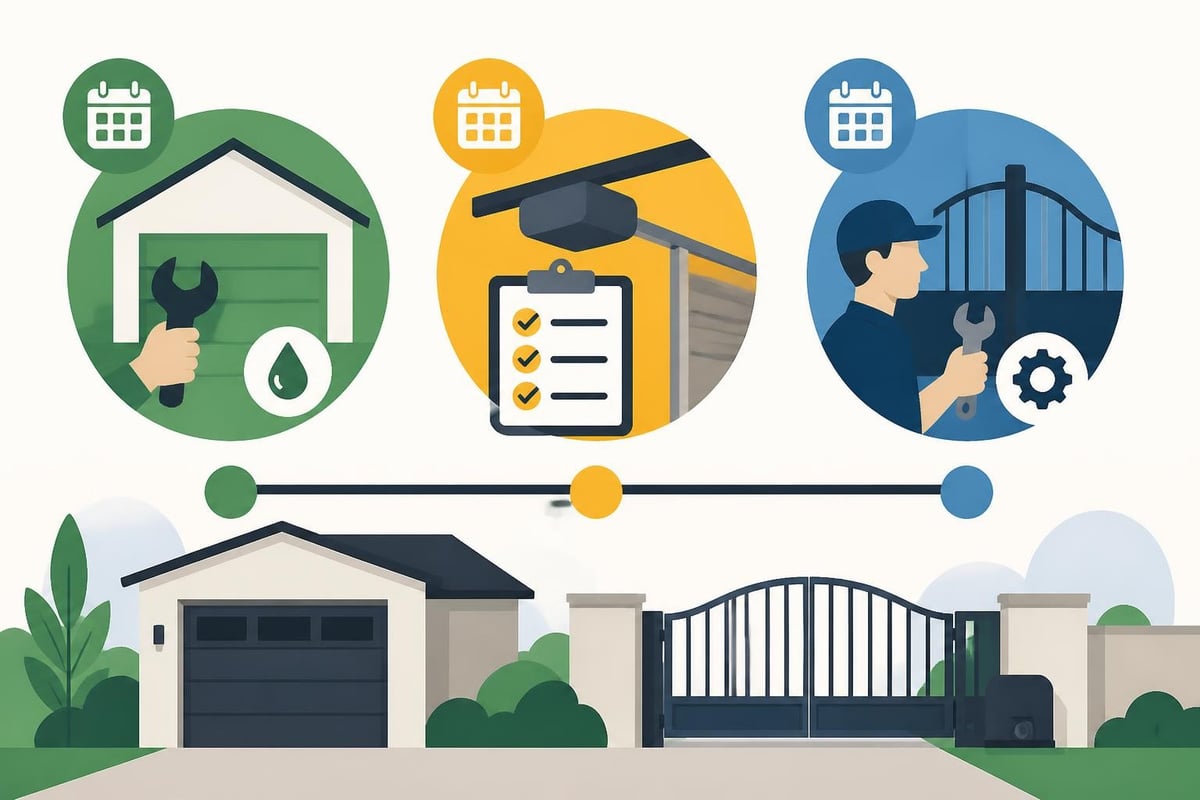
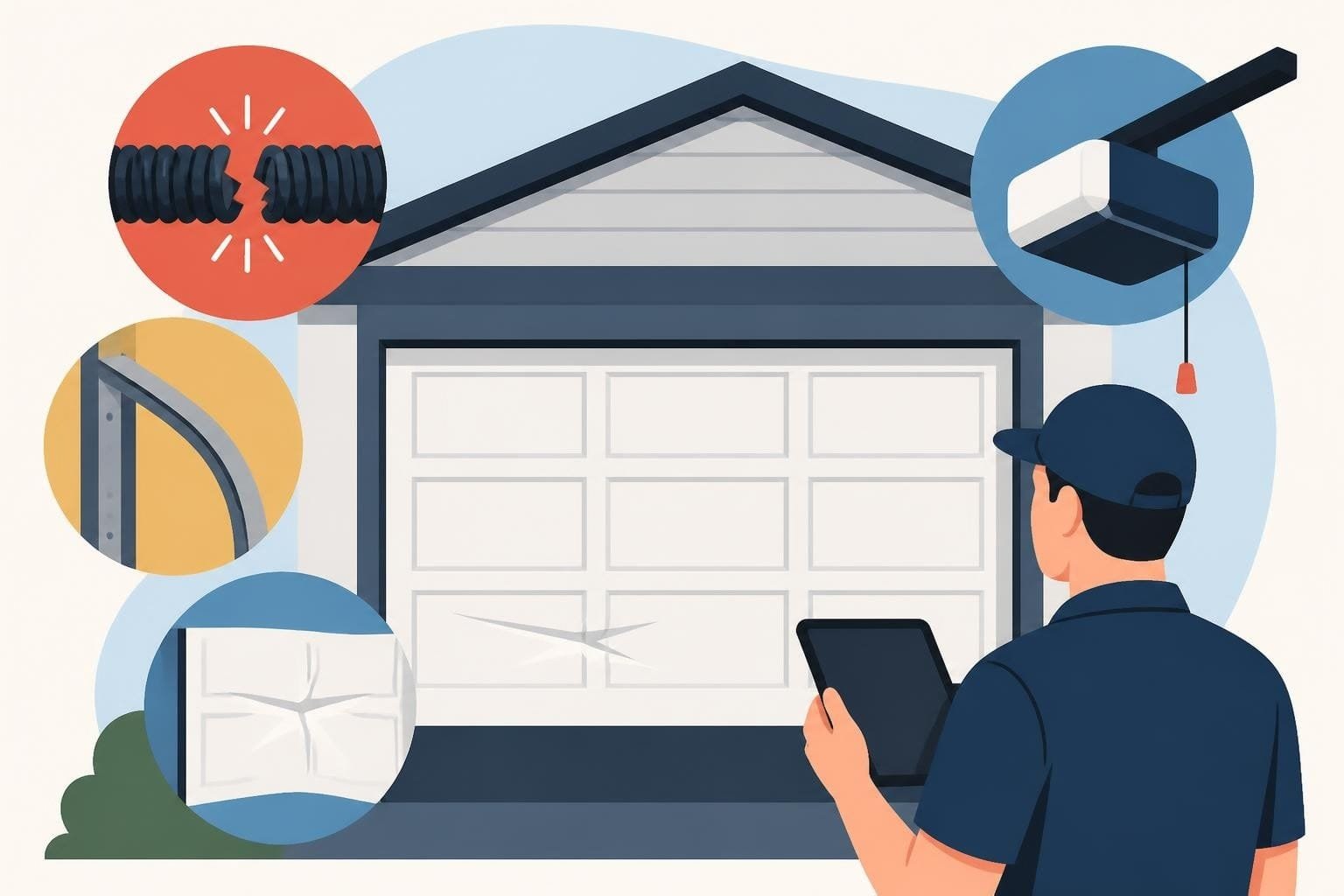
Spring replacement represents one of the most dangerous garage door repairs, requiring specialized tools and expertise. Torsion springs store tremendous energy and can cause serious injury if handled improperly. Professional technicians possess the training and equipment to replace springs safely.
For comprehensive diagnostics and repairs, specialists like those offering expert garage door repair in Los Angeles can assess issues, communicate transparently about needed repairs, and restore full functionality efficiently.
Addressing Common Operational Issues
Understanding typical problems affecting garage and gates helps property owners recognize when professional intervention becomes necessary. Many issues present warning signs before complete failure occurs.
Garage Door Troubleshooting
Doors that hesitate, reverse unexpectedly, or operate noisily signal underlying problems. Broken springs prevent doors from opening or cause operators to strain under excessive weight. Worn rollers create grinding noises and jerky movement. Misaligned tracks cause binding and uneven operation.
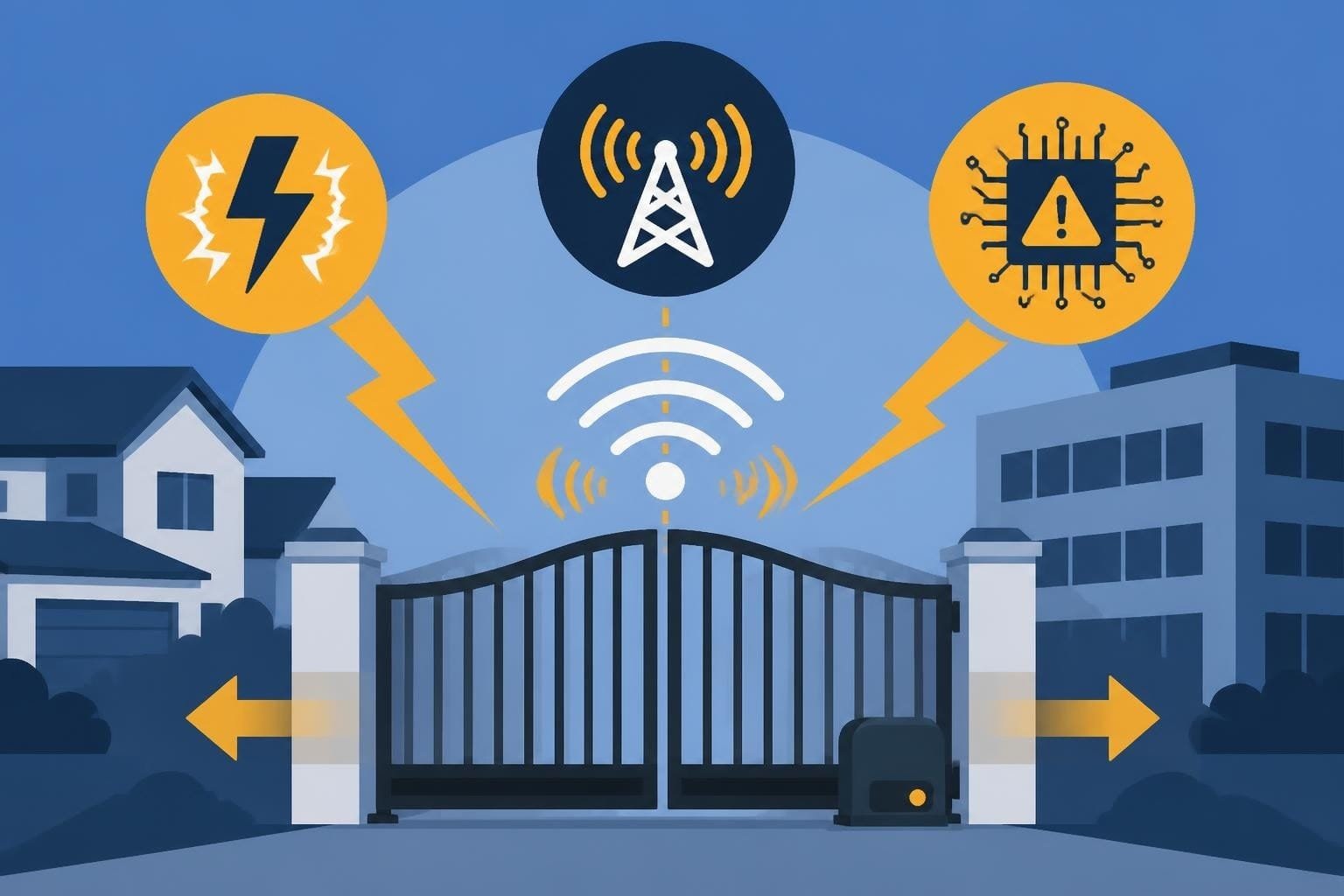
Remote control issues frustrate users but often involve simple solutions. Dead batteries represent the most common culprit, while antenna damage or signal interference may affect range. Reprogramming remotes resolves many connectivity problems without requiring service calls.
Sensor malfunctions prevent doors from closing or cause them to reverse immediately after starting. Dirty lenses, misalignment, or electrical issues all produce similar symptoms. Cleaning sensor lenses and verifying alignment often restores function without professional assistance.
Gate System Challenges
Gates face unique challenges due to their exposure to weather and outdoor environmental factors. Corrosion affects operators, hinges, and structural components in humid or coastal climates. Ground movement can misalign gates, causing binding or preventing complete closure.
Access control integration adds complexity when keypads, card readers, or intercom systems fail. Troubleshooting requires understanding both mechanical and electronic systems. Property owners should verify power supply, check wiring connections, and test individual components systematically.
| Problem | Likely Cause | DIY Solution | Professional Needed |
|---|---|---|---|
| Won't open | Power/battery issue | Check circuit breakers | If power confirmed good |
| Opens partially | Obstruction or limit setting | Clear debris, adjust limits | If adjustments don't resolve |
| Excessive noise | Worn components | Lubricate moving parts | If noise persists |
| Security compromise | Failed locks/latches | Inspect and tighten | Immediate professional call |
Safety Considerations for Attached Garages
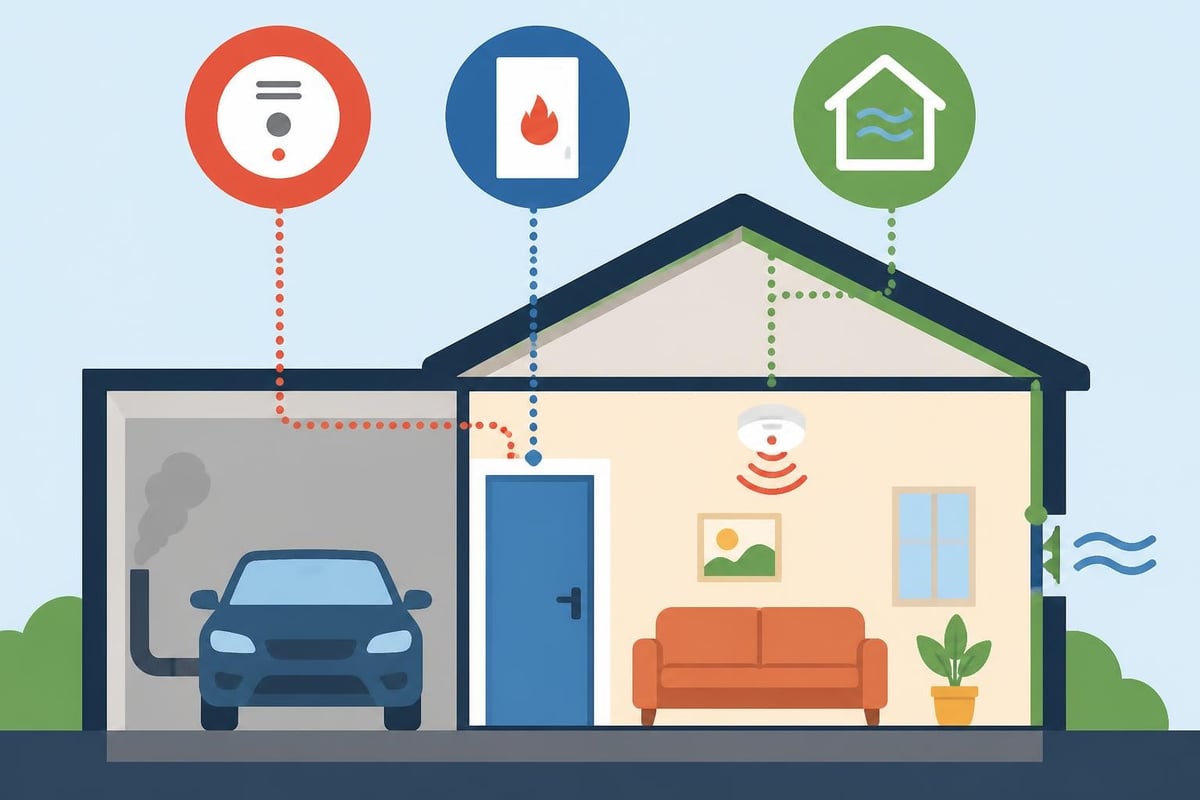
Attached garages present specific safety concerns beyond basic operational hazards. The integration of garage spaces with living areas creates potential pathways for carbon monoxide, vehicle exhaust, and chemical vapors to enter homes.
Ventilation and Air Quality
Proper ventilation prevents dangerous accumulation of contaminants in garage spaces. The ASHRAE handbook guidance addresses ventilation and infiltration issues specific to attached garages, emphasizing the importance of preventing contaminant transport into living spaces.
Mechanical ventilation using exhaust fans helps dilute and remove vehicle emissions. Air sealing between garage and living areas prevents pressure-driven infiltration. Door sweeps, gaskets, and proper weatherstripping create barriers against air movement while maintaining fire ratings.
The EPA’s IAQ guidelines provide practical recommendations for renovations affecting attached garages, including specific precautions for sealing and ventilation improvements that maintain both energy efficiency and safety.
Carbon Monoxide Protection
Carbon monoxide detectors save lives by alerting occupants to dangerous gas accumulation before symptoms develop. NFPA Life Safety Code requirements now mandate carbon monoxide detection in spaces adjacent to attached garages, recognizing the serious risk of vehicle-related CO exposure.
Detector placement matters significantly for effective protection:
- Install detectors on every level of the home
- Place units near sleeping areas for nighttime protection
- Add garage-specific detectors where vehicles park
- Test monthly and replace batteries according to manufacturer specifications
- Replace entire units after 5-7 years per manufacturer recommendations
Never run vehicles in garages with doors closed, even briefly. Modern fuel-injected engines produce dangerous carbon monoxide levels within minutes. Remote starters create particular hazards when used in enclosed spaces.
Industry Advocacy and Continuous Improvement
The garage and gates industry continues evolving through advocacy, research, and standards development. Professional associations promote safety awareness while advancing best practices across the sector.
Professional Standards and Training
Organizations like the American Fence Association champion gate safety through advocacy, training resources, and standards adoption. Their efforts raise awareness among installers, property owners, and regulators about proper installation and maintenance practices.
Certification programs ensure technicians possess current knowledge of safety standards, operational principles, and troubleshooting procedures. Continuing education requirements keep professionals updated on evolving technologies and regulatory changes.
Industry advocacy influences code development and regulatory processes. Professional associations provide technical expertise during standards revision, ensuring requirements reflect practical operational experience while advancing safety objectives.
Emerging Technologies
Smart home integration represents the fastest-growing segment in garage and gates automation. WiFi-enabled operators allow remote monitoring and control from smartphones. Geofencing automatically opens doors as authorized vehicles approach. Activity logs track all openings and closings for security purposes.
Battery technology improvements extend backup power duration while reducing battery size and maintenance requirements. Lithium-ion systems increasingly replace lead-acid batteries in premium operators.
Predictive maintenance capabilities use sensors and algorithms to identify developing problems before failure occurs. Operators monitor cycle counts, force requirements, and operational parameters, alerting owners when service becomes necessary.
Selecting Professional Service Providers
Choosing qualified technicians ensures repairs meet safety standards while providing lasting solutions. Not all service providers possess equal expertise or commitment to quality workmanship.
Evaluating Credentials and Experience
Licensing requirements vary by jurisdiction but indicate minimum competency levels. Verify contractors hold appropriate licenses for electrical work when installations involve wiring modifications. Insurance coverage protects property owners from liability if accidents occur during service.
Experience with specific brands and systems matters significantly. Manufacturers often provide specialized training on their products. Technicians familiar with particular operators troubleshoot issues faster and source correct replacement parts efficiently.
Customer reviews reveal patterns in service quality, reliability, and professionalism. Look for consistent feedback about:
- Prompt response to service requests
- Transparent communication about needed repairs
- Fair pricing without hidden charges
- Clean work areas after service completion
- Follow-up to ensure customer satisfaction
Emergency Service Availability
Gate and garage door failures rarely occur during convenient hours. Same-day emergency service minimizes security vulnerabilities and inconvenience. Providers offering 24/7 availability demonstrate commitment to customer needs.
Response time expectations should be clearly communicated. Reputable companies provide realistic timeframes and update customers if delays occur. Emergency service premiums should be disclosed upfront to avoid surprise charges.
Local providers often respond faster than national chains while maintaining stronger community connections. Family-owned businesses frequently prioritize customer relationships over transaction volume, resulting in more personalized service and attention to detail.
Property protection depends on properly functioning garage and gates that meet current safety standards while receiving regular professional maintenance. The complexity of modern automated systems, combined with evolving regulatory requirements, makes expert service essential for long-term reliability and safety. When your property's access control systems need attention, Gates & Garage Door Express Inc. brings family-owned dedication to quality with same-day emergency services throughout Los Angeles. Contact their experienced team today for professional installation, maintenance, or repair services that prioritize your security and satisfaction.