
Finding reliable electric gate installation near me has become a top priority for property owners seeking enhanced security and convenience. As automated entry systems continue to evolve in 2026, understanding the installation process, costs, and technical requirements ensures you make informed decisions for your residential or commercial property. This comprehensive guide walks you through everything you need to know about professional electric gate installation, from selecting the right system to ensuring compliance with safety standards.
Understanding Electric Gate System Components
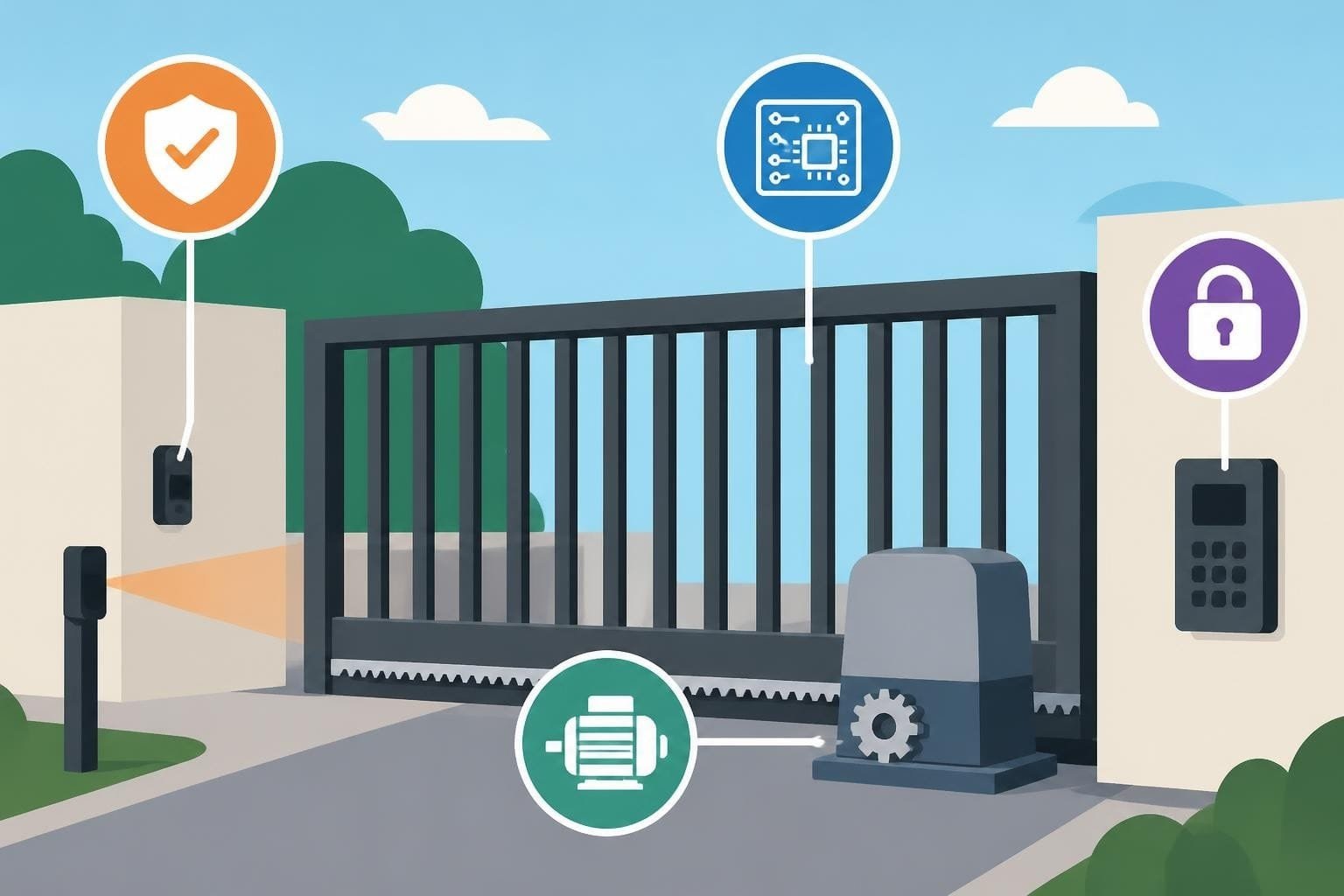
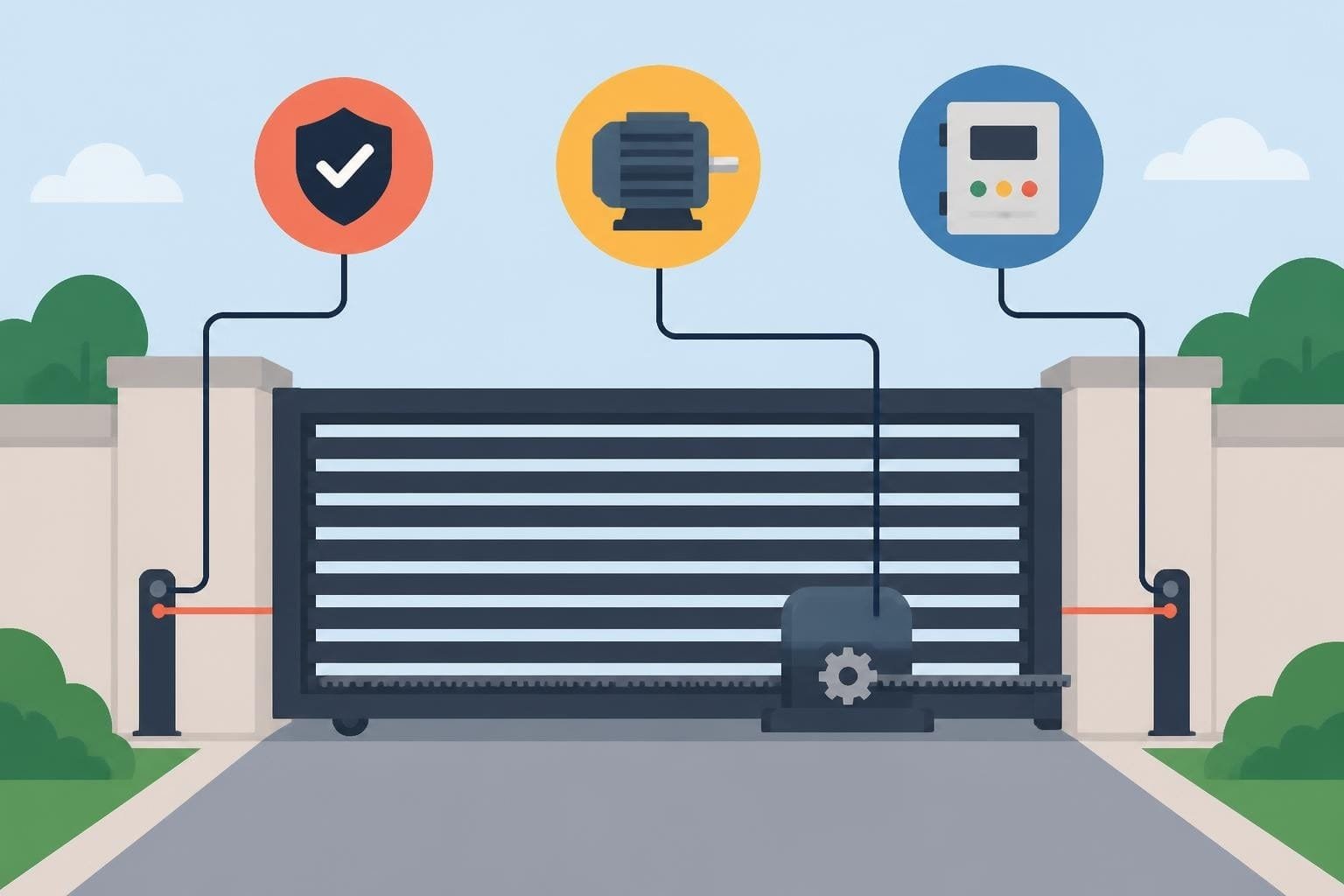
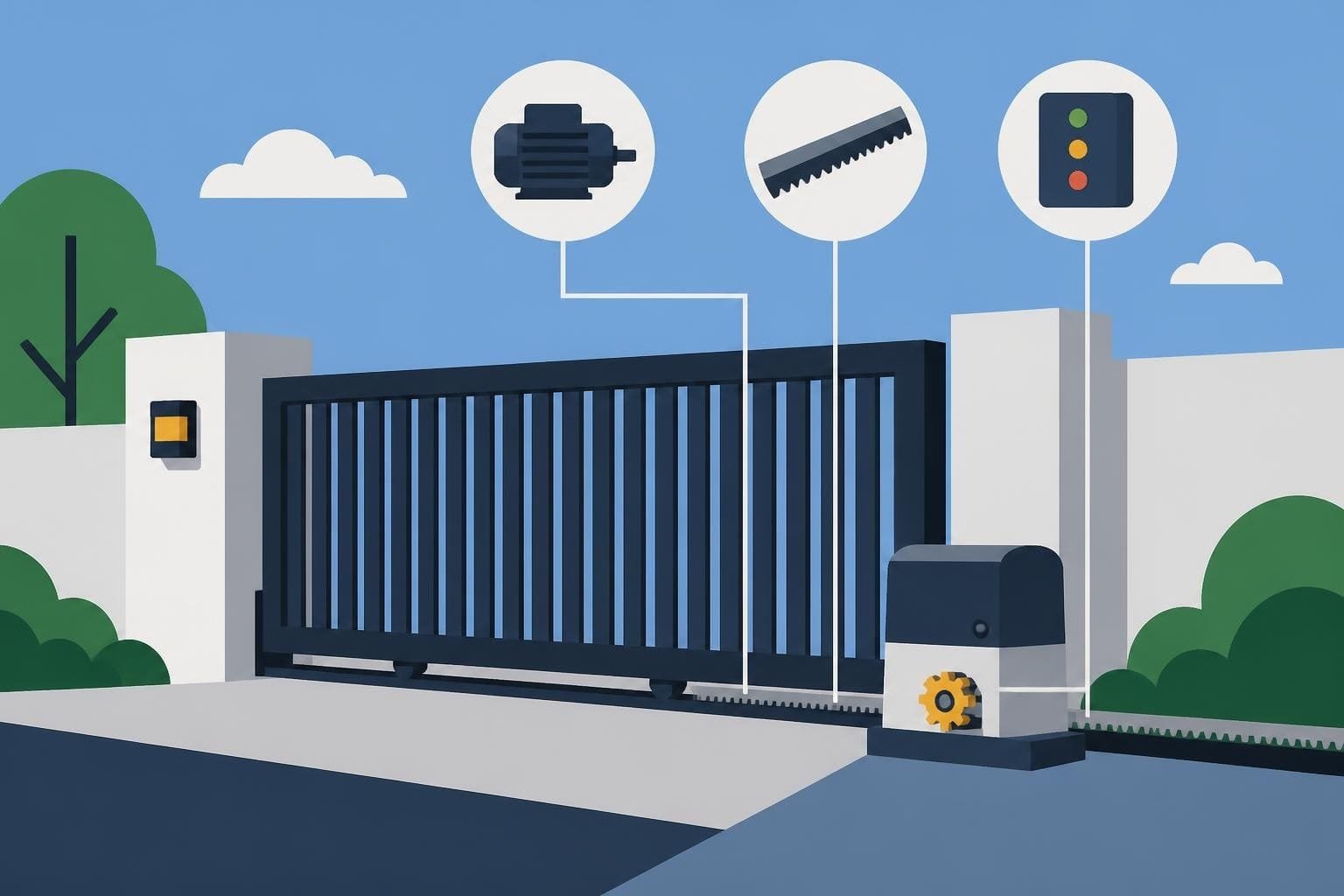
Modern automated gates consist of multiple integrated components working together to provide seamless operation. The gate operator (motor) serves as the heart of the system, driving the gate's movement based on input from access controls.
Essential system components include:
- Gate operators (swing or slide mechanisms)
- Control boards and safety sensors
- Access control devices (keypads, card readers, remote transmitters)
- Safety edge sensors and photocells
- Battery backup systems for power outages
- Intercom or video entry systems
The operator selection depends heavily on gate dimensions, weight, and usage frequency. Choosing the right motor involves evaluating duty cycle requirements, ensuring the system handles daily operation volumes without premature wear.
Safety Standards and Code Compliance
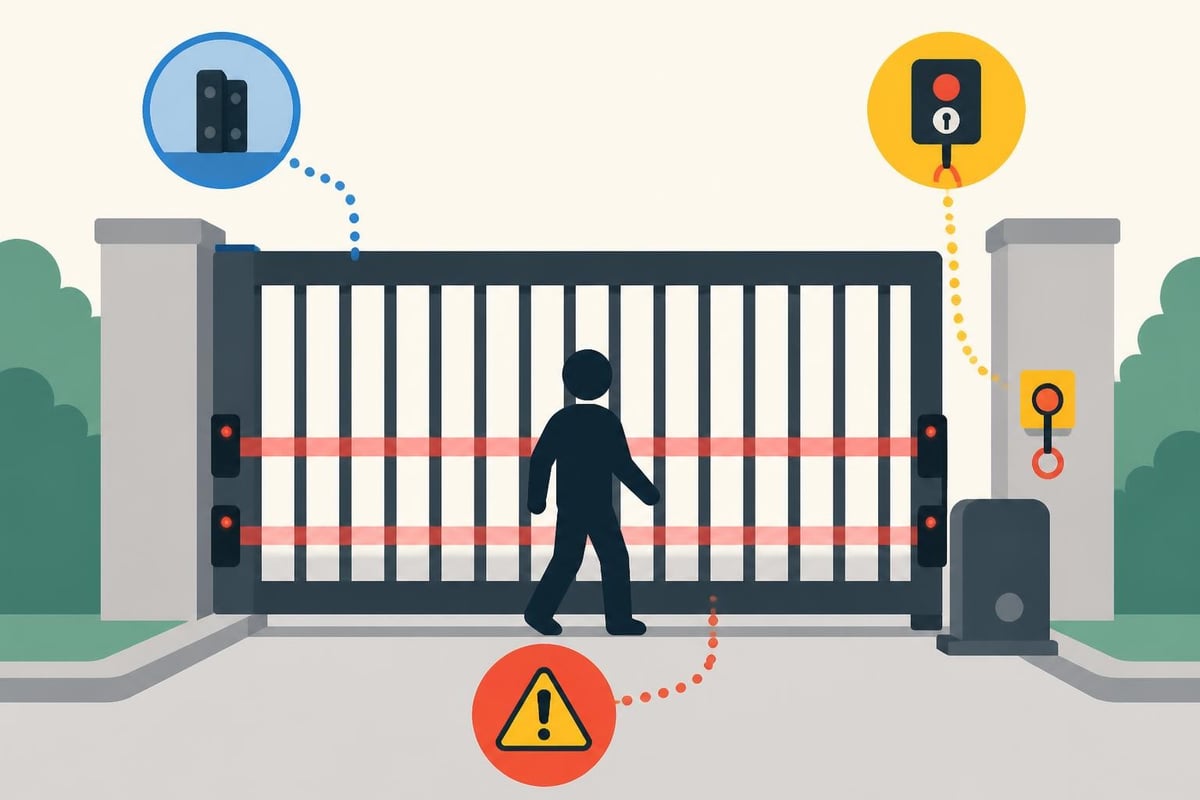
Professional electric gate installation near me must adhere to stringent safety regulations established by multiple governing bodies. UL 325 certification requirements mandate specific entrapment protection features for all automated vehicular gates.
These standards evolved significantly following incidents in the 1990s and early 2000s. Today's installations require multiple redundant safety systems working simultaneously to prevent entrapment injuries.
| Safety Feature | Function | Code Requirement |
|---|---|---|
| Primary entrapment protection | Pressure sensors, contact edges | UL 325 mandatory |
| Secondary protection | Photoelectric sensors | Required for all vehicular gates |
| Emergency release mechanism | Manual operation during power failure | ASTM F2200 specification |
| Warning signs | Clear gate operation indicators | Local code dependent |
The ASTM F2200 standard provides comprehensive construction and installation specifications that qualified contractors follow during every installation. This standard addresses gate design, operator selection, and critical safety features.
Types of Electric Gates for Different Applications
Selecting the appropriate gate style significantly impacts installation complexity, cost, and long-term functionality. Each gate type offers distinct advantages depending on property layout, available space, and aesthetic preferences.
Swing Gate Systems
Swing gates operate similarly to traditional doors, pivoting on hinges attached to gate posts. These systems require adequate clearance within the property for the gate to swing inward or outward.
Swing gate advantages:
- Traditional aesthetic appeal
- Lower initial cost for smaller gates
- Easier retrofitting of existing manual gates
- Minimal ground preparation requirements
Installation considerations:
- Each leaf requires separate operator for dual-swing configurations
- Post reinforcement often necessary for operator mounting
- Minimum clearance radius must remain obstacle-free
- Wind load calculations affect operator sizing
Residential driveways commonly utilize swing gates when sufficient yard space permits the arc of movement. These systems work particularly well for properties maintaining historical or classical architectural themes.
Sliding Gate Configurations
Sliding gates travel parallel to the fence line, making them ideal for properties with limited inward clearance or steep driveways. The gate rolls along a track, guided by wheels or a rail system.
Property owners searching for electric gate installation near me frequently choose sliding gates for commercial applications due to their robust performance and space efficiency. These systems handle heavy gates more effectively than swing configurations.
Sliding gate benefits:
- Operates in limited space environments
- Handles heavy, wide gate panels efficiently
- Single operator controls entire gate span
- Better wind resistance than swing gates
Track-based systems require level ground preparation and proper drainage to prevent debris accumulation. The track installation adds complexity but provides superior stability for gates exceeding 20 feet in width.
Vertical and Specialty Gates
Vertical pivot gates, overhead barrier arms, and cantilever sliding gates serve specialized applications where standard configurations prove impractical.
Cantilever gates eliminate ground tracks entirely, supporting the gate through a counterbalanced cantilevered structure. This design prevents issues with ground clearance, making it suitable for uneven terrain or areas requiring unrestricted ground access.
The Installation Process: Step-by-Step Timeline
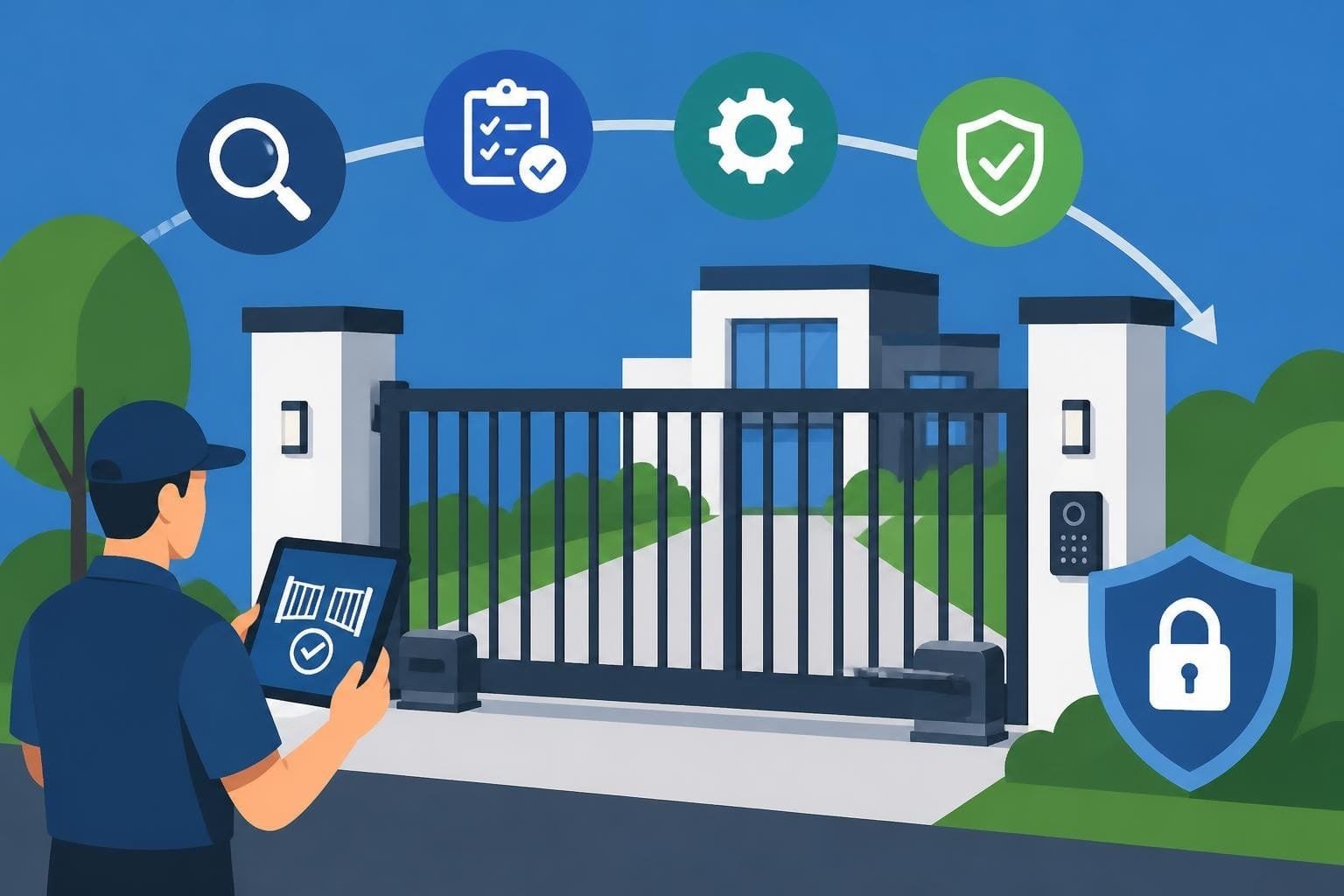
Professional electric gate installation near me follows a systematic approach ensuring proper function and safety compliance. Understanding this process helps property owners prepare adequately and set realistic expectations.
Phase 1: Site Assessment and Planning
Qualified installers begin with comprehensive site evaluation, measuring the opening width, analyzing grade conditions, and identifying potential obstacles. This assessment determines operator requirements and identifies necessary infrastructure improvements.
During this phase, installers verify property lines, identify underground utilities, and review local building codes. Municipal code requirements vary significantly, potentially affecting gate placement, height restrictions, and required permits.
Critical assessment factors:
- Gate opening width and required clearances
- Ground slope and drainage patterns
- Electrical service availability and location
- Access control requirements and user volume
- Integration with existing security systems
Phase 2: Permit Acquisition and Preparation
Most jurisdictions require building permits for electric gate installations. Professional contractors handle permit applications, submitting detailed plans showing gate specifications, operator locations, and electrical connections.
The permit process typically requires 1-3 weeks depending on local building department workloads. Installations proceeding without proper permits risk code violations, failed inspections, and potential liability issues.
Phase 3: Foundation and Infrastructure
Foundation work represents the most labor-intensive installation phase. Gate posts require substantial concrete footings to withstand operational forces and prevent settling over time.
| Foundation Element | Typical Specification | Purpose |
|---|---|---|
| Post footing depth | 36-48 inches | Frost protection and stability |
| Footing width | 18-24 inches diameter | Lateral load resistance |
| Concrete cure time | 7-14 days | Full strength development |
| Track pad thickness | 6-8 inches | Load distribution for sliding gates |
Electrical conduit installation occurs simultaneously, running from the power source to operator locations and control equipment mounting points. Proper conduit sizing accommodates all necessary wiring including power, control signals, and communication lines.
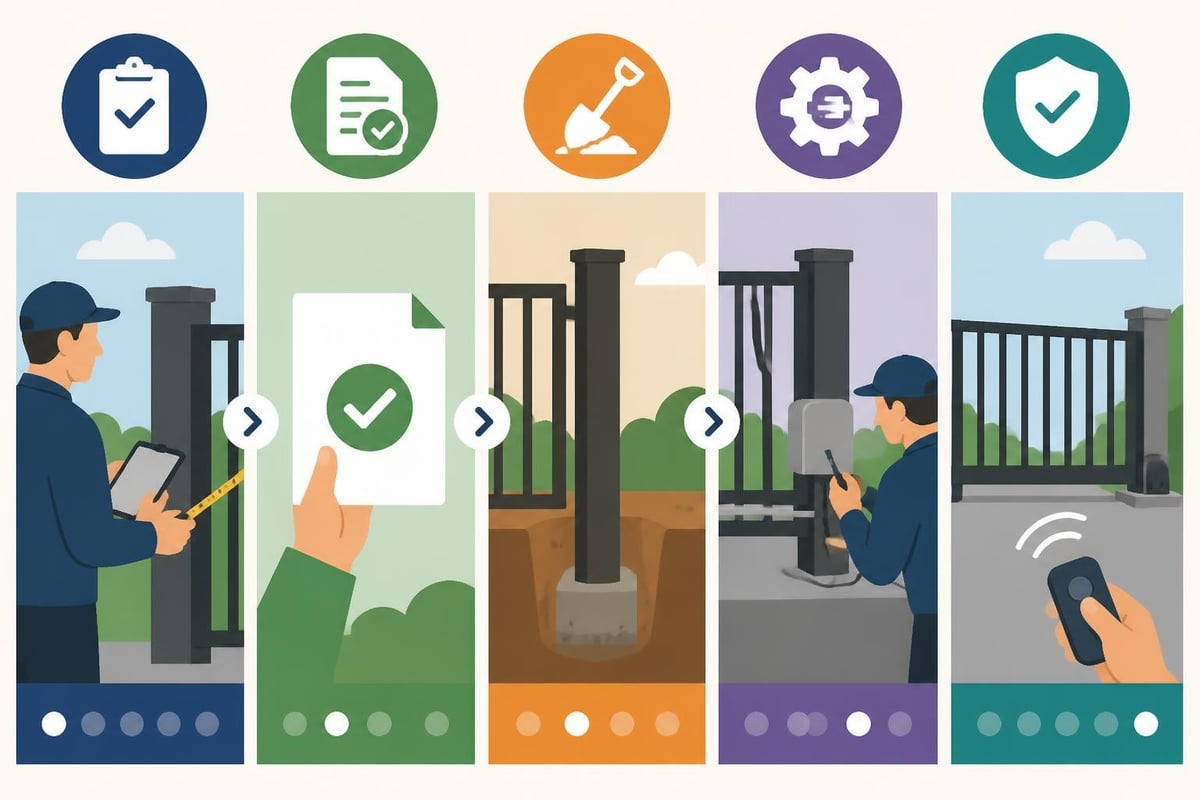
Phase 4: Gate and Operator Installation
With foundations cured and infrastructure complete, installers mount the gate panels and attach operators. This phase requires precision alignment ensuring smooth operation and preventing premature wear.
Swing gate operators mount to posts or dedicated columns, with careful attention to the gate's pivot point geometry. Sliding gate operators require precise alignment with the track to maintain consistent roller contact.
When searching for electric gate installation near me, verify contractors possess experience with your specific gate type. Electric gate repair specialists often provide installation services, bringing troubleshooting expertise that prevents common installation errors.
Phase 5: Control System Programming and Testing
Final installation stages involve connecting control boards, programming access devices, and calibrating safety sensors. Modern gate systems offer extensive customization options for opening speed, automatic closing timers, and sequential dual-gate operation.
Safety testing protocols include:
- Entrapment protection verification at multiple points
- Photo-eye alignment and sensitivity adjustment
- Emergency stop function testing
- Battery backup operation confirmation
- Force limitation compliance testing
Professional installers conduct multiple test cycles under various conditions, ensuring reliable operation in normal use, power failures, and emergency situations.
Cost Factors and Budget Considerations
Electric gate installation costs vary substantially based on gate type, size, features, and site conditions. Understanding these variables helps property owners budget appropriately and avoid unexpected expenses.
Material and Equipment Costs
Gate materials range from basic chain-link to custom-fabricated ornamental iron or wood. Material selection dramatically impacts total project costs, with premium gates potentially exceeding basic operator costs by several multiples.
Typical cost ranges for complete systems (2026):
- Basic single swing gate (8-12 feet): $3,500-$6,500
- Standard sliding gate (12-20 feet): $5,000-$9,000
- Premium dual swing gates: $8,000-$15,000
- Commercial-grade sliding gates: $10,000-$25,000+
These ranges include gates, operators, basic keypads, and standard installation on prepared sites. Custom fabrication, ornamental features, or complex access control systems increase costs significantly.
Installation Labor and Site Preparation
Labor costs depend on installation complexity, site accessibility, and regional wage rates. Challenging installations requiring extensive excavation, rock removal, or complex electrical runs add substantial labor expenses.
Properties lacking electrical service near gate locations require trenching and electrical service extensions, potentially adding $1,500-$4,000 to project costs. When researching electric gate installation near me, obtain detailed quotes itemizing all anticipated site work.
Access Control and Feature Upgrades
Basic installations include simple keypad or remote control access. Enhanced security features significantly expand system capabilities and costs.
| Feature | Typical Cost Addition | Benefit |
|---|---|---|
| Video intercom system | $800-$2,500 | Visual visitor verification |
| Smartphone app control | $300-$800 | Remote access management |
| Vehicle loop detectors | $400-$900 per loop | Automatic exit sensing |
| Telephone entry system | $600-$1,500 | Remote visitor authorization |
| Biometric readers | $1,200-$3,000 | Enhanced security access |
Integration with existing security systems, HOA access databases, or commercial access control platforms requires additional hardware and programming expertise.
Selecting Qualified Installation Contractors
Choosing the right contractor proves critical for long-term system performance and safety compliance. Not all gate installers possess equal expertise, particularly regarding complex operator programming and safety system integration.
Essential Contractor Qualifications
Professional electric gate installation requires specialized knowledge spanning multiple trades including metal fabrication, electrical work, and electronic controls programming. Verify contractors maintain proper licensing for all work aspects.
Minimum contractor qualifications:
- Valid state contractor's license (electrical or general)
- Comprehensive liability insurance coverage
- Workers' compensation insurance
- Gate operator manufacturer certifications
- UL 325 compliance training documentation
Request references from recent installations similar to your project scope. Visit completed installations when possible, observing gate operation quality and installation workmanship.
Evaluating Proposals and Contracts
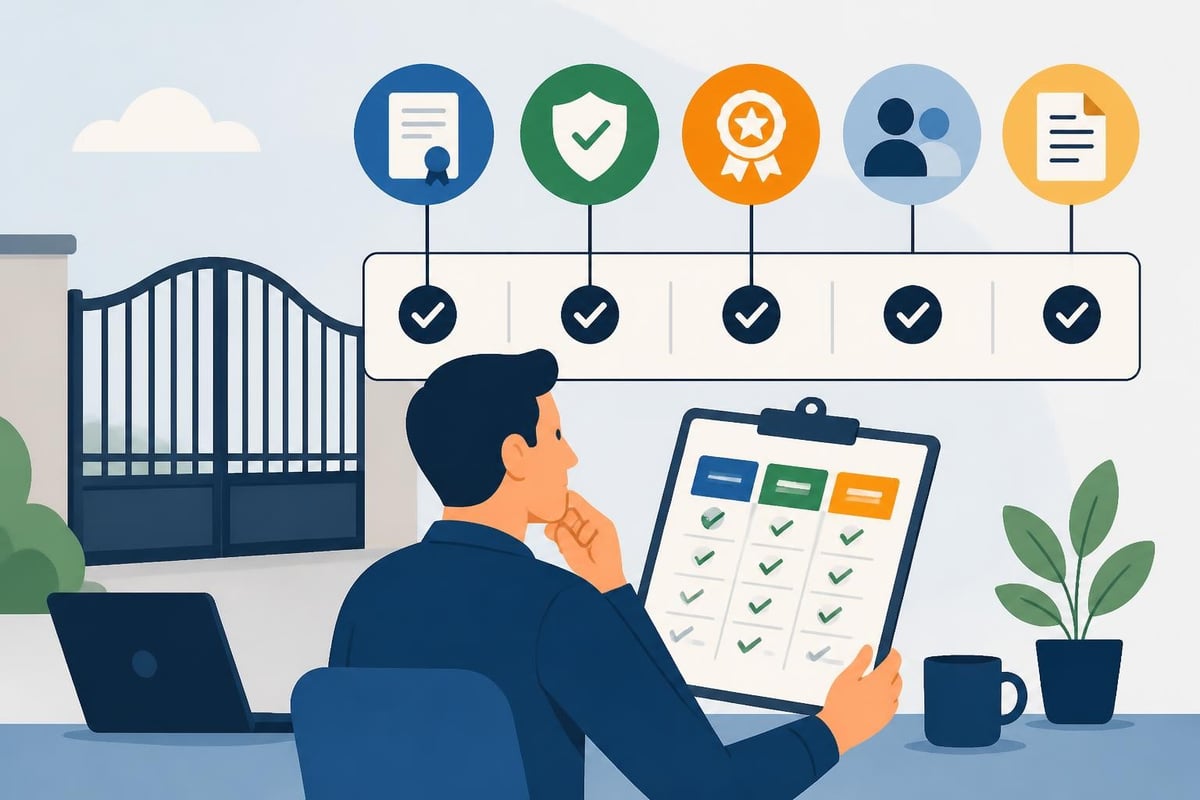
Detailed written proposals protect both parties by establishing clear expectations for scope, timeline, and costs. Comprehensive proposals specify exact equipment models, materials, and warranty terms.
Compare proposals based on complete system specifications rather than bottom-line prices alone. The lowest bid frequently indicates inferior components, inadequate safety features, or incomplete scope coverage.
Essential contract elements:
- Detailed equipment specifications with model numbers
- Complete scope of work including all site preparation
- Project timeline with key milestone dates
- Payment schedule tied to completion stages
- Warranty terms for equipment and installation labor
- Permit responsibility and fee allocation
Reputable contractors provide comprehensive warranties covering both parts and labor, typically 1-2 years for installation workmanship and manufacturer warranties for equipment components.
Maintenance Requirements and Long-Term Ownership
Proper maintenance extends system lifespan and prevents costly emergency repairs. Regular service schedules identify developing issues before they cause complete system failures.
Routine Maintenance Schedules
Electric gates require periodic inspection and adjustment to maintain optimal performance. Climate conditions, usage frequency, and environmental factors influence appropriate maintenance intervals.
Monthly owner inspections:
- Visual gate alignment and smooth operation check
- Safety sensor function testing
- Lubrication of moving components
- Remote control battery replacement as needed
Professional semi-annual service:
- Complete safety system testing and documentation
- Operator mounting and hardware inspection
- Control board diagnostics and settings verification
- Electrical connection tightness check
- Track or hinge wear assessment
Los Angeles property owners benefit from professional maintenance services that understand regional challenges including dust accumulation, salt air exposure near coastal areas, and temperature extremes affecting electronic components. Emergency gate repair services often provide preventive maintenance programs preventing unexpected failures.
Common Issues and Preventive Measures
Understanding typical failure modes helps owners recognize developing problems early. Many common issues result from neglected maintenance rather than component defects.
Gate misalignment represents the most frequent service call, typically caused by foundation settling, worn hinges, or loose mounting hardware. Regular inspection catches these issues before they damage operators through excessive loading.
Preventive maintenance priorities:
- Keep tracks clear of debris and vegetation
- Maintain proper gate balance and alignment
- Protect control electronics from weather exposure
- Test battery backup systems quarterly
- Update access codes periodically for security
Seasonal maintenance becomes particularly important in areas experiencing significant temperature variations. Cold weather affects hydraulic fluid viscosity, while extreme heat stresses electronic components and motor windings.
Integration with Modern Smart Home Systems
Contemporary electric gate installations increasingly incorporate smart home connectivity, allowing remote monitoring, control, and integration with comprehensive property security systems.
Connectivity Options and Protocols
Modern gate operators support multiple communication protocols enabling smartphone control, cloud-based access management, and integration with popular smart home platforms.
Common integration technologies:
- Wi-Fi enabled control boards
- Bluetooth proximity access
- Z-Wave or Zigbee home automation protocols
- Cloud-based access control platforms
- IP-based intercom integration
When planning electric gate installation near me, discuss connectivity requirements upfront. Retrofit additions of smart features typically cost more than initial installation integration.
Remote Access Management
Cloud-connected systems enable property owners to grant temporary access to visitors, service providers, or delivery personnel from anywhere. Access logs provide security through detailed entry/exit recording.
Advanced systems send real-time notifications for gate activations, allowing owners to monitor property access patterns and identify unusual activity. Video integration combines access control with visual verification, providing comprehensive security monitoring.
Compliance with Accessibility Standards
Properties subject to accessibility requirements must ensure gate systems accommodate disabled visitors and comply with ADA standards where applicable.
ADA Requirements for Automated Gates
Federal accessibility guidelines establish specific requirements for automated gates serving public accommodations or commercial properties. These standards address approach clearances, control heights, and operation requirements.
Accessible gate controls must mount between 15-48 inches above ground, positioned within reachable ranges for wheelchair users. Control activation force cannot exceed 5 pounds, and systems must allow adequate time for passage before automatic closure.
Pedestrian Access Integration
Many installations incorporate pedestrian gates alongside vehicular access, providing separate entry points for foot traffic. Pedestrian gates require similar safety features but operate under different force and speed specifications due to lighter construction and reduced entrapment risks.
Combined installations coordinate vehicular and pedestrian access through integrated control systems, maintaining security while providing appropriate access levels for different user types.
Future Trends in Electric Gate Technology
The electric gate industry continues evolving with advancing technology, offering enhanced security, convenience, and integration capabilities.
Artificial intelligence integration enables predictive maintenance through operational pattern analysis, identifying developing issues before failures occur. Machine learning algorithms optimize opening speeds and closing timers based on traffic patterns and weather conditions.
License plate recognition systems eliminate the need for access cards or codes, automatically identifying authorized vehicles and granting access. These systems maintain databases of approved plates while logging all entry attempts for security review.
Emerging technologies to watch:
- Facial recognition for pedestrian access
- Integration with vehicle-to-infrastructure (V2I) communication
- Solar-powered operators with advanced battery management
- Predictive maintenance through IoT sensor networks
- Blockchain-based access credential management
Environmental considerations drive development of more energy-efficient operators and sustainable materials for gate construction. Solar power integration with modern battery technology enables completely off-grid installations suitable for remote properties.
Professional electric gate installation transforms property security and convenience when executed properly with quality components and expert craftsmanship. Understanding system types, installation processes, and ongoing maintenance requirements ensures you make informed decisions protecting your investment for years to come. For Los Angeles property owners seeking reliable installation and ongoing support, Gates & Garage Door Express Inc. brings family-owned commitment to quality and same-day service availability for all your automated gate needs.