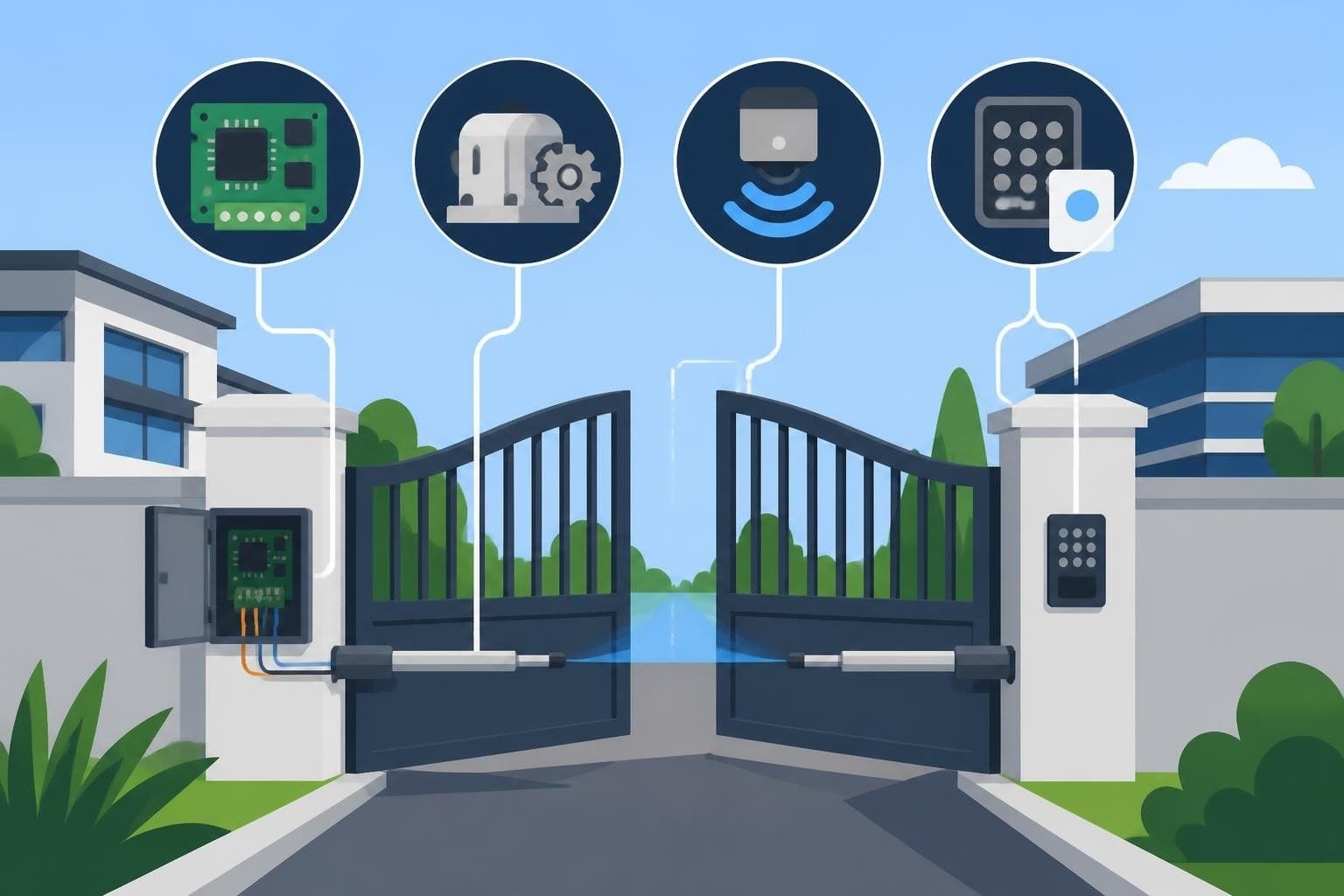

Automated access control systems have become essential for residential, commercial, and industrial properties seeking enhanced security and convenience. At the heart of these systems lies the sliding gate operator, a sophisticated electromechanical device that transforms manual gates into automated barriers capable of opening and closing with the press of a button or touch of a remote. Understanding how these operators function, the various types available, and proper maintenance requirements ensures property owners make informed decisions that balance security needs with long-term reliability and safety compliance.
Understanding Sliding Gate Operator Fundamentals
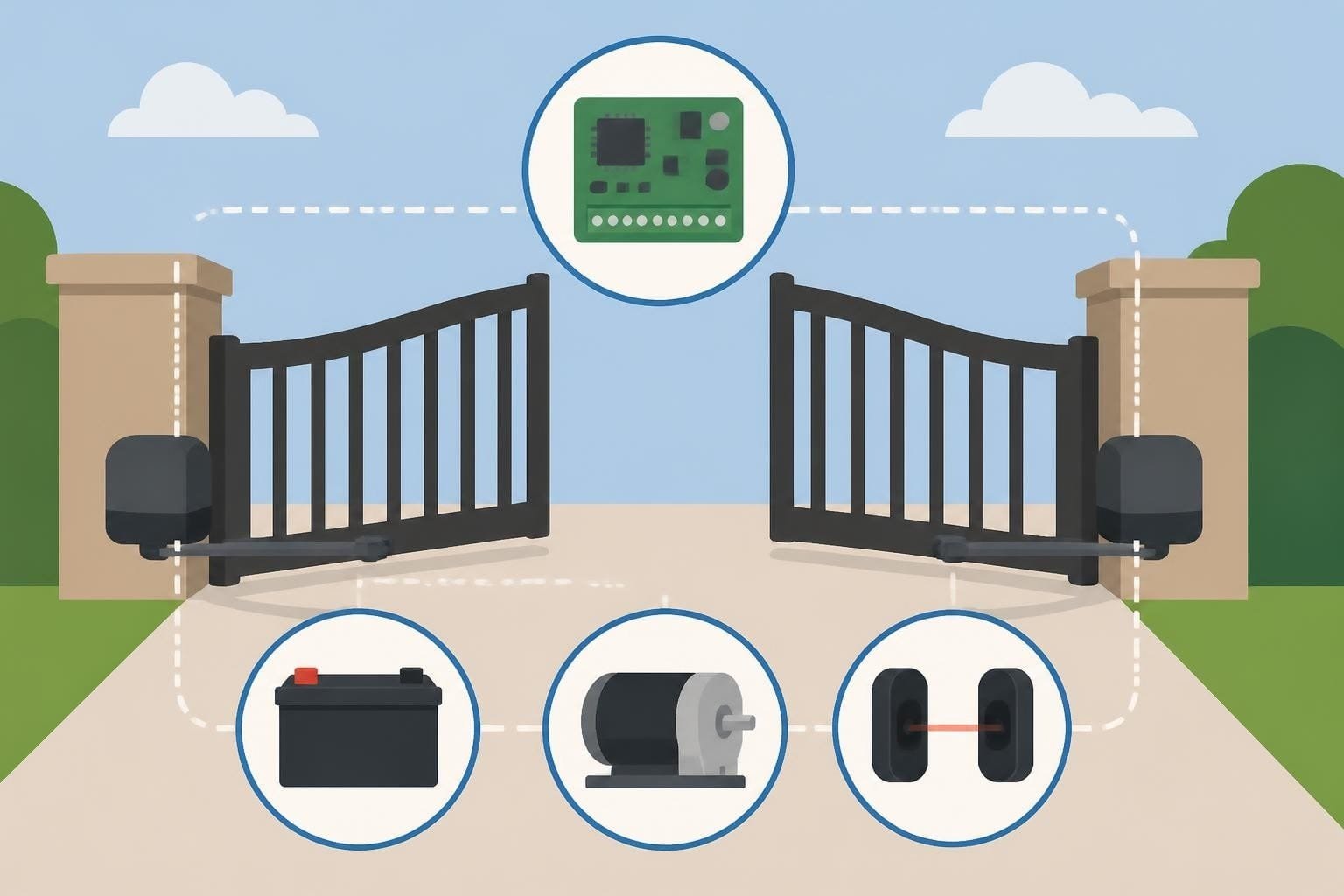
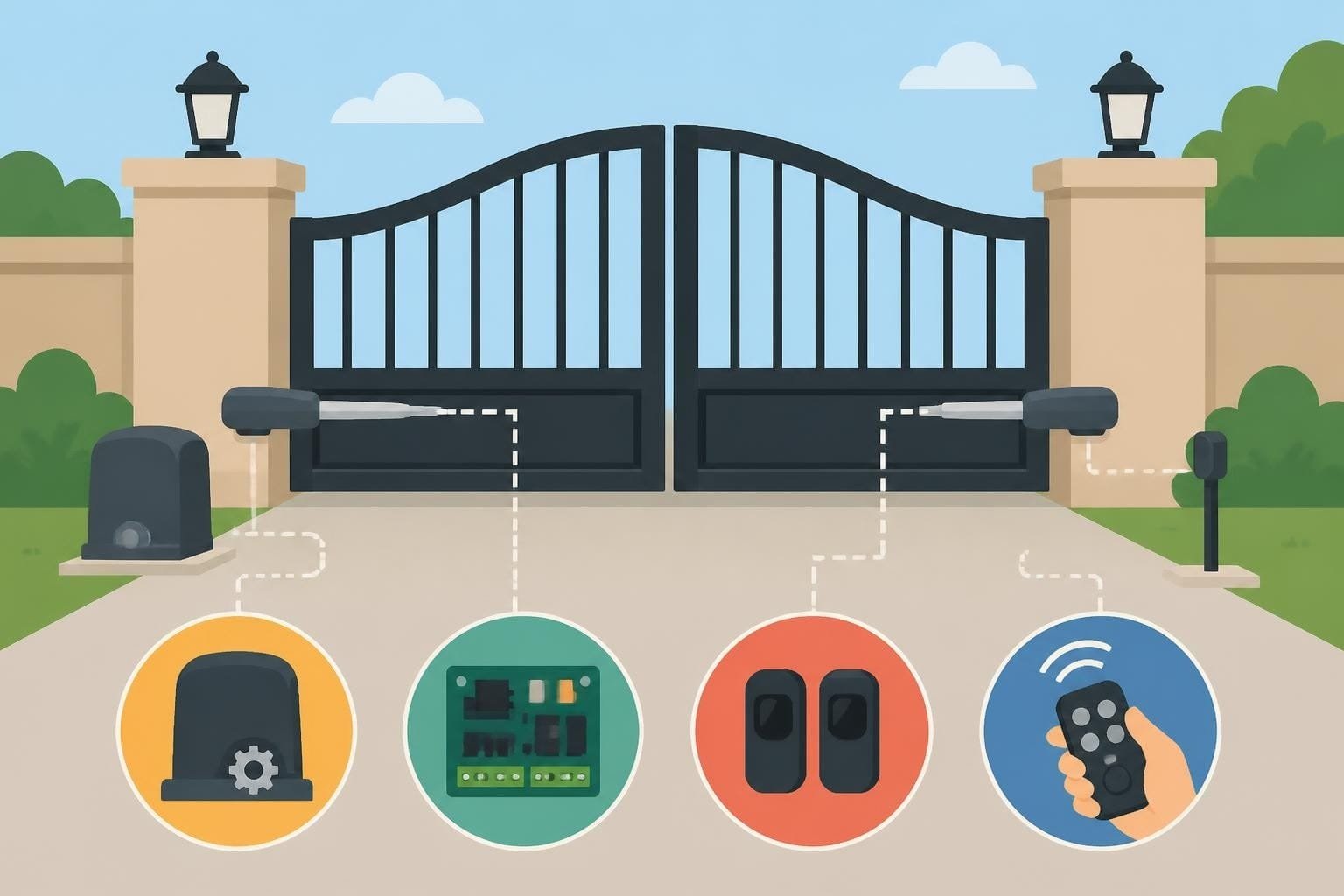
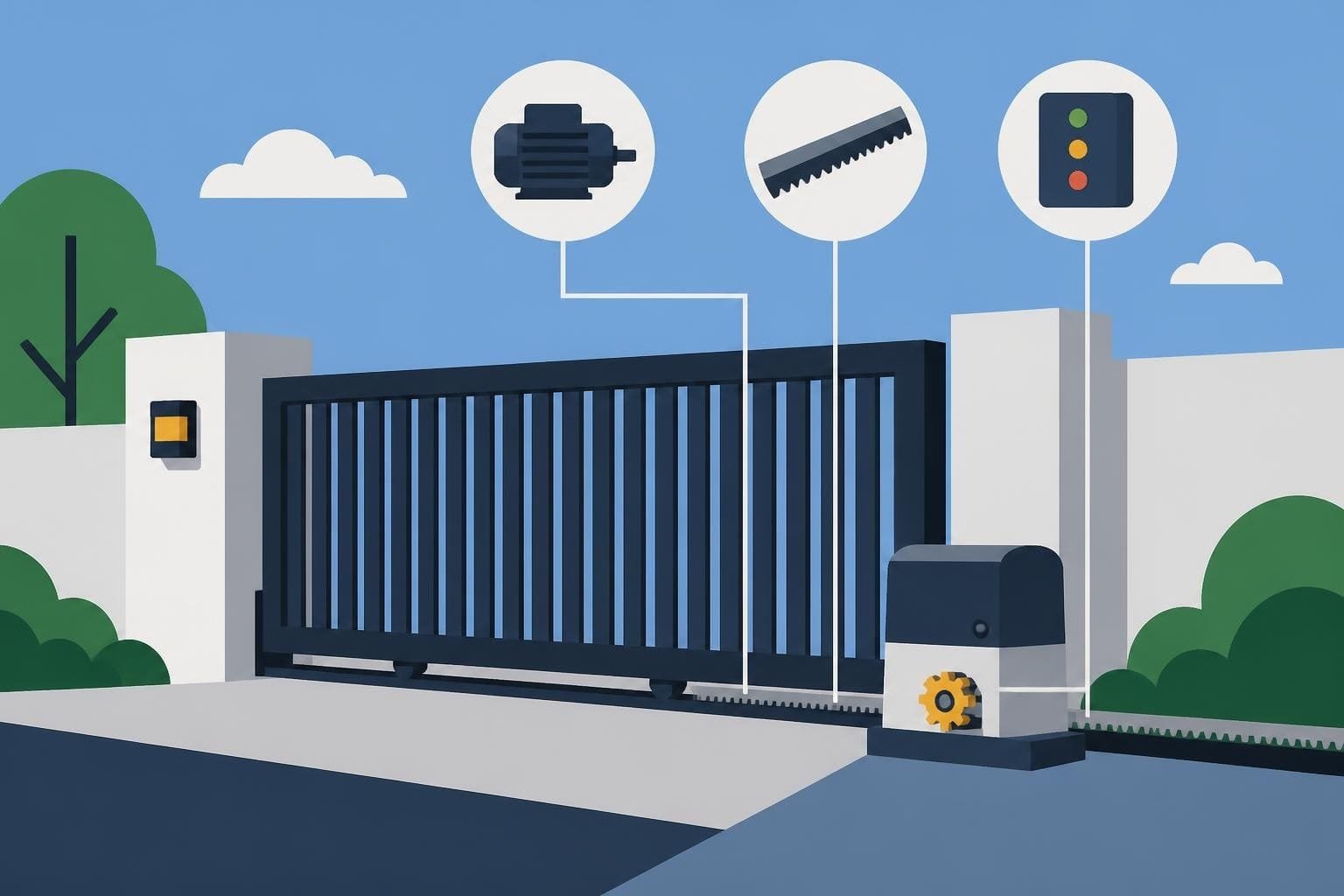
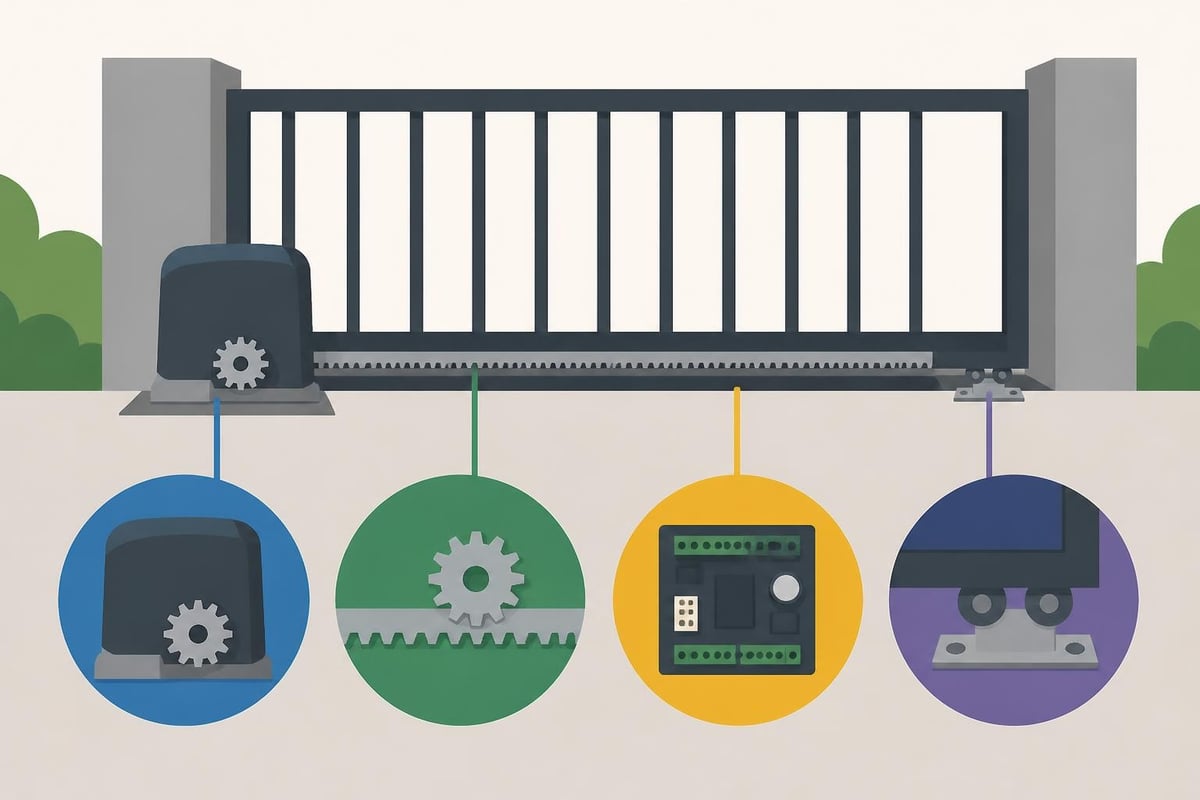
A sliding gate operator consists of a motor assembly, drive mechanism, control board, and safety features that work together to move gates horizontally along a track. The motor generates rotational force that transfers through gears or belts to a drive pinion, which engages with a rack mounted on the gate itself. This configuration allows the operator to push or pull gates weighing anywhere from a few hundred pounds to several thousand pounds, depending on the unit's specifications.
The control system manages gate movement through programmed logic that responds to input signals from remote transmitters, keypads, loop detectors, or push buttons. Modern operators incorporate microprocessor-based controllers that offer adjustable speed settings, soft-start and soft-stop features, and the ability to store multiple access codes or radio frequencies. These controllers also monitor system performance, detecting obstructions and reversing gate movement to prevent accidents or equipment damage.
Power requirements vary based on operator size and application. Most residential units operate on standard 115-volt household current, while commercial and industrial models typically require 230-volt or three-phase power to handle larger gates and higher duty cycles. Battery backup systems provide continued operation during power outages, an important consideration for properties requiring uninterrupted access control.
Types of Sliding Gate Operators and Applications
Rack and Pinion Systems
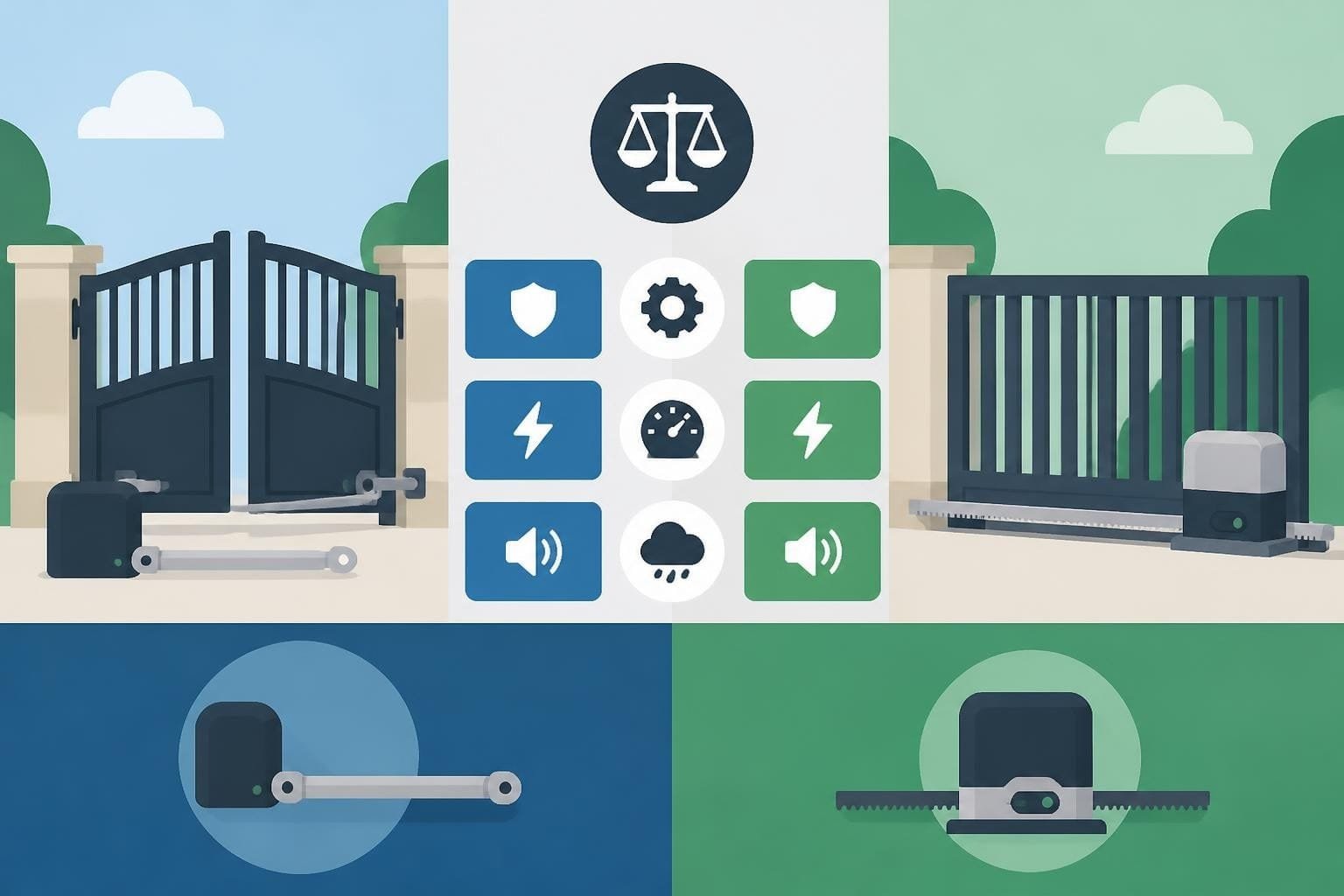
Rack and pinion operators represent the most common configuration for sliding gates. A toothed rack attaches to the bottom or side of the gate, and a matching pinion gear on the operator engages this rack to create linear motion. These systems offer excellent precision and reliability, with minimal slippage even on inclined driveways.
Key advantages of rack and pinion systems:
- Direct mechanical engagement ensures consistent performance
- Suitable for gates up to 6,000 pounds or more
- Minimal maintenance requirements compared to chain-drive alternatives
- Adaptable to various gate weights through gear ratio selection
Chain-Drive Operators
Chain-drive sliding gate operators use a continuous loop chain anchored at both ends of the gate run. The operator's drive sprocket engages the chain, pulling the gate open or closed. While less common than rack systems for new installations, chain-drive units offer advantages in specific scenarios.
| Feature | Rack and Pinion | Chain Drive |
|---|---|---|
| Weight Capacity | Up to 8,000+ lbs | Up to 3,000 lbs (typical) |
| Precision | High | Moderate |
| Installation Complexity | Moderate | Lower |
| Long-term Reliability | Excellent | Good with maintenance |
| Cost | Moderate to High | Lower to Moderate |
Cantilever Specialty Operators
For cantilever-style sliding gates that roll without ground track interference, specialized operators accommodate the unique balance and support requirements. These systems often incorporate adjustable mounting brackets and customized drive ratios to account for the gate's counterbalanced design, which shifts the center of gravity during operation.
Safety Standards and Compliance Requirements
Automated gate safety has evolved significantly over the past five decades. UL 325 safety standards have established comprehensive requirements for gate operators, mandating multiple layers of protection to prevent entrapment, crushing, and other hazards. Compliance with these standards protects both property owners and users while reducing liability exposure.
Modern sliding gate operators must incorporate primary entrapment protection through one or more approved methods:
- Contact sensors that reverse gate direction upon encountering resistance
- Photo-electric eyes creating invisible beams across the gate path
- Pressure-sensitive edge devices mounted on the leading edge of moving gates
- Force monitoring systems that measure motor current and stop operation when excessive resistance indicates obstruction
The ASTM F2200 standard provides additional requirements specific to automated vehicular gate construction, addressing structural integrity, installation practices, and testing procedures. Property owners should verify that any operator installation includes documentation demonstrating compliance with applicable standards.
Risk Assessment and Hazard Zones
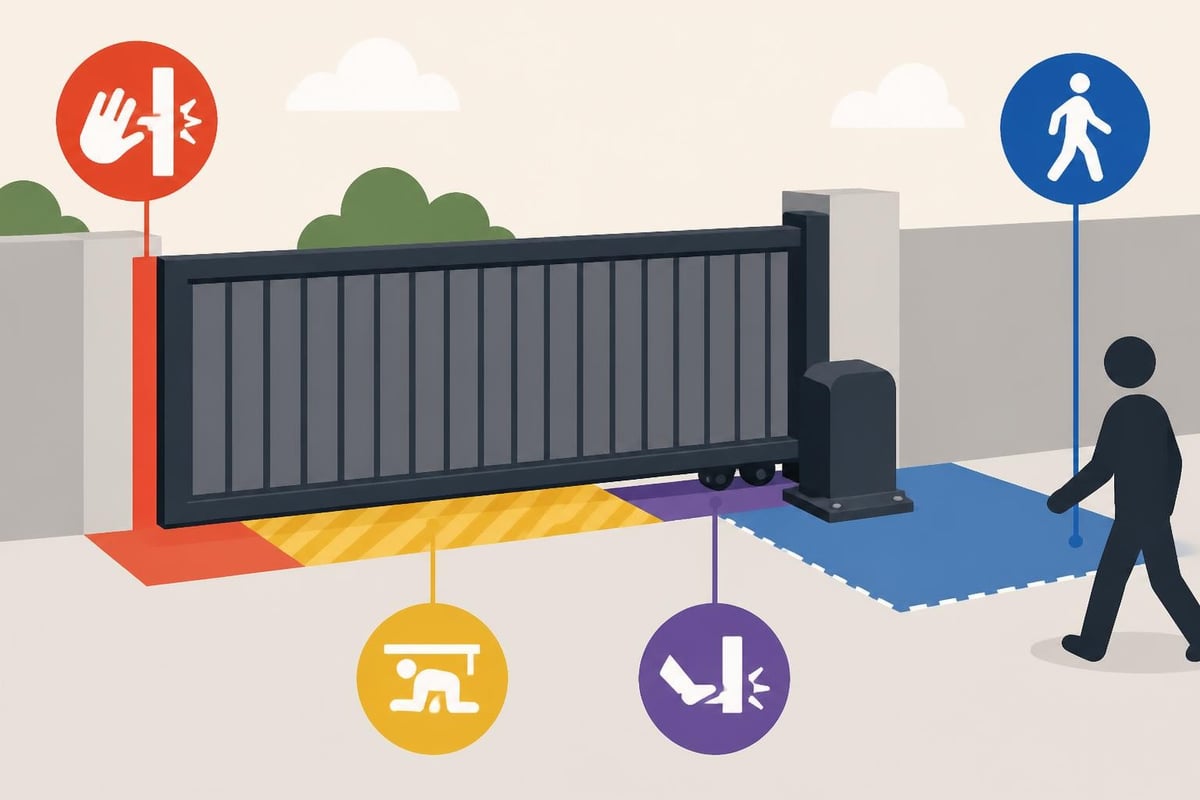
Professional installers conduct comprehensive risk assessments to identify potential pinch points, shear zones, and entrapment areas specific to each gate configuration. The ASTM F1184 standard outlines performance requirements for horizontal sliding gates that directly impact operator selection and safety device placement.
Common hazard zones requiring protection include:
- The closing edge where the gate meets the post or wall
- The area between gate and ground where draw-under hazards exist
- Spaces along the track where the moving gate could trap objects or limbs
- The interior face of the gate during opening cycles in tight spaces
Installation Considerations and Best Practices
Proper installation forms the foundation for reliable sliding gate operator performance. Site preparation begins with ensuring the gate track is level, straight, and properly anchored to a stable foundation. Even minor deviations in track alignment create resistance that strains the operator and accelerates wear on mechanical components.
Foundation requirements depend on soil conditions and operator specifications. Most manufacturers recommend a concrete pad at least six inches thick extending twelve inches beyond the operator footprint in all directions. In areas with freeze-thaw cycles or expansive soils, deeper footings prevent seasonal movement that could misalign critical components.
Electrical and Control Wiring
Electrical installation must comply with the National Electrical Code and local amendments, which often mandate specific conduit types, burial depths, and circuit protection. Control wiring between the operator, safety devices, and access control equipment requires shielded cables to minimize electromagnetic interference that could cause erratic operation.
Professional installers typically route power and control cables through separate conduits, maintaining at least twelve inches of separation where parallel runs cannot be avoided. This practice reduces the risk of control signal corruption from alternating current fields generated by power conductors.
Operator Sizing and Performance Specifications
Selecting an appropriately sized sliding gate operator requires careful evaluation of multiple factors beyond simple gate weight. Duty cycle ratings indicate how frequently the operator can cycle without overheating, typically expressed as operations per hour or percentage of continuous operation time.
Critical sizing factors:
- Total gate weight including frame, panels, and hardware
- Gate width and projected wind load in the fully open position
- Expected daily cycle count and peak usage periods
- Environmental conditions including temperature extremes and weather exposure
- Power availability and voltage stability at the installation site
Residential applications typically require operators rated for 20-30 cycles per hour, sufficient for single-family use patterns. Commercial properties with multiple tenants or delivery traffic may need operators capable of 50-100 cycles per hour. Industrial facilities often specify continuous-duty operators designed for unlimited cycling within thermal limits.
| Application Type | Typical Cycles/Hour | Recommended Duty Rating | Average Gate Weight |
|---|---|---|---|
| Single Residence | 10-20 | Standard/Residential | 400-800 lbs |
| Multi-Family | 30-50 | Medium/Commercial | 600-1,200 lbs |
| Commercial | 50-100 | Heavy/Industrial | 1,000-2,500 lbs |
| Industrial/Warehouse | 100+ | Continuous Duty | 2,000-6,000 lbs |
Maintenance Requirements and Service Intervals
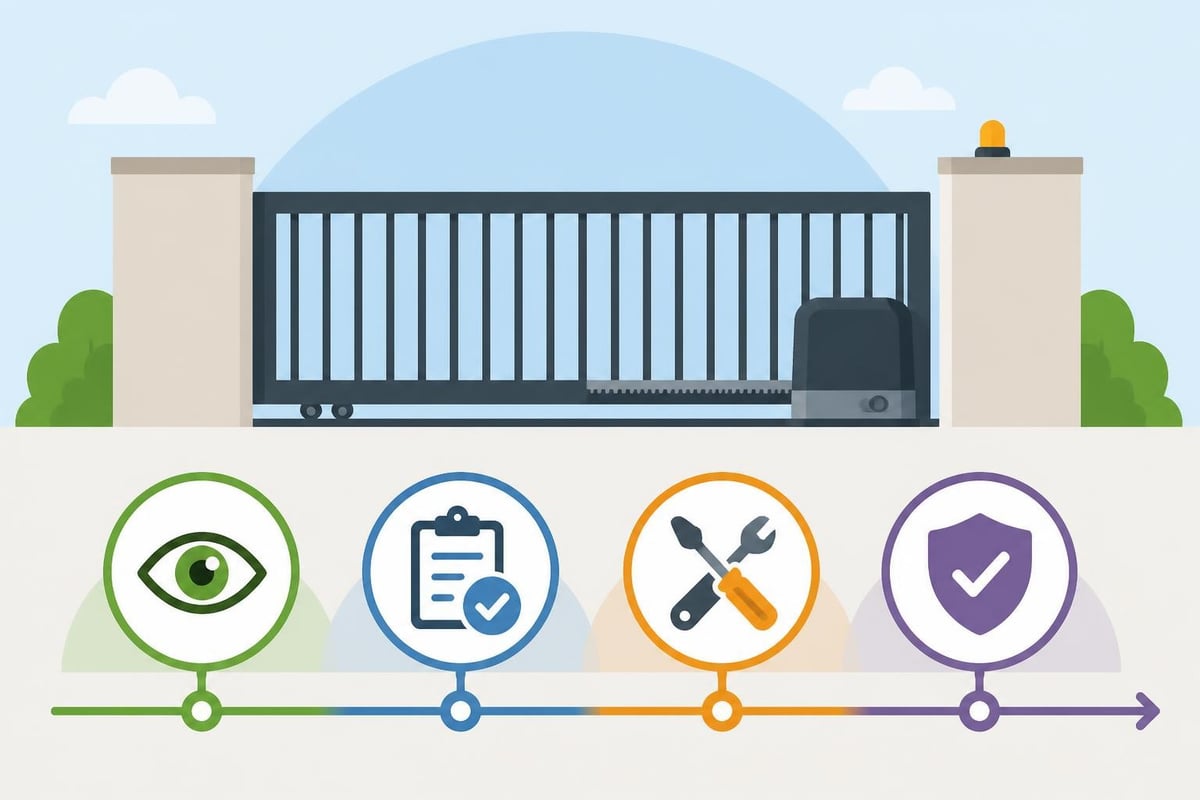
Regular maintenance extends sliding gate operator lifespan and prevents unexpected failures that compromise security or create safety hazards. Professional service typically follows manufacturer-specified intervals, though harsh environments or high-duty applications may require more frequent attention.
Monthly Owner-Performed Checks
Property owners can perform basic inspections that identify developing issues before they cause complete failures:
- Visual examination of gate rollers for wear or debris accumulation
- Testing safety devices including photo eyes and contact sensors
- Listening for unusual noises during operation cycles
- Verifying proper gate alignment and smooth movement along the entire travel path
- Checking battery backup systems where installed
Professional Service Tasks
Trained technicians perform more comprehensive maintenance during scheduled service visits. These procedures address components and adjustments beyond typical owner capabilities. For properties requiring expert attention to maintain automated gate systems, electric gate repair services provide professional diagnostics and repairs that ensure continued reliable operation.
Professional maintenance includes:
- Lubrication of all moving parts including gears, bearings, and track components
- Electrical testing of control boards, safety circuits, and power connections
- Mechanical adjustment of chain tension, rack engagement, and limit switches
- Safety device calibration ensuring proper response to obstructions
- Performance verification through complete cycle testing under load
Common Issues and Troubleshooting Strategies
Understanding typical sliding gate operator problems helps property owners distinguish between minor issues requiring simple adjustments and significant failures demanding professional intervention. Diagnostic approaches follow systematic processes that isolate problems to specific subsystems.
Intermittent Operation Problems
Gates that function inconsistently often suffer from electrical issues rather than mechanical failures. Loose connections at terminal blocks create intermittent contact that disrupts control signals or power delivery. Corroded contacts in outdoor junction boxes similarly interrupt current flow, particularly during temperature changes that cause expansion and contraction.
Slow or Sluggish Movement
When gates move more slowly than normal or struggle during operation, several factors may contribute. Track obstructions including debris, ice, or accumulated dirt create resistance that forces the operator to work harder. Worn bearings in gate rollers generate excessive friction that similarly impedes smooth motion.
Drive mechanism wear represents another common cause of sluggish performance. Rack teeth that have worn down no longer mesh properly with the pinion gear, allowing slippage that reduces efficiency. Chain-drive systems experience similar issues when chains stretch beyond adjustment limits or sprockets develop worn teeth.
Regulatory Compliance and Workplace Safety
Commercial and industrial properties face additional regulatory requirements beyond basic safety standards. Cal/OSHA regulations address workplace safety concerns specific to automated gates, mandating risk assessments and protective measures that prevent employee injuries.
Facilities using sliding gates as part of industrial processes must implement comprehensive safety protocols:
- Designated pedestrian pathways separated from gate operation zones
- Warning signage alerting personnel to automated equipment hazards
- Lock-out/tag-out procedures for maintenance activities
- Training programs ensuring employees understand safe operation practices
- Regular safety audits documenting compliance and identifying improvement opportunities
The UK Health & Safety Executive guidance provides valuable insights into safety testing methods and risk assessment frameworks, even for U.S. installations. International standards often exceed domestic minimum requirements, offering additional protection layers that reduce liability exposure.
Advanced Features and Smart Integration
Contemporary sliding gate operators offer sophisticated features that enhance security, convenience, and system monitoring capabilities. Smartphone connectivity allows property owners to control gates remotely, receive operation notifications, and review access logs showing entry and exit times.
Integration with property management systems enables centralized control of multiple access points. Commercial properties can coordinate gate operation with video surveillance, visitor management, and tenant access control platforms, creating comprehensive security ecosystems that track and document all property access.
Popular advanced features include:
- Cloud-based monitoring with real-time status updates and alerts
- Automatic scheduling that restricts access during specific hours
- Integration with license plate recognition systems for automated entry
- Diagnostic reporting that predicts maintenance needs before failures occur
- Multi-level access control supporting different user privileges
Environmental Considerations and Weather Protection
Sliding gate operators face constant exposure to environmental conditions that challenge electrical and mechanical components. Manufacturers rate equipment for specific temperature ranges and environmental classifications, guiding selection for harsh climate installations.
Coastal installations require operators constructed with corrosion-resistant materials and sealed electrical enclosures that prevent salt air infiltration. Desert environments demand enhanced dust protection and cooling systems that manage extreme temperature swings. Properties in northern climates benefit from heated operator housings that prevent freeze-related failures and maintain lubricant effectiveness in sub-zero conditions.
The Gate Safe installer guidance addresses environmental protection strategies that extend equipment lifespan while maintaining safety compliance. Proper site selection, drainage management, and protective covers all contribute to reliable long-term performance.
Snow and ice present particular challenges for sliding gate operation. Accumulation along tracks prevents gate movement, while ice formation can damage safety devices or create hazardous conditions. Heated track systems, covered operator installations, and snow sensor controls help mitigate winter weather impacts.
Future Trends in Gate Automation Technology
Emerging technologies continue advancing sliding gate operator capabilities and efficiency. Brushless DC motors deliver higher torque with lower power consumption while eliminating carbon brushes that require periodic replacement. These motors also operate more quietly, an important consideration for residential applications where noise complaints arise from traditional AC induction motors.
Artificial intelligence integration enables predictive maintenance systems that analyze operation patterns and component performance to forecast failures before they occur. These systems alert property managers to developing issues, allowing scheduled repairs during convenient times rather than emergency responses to unexpected breakdowns.
Solar power integration reduces operating costs while providing backup power that maintains operation during grid outages. Advanced solar charging systems incorporate maximum power point tracking and intelligent battery management that optimize energy harvest and storage, particularly valuable for remote installations without convenient electrical service.
Selecting and maintaining the right sliding gate operator ensures reliable automated access control that enhances property security while meeting safety standards and compliance requirements. Whether you need expert installation guidance, professional maintenance, or emergency repairs to restore automated gate functionality, Gates & Garage Door Express Inc. delivers the specialized expertise and prompt service Los Angeles property owners depend on. Contact our family-owned team today for same-day service that keeps your automated gates operating safely and efficiently.