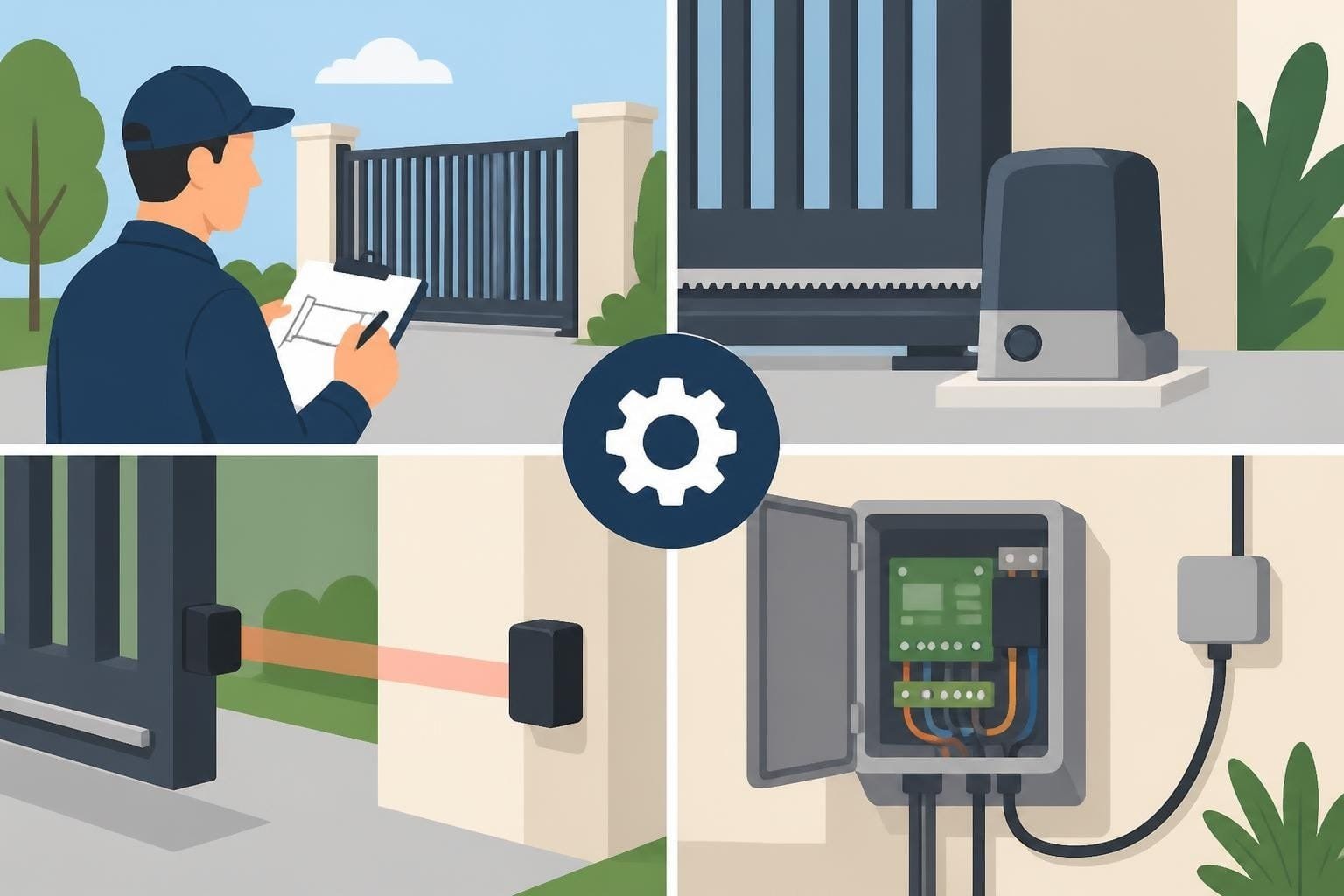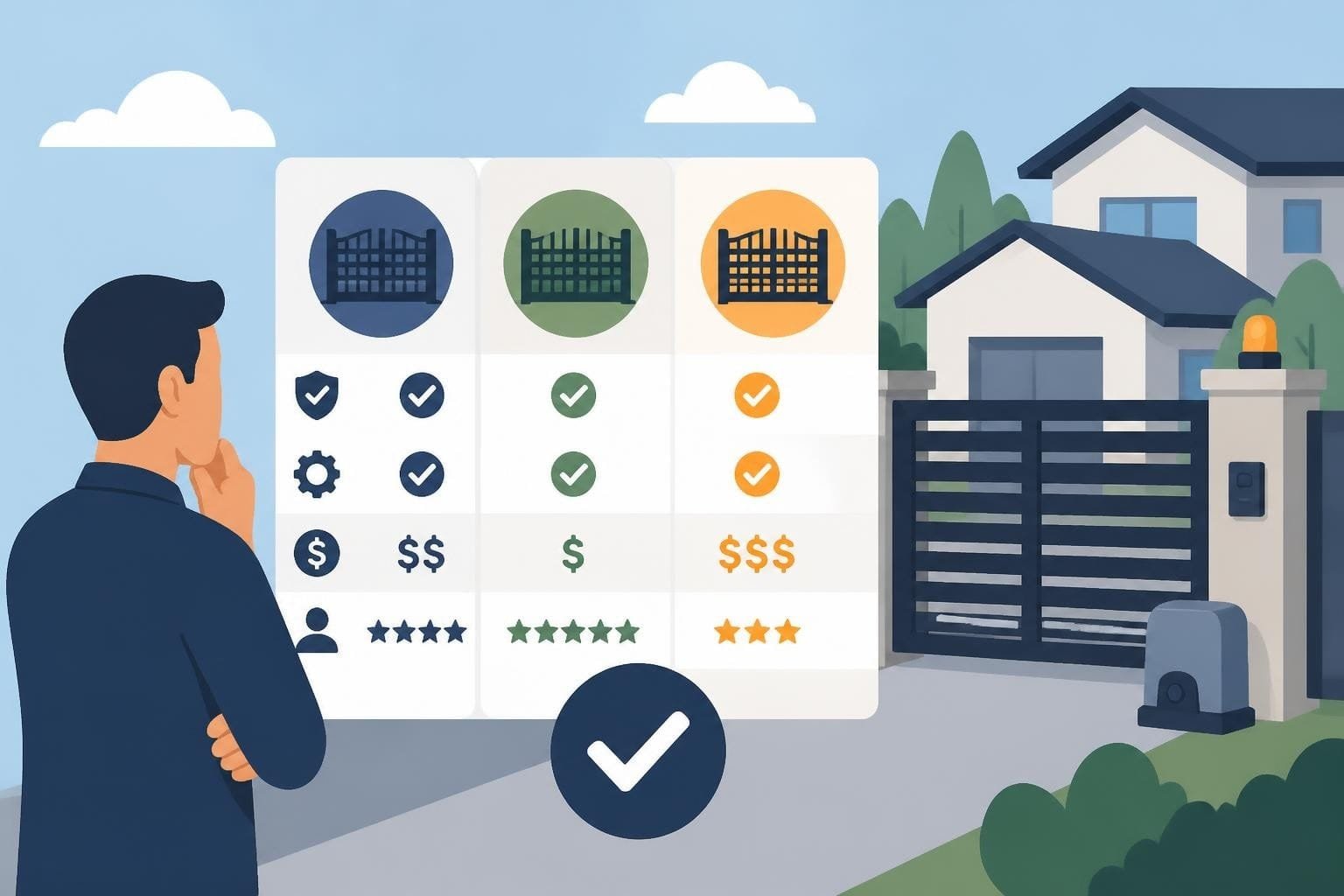
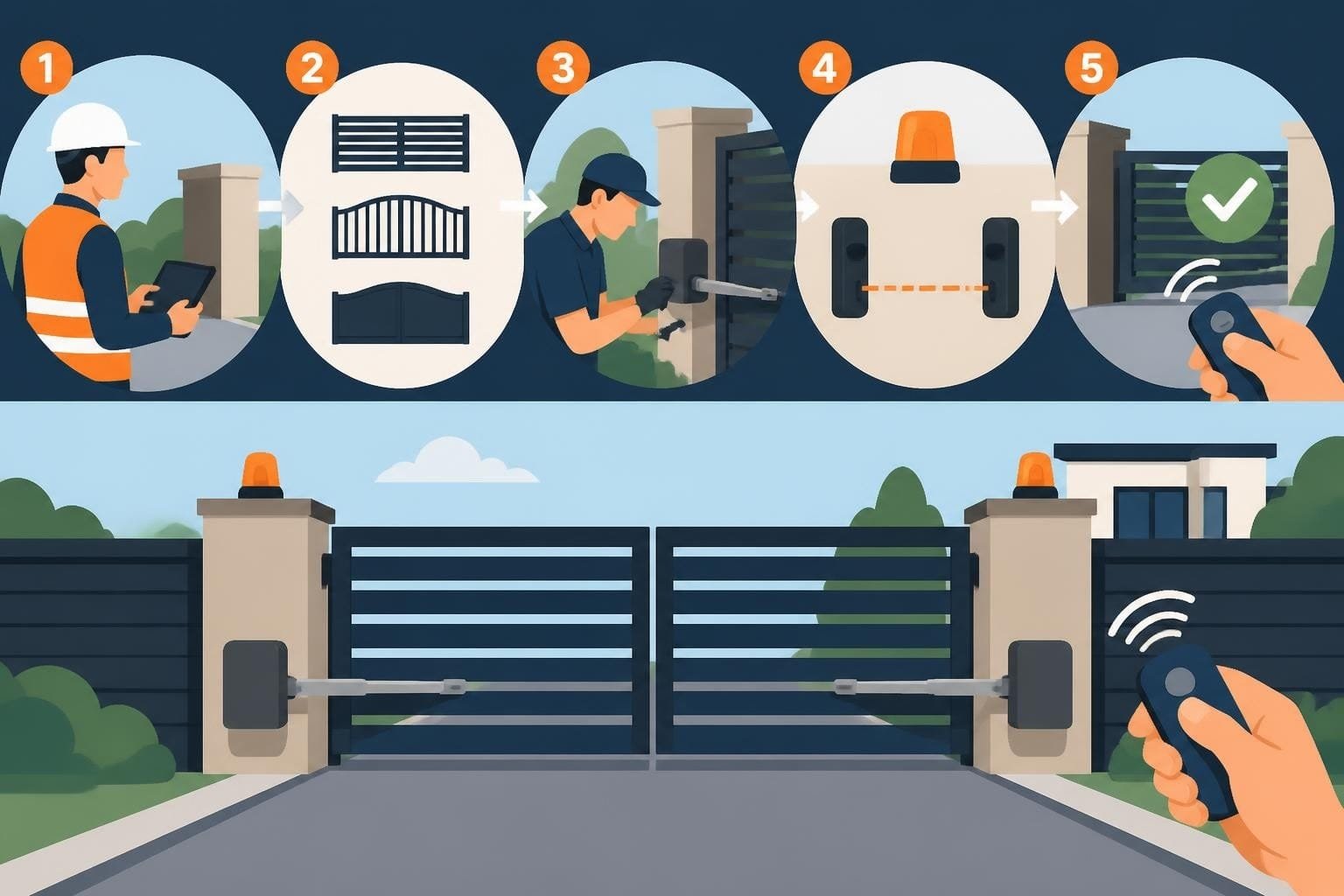

Property security and convenience have never been more important for homeowners and businesses in Los Angeles. Automatic gates provide both, but their successful operation depends entirely on proper installation by qualified professionals. Whether you're securing a residential driveway or a commercial facility, understanding what skilled auto gate installers bring to the table helps you make informed decisions that protect your investment and ensure long-term reliability. This comprehensive guide explores the critical role these specialists play in modern property access control.
What Auto Gate Installers Actually Do
Auto gate installers are specialized technicians who handle far more than simply mounting hardware. Their expertise encompasses site evaluation, electrical integration, safety compliance, and long-term functionality planning.
These professionals begin every project with a thorough site assessment. They examine property grading, measure gate openings, evaluate power availability, and identify potential obstacles that could affect installation or operation. This preliminary work prevents costly mistakes and ensures your automatic gate system functions reliably from day one.
Core Installation Responsibilities
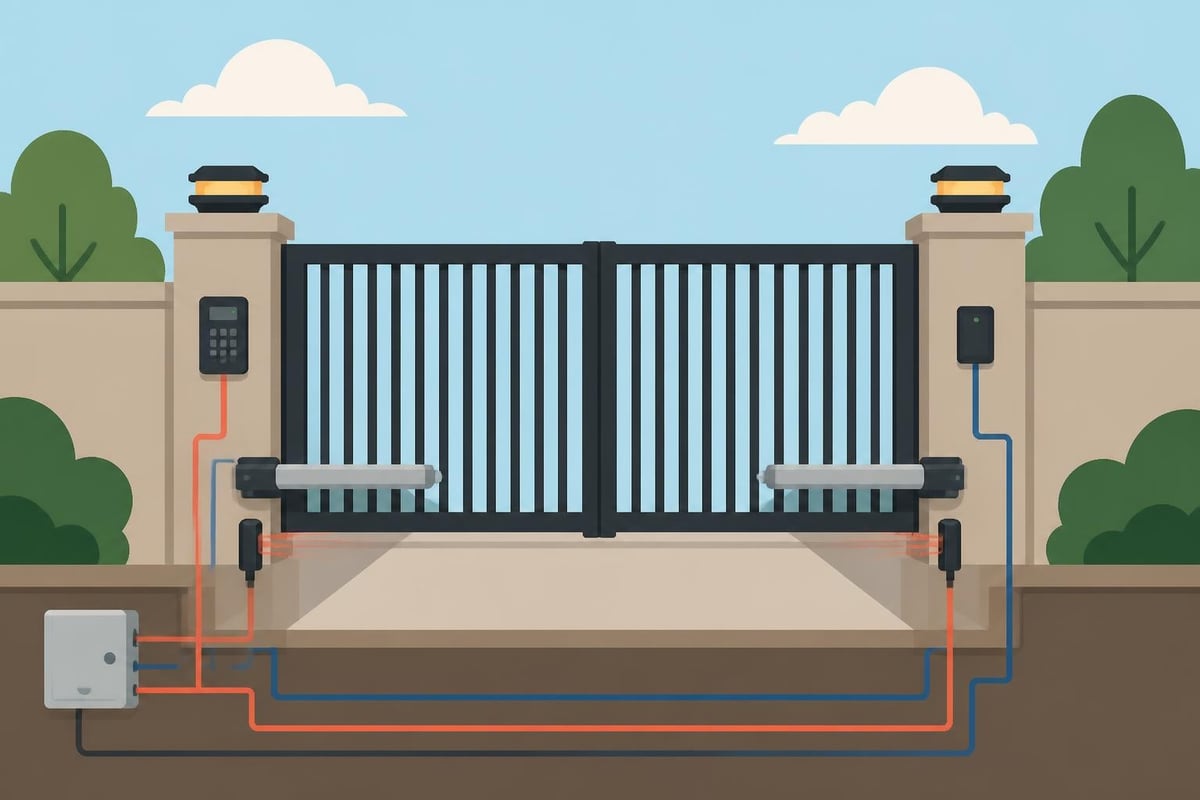
The installation process involves multiple technical disciplines that require specialized knowledge:
- Structural mounting of gate posts, tracks, and support infrastructure
- Electrical wiring for operators, safety devices, and access controls
- Operator configuration and programming for optimal performance
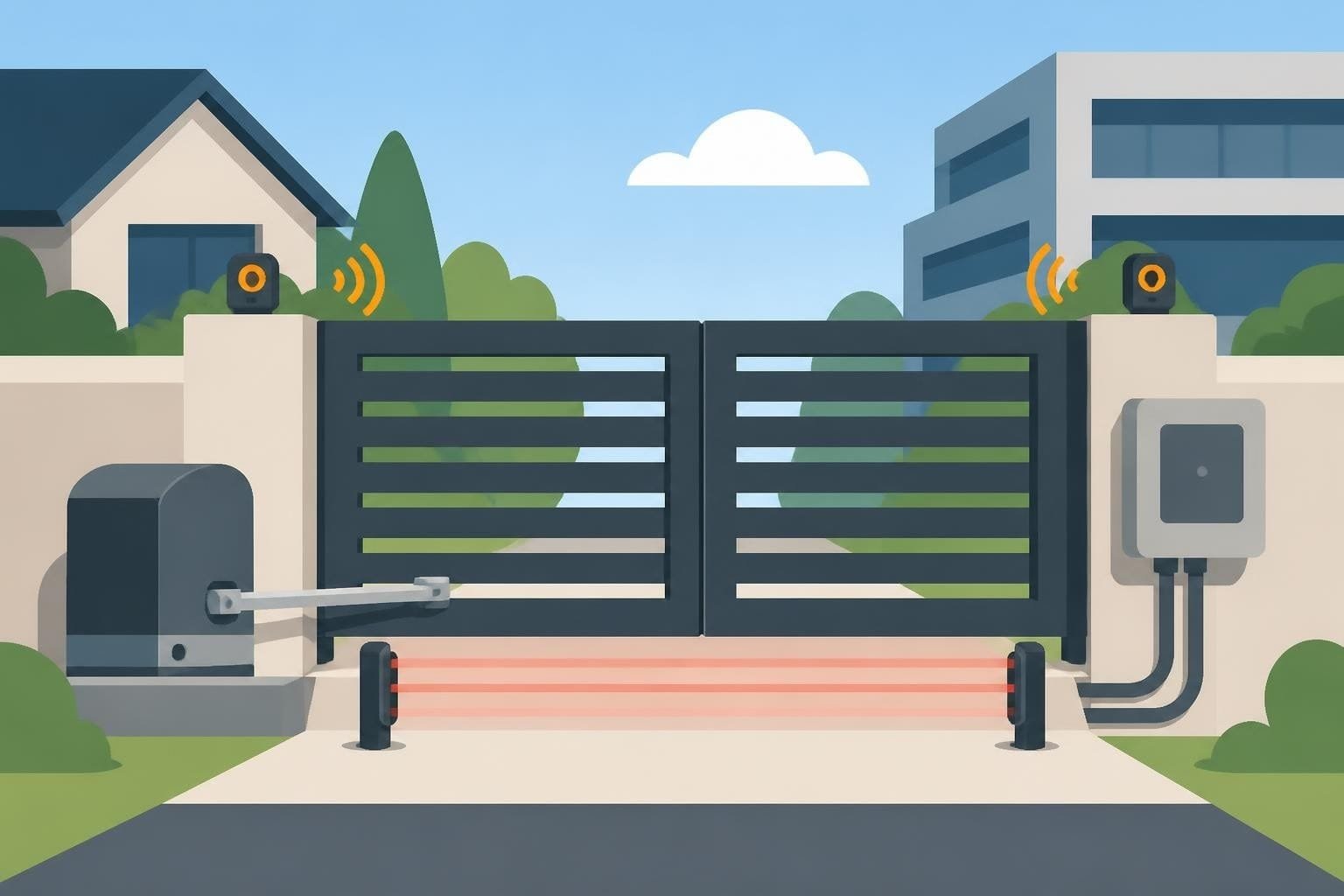
- Safety system integration including photo-eyes, edge sensors, and emergency releases
- Access control installation such as keypads, card readers, and remote receivers
Beyond physical installation, experienced installers must understand local building codes and safety standards. The UL 325 safety standard governs automatic gate operators in the United States and Canada, establishing critical requirements for entrapment protection and force limitation that every professional installer must follow.
Essential Qualifications for Professional Installers
Not all contractors possess the specialized skills required for automatic gate installation. Identifying qualified auto gate installers requires understanding the certifications, experience, and technical capabilities that separate professionals from amateurs.
Licensing and Insurance Requirements
California law requires contractors performing gate installation work exceeding $500 in labor and materials to hold a valid contractor's license. Specifically, gate installers should possess either a C-61/D-28 classification (Limited Specialty) or work under a licensed general contractor.
Proper insurance coverage protects both installer and property owner. Verify that any installer carries:
- General liability insurance (minimum $1 million recommended)
- Workers' compensation coverage
- Bonding appropriate to project scope
- Professional errors and omissions coverage
| Qualification Type | What to Verify | Why It Matters |
|---|---|---|
| Contractor License | Active C-61/D-28 or General B license | Legal requirement; demonstrates minimum competency |
| Liability Insurance | $1M+ current policy | Protects your property from installation damage |
| Workers' Comp | Active policy covering all employees | Shields you from workplace injury liability |
| Manufacturer Certification | Training from major gate operator brands | Ensures knowledge of specific systems being installed |
Technical Expertise and Experience
The best installers combine formal training with hands-on experience across multiple gate types and operator brands. Ask potential installers about their familiarity with swing gates, slide gates, overhead gates, and barrier arms, as each requires different installation approaches.
Membership in professional organizations like the Door & Access Systems Manufacturers Association (DASMA) indicates commitment to industry standards and ongoing education. These affiliations provide installers with technical resources, safety updates, and best-practice guidelines that directly benefit your installation.
Choosing the Right Gate System for Your Property
Professional auto gate installers serve as consultants during the selection process, helping you match gate systems to your specific needs, budget, and site conditions.
Gate Type Considerations
Different properties require different gate configurations. Residential driveways typically accommodate swing or cantilever slide gates, while commercial properties may need heavy-duty slide gates or vertical lift barriers.
Swing gates require adequate clearance arc and work best on relatively level terrain. They offer traditional aesthetics and generally cost less to install than slide gates. However, they need sufficient space to open inward or outward, which limits their suitability for properties with steep driveways or limited setback.
Slide gates save space and handle slopes more effectively. They're ideal for wider openings and high-traffic applications. The trade-off includes higher installation costs due to track requirements and more complex foundation work.
When considering which type of gate suits your needs, experienced installers can provide guidance based on your property's unique characteristics. For those still deciding, resources like what type of electric gate should I buy offer additional decision-making support.
Operator Selection and Features
Modern gate operators offer varying levels of sophistication and power. Auto gate installers help match operator capacity to gate weight, usage frequency, and desired features.
- Residential-grade operators handle typical daily cycles for single-family homes
- Commercial-grade operators withstand high-frequency use in multi-tenant or business settings
- Solar-powered options eliminate trenching for distant power sources
- Battery backup systems ensure operation during power outages
- Smart connectivity enables smartphone control and activity monitoring
The operator's power and speed must match your gate's weight and desired cycle time. Undersized operators wear out quickly, while oversized units waste energy and increase costs unnecessarily.
The Professional Installation Process
Understanding what happens during installation helps you prepare your property and set realistic expectations. Quality auto gate installers follow systematic processes that ensure thorough, compliant installations.
Pre-Installation Planning
Before any physical work begins, installers develop detailed installation plans. This phase includes:
- Permit acquisition for jurisdictions requiring approval
- Utility location to prevent damage to underground services
- Material procurement of gate components, operators, and accessories
- Site preparation scheduling coordinated with property access needs
- Safety planning including work zone protection and utility shutoff procedures
Proper planning prevents delays and ensures installers arrive with all necessary components. According to OSHA machine-guarding requirements, workplace safety considerations apply to commercial gate installations, requiring specific protective measures during construction.
Installation Day Procedures
Professional installations typically span one to three days depending on system complexity and site conditions.
Day one usually involves foundation work and structural mounting. Installers excavate for posts or track footings, install structural elements, and allow concrete to cure. They'll mark utility lines, protect landscaping, and establish safe work perimeters.
Day two focuses on mechanical and electrical integration. Installers mount operators, run electrical conduit, install safety devices, and connect access controls. They ensure proper alignment, tension track chains or wheels, and test basic mechanical function.
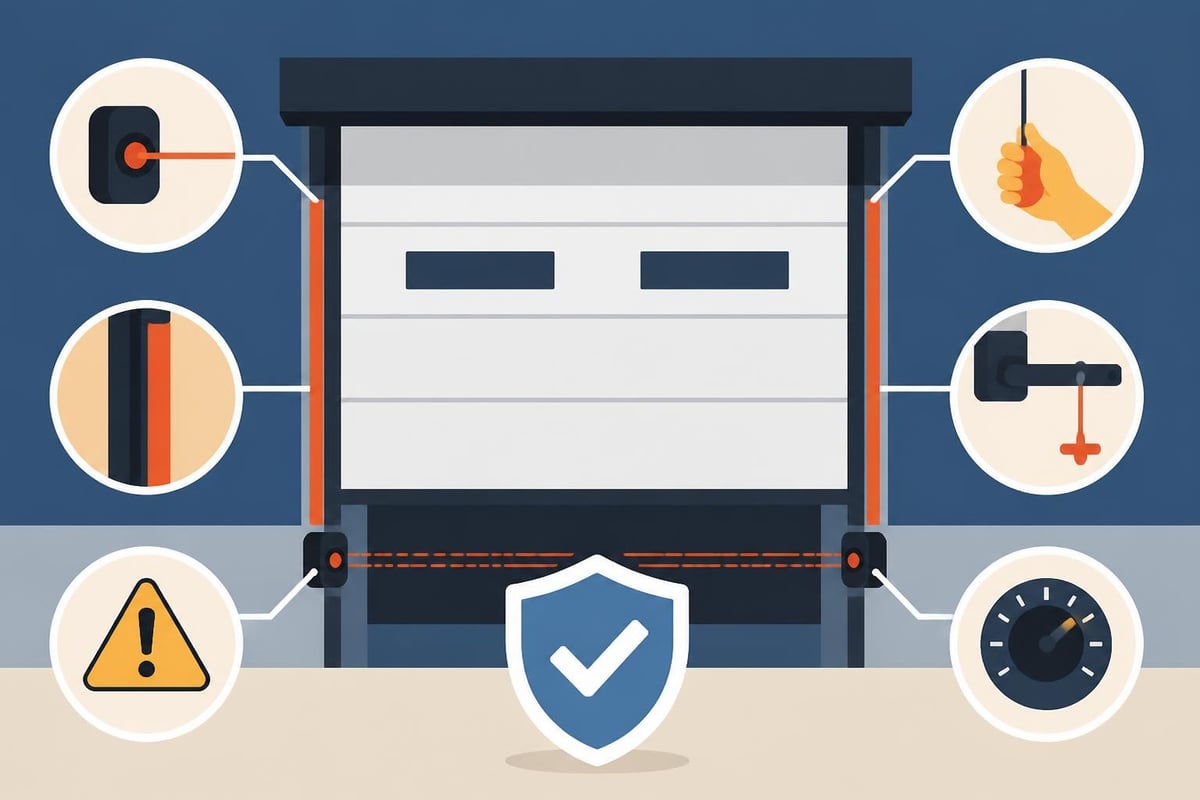
Final day includes programming, testing, and customer training. Installers adjust force settings, configure safety reversing features, program access codes, and conduct extensive operational tests. They verify compliance with safety standards and demonstrate proper use to property owners.
| Installation Phase | Typical Duration | Key Activities |
|---|---|---|
| Site Prep & Foundation | 1 day | Excavation, post setting, concrete work |
| Assembly & Mounting | 1 day | Gate hanging, track installation, operator mounting |
| Electrical & Programming | 0.5-1 day | Wiring, safety devices, access controls |
| Testing & Training | 0.5 day | Adjustment, compliance verification, owner instruction |
Safety Standards and Compliance
Safety represents the most critical aspect of automatic gate installation. Auto gate installers must implement multiple protective measures to prevent entrapment injuries and ensure code compliance.
Mandatory Safety Features
Modern installations require several safety systems working in concert. UL 325 standards specify detailed requirements for these protective devices based on gate type and application.
Entrapment protection prevents injury when gates contact people or vehicles. This includes monitored photo-eyes that reverse gates when beams break, pressure-sensitive edges that trigger immediate stops upon contact, and properly calibrated force limits that prevent excessive closing pressure.
Emergency access provisions ensure people can exit or enter during power failures or system malfunctions. Every automatic gate installation must include manual release mechanisms clearly marked with instructional signage. Commercial and multi-family installations require specific fire-department access considerations outlined in NFPA guidelines.
The UK’s HSE guidance on automatic gate safety provides valuable perspective on risk assessment and supplementary protective measures that forward-thinking installers incorporate even in U.S. installations.
Testing and Certification
Competent auto gate installers conduct comprehensive testing before considering any installation complete. This verification process confirms:
- Force limits stay within safe thresholds for gate type
- Photo-eyes trigger reversal consistently
- Edge sensors respond immediately to contact
- Emergency releases function properly from both sides
- Warning signs and labels appear in required locations
- Access controls restrict operation appropriately
Documentation proves compliance and protects property owners from liability. Professional installers provide test reports, warranty certificates, and maintenance recommendations that establish a record of proper installation. These documents become crucial if injuries occur or electric gate repairs are needed down the road.
Cost Factors and Budgeting
Automatic gate installation costs vary significantly based on numerous factors. Understanding these variables helps you budget appropriately and evaluate installer quotes accurately.
Primary Cost Components
Installation expenses break down into materials, labor, site preparation, and optional features:
- Gate materials ($1,500-$8,000) depending on size, material, and design complexity
- Operator and controls ($800-$3,500) based on power requirements and features
- Labor ($1,200-$4,000) reflecting installation complexity and local rates
- Site preparation ($500-$3,000) for concrete work, trenching, and grading
- Permits and inspections ($100-$500) as required by local jurisdictions
- Access control upgrades ($300-$2,000) for intercoms, cameras, and smart systems
Geographic location significantly impacts pricing. Los Angeles area installations typically cost 15-25% more than rural installations due to higher labor rates, stricter permit requirements, and challenging site conditions common in developed areas.
Getting Accurate Quotes
Reputable auto gate installers provide detailed written estimates after site visits. Be wary of quotes given over the phone without seeing your property, as they rarely account for site-specific challenges.
Quality estimates should itemize:
- All materials with specific brand and model numbers
- Labor hours and rates broken down by task
- Required permits and inspection fees
- Timeline with milestone completion dates
- Warranty coverage for parts and installation labor
- Maintenance recommendations and estimated costs
Compare at least three quotes, but don't automatically select the lowest bid. Extremely low prices often indicate shortcuts in safety features, unlicensed labor, or inferior materials that create long-term problems.
Maintenance and Long-Term Support
The relationship with your installer shouldn't end when the gate starts working. Quality auto gate installers provide ongoing maintenance support that extends system life and prevents unexpected failures.
Recommended Maintenance Schedules
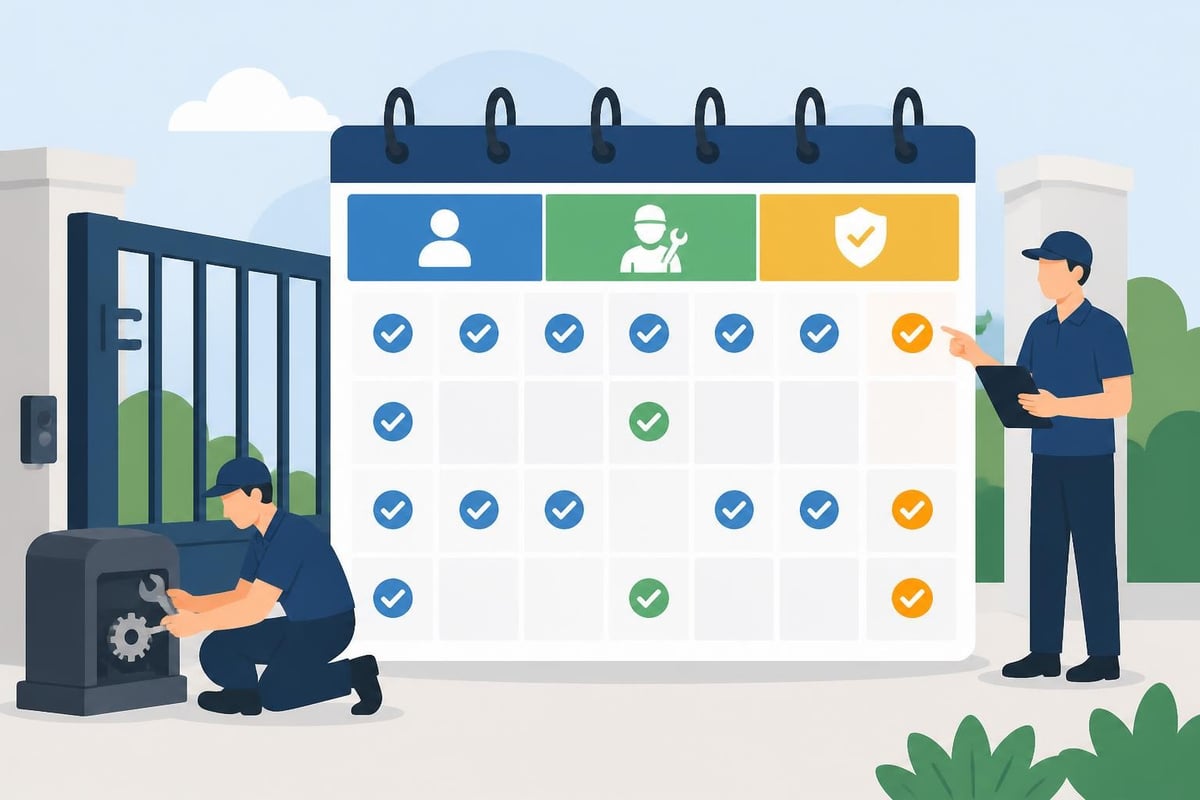
Automatic gates require regular attention to maintain safe, reliable operation. Professional maintenance typically follows this schedule:
Monthly owner checks include visual inspection for damage, listening for unusual noises, testing safety reversing features, and lubricating chains or hinges. These simple tasks take fifteen minutes but prevent many common problems.
Quarterly professional service involves comprehensive inspection by qualified technicians. They adjust force settings, inspect electrical connections, test all safety devices with calibrated equipment, and identify worn components before they fail. For insights on when systems might need attention, understanding signs your automatic gate system may need replacement proves valuable.
Annual comprehensive service includes everything in quarterly service plus operator disassembly, bearing lubrication, spring tension adjustment, complete electrical testing, and detailed documentation updates.
| Maintenance Task | Frequency | Performed By | Typical Cost |
|---|---|---|---|
| Visual inspection, safety test | Monthly | Owner | Free |
| Lubrication, adjustment | Quarterly | Professional | $125-$200 |
| Comprehensive service | Annually | Professional | $250-$400 |
| Emergency repairs | As needed | Professional | $150-$800+ |
Warranty Coverage and Service Agreements
Understanding warranty terms prevents disputes when problems arise. Manufacturers typically warranty operators for 1-5 years, while installation workmanship carries 1-2 year guarantees from quality installers.
Service agreements extend protection beyond warranty periods. These contracts provide priority scheduling, discounted rates, and regular preventive maintenance that catches problems early. For properties depending on gate access, service agreements deliver peace of mind worth far more than their annual cost.
Common Installation Challenges and Solutions
Even experienced auto gate installers encounter obstacles that require creative problem-solving. Understanding common challenges helps property owners appreciate the expertise professional installation demands.
Site-Specific Obstacles
Uneven terrain complicates track installation for slide gates and affects swing gate alignment. Skilled installers compensate through strategic grading, custom mounting brackets, or alternative gate types better suited to slopes.
Limited electrical access increases installation complexity when power sources sit far from gate locations. Solutions include solar operators with battery backup, trenching for buried conduit, or overhead wire runs following setback requirements.
Underground utilities create installation constraints that demand careful planning. Professional installers always call 811 for utility location before excavating. When conflicts arise, they adjust post positions, use directional boring to route conduit around utilities, or redesign installations to avoid restricted areas.
Soil conditions affect foundation stability. Rocky soil requires specialized excavation equipment, while sandy or clay soils need deeper footings or concrete reinforcement to prevent settling and maintain alignment over time.
Technical Integration Issues
Modern properties often include security systems, smart home platforms, and access control networks that must integrate with automatic gates. Experienced installers coordinate with security companies, configure compatible communication protocols, and test integrated functionality before completing installations.
Legacy system updates present unique challenges when property owners want to add automation to existing manual gates. Installers must assess structural adequacy, retrofit mounting points, integrate operators without compromising gate integrity, and ensure safety compliance matches new installation standards.
The Consumer Product Safety Commission’s gate safety standards apply equally to new installations and automation retrofits, requiring the same protective devices regardless of gate age.
Working with Your Installer for Best Results
Successful installations result from effective collaboration between property owners and auto gate installers. Your preparation and communication directly impact project outcomes.
Preparing Your Property
Before installation day, clear the work area of vehicles, lawn furniture, and landscaping that might interfere with construction. Trim overhanging branches near the gate opening and ensure installers can access power sources.
Communicate clearly about your expectations, daily schedule constraints, and any special requirements. If you need to maintain access during installation, discuss temporary arrangements before work begins. Share HOA requirements, property deed restrictions, or easements that might affect gate placement or design.
Post-Installation Responsibilities
After installation, dedicate time to thorough training. Learn how to operate all access methods, understand manual release procedures, recognize normal versus problematic sounds, and know when to call for service.
Keep documentation organized. Store warranties, test reports, operating manuals, and installer contact information in an accessible location. Record gate model numbers, operator serial numbers, and access codes in a secure location for future reference.
Report issues promptly when they arise. Many problems are minor when caught early but become expensive if ignored. Services like emergency gate repair exist for urgent situations, but regular maintenance prevents most emergencies.
Regional Considerations for Los Angeles Area Installations
Geographic factors influence installation approaches, regulatory requirements, and equipment selection. Auto gate installers working in the Los Angeles area navigate specific challenges that affect project execution.
Climate and Environmental Factors
Southern California's Mediterranean climate benefits automatic gate systems with minimal freeze-thaw cycles and moderate precipitation. However, installers must account for:
Intense UV exposure that degrades plastics and fades finishes faster than moderate climates. Quality installers specify UV-resistant materials and recommend protective coatings that extend component life.
Seismic considerations require specific foundation designs and flexible conduit installations that accommodate ground movement without damage. California's earthquake potential makes proper anchoring and shock-resistant mounting essential.
Coastal proximity introduces salt-air corrosion in beach communities. Stainless steel hardware, marine-grade lubricants, and enhanced protective coatings prevent premature failure in these aggressive environments.
Municipal Requirements
Los Angeles County and its incorporated cities maintain varying permit requirements and inspection protocols. Professional installers stay current with jurisdictional regulations that affect:
- Setback requirements from property lines and public right-of-way
- Height restrictions for gates and support posts
- Fire department access requirements for gated communities
- ADA compliance for commercial properties and multi-family developments
Understanding how voluntary standards become regulatory requirements through standards incorporation helps property owners appreciate why professional installers insist on specific safety features regardless of customer preferences.
Choosing qualified auto gate installers determines whether your automatic gate delivers years of reliable service or becomes a source of ongoing frustration and expense. The expertise these professionals bring encompasses far more than technical installation skills; they navigate complex safety standards, adapt to site-specific challenges, and ensure your investment protects your property while operating safely. When you need expert installation, maintenance, or repair services in the Los Angeles area, Gates & Garage Door Express Inc. brings family-owned dedication to quality with same-day emergency availability that keeps your property secure and accessible.