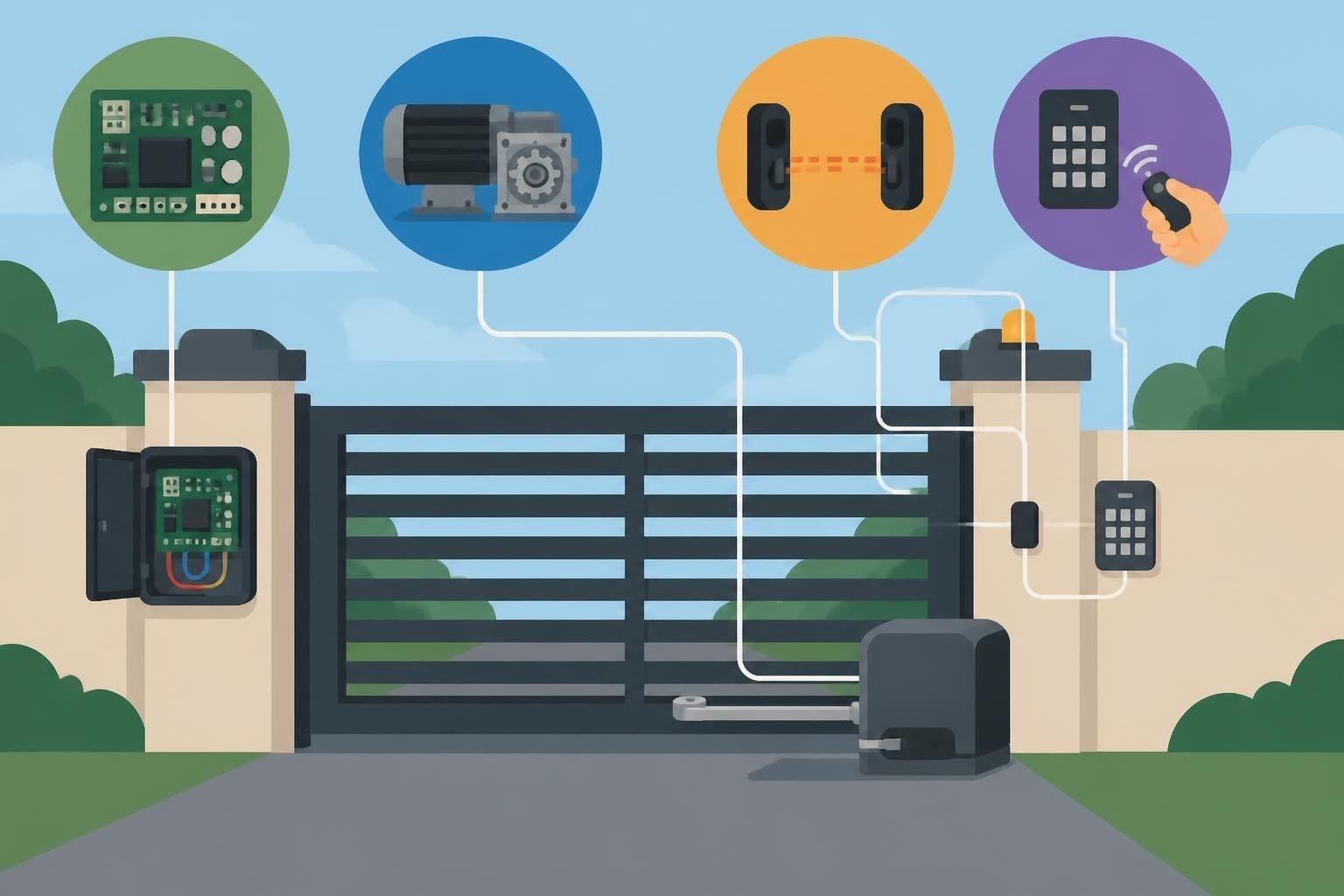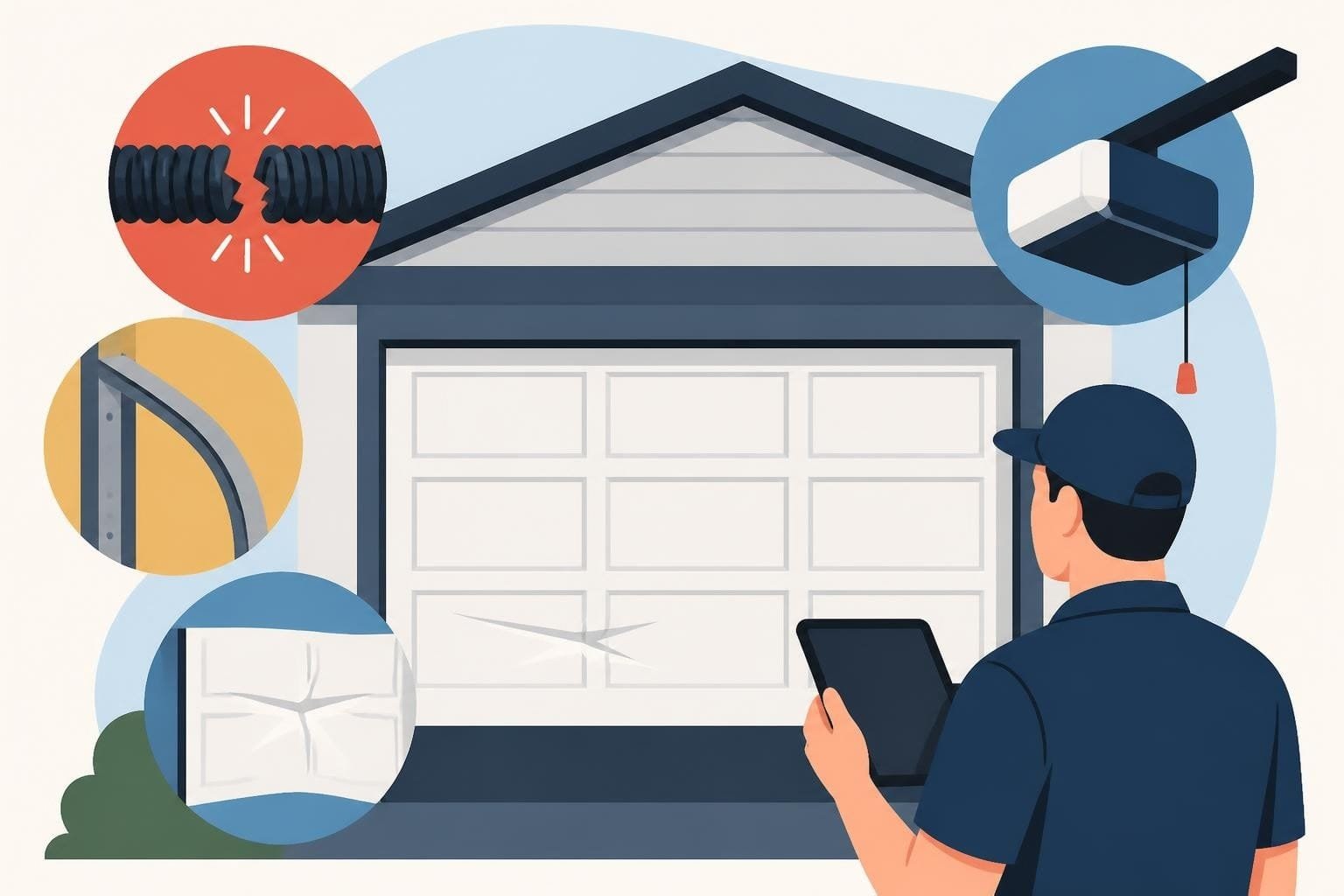
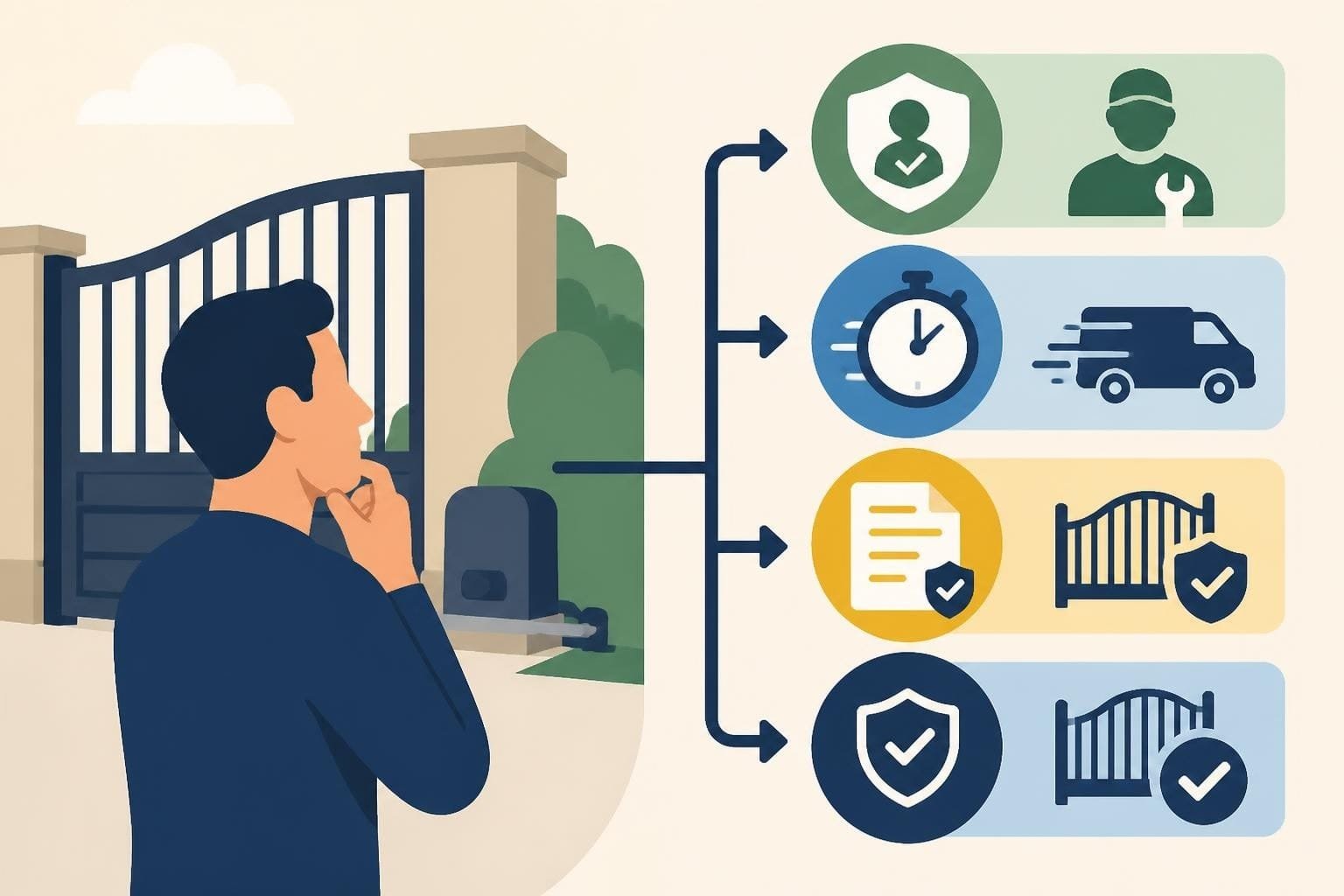

When your automatic gate malfunctions, the urgency to find reliable repair services becomes immediate. Whether you're dealing with a gate that won't open, unusual noises, or complete system failure, searching for "automatic gate repair near me" connects you with local professionals who can restore security and convenience to your property. The challenge lies not just in finding a nearby technician, but in identifying one who delivers quality workmanship, adheres to safety standards, and provides lasting solutions rather than temporary fixes.
Understanding Common Automatic Gate Problems
Automatic gate systems combine mechanical, electrical, and sometimes hydraulic components that work together to provide seamless operation. When one element fails, the entire system can become unreliable or unusable.
Motor and Operator Failures
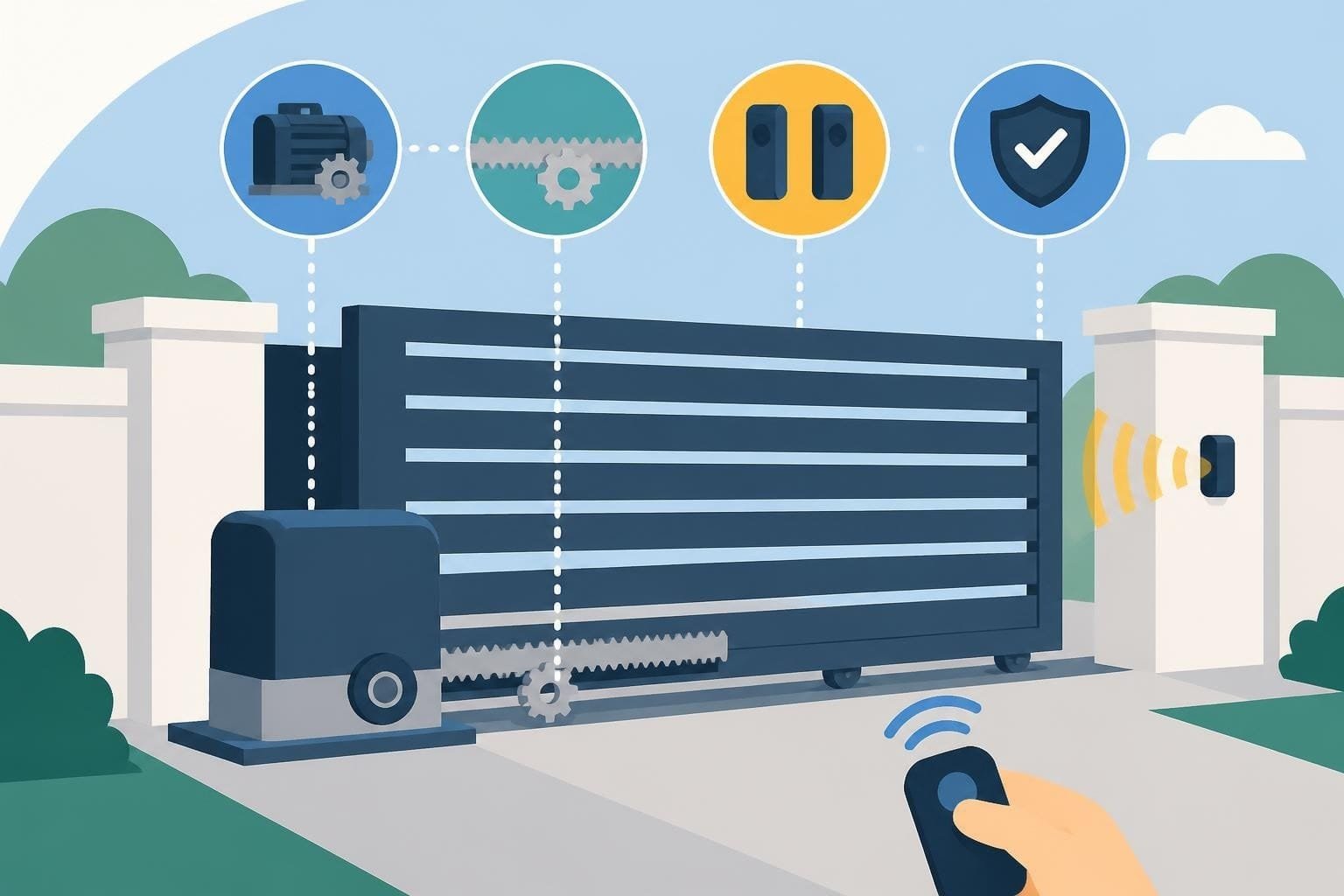
The gate operator serves as the heart of your automatic system, converting electrical signals into mechanical motion. Motor burnout typically occurs from excessive strain, whether from misaligned tracks, damaged wheels, or attempting to move a gate that's too heavy for the operator's capacity. You might notice the motor humming without movement, indicating internal failure or a stripped gear assembly.
Control board malfunctions represent another frequent issue. These circuit boards manage timing, safety sensor inputs, and remote-control signals. Power surges, moisture infiltration, or simple age-related deterioration can corrupt the board's function, leading to erratic behavior or complete non-response.
Professional technicians who specialize in electric gate repair understand the diagnostic steps required to isolate motor issues from electrical problems, ensuring accurate repairs rather than unnecessary parts replacement.
Safety Sensor and Entrapment Protection Issues
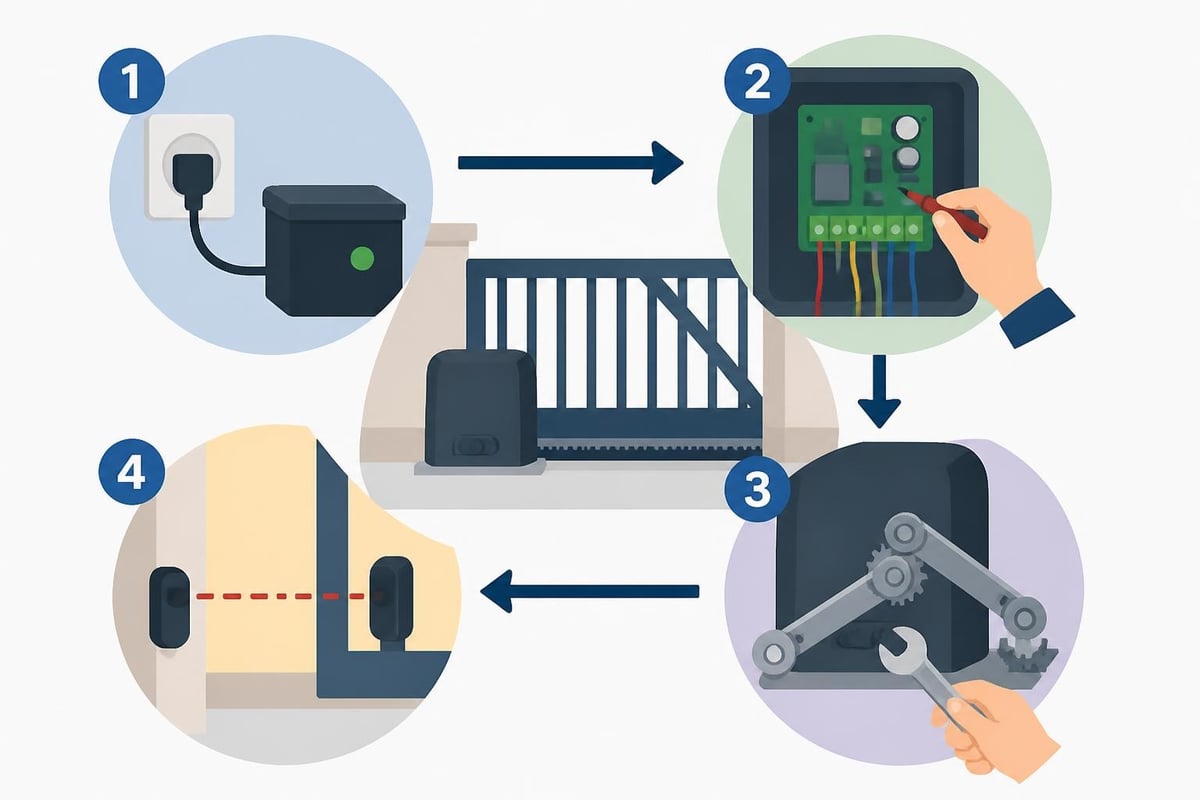
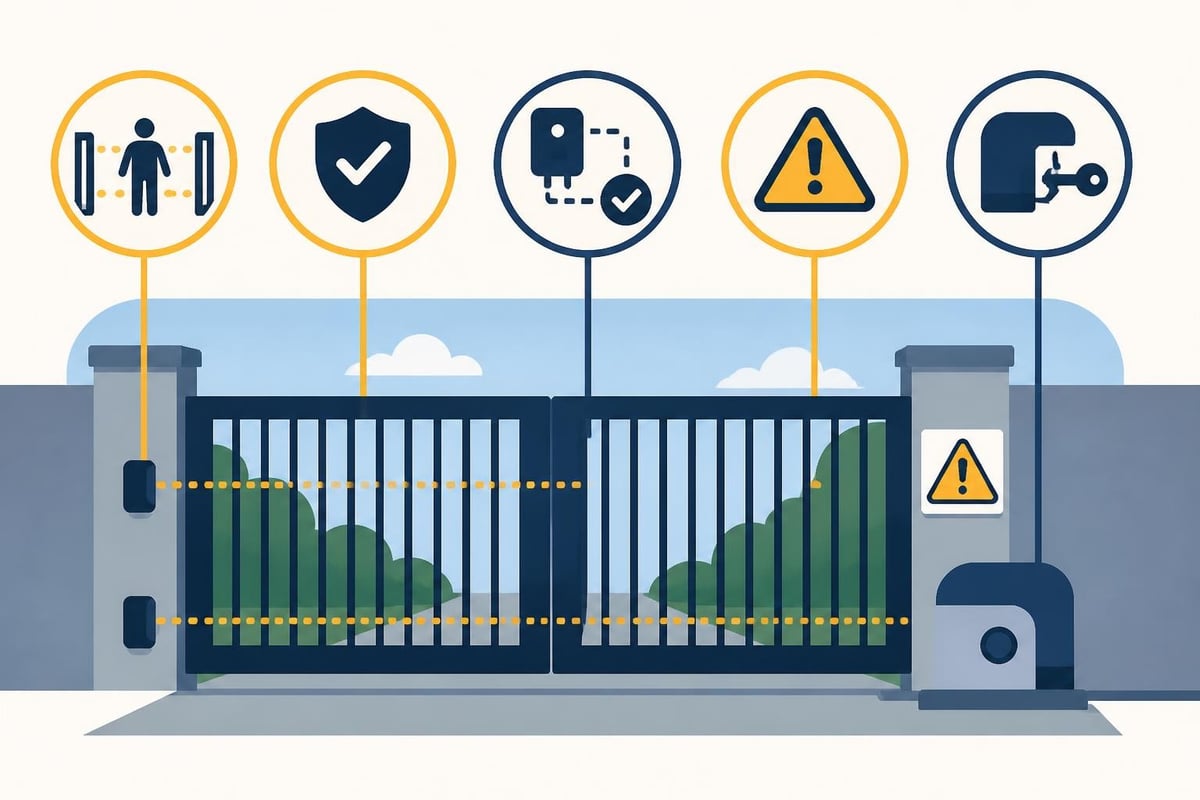
Modern automatic gates must comply with UL 325 safety standards, which mandate specific entrapment-protection devices. These sensors prevent the gate from closing on vehicles, people, or pets.
Photoelectric sensors create an invisible beam across the gate's path. When this beam breaks, the gate should reverse immediately. Misalignment from ground settling, physical impact, or weather exposure causes these sensors to fail. A gate that closes despite obstructions presents a serious safety hazard requiring immediate professional attention.
Edge sensors detect physical contact along the gate's leading edge. These pressure-sensitive devices can wear out, develop cracks, or lose calibration over time. According to federal safety regulations, functioning entrapment protection isn't optional-it's a legal requirement for all automated gate systems.
| Safety Device | Function | Common Failure Signs |
|---|---|---|
| Photoelectric Eyes | Detect objects in gate path | Gate closes on obstructions |
| Edge Sensors | Respond to physical contact | No reversal when touched |
| Loop Detectors | Sense vehicles underground | Won't open for approaching cars |
| Timer Settings | Limit force and duration | Gate crushes instead of reversing |
Structural and Mechanical Complications
Even the most advanced operator cannot compensate for structural problems. Hinge deterioration from rust, wear, or inadequate lubrication creates resistance that strains the motor and shortens its lifespan. Gates installed in coastal environments face accelerated corrosion from salt air.
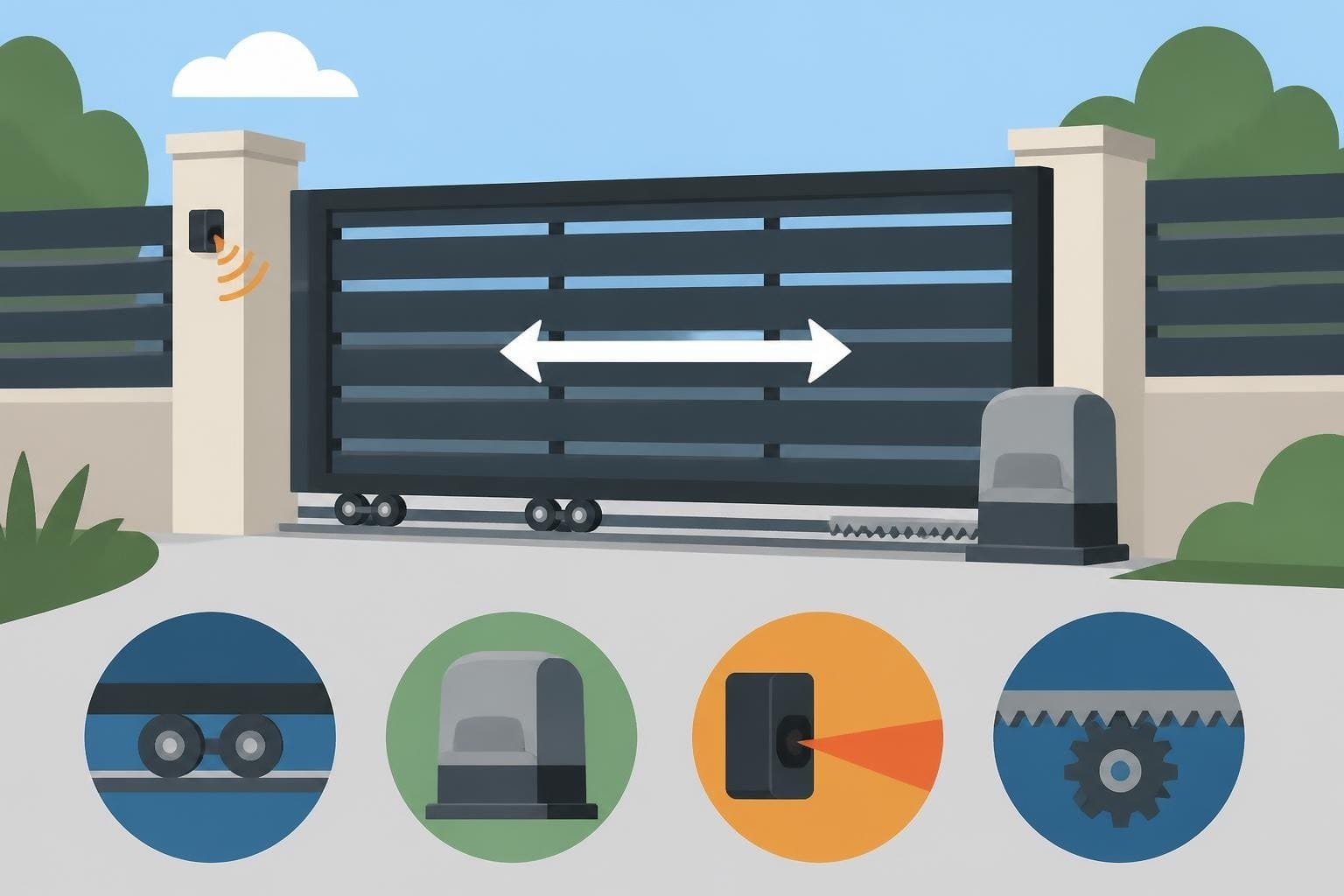
Track alignment issues prevent smooth movement and force the operator to work harder than designed. Ground settling, foundation shifts, or impact damage can misalign tracks by mere fractions of an inch-enough to cause binding, jerking motion, or complete jamming.
Wheel and roller failures manifest as grinding noises, uneven movement, or the gate becoming stuck at specific points along its travel. Regular inspection of these components prevents minor wear from escalating into major repairs.
Finding Qualified Local Repair Services
The proximity of a repair technician matters, but expertise and reliability matter more. Your search for automatic gate repair near me should prioritize qualifications alongside location.
Verifying Credentials and Certifications
Legitimate gate repair professionals carry proper licensing, insurance, and bonds. State contractor licensing requirements vary, but reputable companies willingly provide these credentials upon request. Liability insurance protects you if the technician damages your property or gets injured during repairs.
Look for technicians familiar with ASTM F2200 standards, which govern automated vehicular gate design, construction, and installation. These standards ensure repairs meet both safety requirements and manufacturer specifications.
Manufacturer certifications indicate specialized training on specific brands and models. LiftMaster, Viking, DoorKing, and other major manufacturers offer certification programs that keep technicians current on troubleshooting procedures and maintenance protocols.
Evaluating Response Times and Availability
Gate failures don't respect business hours. A stuck-open gate compromises security, while a stuck-closed gate prevents access to your property. Quality repair services offer:
- Emergency response for urgent situations
- Same-day service for standard repairs
- Scheduled maintenance to prevent future breakdowns
- Weekend availability for residential customers
Response time commitments should be specific-"within 2 hours" rather than "promptly"-and backed by customer reviews confirming actual performance.
Reading Reviews and Checking References
Online reviews provide insight into customer experiences, but read them critically. Look for patterns rather than isolated complaints. A company with hundreds of four and five-star reviews and a handful of one-star complaints likely delivers consistent quality.
Pay attention to how businesses respond to negative reviews. Professional responses that acknowledge issues and explain resolutions demonstrate accountability. Defensive or dismissive replies suggest poor customer service.
The Federal Trade Commission provides guidance on vetting contractors and avoiding home improvement scams. Their checklist includes verifying physical business addresses, checking with local consumer protection offices, and obtaining multiple written estimates.

Diagnostic Processes and Repair Approaches
Professional gate repair begins with systematic diagnosis rather than guessing at solutions. Understanding this process helps you recognize competent service.
Initial Assessment and Testing
Qualified technicians perform structured evaluations that include:
- Visual inspection of all mechanical components
- Operational testing through multiple open/close cycles
- Safety system verification of all entrapment devices
- Electrical testing of power supply and control circuits
- Alignment checks for tracks, wheels, and hinges
This comprehensive approach identifies root causes rather than surface symptoms. A gate that won't close might have a failed sensor, but the underlying issue could be misalignment causing repeated sensor triggering.
Transparent Communication and Estimates
Before beginning work, reputable technicians explain:
- What's wrong in understandable terms
- Why it failed including contributing factors
- Repair options with pros and cons of each
- Cost estimates broken down by parts and labor
- Completion timeline with realistic expectations
Written estimates protect both parties. They should itemize all work, specify parts by manufacturer and model number, and clearly state warranty coverage.
Quality Parts and Proper Installation
Using correct replacement parts ensures longevity and safety. OEM (Original Equipment Manufacturer) parts maintain warranty coverage and guarantee compatibility. Generic alternatives might cost less initially but can lead to poor performance, shortened lifespan, or safety violations.
For systems covered by building code requirements, only UL-listed components meet legal compliance. Installing non-listed parts during repairs can create liability issues and invalidate permits.
Cost Factors and Service Investment
Automatic gate repair pricing varies based on multiple factors. Understanding these variables helps you budget appropriately and recognize fair pricing.
Common Repair Cost Ranges
| Repair Type | Typical Cost Range | Factors Affecting Price |
|---|---|---|
| Sensor Realignment | $85 – $150 | Accessibility, number of sensors |
| Control Board Replacement | $200 – $450 | Board complexity, programming required |
| Motor/Operator Replacement | $400 – $1,200 | Motor size, installation difficulty |
| Hinge Repair/Replacement | $150 – $350 | Material type, number of hinges |
| Complete System Overhaul | $800 – $2,500 | Gate size, component conditions |
These ranges represent typical residential repairs. Commercial systems with higher capacity requirements and more complex access-control integration cost more.
Emergency Service Premiums
After-hours, weekend, and holiday service typically carries surcharges of 25% to 50% above standard rates. This premium compensates for technician availability outside normal business hours and faster response times.
Consider whether your situation truly requires emergency response. A gate stuck open poses security risks justifying premium charges. A gate that closes but operates slowly can often wait for standard-rate service.
Maintenance Plans and Long-Term Value
Regular maintenance prevents costly emergency repairs. Professional maintenance programs typically include:
- Lubrication of all moving parts
- Safety sensor testing and adjustment
- Control system inspection and testing
- Component wear assessment and recommendations
- Priority scheduling for future repairs
Annual maintenance costs $150 to $300 but extends system lifespan by years and reduces breakdown frequency. Many companies offer discounted repair rates for maintenance plan members.
Safety Compliance and Code Requirements
Automatic gate safety isn't just about preventing damage-it's about protecting lives. Recent years have seen increased regulatory focus on entrapment protection following preventable injuries.
Understanding UL 325 Requirements
UL 325 standards classify gate operators into different categories based on application and risk level. Each category mandates specific safety features:
Class I (Residential) requires two independent entrapment-protection devices, typically photoelectric sensors and either inherent force sensing or edge sensors. These systems must reverse within two seconds of obstruction detection.
Class II (Commercial) and higher classifications demand more robust safety systems, including monitored entrapment devices that alert users to malfunctions. Many jurisdictions now require these enhanced protections even for residential applications.
Permit and Inspection Considerations
Depending on your location, automatic gate repairs might require permits and inspections. Significant work such as operator replacement, structural modifications, or electrical circuit changes typically falls under building code jurisdiction.
Working with licensed contractors ensures NFPA compliance and proper permit filing. Unpermitted work can create problems when selling your property or filing insurance claims after gate-related incidents.
Liability and Insurance Implications
Improperly repaired automatic gates create liability exposure for property owners. If your gate injures someone due to missing safety features or incorrect repairs, you may face legal consequences.
Verify that repair work includes safety-system testing and documentation. Request written confirmation that all entrapment-protection devices meet current standards and function properly.
When DIY Inspection Makes Sense
While major repairs require professional expertise, property owners can perform basic maintenance and identify obvious problems. Knowing your limits prevents safety risks and further damage.
Safe DIY Maintenance Tasks
Homeowners can safely handle:
- Visual inspections for rust, damage, or loose components
- Cleaning photoelectric sensors with soft cloths
- Lubricating hinges and rollers with appropriate products
- Testing manual release mechanisms during power outages
- Clearing debris from tracks and gate paths
This Old House offers practical guidance on routine gate maintenance tasks appropriate for DIY completion. Their recommendations emphasize safety and knowing when professional help is necessary.
Warning Signs Requiring Professional Service
Contact qualified technicians immediately when you observe:
- Gates reversing without obstruction
- Unusual grinding, scraping, or squealing noises
- Intermittent operation or complete failure
- Visible damage to structural components
- Safety sensors not responding to testing
- Burnt electrical smells or sparking
- Gates moving too fast or too slow
Attempting complex electrical or structural repairs without proper training creates safety hazards. The cost savings from DIY work disappears quickly if you cause additional damage or create dangerous conditions.
Selecting Service Plans and Warranties
The relationship with your automatic gate repair provider shouldn't end when they complete immediate fixes. Ongoing service agreements and comprehensive warranties protect your investment.
Service Agreement Components
Quality service plans include clearly defined terms:
Coverage scope specifying which components and repairs fall under the agreement. Some plans cover only specific parts while others include comprehensive system coverage.
Response guarantees committing to maximum wait times for service calls. Priority response for agreement holders ensures faster assistance during emergencies.
Preventive maintenance schedules outlining inspection frequency and included services. Regular professional attention catches developing problems before they cause failures.
Discount structures for parts and labor beyond agreement coverage. Even with comprehensive plans, some repairs may fall outside standard coverage.
Warranty Expectations
Reputable companies stand behind their work with meaningful warranties:
| Warranty Element | Reasonable Terms | Red Flags |
|---|---|---|
| Labor Coverage | 90 days – 1 year | Less than 30 days |
| Parts Coverage | 1 – 3 years | No written warranty |
| Emergency Callbacks | No charge within warranty period | Additional fees for same issue |
| Transferability | Transfers with property sale | Non-transferable |
Written warranties should specify exact coverage terms, exclusions, and claim procedures. Verbal promises provide no protection when disputes arise.
Access Control Integration Considerations
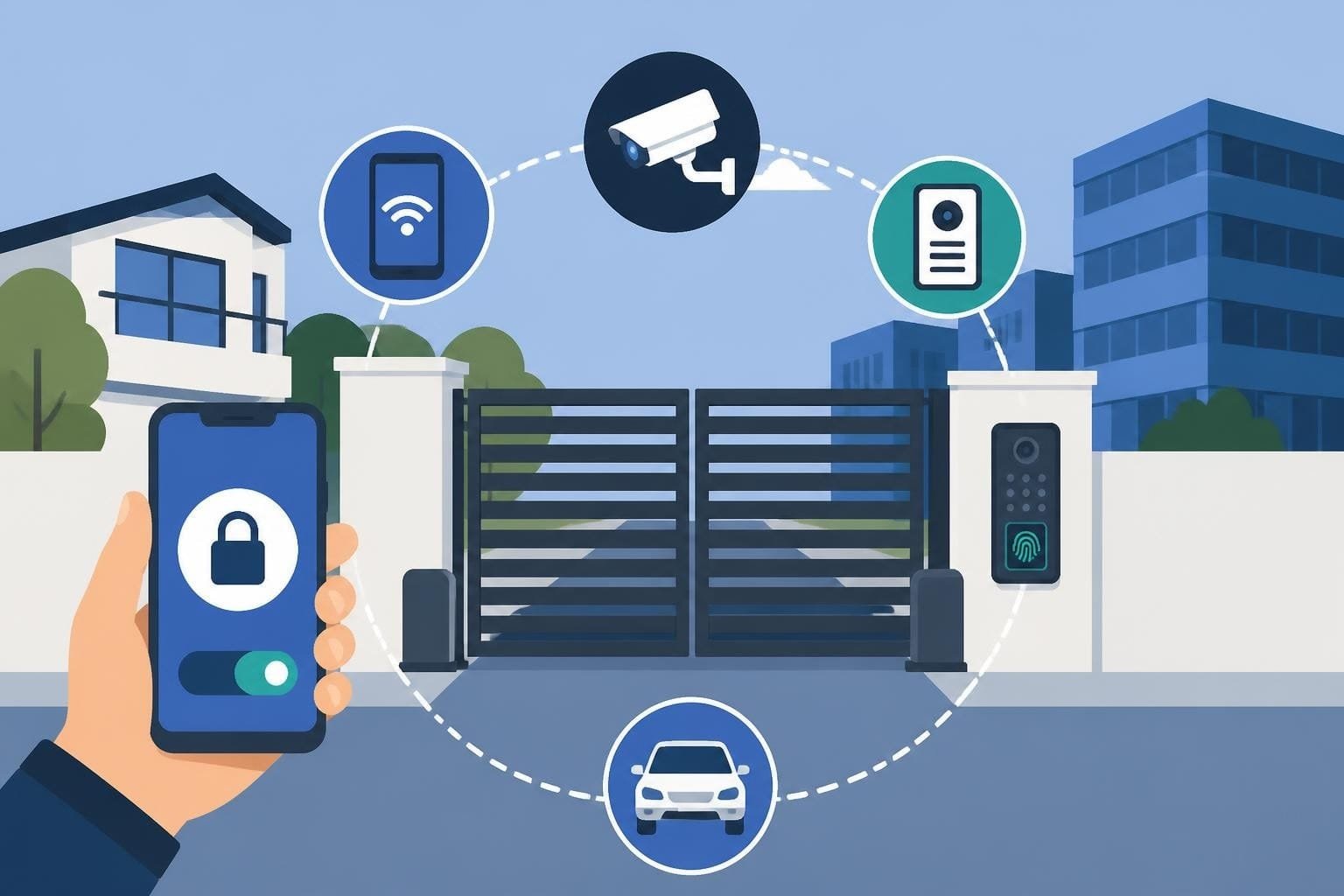
Modern automatic gates often integrate with broader security systems. When seeking automatic gate repair near me, consider technicians familiar with gate access control systems that coordinate with your overall security infrastructure.
Intercom and Camera Systems
Gates with video intercom systems require technicians who understand both mechanical gate operation and electronic security integration. Repairs affecting power supply or control circuits can disrupt communication systems if not properly coordinated.
Keypad and Card Reader Repairs
Access control keypads and proximity card readers face weather exposure, vandalism, and heavy use. These components require specialized knowledge for repair and programming. Ensure your chosen technician can service both the gate mechanism and its access control interfaces.
Smart Home Integration
WiFi-connected gate operators that integrate with smartphone apps or home automation systems need technicians current on IoT technology. Software updates, network configuration, and app troubleshooting fall outside traditional gate repair expertise.
Geographic and Environmental Considerations
Location significantly impacts automatic gate performance and repair needs. Los Angeles properties face unique challenges that influence service requirements.
Climate Impact on Gate Systems
California's Mediterranean climate creates specific maintenance demands:
- Minimal precipitation reduces rust in some areas but allows dust accumulation
- Salt air in coastal zones accelerates metal corrosion
- Temperature fluctuations affect lubrication viscosity and electronic component performance
- Seismic activity can shift foundations and misalign tracks
Technicians experienced with local conditions anticipate these factors and recommend appropriate preventive measures.
Urban Accessibility Challenges
Dense urban environments present service complications:
- Limited parking for service vehicles affects response efficiency
- Building proximity restricts equipment access for major repairs
- HOA requirements may mandate specific repair timelines or aesthetic standards
- Noise ordinances can limit when repairs occur
Discuss these factors when scheduling service to ensure efficient completion without complications.
Establishing Long-Term Service Relationships
The best time to establish a relationship with automatic gate repair professionals is before you need emergency service. Proactive engagement creates several advantages.
Benefits of Consistent Providers
Working with the same company over time allows technicians to:
- Understand your system's history and previous repairs
- Anticipate component lifecycles based on installation dates
- Maintain detailed service records for warranty tracking
- Provide consistent quality with familiar equipment
This continuity improves diagnostic accuracy and repair efficiency while building trust through demonstrated competence.
Communication Channels and Support
Established relationships provide better communication access:
- Direct technician contact for urgent situations
- Scheduling flexibility accommodating your availability
- Transparent pricing without negotiation on each service call
- Rapid response familiarity with your property layout
Professional companies maintain comprehensive contact systems allowing multiple communication methods for customer convenience.
Finding reliable automatic gate repair near me requires evaluating expertise, safety compliance, and customer service alongside geographic proximity. The right repair partner combines technical competence with transparent communication, fair pricing, and genuine commitment to your system's long-term performance. When your automatic gate needs professional attention, Gates & Garage Door Express Inc. brings family-owned dedication to quality service, offering same-day emergency repairs throughout Los Angeles with the expertise to handle everything from simple sensor adjustments to complete system overhauls.