
Property owners and facility managers increasingly rely on automated access control to secure residential estates, commercial properties, and industrial facilities. An automatic sliding gate operator represents one of the most reliable and space-efficient solutions for controlling vehicular access while maintaining security and convenience. Understanding the technology, safety requirements, and maintenance considerations ensures you select and maintain the right system for your specific application.
Understanding Automatic Sliding Gate Operator Technology
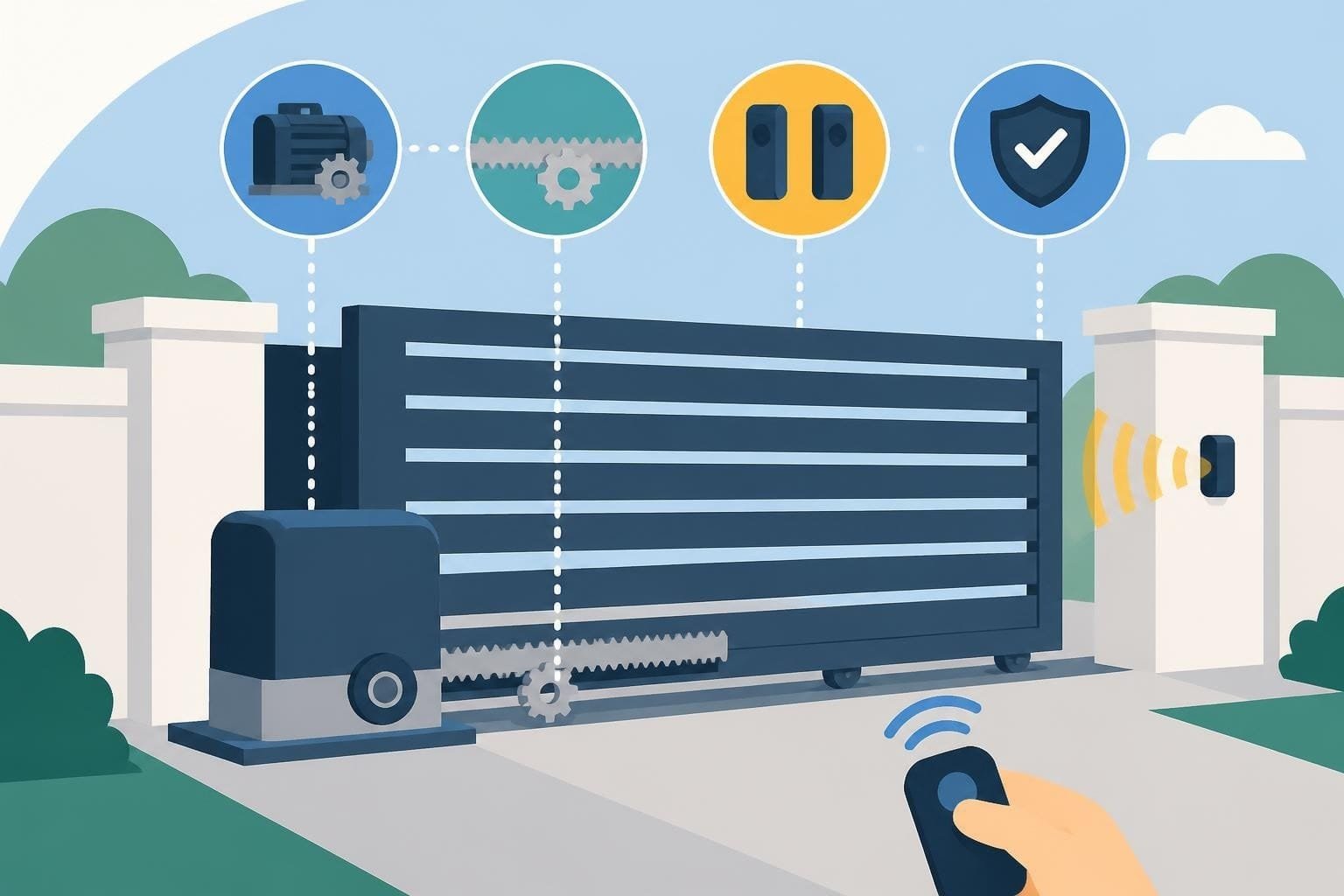
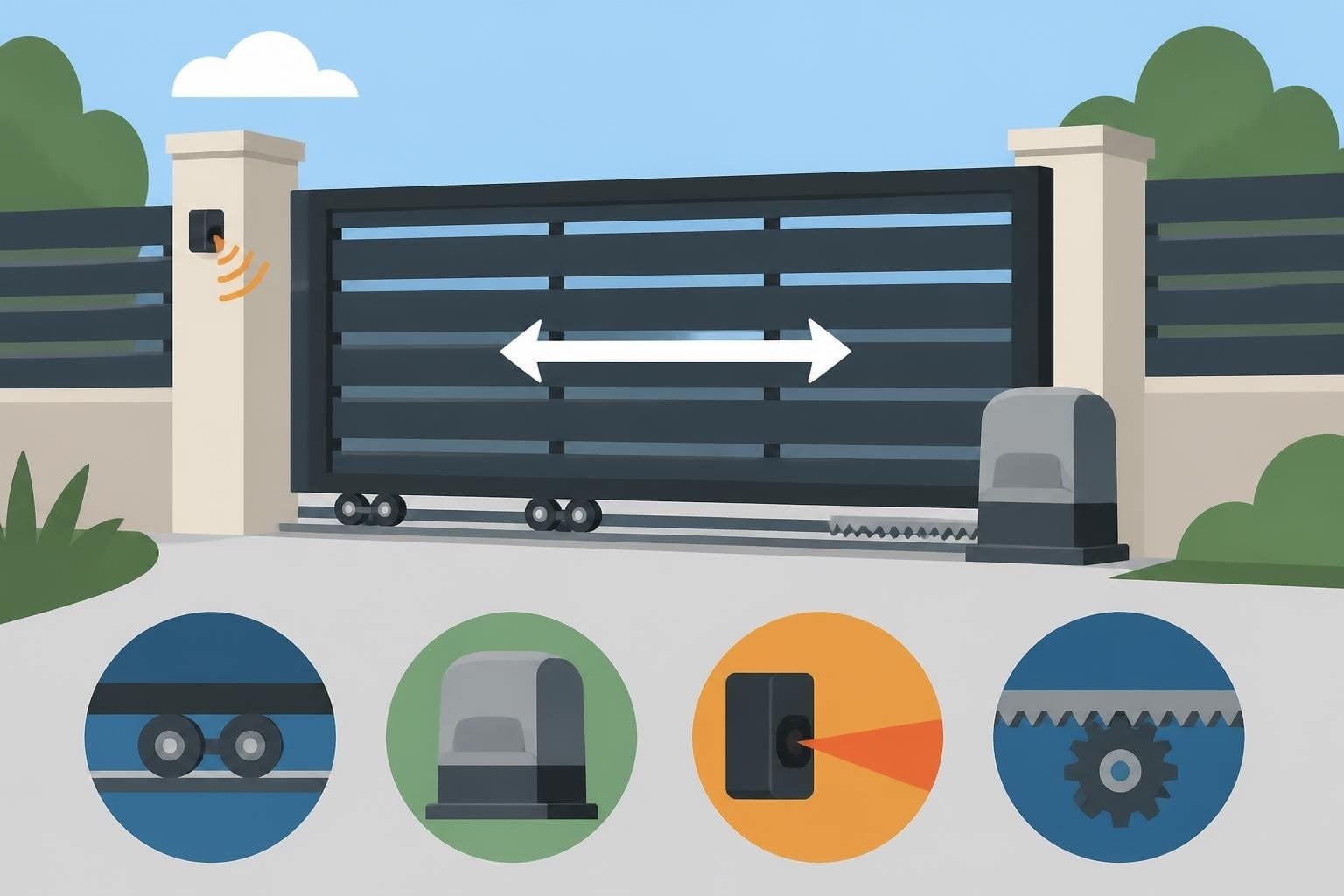
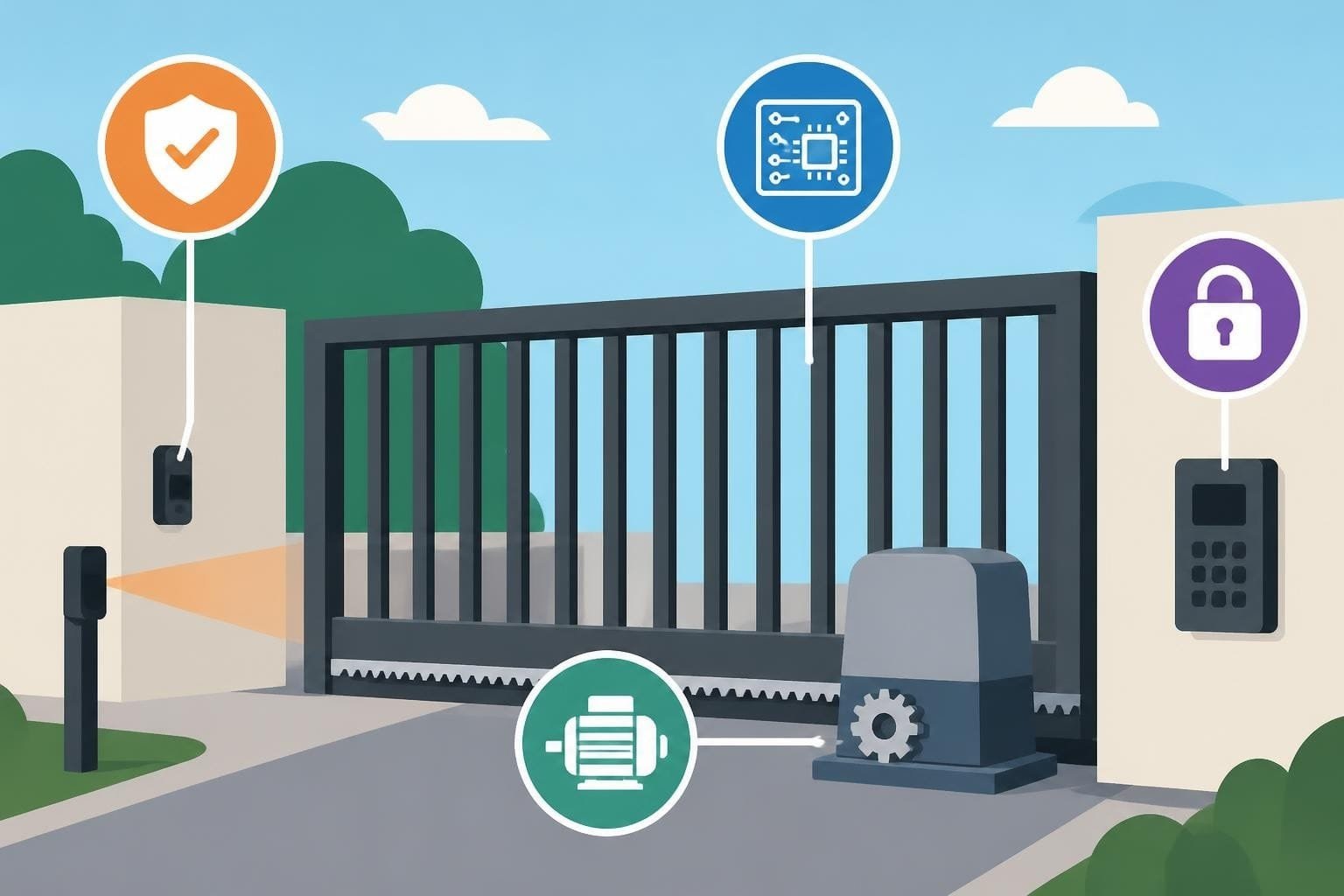
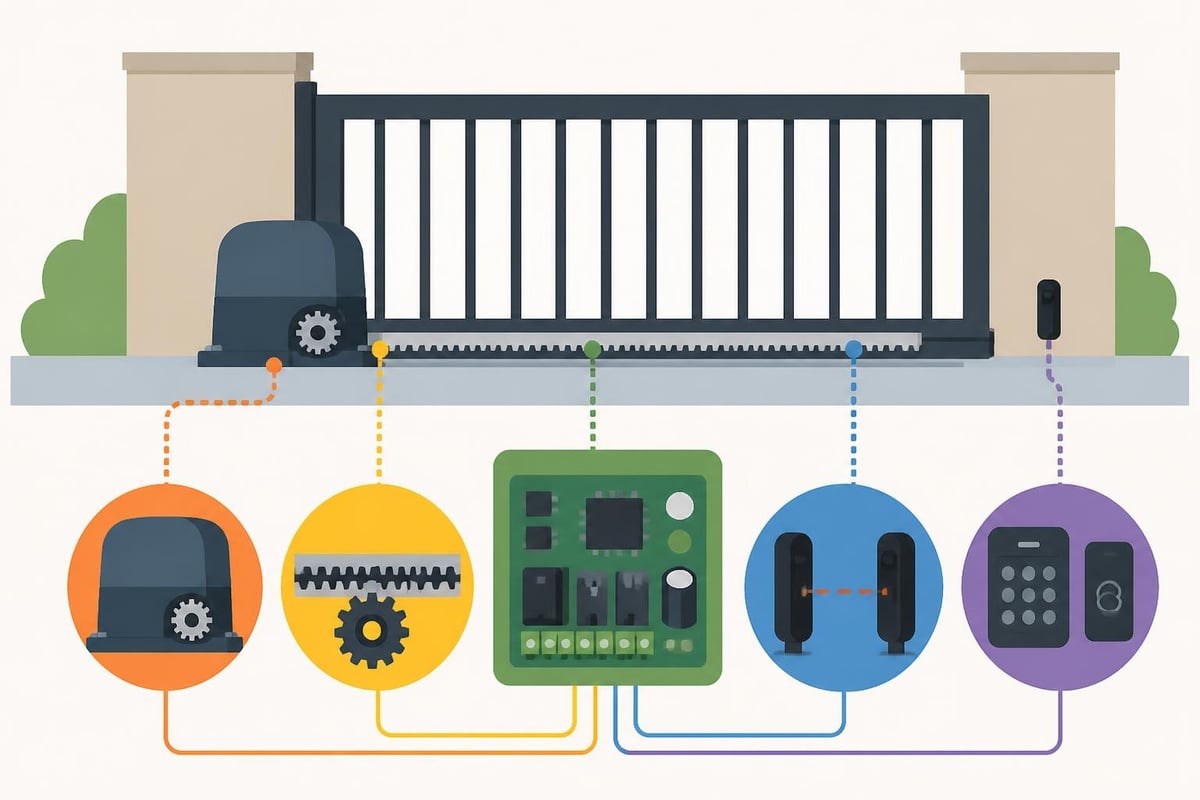
An automatic sliding gate operator consists of several integrated components working together to move gates safely and reliably. The core assembly includes a motor, gearbox, control board, and drive mechanism that propels the gate panel along a track system.
Modern operators use rack-and-pinion drive systems where a motorized pinion gear engages with a horizontal rack mounted to the gate. This configuration provides consistent force distribution and precise positioning control. The motor assembly typically mounts on a concrete pad adjacent to the gate track, with the operator's output shaft driving the pinion gear.
Motor Types and Power Requirements
Three primary motor configurations dominate the market:
- AC motors offering reliability and lower initial cost for standard residential applications
- DC motors providing battery backup capability and smoother operation during power outages
- Brushless DC motors delivering enhanced efficiency and reduced maintenance requirements
Power requirements scale with gate weight and operating frequency. A typical residential installation might use a 1/2 HP motor for gates up to 1,000 pounds, while commercial applications often require 3/4 HP to 1 HP motors for heavier gates weighing 2,000 pounds or more.
The control board manages all operator functions including speed ramping, obstacle detection, and integration with access control systems. Advanced boards feature programmable parameters for opening speed, closing force limits, and automatic closing timers.
Safety Standards and Regulatory Compliance
Safety represents the most critical consideration when selecting and installing an automatic sliding gate operator. Multiple regulatory frameworks govern automated gate systems, with ASTM F2200 establishing comprehensive construction and safety requirements for vehicular gates in the United States.
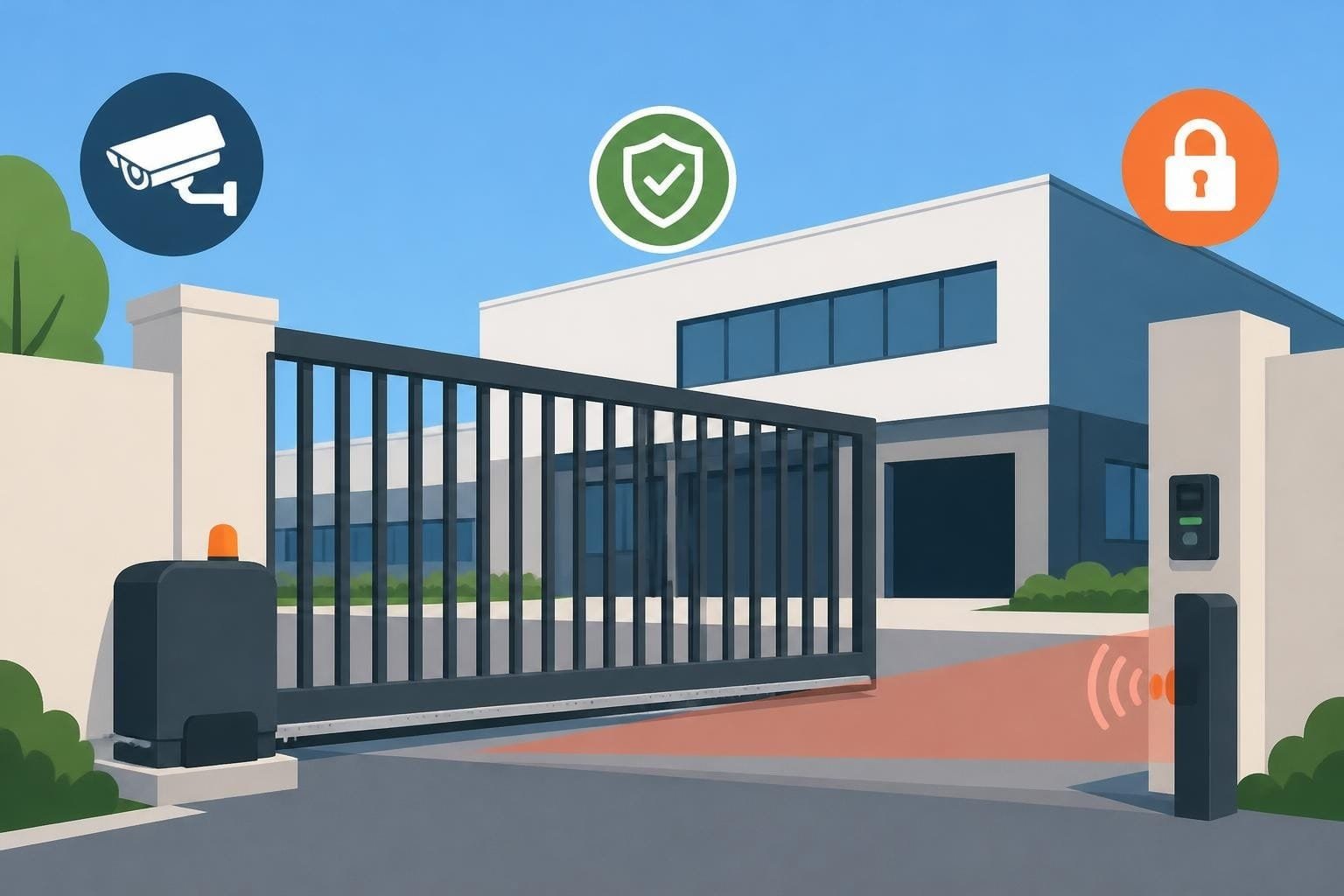
The standard mandates specific entrapment protection zones and requires multiple safety devices working in concert. Primary safety components include photocell sensors that detect obstructions in the gate path, edge sensors mounted on the leading gate edge, and inherent force-limiting controls within the operator itself.
Required Safety Features
| Safety Device | Function | Compliance Standard |
|---|---|---|
| Photocells | Detect objects in gate path | UL 325 Type A/B |
| Edge Sensors | Physical contact detection | UL 325 Type C1 |
| Force Limiting | Automatic reversal on resistance | ASTM F2200 |
| Warning Signs | Notify users of automated operation | ASTM F2200 Section 9 |
| Emergency Release | Manual operation during power loss | ASTM F2200 Section 8 |
UL standards for gate operators address not only mechanical safety but increasingly focus on cybersecurity considerations as operators integrate with networked access control systems. Understanding these requirements helps property owners maintain compliant installations that protect users and minimize liability exposure.
California maintains particularly stringent regulations for powered gates. The California Department of Industrial Relations provides detailed guidance on inspection intervals, testing procedures, and documentation requirements for commercial installations throughout the state.
Selecting the Right Operator for Your Application
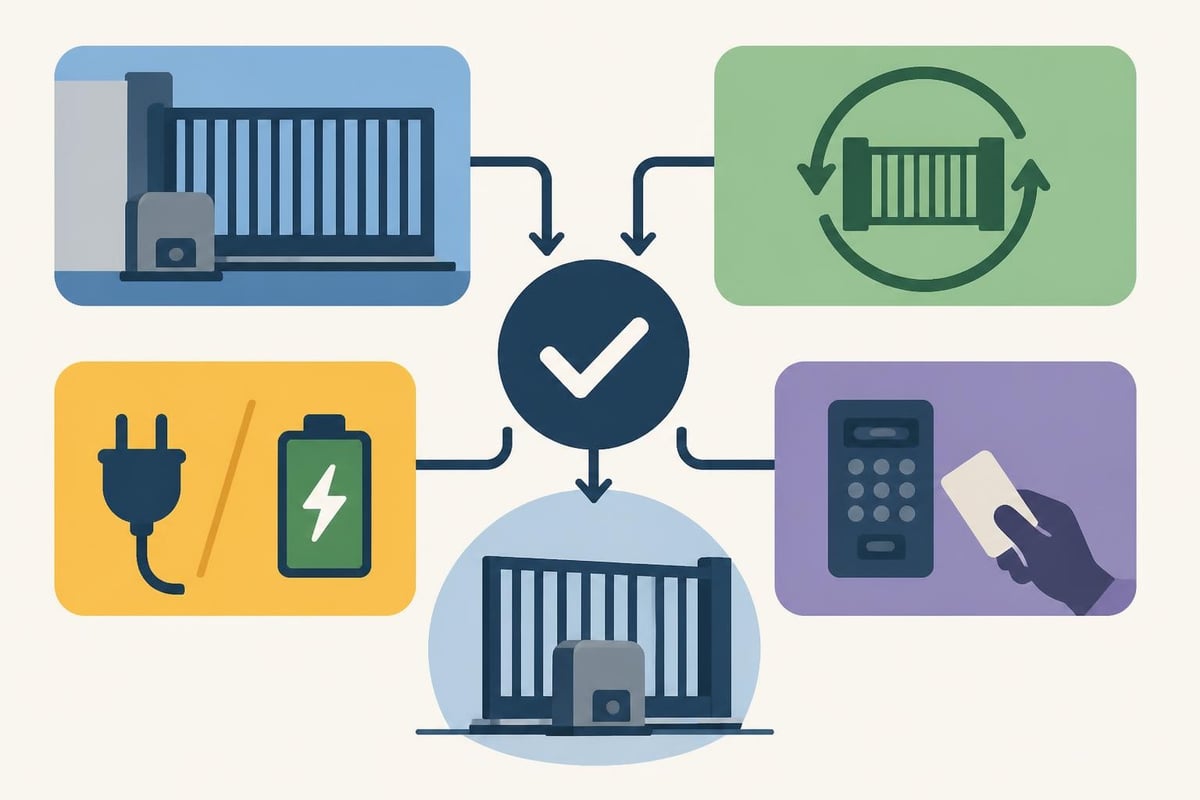
Choosing an appropriate automatic sliding gate operator requires analyzing several property-specific factors. Gate weight, operating frequency, power availability, and site conditions all influence operator selection.
Weight capacity represents the primary selection criterion. Operators list maximum gate weight ratings, but optimal performance occurs when the gate weighs 50-70% of the rated capacity. This margin accounts for wind loading, track friction, and ensures longevity even with increased wear over time.
Duty Cycle Considerations
Operating frequency determines whether you need a residential, commercial, or industrial-rated operator:
- Residential operators handle 10-20 cycles per day, suitable for single-family homes and small multi-unit properties
- Commercial operators accommodate 50-100 daily cycles for office buildings, retail centers, and apartment complexes
- Industrial operators withstand 200+ cycles daily in high-traffic environments like distribution centers and manufacturing facilities
Climate conditions significantly impact operator performance and longevity. Los Angeles properties face temperature extremes, occasional dust storms, and coastal salt exposure in certain areas. Operators with sealed gearboxes and weather-resistant housings extend service life in challenging environments.
Access control integration requirements influence operator selection. Basic systems may only need simple contact closure inputs for gate operation, while sophisticated installations require operators with network connectivity, multiple user management, and integration with video surveillance or visitor management platforms.
Installation Requirements and Best Practices
Proper installation directly impacts operator performance, safety, and reliability. Foundation preparation, precise alignment, and correct component placement separate professional installations from problematic DIY attempts.
The operator mounting pad requires a reinforced concrete foundation extending below the frost line (even in mild climates like Los Angeles) to prevent settling and misalignment. Standard specifications call for a 24-inch by 24-inch pad at least 12 inches deep, with rebar reinforcement creating a stable mounting platform.
Gate track installation demands precision alignment. Vertical and horizontal levelness within 1/8 inch over the entire gate run ensures smooth operation and prevents premature wheel wear. Track sections require solid mounting to a continuous concrete foundation or structural supports capable of handling lateral forces during operation.
Critical Installation Measurements
Professional installers verify multiple clearances and alignments:
- Gate-to-post clearance: 1/2 inch minimum to prevent binding during thermal expansion
- Rack-to-pinion engagement: 50-75% tooth depth for optimal force transfer
- Track-to-ground height: 4-6 inches to prevent debris accumulation while maintaining security
- Safety device positioning: Photocells mounted 8-12 inches above grade on both sides of gate path
Electrical installation requires dedicated circuits with appropriate overcurrent protection. Most operators need 120VAC service, though some industrial models require 240VAC. Battery backup systems for DC operators need separate charging circuits and proper ventilation to prevent hydrogen gas accumulation.
Professional installations by experienced technicians ensure compliance with all safety standards and manufacturer specifications. When electric gate repair services become necessary, trained technicians recognize installation-related issues that DIY installers often overlook.
Integrating Access Control Systems
An automatic sliding gate operator serves as the physical component within a broader access control ecosystem. Integration options range from simple keypad entry to sophisticated multi-credential systems with visitor management and audit trail capabilities.
Standalone systems operate independently with dedicated controllers and simple access devices. A typical configuration includes a wireless keypad, remote controls, and basic intercom functionality. These systems suit residential applications and small businesses with minimal traffic management requirements.
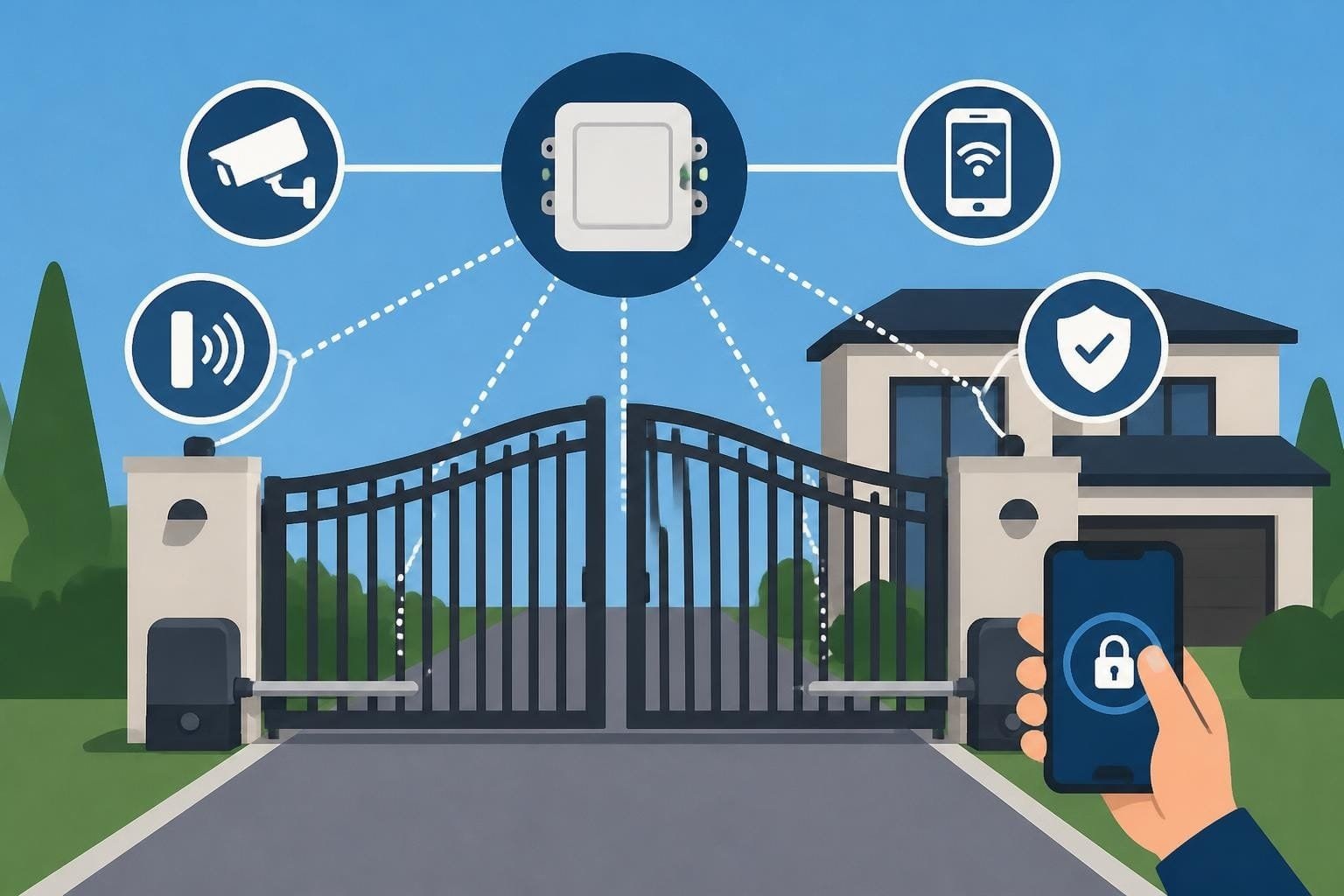
Networked systems connect the gate operator to building management or security platforms. Integration enables centralized user management, scheduled access permissions, and correlation between gate events and other security systems. Modern protocols like IP-based communication and cloud management provide remote monitoring and control capabilities.
Common Access Control Technologies
| Technology | Range | User Capacity | Security Level | Best Application |
|---|---|---|---|---|
| Remote Controls | 200-500 ft | 10-50 users | Medium | Residential |
| Keypads | On-site | Unlimited (code sharing) | Medium | Small Commercial |
| Proximity Cards | Contact/Near | 500-5,000 users | High | Corporate Campus |
| Smartphone/Bluetooth | 30-100 ft | Unlimited | High | Modern Residential |
| License Plate Recognition | 50-100 ft | Unlimited database | Very High | Gated Communities |
Security considerations extend beyond physical access control. Connected operators face cybersecurity vulnerabilities common to all IoT devices. Regular firmware updates, secure credential management, and network segmentation protect against unauthorized access and system compromise.
The Gate Safe organization emphasizes that access control design must consider not only authorized entry but also safe exit procedures. Emergency egress requirements mandate that gates open automatically or provide clear manual release mechanisms during power failures or emergencies.
Maintenance Protocols and Service Intervals
Regular maintenance maximizes automatic sliding gate operator lifespan while maintaining safety compliance and reliable operation. Establishing documented service intervals and systematic inspection procedures prevents unexpected failures and identifies developing problems before they cause complete system failure.
Monthly Inspection Checklist
Property managers or maintenance staff should perform basic monthly inspections:
- Visually inspect gate travel path for debris, vegetation, or obstacles
- Test photocell alignment and function by interrupting beam during gate closure
- Verify edge sensor activation triggers immediate gate reversal
- Check for unusual noise, vibration, or hesitation during operation
- Confirm access control devices respond properly to authorized credentials
Quarterly professional servicing addresses mechanical components requiring specialized knowledge and tools. Technicians lubricate drive components, inspect electrical connections, verify safety device calibration, and test force limits against manufacturer specifications.
Advanced Features and Technology Trends
Modern automatic sliding gate operators incorporate increasingly sophisticated technology that enhances security, convenience, and integration capabilities. Understanding available features helps property owners make informed decisions about system upgrades and replacements.
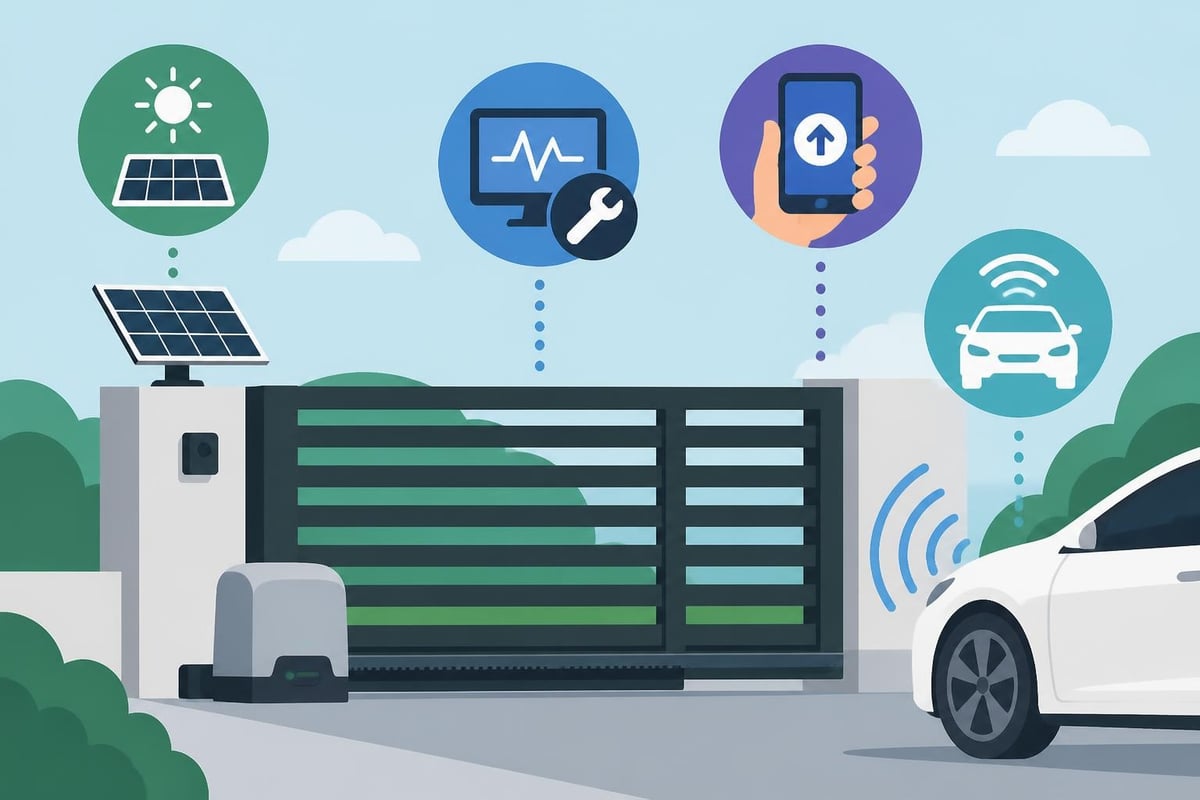
Solar power integration eliminates electrical service requirements for remote installations. Solar-powered operators combine photovoltaic panels, battery storage, and low-power DC motors to create completely off-grid access control solutions. These systems prove particularly valuable for ranch properties, agricultural facilities, and undeveloped land where trenching electrical service proves cost-prohibitive.
Predictive maintenance capabilities use sensors and analytics to monitor operator health. Systems track cycle counts, motor temperature, operating force, and power consumption to identify degradation patterns before failure occurs. Cloud connectivity enables service providers to receive alerts and schedule preventive maintenance proactively.
Emerging Technology Integration
- Artificial intelligence analyzing traffic patterns to optimize operating parameters automatically
- Vehicle-to-infrastructure communication allowing authorized vehicles to trigger gates without additional credentials
- Integration with smart home ecosystems enabling voice control and automation scenarios
- Biometric verification for high-security applications requiring personal identification beyond credential possession
The DASMA technical guidance documents industry best practices for implementing these advanced features while maintaining safety and reliability. As technology evolves, backward compatibility and upgrade paths become important selection criteria.
Troubleshooting Common Operator Issues
Understanding typical failure modes helps property owners recognize problems early and communicate effectively with service technicians. Most automatic sliding gate operator problems fall into electrical, mechanical, or control system categories.
Intermittent operation often indicates loose electrical connections, failing contactors, or degraded capacitors in AC motor systems. Environmental factors like moisture infiltration into junction boxes or control panels create corrosion that disrupts electrical continuity.
Slow or labored movement typically results from mechanical resistance. Track misalignment, worn rollers, debris accumulation, or inadequate lubrication increases friction beyond the operator's designed capacity. Regular gate maintenance prevents these issues from developing into complete failures.
Diagnostic Approach for Common Problems
| Symptom | Likely Cause | Diagnostic Step | Solution |
|---|---|---|---|
| Gate won't open | Power loss, failed component | Check power, listen for motor hum | Test electrical service, inspect control board |
| Gate reverses immediately | Safety device activation | Test photocells and edge sensors | Clean, align, or replace sensors |
| Gate opens but won't close | Limit switch misalignment | Observe limit switch engagement | Adjust limit switch position |
| Erratic movement | Control board malfunction | Check for error codes/LED indicators | Reset system, replace control board |
| Excessive noise | Mechanical wear | Inspect drive components | Lubricate or replace worn parts |
Safety device failures represent serious concerns requiring immediate attention. Non-functional photocells or edge sensors leave users vulnerable to entrapment injuries. The U.S. Consumer Product Safety Commission documents injury patterns associated with improperly maintained automated gates, emphasizing the importance of functioning safety systems.
Professional certification programs like the American Fence Association’s Certified Gate Automation Designer ensure technicians understand proper diagnostic procedures and safety-compliant repair methods. When selecting service providers, verification of training credentials and liability insurance protects property owners from substandard work.
Cost Considerations and ROI Analysis
Investment in an automatic sliding gate operator system involves initial equipment and installation costs plus ongoing maintenance expenses. Understanding total cost of ownership helps justify the investment and establish appropriate budget allocations.
Equipment costs vary significantly based on operator capacity and feature set:
- Basic residential operators: $800-1,500
- Commercial-grade operators: $2,000-4,000
- Industrial heavy-duty operators: $5,000-10,000+
Installation expenses typically equal or exceed equipment costs for professional installations. Site preparation, foundation work, electrical service, and access control integration combine to create total project costs ranging from $3,000 for simple residential installations to $25,000+ for sophisticated commercial systems.
Annual Operating Costs
Beyond initial investment, operators incur ongoing expenses:
- Electricity consumption: $50-200 annually depending on cycle frequency and motor efficiency
- Preventive maintenance: $200-500 for quarterly professional service
- Repair contingency: $100-300 average annual allocation for minor repairs
- Access control service fees: $0-600 for cloud-based or monitored systems
Return on investment calculations must consider both tangible and intangible benefits. Security improvements, property value enhancement, convenience factors, and reduced personnel costs for manual gate operation all contribute to overall value. Commercial properties often see payback periods of 3-5 years through reduced security staffing needs alone.
Professional Installation Versus DIY Approaches
The complexity of automatic sliding gate operator installations raises questions about professional installation versus DIY approaches. While manufacturer literature sometimes suggests homeowner installation capability, reality proves more nuanced.
Successful DIY installations require significant technical competency spanning electrical, mechanical, and construction disciplines. Homeowners must understand electrical code requirements, concrete work, precision measurement, and safety device calibration. Liability concerns arise if improper installations cause injury or property damage.
Professional installation provides multiple advantages beyond technical expertise. Licensed contractors carry liability insurance covering installation-related incidents. Professional installers ensure code compliance, proper permitting, and warranty protection that manufacturers often void for self-installations.
The GateSafety resources provide testing procedures and commissioning checklists that professional installers use to verify safe operation. These detailed verification protocols exceed typical homeowner capabilities and require specialized test equipment.
Local regulations may mandate professional installation and inspection. Property managers should consult authorities having jurisdiction before proceeding with any installation approach. Documentation requirements for commercial installations virtually necessitate professional involvement to satisfy insurance and regulatory obligations.
When considering signs your gate system needs replacement, consulting with experienced professionals provides accurate assessments that help avoid unnecessary equipment replacement when repairs would suffice.
Environmental Impact and Sustainability
Sustainability considerations increasingly influence automatic sliding gate operator selection as property owners prioritize environmental responsibility. Energy efficiency, material lifecycle, and operational environmental impact represent key evaluation factors.
Energy consumption varies dramatically between operator types and usage patterns. A typical residential installation cycling 15 times daily consumes approximately 150-300 kWh annually with an AC operator. Modern DC and brushless motors reduce consumption by 20-40% through improved efficiency and intelligent power management.
Solar-powered systems eliminate grid consumption entirely while providing reliable operation. Recent advances in photovoltaic efficiency and battery technology make solar viable even in partially shaded installations. A properly designed solar system provides energy independence and eliminates ongoing electrical costs.
Manufacturing and disposal considerations impact environmental footprint. Operators built with recyclable materials and designed for component replacement rather than complete system disposal reduce environmental impact. Extended service life through proper maintenance represents the most significant sustainability contribution property owners control directly.
Noise pollution affects urban and suburban installations where quiet operation maintains neighborhood compatibility. Belt-drive operators and brushless motors significantly reduce operational noise compared to traditional chain-drive systems with brushed motors. Sound-dampening materials and proper installation technique further minimize acoustic impact.
Legal and Liability Considerations
Property owners assume significant liability responsibilities when installing and operating automatic sliding gate systems. Understanding legal obligations and risk mitigation strategies protects against claims arising from gate-related incidents.
Duty of care requirements mandate that property owners maintain gates in safe operating condition with all required safety devices functional. Regular documented maintenance and professional inspections demonstrate due diligence in meeting this obligation. Maintenance records become critical evidence in any litigation arising from gate-related incidents.
Warning signage requirements under ASTM F2200 and local codes mandate specific placement and content. Signs must warn users about automated operation, instruct on safe behavior around moving gates, and provide emergency contact information. Non-compliance with signage requirements creates liability exposure even when gates function safely.
Insurance considerations require disclosure of automated gates to property insurers. Some policies mandate specific safety features, inspection intervals, or professional maintenance contracts. Failure to maintain required safety systems may void coverage for gate-related claims.
Selecting and maintaining an automatic sliding gate operator requires balancing technical capabilities, safety requirements, and operational needs to create reliable access control for your property. Professional installation and regular maintenance ensure compliance with safety standards while maximizing system longevity and performance. Whether you need expert installation guidance, routine maintenance, or emergency repairs, Gates & Garage Door Express Inc. provides comprehensive automatic gate services throughout Los Angeles with same-day availability and a commitment to quality workmanship that keeps your property secure and accessible.