
Property owners throughout Los Angeles rely on their gates for security, privacy, and curb appeal. When gates malfunction, the consequences extend beyond mere inconvenience-compromised security and reduced property value become immediate concerns. Understanding how to fix gates properly, whether through DIY approaches or professional intervention, ensures your property remains protected while avoiding costly replacements. This comprehensive guide explores common gate problems, diagnostic techniques, repair strategies, and maintenance practices that keep your gate operating smoothly for years to come.
Understanding Common Gate Problems
Gate failures rarely occur without warning. Most issues develop gradually, presenting early symptoms that property owners can identify before complete breakdown occurs. Recognizing these signs early allows for timely intervention and prevents minor problems from escalating into major repairs.
Mechanical Failures in Gate Systems
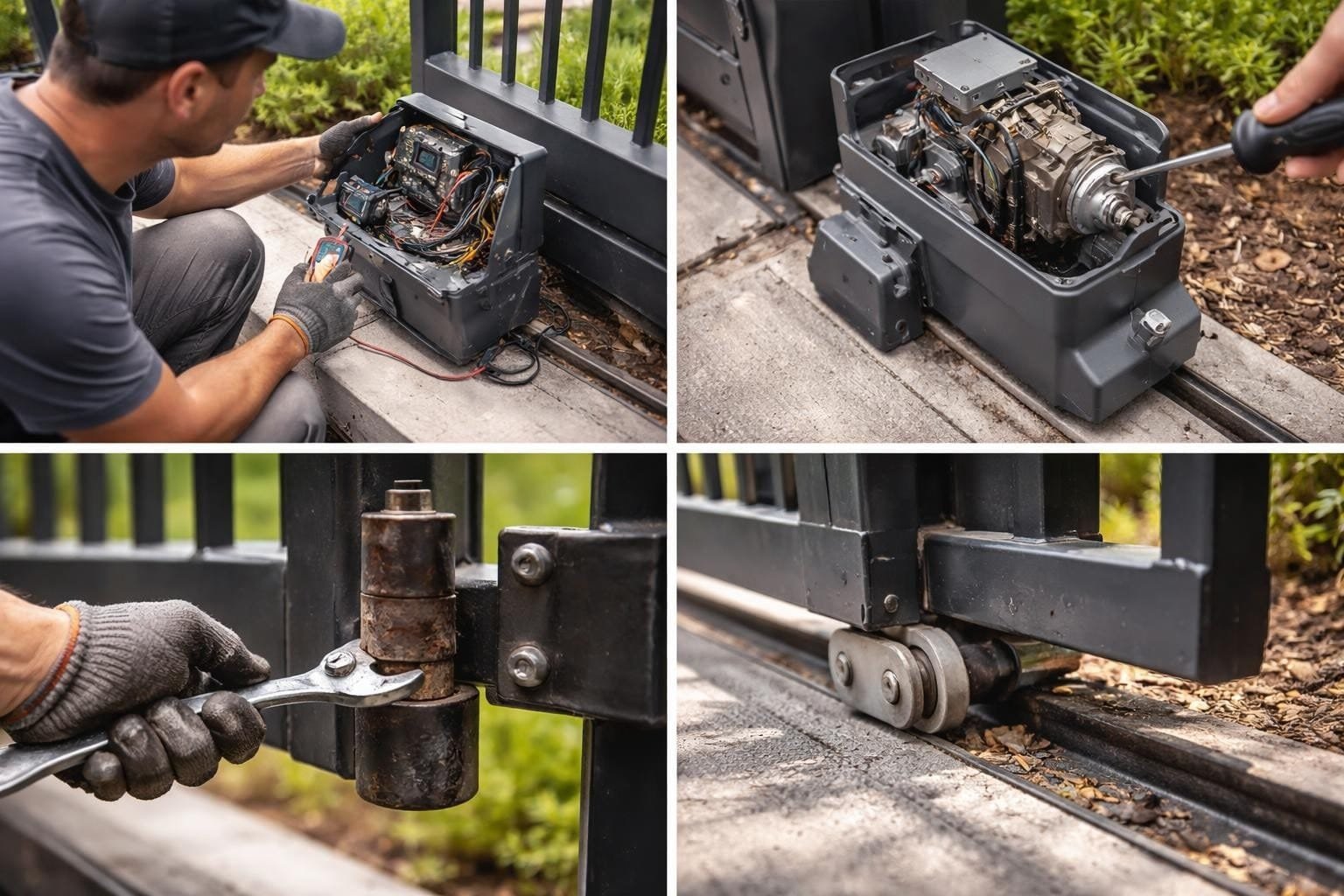
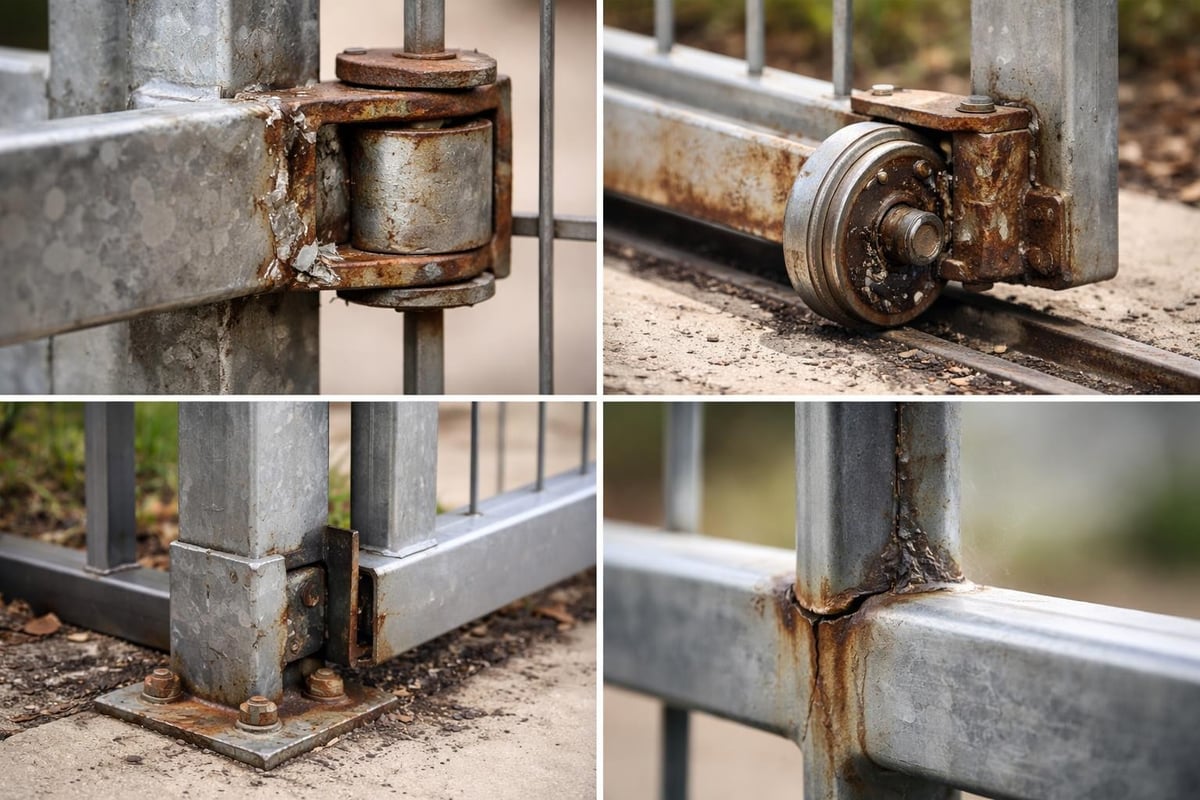
Mechanical components bear the brunt of daily operations. Hinges develop wear patterns after thousands of opening and closing cycles, creating alignment issues that stress the entire system. Wheels on sliding gates accumulate debris, causing uneven movement and increased motor strain. Posts can shift due to soil erosion or inadequate foundation depth, creating misalignment that affects every operation.
The materials and mechanisms used in gate construction significantly impact longevity and maintenance requirements. Steel gates resist warping but require rust prevention, while aluminum offers corrosion resistance with lighter weight. Wood gates provide aesthetic appeal yet demand regular sealing against moisture damage.
When you need to fix gates with mechanical issues, start with visual inspection:
- Check hinge pins for excessive play or corrosion
- Examine wheels for debris accumulation and bearing wear
- Assess gate-to-post alignment using a level
- Inspect mounting brackets for loose fasteners
- Evaluate frame integrity for cracks or welds
Electrical System Malfunctions
Electric gates introduce additional complexity through motors, sensors, control boards, and safety devices. Power fluctuations damage sensitive electronics, while moisture infiltration corrodes connections and circuit boards. Photo-eye sensors accumulate dirt, preventing proper obstruction detection. Limit switches drift out of calibration, causing gates to over-travel or stop prematurely.
Battery backup systems degrade over time, failing to maintain charge capacity. Transformer failures cut power to control systems entirely. Wiring insulation deteriorates from UV exposure and temperature extremes, creating short circuits or intermittent connections that prove difficult to diagnose.
| Component | Common Issue | Diagnostic Method | Repair Complexity |
|---|---|---|---|
| Motor | Overheating, noise | Listen, test current draw | Moderate |
| Control Board | Erratic behavior | Check error codes, voltage | Advanced |
| Photo Eyes | Misalignment | Clean, realign, test beam | Simple |
| Limit Switches | Miscalibration | Adjust positions, test cycles | Moderate |
| Wiring | Corrosion, breaks | Visual inspection, continuity test | Variable |
Diagnostic Approaches to Fix Gates
Systematic diagnosis separates effective repairs from wasteful parts replacement. Professional technicians follow structured troubleshooting protocols that isolate root causes rather than addressing symptoms. This methodology applies whether tackling repairs yourself or evaluating service provider competence.
Step-by-Step Troubleshooting Process
Begin every diagnostic session by gathering information. Document symptoms precisely-does the gate fail to open, close partially, or operate erratically? Note environmental conditions when failures occur. Identify any recent changes to the property, electrical system, or gate usage patterns.
Physical inspection follows information gathering. Regular gate maintenance practices help identify developing issues before they cause failures. Walk the entire gate path, checking for obstacles, damaged components, and unusual wear patterns. Operate the gate manually if possible, feeling for binding, excessive force requirements, or irregular movement.
For electric gates, test each system component independently:
- Verify power supply at the transformer and control board
- Test safety devices by triggering photo eyes and edge sensors
- Evaluate motor operation by listening for unusual sounds and checking current draw
- Inspect control board for error codes, blown fuses, or damaged components
- Check remote signals using multiple transmitters to rule out battery issues
Many property owners struggle to decide when professional help becomes necessary. The decision between repair and replacement depends on damage extent, system age, and repair costs relative to replacement value.
Professional Repair Techniques
To properly fix gates requires understanding both the problem and the solution methodology. Professional repair techniques ensure longevity while maintaining safety standards and warranty coverage. Los Angeles property owners benefit from specialized knowledge of local soil conditions, seismic requirements, and climate factors affecting gate performance.
Motor and Operator Repairs
Gate motors operate under significant stress, particularly in commercial applications with frequent cycles. Thermal overload represents the most common motor failure mode, often resulting from inadequate sizing or blocked gate movement. When motors overheat repeatedly, internal components degrade, eventually causing permanent failure.
Professional motor repair begins with load testing to determine if the motor matches application requirements. Undersized motors struggle with heavy gates, leading to premature wear. If sizing proves adequate, technicians inspect gear assemblies for wear, check capacitor health, and evaluate bearing condition. Many motor issues stem from peripheral problems rather than motor defects-binding hinges, track obstructions, or misaligned travel paths increase load beyond design parameters.
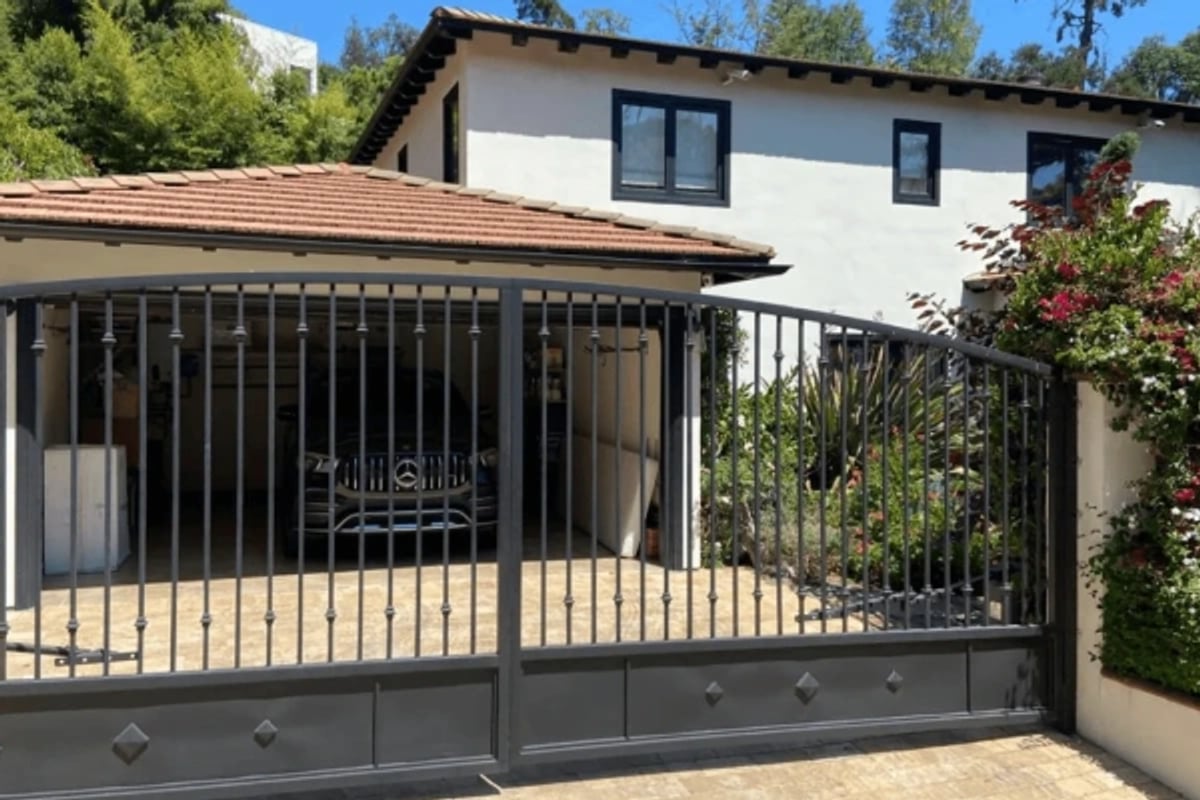
For property owners seeking reliable service, automatic gate repair in Los Angeles provides expertise in diagnosing complex motor and operator issues. Qualified technicians carry specialized diagnostic equipment that measures current draw, identifies internal component failures, and tests under actual operating conditions.
Control System Restoration
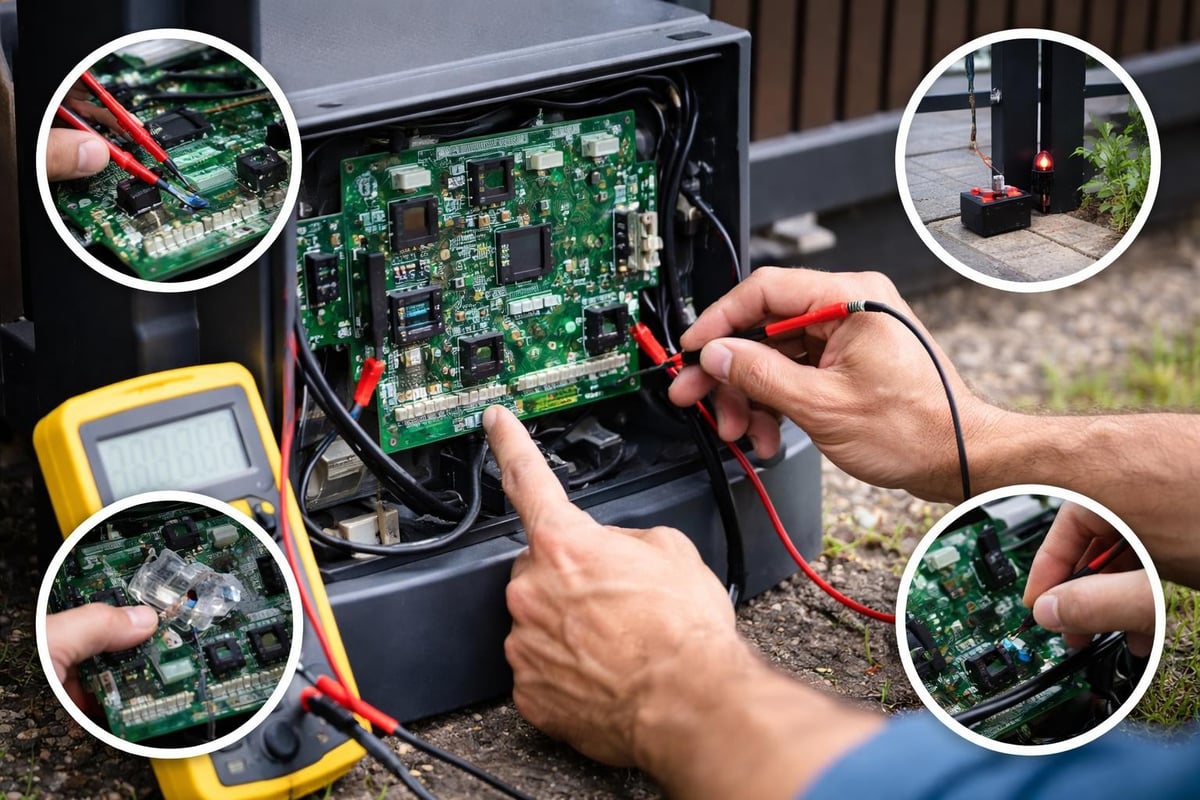
Control boards serve as gate system brains, processing sensor inputs and commanding motor responses. Circuit board repair requires electronics expertise beyond typical gate technician capabilities. Most professionals replace rather than repair boards, though this approach proves costly when peripheral issues cause apparent board failures.
Before replacing expensive control boards, verify power supply quality, check all sensor connections, and test relay operation. Loose connections create intermittent problems that mimic board failures. Voltage fluctuations damage sensitive components, yet addressing the power supply issue prevents immediate replacement board failure.
When board replacement becomes necessary, ensure programming matches original settings. Limit switch positions, force adjustments, and timing parameters require precise configuration. Improper settings create safety hazards and accelerate component wear.
Safety Device Integration and Testing
Modern gates incorporate multiple safety mechanisms preventing injury and property damage. Photo-eye sensors detect obstructions in the gate path, reversing operation before contact occurs. Edge sensors along gate leading edges stop movement upon contact. Emergency release mechanisms allow manual operation during power failures.
Testing safety devices should occur monthly, ensuring reliable protection for property users. Interrupt photo-eye beams during closing cycles-gates should immediately reverse. Press against edge sensors-movement should halt instantly. Activate emergency releases-gates should disengage from operators smoothly without requiring excessive force.
When you fix gates, never compromise safety device functionality for operational convenience. Disabled or bypassed safety mechanisms create liability exposure and violate building codes. Comprehensive gate maintenance protocols include regular safety system verification as essential components.
Structural Repairs and Reinforcement
Gate frames experience constant stress from weight, wind loads, and operational forces. Weld failures occur at high-stress points where frame members join. Corrosion weakens structural integrity, particularly in coastal environments where salt accelerates metal deterioration. Ground movement from seismic activity or soil settling creates misalignment requiring professional correction.
Structural repairs demand welding expertise and metallurgical knowledge. Simply re-welding failed joints without addressing root causes guarantees repeat failures. Professionals assess loading patterns, verify material specifications, and often add reinforcement to prevent future issues.
Post and Foundation Work
Gate posts provide mounting points and structural support for the entire system. Foundation inadequacy causes the majority of post-related problems. Shallow footings allow frost heave in cold climates or soil movement during wet seasons. Inadequate concrete volume fails to resist lateral forces from gate operation and wind loads.
Correcting post issues requires excavation, temporary gate support, and foundation reconstruction. Posts must be plumb in both planes, with footings extending below frost lines and sized for gate weight plus operational forces. Professional installations use steel reinforcement within concrete footings and anchor posts with expansion bolts or embedded plates.
Preventive Maintenance Strategies
The most effective way to fix gates involves preventing failures through systematic maintenance. Regular service intervals identify developing issues before they cause operational disruptions. Well-maintained gates deliver decades of reliable service, while neglected systems require frequent costly repairs.
Lubrication and Cleaning Protocols
Moving components require proper lubrication preventing metal-to-metal contact. However, excessive lubrication attracts debris, accelerating wear. Effective gate maintenance practices specify appropriate lubricants for different components and climates.
Apply lithium-based grease to hinges and pivot points quarterly. Use dry lubricants on tracks and chains where debris accumulation proves problematic. Avoid petroleum-based products on rubber components-they cause deterioration and premature failure.
Cleaning removes accumulated debris before it causes problems:
- Pressure wash tracks and wheel paths monthly
- Wipe down photo-eye lenses weekly
- Remove vegetation encroaching on gate paths
- Clean drainage channels preventing water accumulation
- Inspect and clear weep holes in hollow frame sections
Adjustment and Calibration
Gates require periodic adjustments maintaining proper operation. Seasonal temperature changes affect metal dimensions, altering clearances and alignment. Limit switch positions drift over time, requiring recalibration for proper opening and closing points. Force settings need adjustment as components wear and friction characteristics change.
| Maintenance Task | Frequency | DIY Feasible | Tools Required |
|---|---|---|---|
| Visual inspection | Weekly | Yes | None |
| Lubrication | Quarterly | Yes | Grease, spray lubricant |
| Safety device testing | Monthly | Yes | None |
| Limit switch adjustment | Semi-annually | Moderate | Screwdriver, measurement device |
| Motor current testing | Annually | No | Clamp meter, expertise |
| Full system calibration | Annually | No | Diagnostic equipment |
Advanced Troubleshooting for Persistent Issues
Some gate problems resist straightforward diagnosis and repair. Intermittent failures prove particularly challenging, occurring unpredictably and leaving no obvious evidence. Environmental factors trigger problems under specific conditions-temperature extremes, humidity levels, or electromagnetic interference from nearby equipment.
Electromagnetic Interference Solutions
Radio frequency interference disrupts remote control signals and sensor operation. Sources include nearby amateur radio installations, cellular towers, and electrical equipment generating electromagnetic noise. Symptoms include erratic gate behavior, failed remote commands, and sensor false triggers.
Resolving interference requires systematic elimination of potential sources. Test gate operation with nearby equipment powered off. Shield control wiring using metallic conduit. Install radio frequency filters on power supplies. Relocate receivers away from interference sources when possible.
Weather-Related Complications
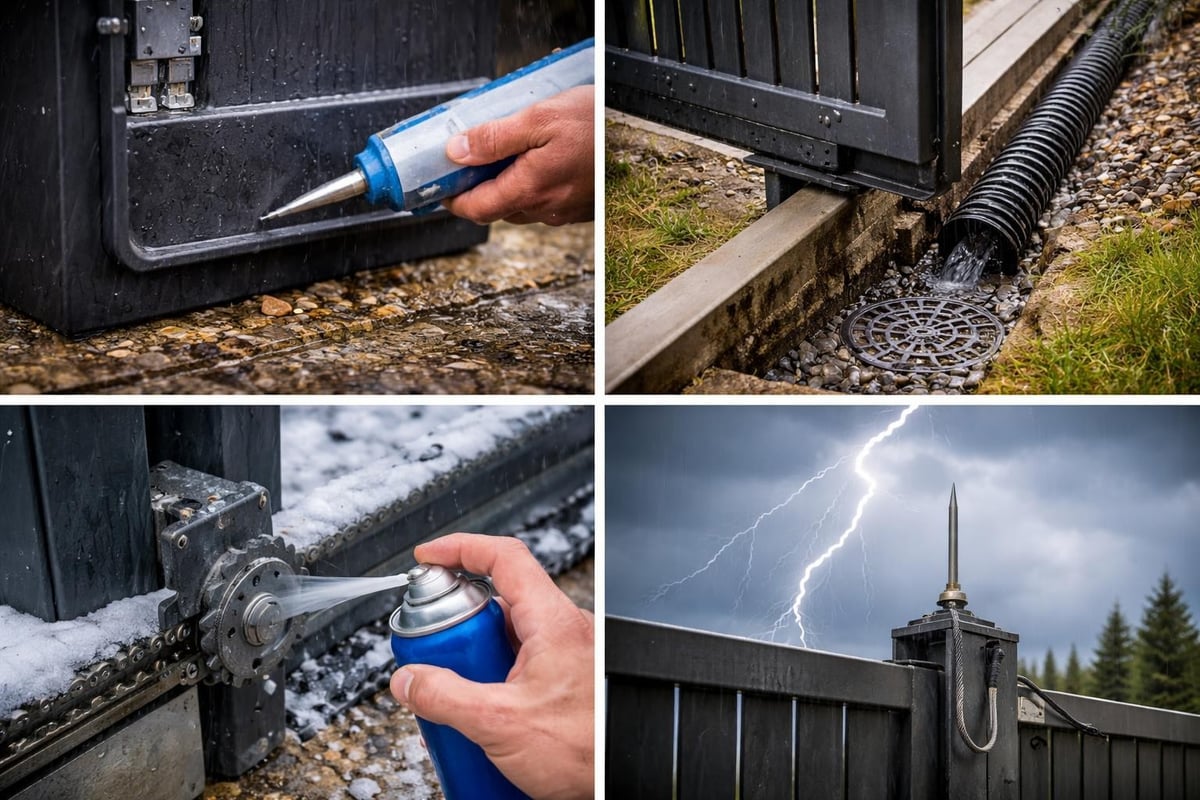
Extreme weather challenges gate systems in multiple ways. Ice accumulation prevents movement and damages components. Wind loads exceed design parameters during severe storms. Lightning strikes damage electronics despite surge protection. Understanding gate repair fundamentals includes recognizing weather-related failure patterns.
Cold weather stiffens lubricants, increasing motor load and slowing operation. Heat expands metal components, potentially creating binding in tight clearances. Rain infiltrates electrical enclosures through deteriorated seals. Address weather issues through appropriate lubricant selection, adequate clearances, and weatherproof enclosure maintenance.
Cost-Effective Repair Strategies
Gate repair expenses vary dramatically based on problem complexity, component availability, and service provider rates. Smart spending balances immediate cost concerns against long-term reliability and safety. Los Angeles property owners face premium pricing for emergency service, incentivizing proactive maintenance and informed decision-making.
DIY Versus Professional Service
Many gate repairs fall within homeowner capabilities, particularly mechanical adjustments and routine maintenance. However, electrical work requires expertise ensuring safety and code compliance. Structural modifications need engineering knowledge preventing failures under load. Professional gate services provide expertise, tools, and warranty coverage justifying their cost for complex repairs.
Appropriate DIY projects include:
- Hinge lubrication and adjustment using basic hand tools
- Track cleaning and debris removal with pressure washers
- Photo-eye cleaning and realignment following manufacturer instructions
- Remote control battery replacement and transmitter programming
- Basic visual inspections identifying obvious damage or wear
Professional intervention becomes necessary for motor replacement, control board diagnosis, structural welding, and electrical troubleshooting. Attempting these repairs without proper training creates safety hazards and potentially voids warranties.
Parts Quality Considerations
Replacement parts span quality and price ranges from generic aftermarket components to OEM specifications. Choosing appropriate parts balances cost against reliability and compatibility. Generic parts often fit multiple gate brands, reducing inventory costs but potentially compromising longevity.
OEM parts guarantee compatibility and typically include manufacturer warranties. However, premium pricing may not reflect proportional quality advantages. Reputable aftermarket manufacturers produce components meeting or exceeding OEM specifications at reduced cost. Professional installers maintain relationships with reliable suppliers, ensuring parts quality while managing expenses.
Seasonal Maintenance Requirements
Gate systems face different challenges across seasons, requiring adapted maintenance approaches. Seasonal preparation prevents weather-related failures and extends component lifespan. Los Angeles' mild climate reduces seasonal extremes compared to other regions, yet moisture, temperature variations, and wind still impact gate performance.
Spring and Summer Preparations
Warm seasons increase gate usage as outdoor activities expand. UV exposure accelerates material degradation, particularly plastics, rubber seals, and painted finishes. Dust accumulation peaks during dry months, infiltrating bearings and electrical enclosures.
Prepare for summer demands by inspecting motor cooling systems, verifying proper ventilation, and cleaning heat sinks. Test battery backup systems ensuring capacity for power outage protection. Inspect shade structures or covers protecting control boxes from direct sun exposure. Essential maintenance protocols address seasonal challenges systematically.
Fall and Winter Considerations
Cooler months bring increased rainfall, testing drainage systems and weatherproof seals. Leaf accumulation blocks tracks and clogs drainage channels. Temperature fluctuations cause expansion and contraction, potentially creating alignment issues.
Prepare for winter by clearing drainage paths, inspecting weatherproof seals, and switching to cold-weather lubricants. Verify heater operation in control boxes protecting electronics from condensation. Test emergency release mechanisms-cold weather stiffens cables and increases force requirements.
Long-Term Reliability Planning
Gates represent significant investments deserving protection through systematic care and timely intervention. Strategic planning for maintenance, repairs, and eventual replacement maximizes value while ensuring continuous security and functionality. Property owners who fix gates promptly and maintain them regularly avoid emergency situations requiring premium service rates.
Documentation and Service Records
Maintaining comprehensive service records provides valuable information for troubleshooting and planning. Document all repairs, part replacements, and adjustment dates. Record symptoms preceding failures, helping identify patterns and predict future issues. Save manufacturer documentation, wiring diagrams, and parts lists for reference during repairs.
Service records prove invaluable when selling properties, demonstrating responsible maintenance to potential buyers. Insurance claims benefit from documented maintenance history showing proper care. Warranty claims require proof of service compliance with manufacturer requirements.
Upgrade Opportunities
Gate technology advances continuously, offering improved reliability, security, and convenience. Older systems benefit from strategic upgrades enhancing performance without complete replacement. Modern control boards provide enhanced programming, smartphone integration, and improved diagnostics. Brushless motors deliver quieter operation with reduced maintenance needs. Solar power systems reduce operating costs while providing backup power.
Evaluate upgrade opportunities during routine repairs. Replacing failed motors presents ideal timing for upgrading to more efficient models. Control board failures justify investing in modern systems with enhanced capabilities. Comprehensive automated gate maintenance strategies include periodic technology assessments identifying beneficial upgrades.
Understanding how to properly fix gates combines diagnostic expertise, repair skills, and preventive maintenance knowledge. Whether addressing mechanical failures, electrical malfunctions, or structural issues, systematic approaches ensure effective solutions that restore reliable operation. Property owners who invest in regular maintenance and timely repairs protect their investments while maintaining the security and convenience automatic gates provide. When complex issues arise or professional expertise becomes necessary, Gates Express delivers comprehensive gate repair, installation, and maintenance services throughout Los Angeles, ensuring your property remains secure with expertly maintained gate systems.