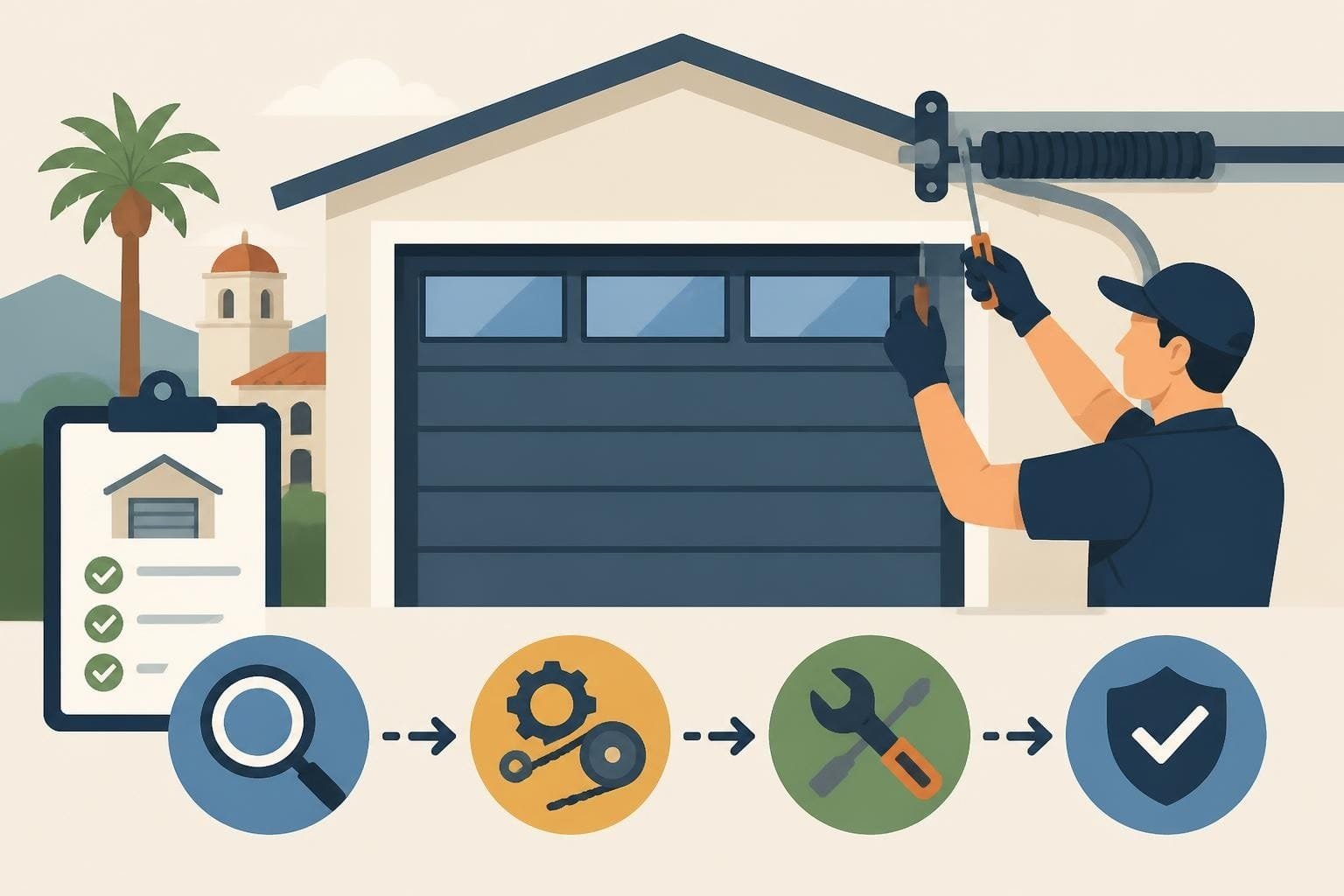

Pasadena homeowners understand the critical role a functioning garage door plays in daily life. Whether you're heading to work in the morning or securing your home for the night, a malfunctioning garage door creates immediate inconvenience and potential security risks. Understanding when to address issues, what repairs typically cost, and how to select qualified professionals helps you maintain this essential home system efficiently. This comprehensive guide explores everything you need to know about garage door repair in Pasadena, from identifying common problems to navigating local regulations and finding trusted service providers.
Understanding Common Garage Door Problems in Pasadena
Garage doors operate under constant mechanical stress, cycling through hundreds of opening and closing sequences each year. The combination of Pasadena's warm climate, occasional Santa Ana winds, and daily use patterns creates specific wear patterns that homeowners should recognize.
Broken Springs and Cable Issues
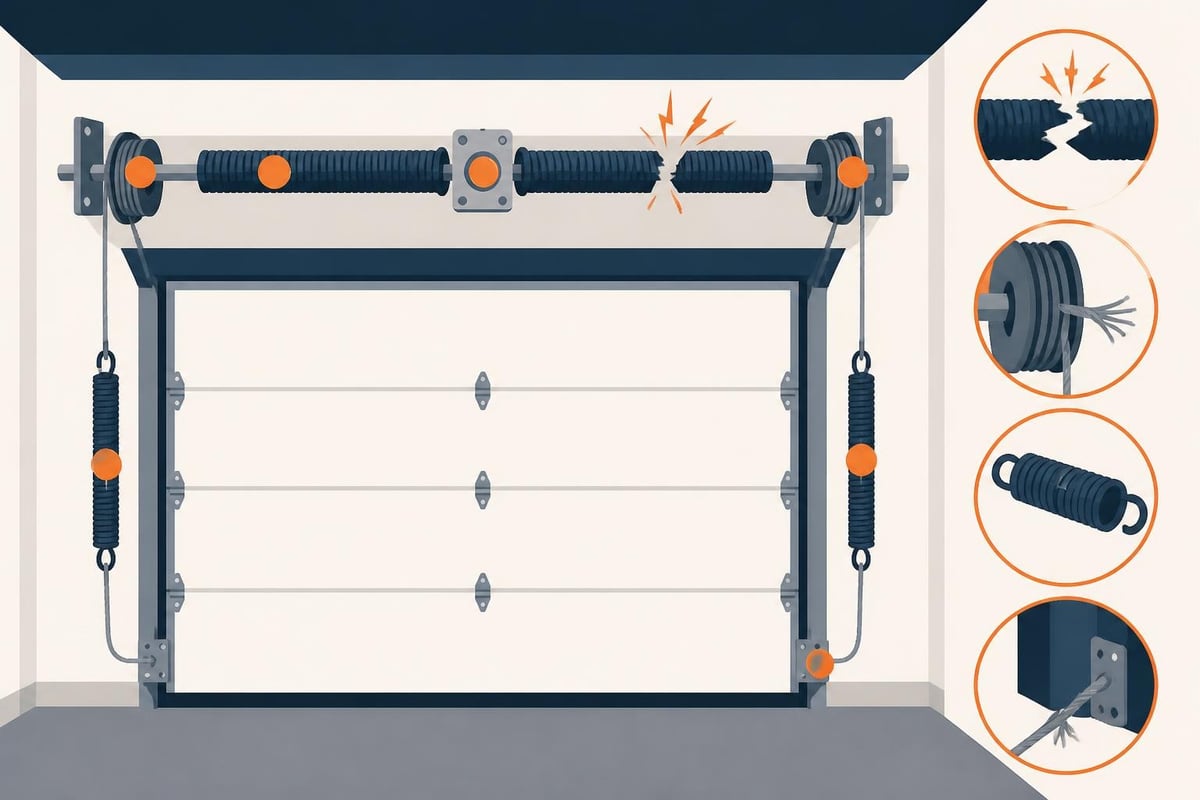
Torsion springs bear the weight of your garage door, typically lasting 7-10 years depending on cycle ratings and usage frequency. When these springs fail, the door becomes extremely heavy or won't open at all. Extension springs, common in older installations, present similar issues but fail differently, often with visible gaps or complete separation.
Cable problems frequently accompany spring failures. Frayed cables, detached drums, or improperly wound cables create dangerous situations where the door may fall unexpectedly. Gates & Garage Door Express Inc. emphasizes the importance of professional garage door repair for these components, as they operate under tremendous tension and require specialized tools for safe replacement.
Visible warning signs include:
- Door hanging unevenly or crooked when opening
- Loud popping or snapping sounds during operation
- Door won't lift more than a few inches
- Visible gaps in extension springs
- Cables lying loose on the ground
Opener Malfunctions and Motor Problems
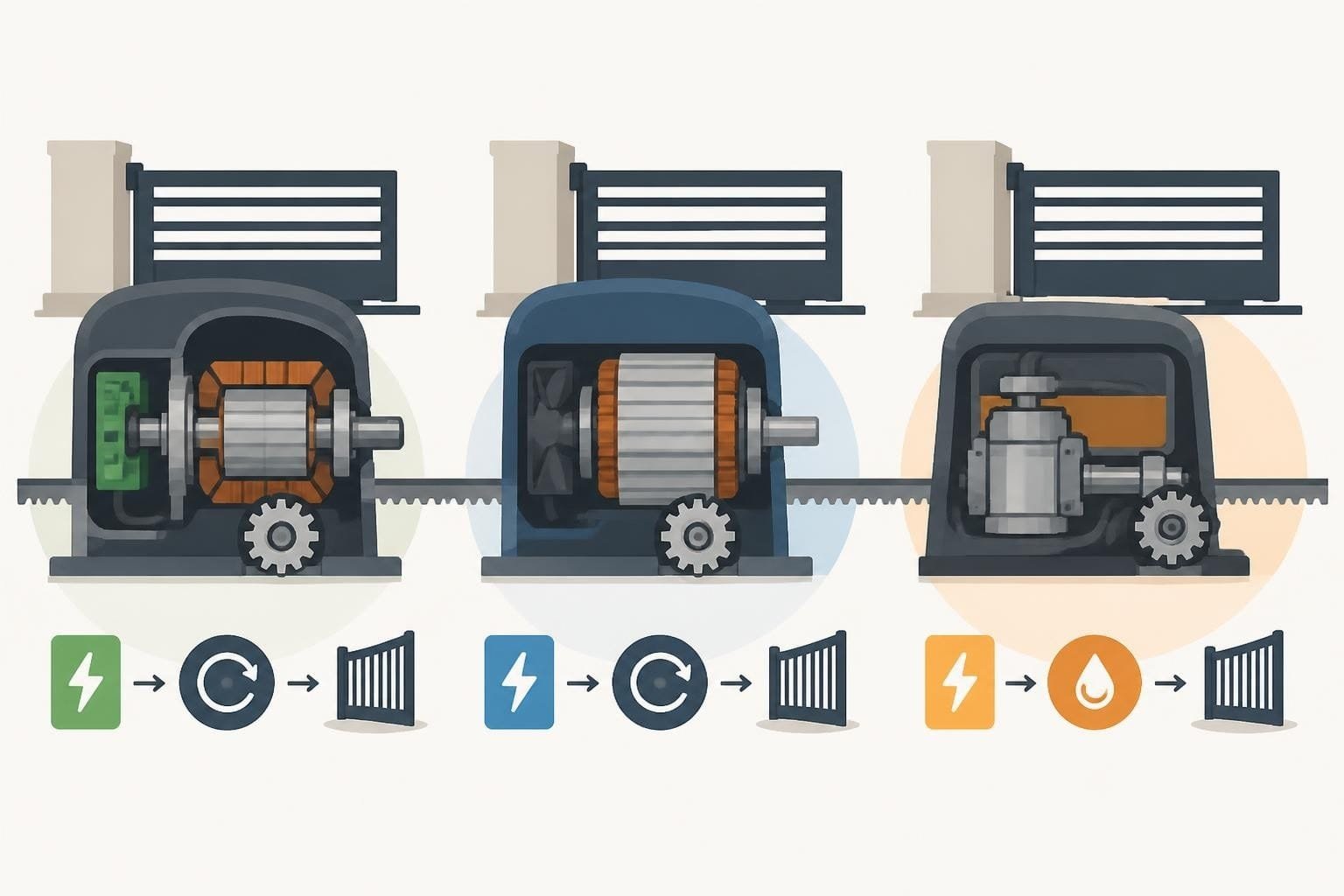
Modern garage door openers represent sophisticated electro-mechanical systems combining motors, drive mechanisms, safety sensors, and control electronics. Chain-drive, belt-drive, and screw-drive systems each present unique maintenance needs and failure modes.
Motor burnout occurs when openers work against excessive resistance caused by binding tracks, worn rollers, or spring failures. Circuit board failures, capacitor problems, and gear stripping represent common electrical and mechanical issues. The federal safety standard for automatic residential garage door operators mandates specific entrapment protection features that must function correctly to prevent injuries.
Sensor misalignment creates frustrating intermittent operation where doors reverse unexpectedly or refuse to close. These photo-eye sensors, positioned near the floor on both sides of the door opening, require precise alignment and clean lenses to function properly. Remote control programming issues, wall switch problems, and keypad failures round out common opener-related service calls.
| Problem | Typical Cause | DIY Fix Possible? |
|---|---|---|
| Door reverses immediately | Sensor misalignment or obstruction | Yes – clean and align |
| Opener hums but door doesn't move | Stripped gears or clutch failure | No – requires parts replacement |
| Remote works intermittently | Weak battery or frequency interference | Yes – replace battery, reprogram |
| Door closes partially then reopens | Limit switch adjustment needed | Maybe – requires technical knowledge |
Track and Roller Deterioration
Metal tracks guide your garage door through its travel path, maintaining alignment and preventing binding. Dented tracks, bent sections, or misaligned mounting brackets cause binding, uneven operation, and excessive wear on other components.
Rollers connect the door panels to the tracks, with nylon and steel options available. Nylon rollers operate more quietly but typically last 5-7 years, while steel rollers create more noise but may last longer in some applications. Worn rollers develop flat spots, crack, or seize completely, creating dragging sounds and jerky movement.
Weather stripping deterioration along the door bottom and edges allows air infiltration, reducing energy efficiency and allowing moisture, dust, and pests to enter. The Department of Energy’s guidance on home weatherization emphasizes how garage door sealing contributes to overall home energy performance, particularly important in attached garages where air leakage affects conditioned living spaces.
Selecting Qualified Repair Technicians
Finding experienced, trustworthy garage door repair professionals protects your investment and ensures safe, compliant work. Pasadena's competitive service market offers numerous options, making informed selection critical.
Credentials and Certifications to Verify
Professional organizations like the Institute of Door Dealer Education & Accreditation provide industry training and certification programs for technicians. IDEA-certified professionals demonstrate commitment to ongoing education and industry best practices.
Verify that contractors carry:
- Current contractor licenses appropriate to California requirements
- Liability insurance protecting your property during service
- Workers' compensation coverage for technician injuries
- Manufacturer certifications for specific door and opener brands
The DASMA standards establish technical benchmarks that qualified professionals follow for installation, repair, and maintenance procedures. Technicians familiar with these industry standards deliver more reliable, code-compliant work.
Evaluating Service Guarantees and Response Times
Same-day service capabilities matter when garage door failures create security concerns or prevent vehicle access. Family-owned businesses like Gates & Garage Door Express Inc. often provide faster response times than larger corporate chains, with technicians who build relationships with local communities.
Warranty terms vary significantly between providers. Quality repairs should include:
- Parts warranties covering manufacturer defects (typically 1-5 years)
- Labor guarantees ensuring proper installation (90 days to 1 year)
- Written documentation of warranty terms and exclusions
- Clear communication about what scenarios void coverage
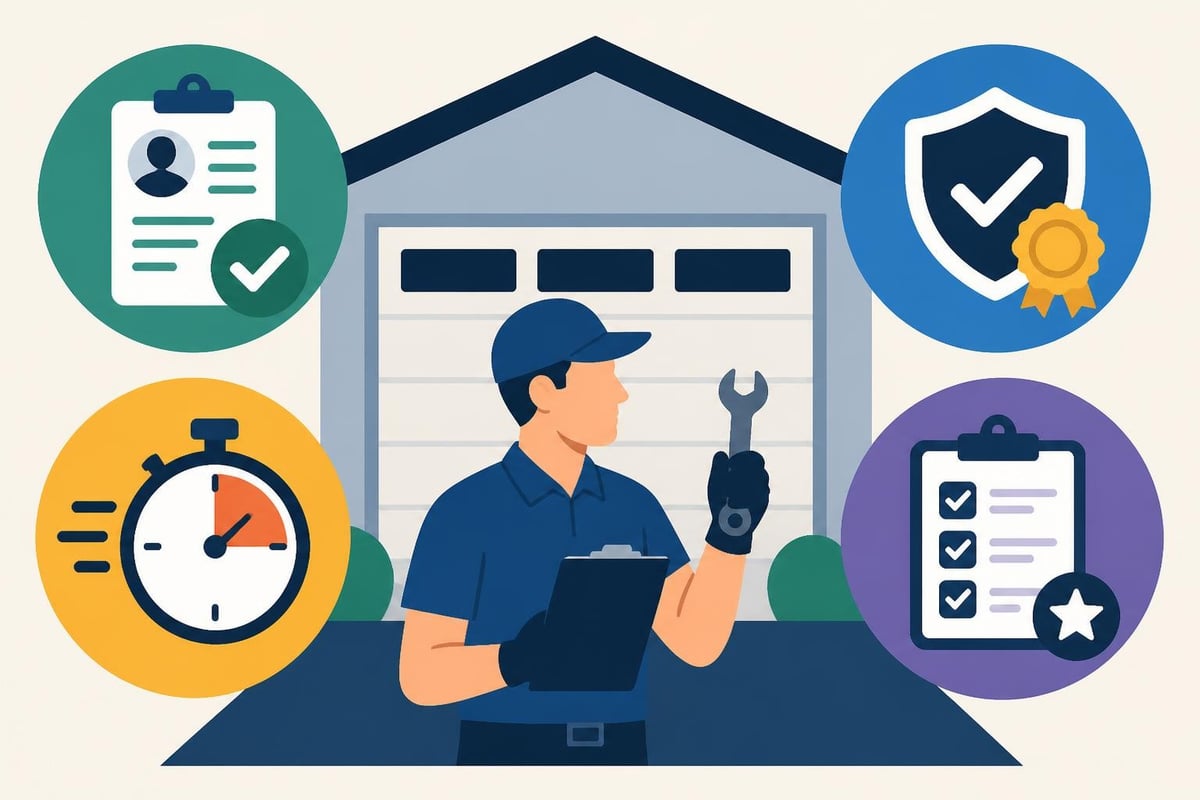
Request detailed written estimates before authorizing work. Professional estimates itemize parts, labor, trip charges, and any diagnostic fees. Comparing multiple estimates helps identify fair market pricing while revealing which providers explain their work most thoroughly.
Navigating Pasadena Building Codes and Permits
Local regulations govern significant garage door work, ensuring safety and maintaining property values throughout Pasadena neighborhoods. Understanding permit requirements prevents code violations and future complications during home sales or refinancing.
When Permits Are Required
The City of Pasadena Permit Center administers building permits for garage door projects. Complete door replacements, structural modifications, and opener installations in new construction typically require permits and inspections.
Repair work replacing components in-kind generally doesn't require permits. Spring replacement, roller changes, panel repairs, and opener servicing fall under routine maintenance. However, the Pasadena Building Code specifies scenarios where permits become necessary:
- Structural changes to the garage opening
- Complete door replacement with different dimensions
- Fire-rated door installations in attached garages
- Major electrical work for opener circuits
- Work affecting load-bearing components
Emergency repairs addressing immediate safety hazards may proceed without permits, but follow-up permit applications ensure code compliance once the emergency is resolved.
California-Specific Safety Requirements
California maintains stringent safety standards for residential garage doors, particularly regarding spring systems and entrapment protection. The California Department of Housing & Community Development publishes amendments to state building codes that affect garage door installations and repairs.
Current requirements include:
- Secondary containment cables through extension springs preventing spring projection during failure
- Manual release mechanisms allowing door operation during power outages
- Photo-eye sensors preventing door closure when obstructions are detected
- Automatic reverse functions activating when the door contacts objects
- Battery backup systems in new installations (required in some jurisdictions)
Technicians performing repairs must maintain these safety features in working order. Disabling or bypassing safety systems violates code and creates liability exposure for property owners. Professional service providers like those offering garage door motor repair ensure all safety systems function correctly after completing repairs.
Cost Considerations for Pasadena Homeowners
Garage door repair costs vary based on problem complexity, parts quality, and service provider pricing models. Understanding typical price ranges helps you budget appropriately and identify unusually high or suspiciously low quotes.
Typical Repair Expenses by Component
Spring replacement represents one of the most common repair needs. Single-car garage door spring replacement typically costs between $150-$300, while double-car doors range from $200-$400. High-cycle springs designed for commercial use or extended lifespans add $50-$150 to these ranges.
Opener repairs span a wider range depending on whether motor replacement, gear assembly work, or electronic repairs are needed:
| Repair Type | Typical Cost Range | Notes |
|---|---|---|
| Opener sensor adjustment | $75-$125 | Quick service call |
| Remote/keypad programming | $50-$100 | Often included with other service |
| Motor replacement | $200-$400 | Plus opener model cost |
| Complete opener replacement | $300-$600 | Includes installation and disposal |
| Track realignment | $125-$250 | May require bracket replacement |
| Panel replacement | $250-$800 | Depends on door style and availability |
Roller replacement costs $150-$250 for a complete set including labor, with nylon rollers commanding premium prices over steel options. Cable replacement typically costs $150-$200 when caught early, but increases if drum or bracket damage occurred during cable failure.
Service providers charging flat-rate pricing versus hourly rates structure estimates differently. Flat-rate pricing provides predictable costs but may include unnecessary service steps. Hourly billing offers flexibility but requires clear time estimates upfront to avoid surprise charges.
Long-Term Value of Preventive Maintenance
Annual maintenance contracts costing $100-$200 prevent many expensive failures through regular lubrication, adjustment, and inspection. These services identify worn components before complete failure, allowing scheduled replacement rather than emergency repairs at premium rates.
Maintenance programs typically include:
- Complete door balance testing and adjustment
- Track cleaning and alignment verification
- Roller, hinge, and hardware inspection
- Spring cycle estimation and condition assessment
- Opener force adjustment and safety sensor testing
- Weather stripping replacement as needed
Property managers and landlords benefit from documented maintenance histories. HUD’s physical inspection standards for garage doors outline specific deficiencies inspectors note during property evaluations, making regular maintenance essential for compliance.

Weather-Related Considerations for Pasadena
Southern California's climate creates specific challenges for garage door systems. While Pasadena avoids extreme winter cold, temperature fluctuations, wind exposure, and occasional heavy rain affect door operation and longevity.
Wind Loading and Structural Integrity
The FORTIFIED technical bulletin on garage door requirements addresses wind pressure ratings essential for coastal and high-wind areas. While Pasadena sits inland, properties in foothill areas experience powerful Santa Ana winds requiring attention to door strength.
Wind-rated doors resist deflection and maintain structural integrity during high-wind events. Standard residential doors typically meet 30-50 mph wind ratings, while enhanced models achieve 90-130 mph resistance through:
- Reinforced steel construction or aluminum framework
- Additional horizontal struts and bracing
- Upgraded mounting hardware and track systems
- Impact-resistant panel materials
- Enhanced weather stripping systems
Properties with insurance requirements for wind resistance should verify door ratings meet policy specifications. Upgrading to higher-rated doors during replacement provides peace of mind and potentially reduces insurance premiums.
Thermal Expansion and Contraction Issues
Daily temperature swings between morning lows and afternoon highs cause metal components to expand and contract. Over time, this cycling loosens hardware, affects door balance, and creates operational noise.
Seasonal adjustments help maintain optimal performance:
- Spring tension adjustments compensate for metal property changes
- Track alignment verification prevents binding from thermal expansion
- Hardware tightening addresses loosened bolts and brackets
- Lubrication maintenance reduces friction from thermal cycling
Insulated garage doors minimize temperature-related performance issues while providing energy benefits. R-values ranging from R-8 to R-18 reduce heat transfer, particularly important for attached garages where thermal transfer affects adjacent living spaces. Homes with living spaces above garages benefit most from insulated door investments, with the energy savings offsetting the $200-$600 premium over uninsulated models.
Emergency Repair Situations
Certain garage door failures demand immediate professional attention due to safety hazards or security vulnerabilities. Recognizing true emergencies helps you respond appropriately while avoiding after-hours service charges for situations that can wait until regular business hours.
Safety Hazards Requiring Immediate Response
Spring failures with the door in the open position create dangerous situations where the door may fall unexpectedly. The weight of a typical double-car garage door exceeds 200 pounds, capable of causing severe injury or property damage. Never attempt to lower a door manually after spring failure without professional assistance.
Off-track doors present similar hazards, with panels potentially falling or binding in positions that prevent securing the opening. Damaged cables, particularly when only one cable fails, create unbalanced doors that twist and bind dangerously.
Opener malfunctions where doors won't close leave properties vulnerable to unauthorized entry. Temporary security measures include:
- Disconnecting the opener release and manually closing the door
- Securing the door with C-clamps or locking pliers in the track
- Padlocking the door handle to the track
- Installing temporary bar locks across the interior
- Contacting emergency repair services for after-hours response
Properties storing valuable vehicles, tools, or providing direct home access through the garage should prioritize emergency repairs over temporary security measures. The risk of theft or intrusion often exceeds the premium for after-hours service.
Temporary Solutions and Safety Precautions
While waiting for professional repairs, homeowners can implement temporary measures to maintain basic functionality. Manual operation remains possible on most doors after disconnecting the opener, provided springs maintain enough tension to balance the door weight.
Never bypass or disable safety sensors to operate malfunctioning openers. These systems prevent entrapment injuries and meet mandatory safety requirements. Temporary fixes that compromise safety create liability exposure and potential injury risks far exceeding repair costs.
Weather protection becomes critical when doors won't close completely. Heavy-duty tarps secured across the opening prevent rain infiltration and provide minimal security deterrence. However, these temporary measures should not extend beyond 24-48 hours, as they leave properties vulnerable and don't address underlying mechanical failures.
Choosing Between Repair and Replacement
Aging garage doors eventually reach points where repair costs approach or exceed replacement value. Several factors inform this decision beyond simple cost comparison.
Age and Condition Assessment Factors
Door age provides the primary decision framework. Most residential garage doors last 15-30 years depending on construction quality, usage patterns, and maintenance history. Doors approaching or exceeding 20 years typically warrant replacement consideration, particularly when requiring major component repairs.
Material condition tells the story beyond chronological age:
- Steel doors: Check for rust, denting, and coating deterioration
- Wood doors: Inspect for rot, warping, and moisture damage
- Aluminum doors: Look for denting and corrosion at joints
- Fiberglass doors: Examine for cracking and UV degradation
Multiple component failures within short timeframes signal systemic aging. When spring, opener, and panel repairs occur within a year of each other, replacement becomes economically sensible. Calculate total repair costs over a 2-3 year window to compare against replacement investment.
Technology and Efficiency Upgrades
Modern garage doors offer significant improvements over systems installed before 2015. Smart home integration, battery backup systems, and enhanced insulation represent compelling upgrade reasons beyond simple functionality.
Current technology features include:
- Smartphone app control and monitoring
- Integration with home automation platforms
- Battery backup maintaining operation during outages
- Improved security with rolling-code technology
- Quieter belt-drive or direct-drive opener systems
- Enhanced safety sensors with faster response times
Energy efficiency improvements through better insulation and weather sealing reduce heating and cooling costs in attached garages. The investment in replacement may generate returns through lower utility bills, particularly in homes with conditioned garage spaces or living areas above garages.
Design updates enhance curb appeal and property values. Garage doors occupy significant visual space on most home facades, making style updates impactful. Real estate professionals consistently note that updated garage doors rank among the highest return-on-investment exterior improvements, recouping 90-95% of costs in increased home values.
Working with Local Pasadena Service Providers
Pasadena's established residential neighborhoods and diverse housing stock create steady demand for garage door services. Local, family-owned businesses often provide superior service compared to national chains through community investment and personalized attention.
Benefits of Local Versus National Chain Services
Local providers like Gates & Garage Door Express Inc. build reputations through word-of-mouth referrals and repeat business. This accountability drives quality work and fair pricing. Technicians working for local companies often have greater experience and receive more comprehensive training than franchisee employees working on commission quotas.
Response times favor local businesses, with service areas concentrated within reasonable driving distance. National chains dispatch technicians across wider territories, creating longer wait times for non-emergency calls. Same-day service becomes more reliable when providers maintain smaller, focused service regions.
Parts inventory and supplier relationships differ significantly. Established local providers stock common components and maintain relationships with regional distributors, expediting repairs requiring specialty parts. Chain operations may require ordering parts from centralized warehouses, extending repair timelines.
Community knowledge matters for code compliance and permitting. Local technicians understand Pasadena-specific regulations, know permit office personnel, and navigate local inspection requirements efficiently. This expertise prevents code violations and ensures work meets municipal standards.
Reading and Verifying Customer Reviews
Online reviews provide valuable insight into service quality, but require critical evaluation. Look for patterns across multiple review platforms rather than relying on single sources. Consistent themes regarding response times, pricing transparency, and technician professionalism indicate reliable service characteristics.
Red flags in reviews include:
- Multiple complaints about surprise charges or pricing changes
- Reports of pressure tactics for unnecessary upgrades
- Recurring issues with completed work quality
- Poor communication or missed appointments
- Inadequate cleanup or property damage
Recent reviews carry more weight than older feedback, as business practices and personnel change over time. Services with verified customer testimonials demonstrate confidence in their work quality and customer satisfaction.
Request local references from the provider before committing to major work. Reputable companies willingly provide contact information for recent customers in your neighborhood. Speaking directly with these references reveals information not captured in online reviews, particularly regarding follow-up service and warranty claim handling.
Maintaining Your Garage Door Between Service Calls
Proper maintenance extends garage door lifespan and prevents many common failures. Homeowners can perform several tasks safely without specialized tools or technical knowledge.
Monthly Visual Inspection Checklist
Dedicate 15-20 minutes monthly to systematic door examination. Visual inspection identifies developing problems before component failure:
- Watch the door operate through complete cycles, noting unusual sounds
- Check for binding, jerking, or uneven movement
- Inspect springs for gaps, stretching, or visible damage
- Examine cables for fraying, rust, or improper winding
- Verify rollers spin freely without wobbling or flat spots
- Confirm tracks remain straight without dents or bends
- Test photo-eye sensors by breaking the beam during closing
- Check weather stripping for cracking or separation
Document findings with dated photos, creating a maintenance history useful for identifying gradual deterioration. This record helps professional technicians diagnose intermittent problems and provides valuable information during warranty claims or insurance issues.
Safe DIY Maintenance Tasks
Lubrication represents the most important homeowner maintenance task. Apply lithium-based grease or garage door-specific lubricant to:
- Roller bearings (avoid lubricating nylon roller surfaces)
- Hinge pivot points
- Track curves (sparingly, excess attracts dirt)
- Spring coils (light coating only)
- Lock mechanisms and latches
Avoid using WD-40 or lightweight oils that attract dust and provide inadequate protection. Quality lubricants maintain viscosity through temperature extremes and don't wash away during rain exposure.
Balance testing identifies spring tension issues before complete failure. Disconnect the opener and manually lift the door halfway. Properly balanced doors remain stationary at any position. Doors falling indicate insufficient spring tension requiring professional adjustment. Doors rising indicate excessive tension, equally problematic for smooth operation.
Clean photo-eye sensors monthly with soft cloths and glass cleaner. Dirt accumulation and spider webs block the beam, causing operational problems. Verify alignment by checking the indicator lights on each sensor unit, typically showing solid illumination when properly aligned.
Hardware tightening prevents loosening from vibration during operation. Check and tighten:
- Track mounting brackets
- Roller bracket bolts
- Hinge screws and bolts
- Opener mounting hardware
- Door handle and lock assemblies
Use appropriate tools and avoid over-tightening, which can strip threads or crack brackets. Quarter-turn past snug typically provides adequate tightness for vibration resistance.
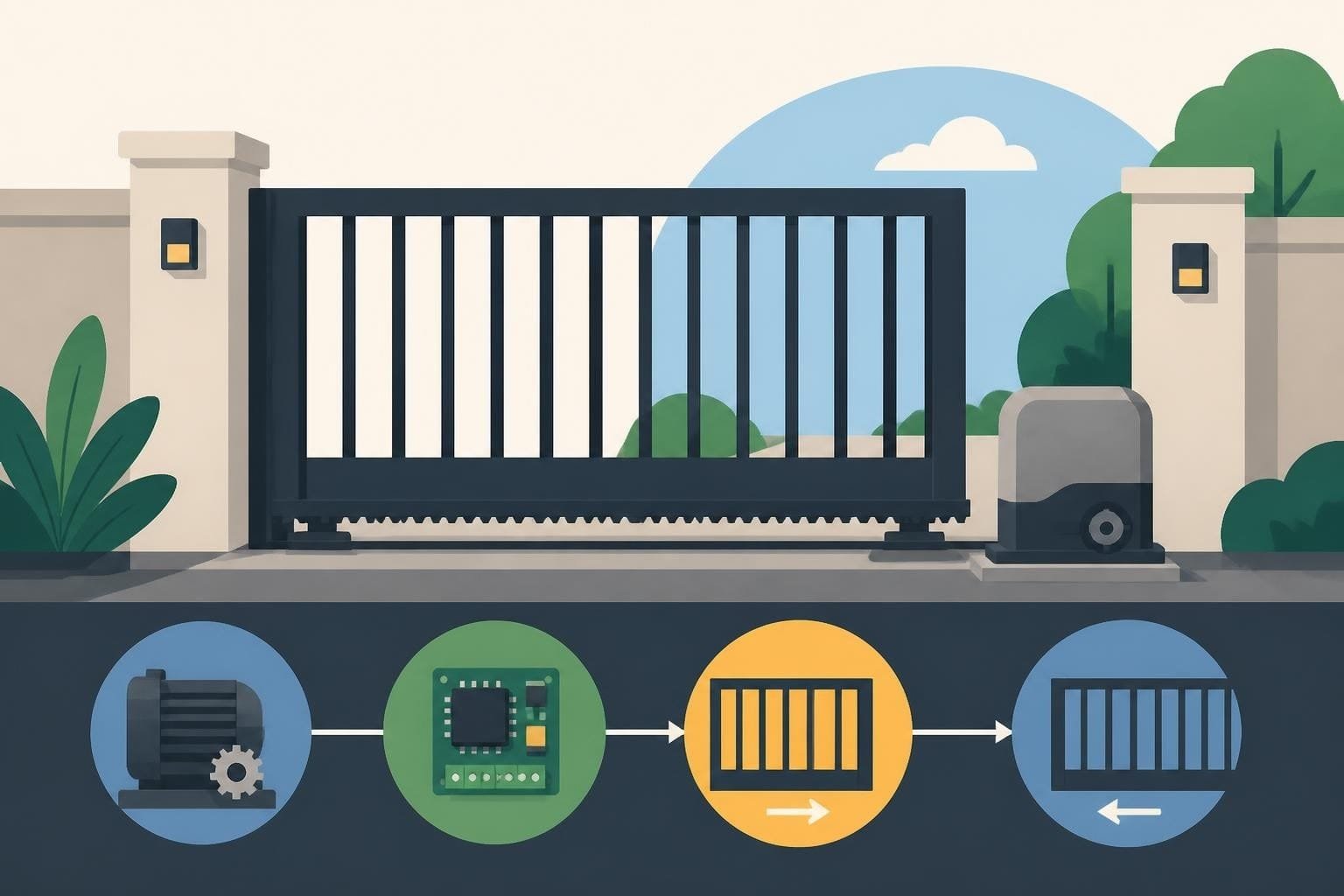
Maintaining a functional, safe garage door requires understanding common problems, knowing when professional help is necessary, and implementing regular preventive care. Pasadena homeowners benefit from working with experienced local technicians familiar with regional climate factors, building codes, and rapid response to emergency situations. Gates & Garage Door Express Inc. delivers comprehensive garage door and automatic gate services throughout the Pasadena area with same-day emergency response and a commitment to quality workmanship. Whether you need routine maintenance, emergency repairs, or complete system replacement, contact Gates & Garage Door Express Inc. for reliable, professional service backed by years of family-owned expertise.