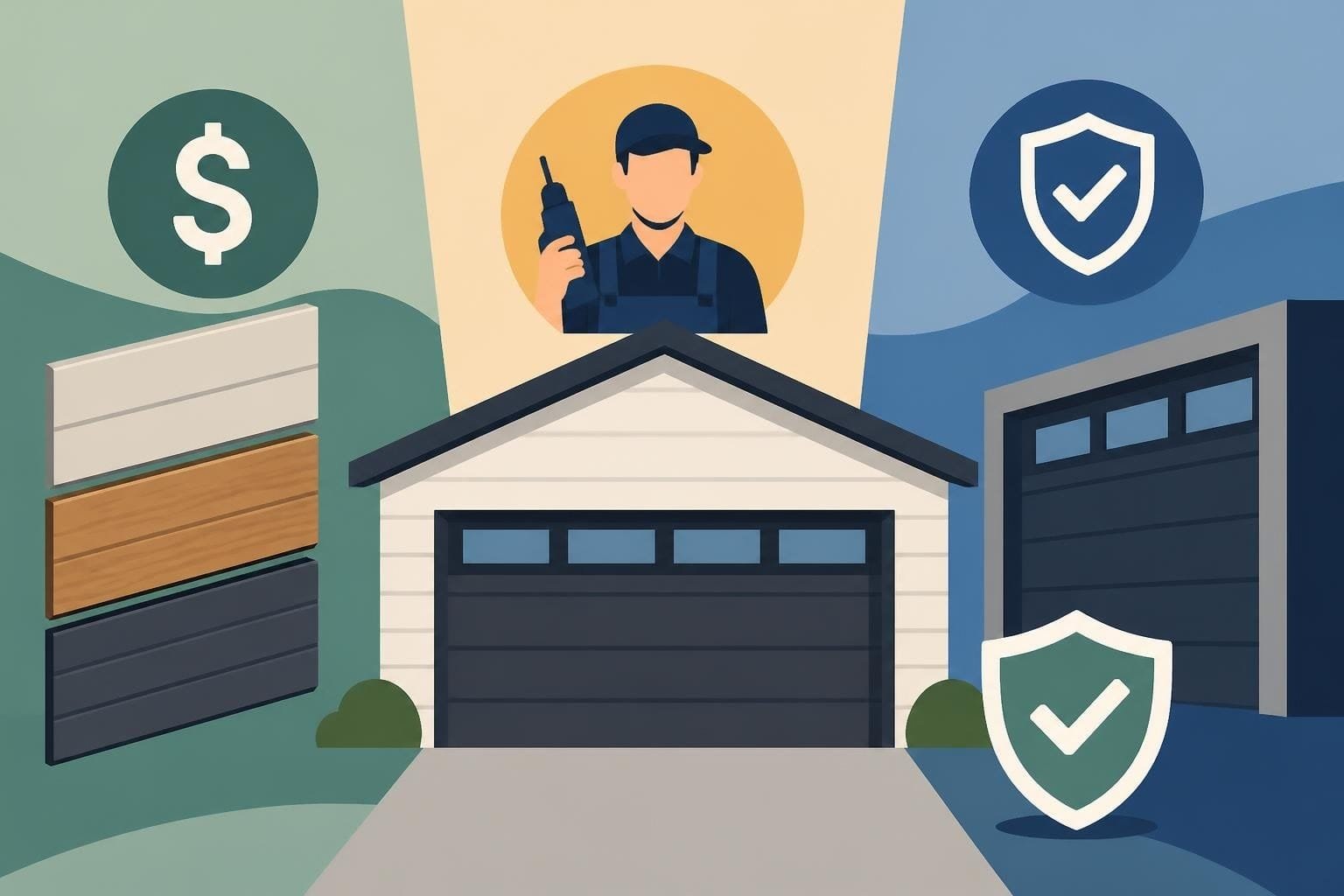


Modern homeowners face an evolving landscape of challenges when it comes to maintaining, upgrading, and securing their garage doors. From addressing unexpected malfunctions to ensuring compliance with updated safety standards, finding the right garage door solutions requires understanding both immediate repair needs and long-term performance optimization. This comprehensive guide explores practical approaches to common garage door challenges, helping property owners make informed decisions about repairs, replacements, safety upgrades, and preventive maintenance strategies that protect their investment and enhance daily convenience.
Understanding Common Garage Door Problems
Garage door systems consist of numerous interconnected components, each playing a critical role in smooth operation. When one element fails, the entire system can become compromised, creating safety hazards and operational frustrations.
Spring System Failures
Torsion and extension springs bear the full weight of garage doors, making them among the most stressed components in any residential structure. These springs typically endure 10,000 to 20,000 cycles before requiring replacement, with each cycle representing one complete opening and closing sequence.
Signs of spring deterioration include:
- Visible gaps in torsion springs
- Uneven door movement or tilting
- Loud banging sounds during operation
- Door dropping rapidly when closing
- Inability to lift the door manually
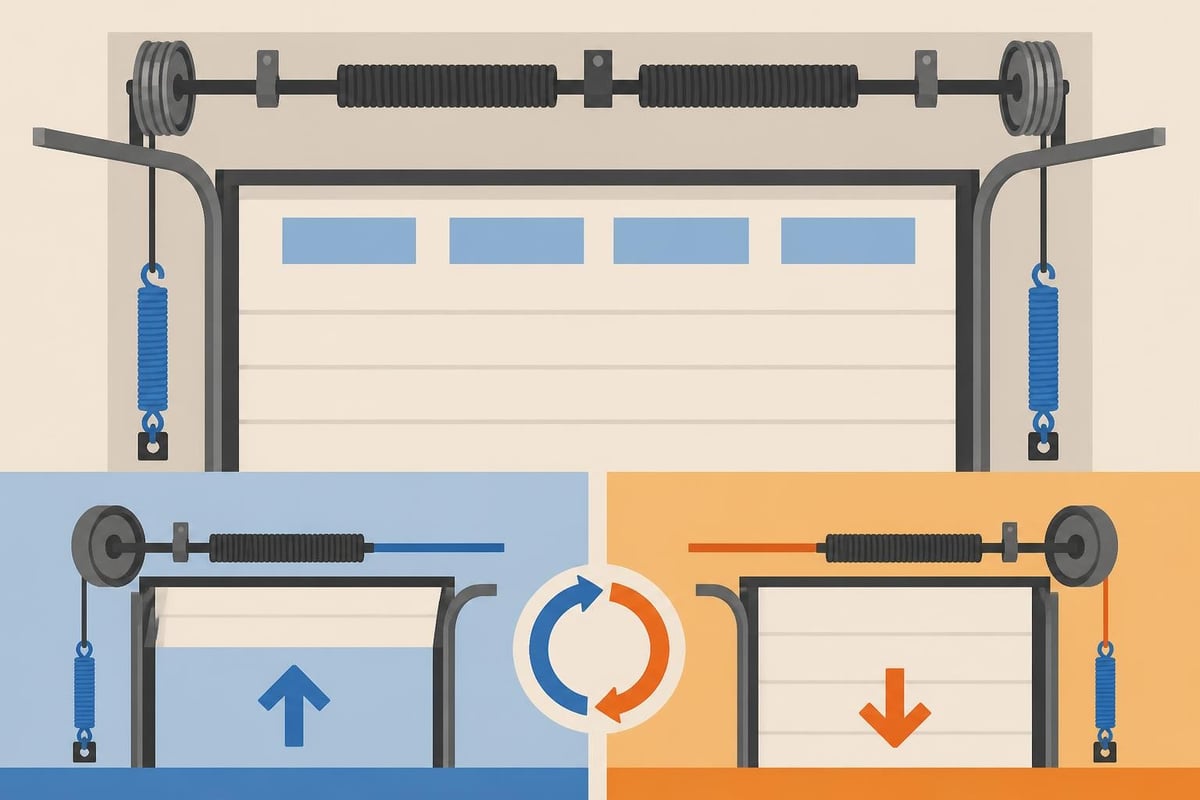
Spring replacement represents one of the most critical garage door solutions requiring professional expertise. The tension involved in these components creates serious injury risks for untrained individuals. Professional technicians use specialized tools and follow strict safety protocols to ensure proper installation and calibration.
Track Alignment and Roller Issues
Garage door tracks must maintain precise alignment to guide rollers smoothly through their vertical and horizontal paths. Even minor misalignments create friction, unusual noises, and premature wear on multiple system components.
| Problem | Symptoms | Solution |
|---|---|---|
| Bent tracks | Jerky movement, visible gaps | Professional straightening or replacement |
| Worn rollers | Squeaking, grinding sounds | Roller replacement with nylon or steel alternatives |
| Loose hardware | Rattling, track separation | Hardware tightening and reinforcement |
| Debris accumulation | Slow operation, stuttering | Track cleaning and lubrication |
Regular track inspections help identify developing problems before they escalate into costly repairs. Homeowners should visually examine tracks quarterly, looking for dents, bends, or obstructions that could compromise door operation.
Safety Feature Modernization
The mandatory safety standard for automatic residential garage door operators continues evolving to address injury risks and improve consumer protection. Older garage door systems often lack critical safety mechanisms that modern codes require.
Photo-Eye Sensors and Auto-Reverse Functions
Contemporary garage door solutions prioritize preventing entrapment injuries through dual safety systems. Photo-eye sensors project an invisible beam across the door opening, immediately reversing operation if any obstruction breaks the beam during closing. The auto-reverse function uses force sensors to detect resistance, stopping and reversing the door if it contacts an object.
Testing these safety features monthly ensures they function correctly:
- Place a solid object in the door's path
- Activate the closing sequence
- Verify the door reverses immediately upon beam interruption
- Test force sensitivity by holding the door bottom while closing
- Confirm the door reverses with minimal resistance
Homes with garage door openers installed before 1993 typically lack these essential safety features and should prioritize upgrading to compliant systems. Expert garage door repair services can assess your current system and recommend appropriate safety upgrades.
Emergency Release Mechanisms
Every automatic garage door opener includes an emergency release mechanism, typically a red handle connected to the opener carriage. This critical safety feature allows manual operation during power outages or system malfunctions.
Property owners should understand proper emergency release procedures and test the mechanism annually. During testing, verify that the door balances properly when disconnected from the opener. A door that drops rapidly or refuses to stay open indicates spring problems requiring immediate attention.
Weather Resistance and Energy Efficiency
Climate-related challenges demand garage door solutions that address temperature extremes, moisture infiltration, and energy loss. Upgrading weatherization components delivers measurable improvements in comfort and utility costs.
Weatherstripping and Seal Replacement
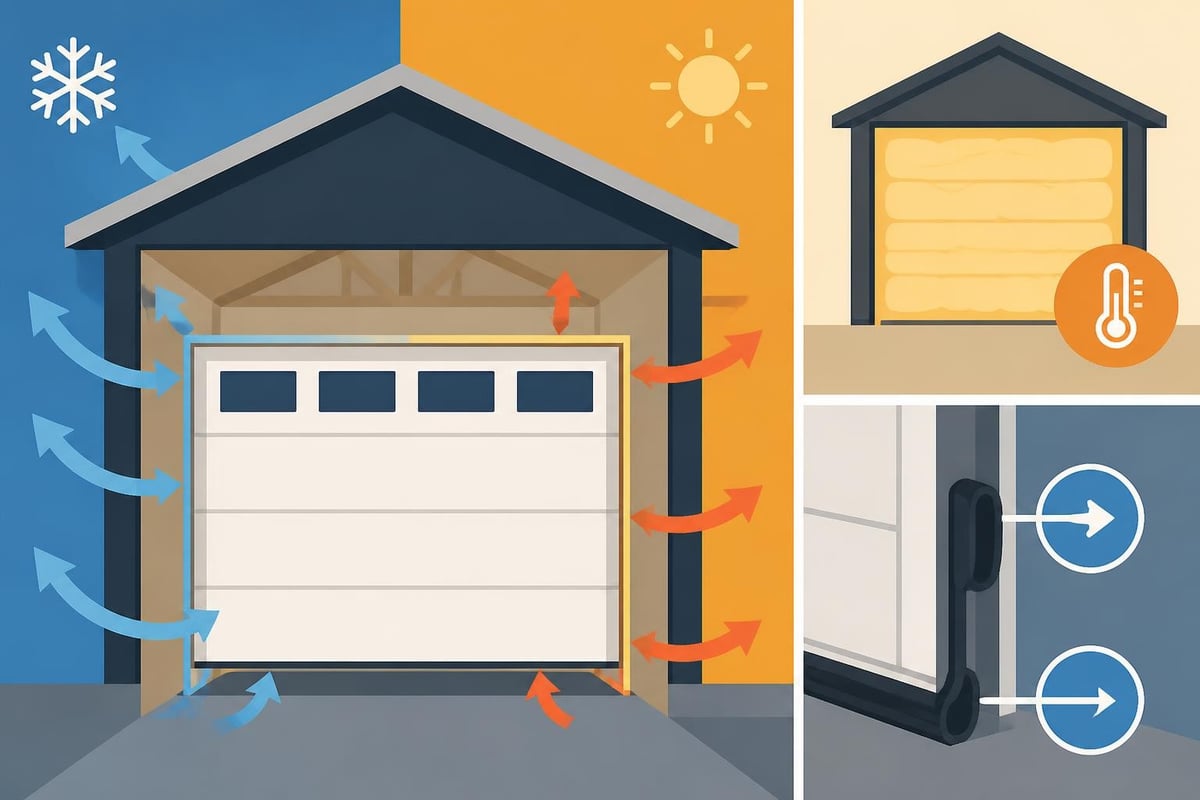
Garage doors experience constant expansion and contraction due to temperature fluctuations, gradually degrading weatherstripping effectiveness. The U.S. Department of Energy provides detailed guidance on installing weatherstripping to improve thermal performance and reduce air infiltration.
Key weatherstripping locations include:
- Bottom seal (door sweep)
- Perimeter jamb seals
- Stop molding weatherstripping
- Section joint seals (on sectional doors)
Replacing compromised weatherstripping prevents conditioned air loss, reduces dust and pest intrusion, and minimizes moisture damage to door components. Homeowners should inspect seals twice annually, replacing any sections showing cracks, compression set, or detachment.
Insulation Upgrades
Insulated garage door solutions provide substantial benefits beyond energy savings. DASMA technical standards define R-value ratings and thermal performance metrics that help consumers compare insulation effectiveness across different door models.
| Insulation Type | R-Value Range | Best Applications |
|---|---|---|
| Polystyrene foam | R-4 to R-6 | Budget-conscious upgrades |
| Polyurethane foam | R-16 to R-18 | Attached garages, climate extremes |
| Steel-back polystyrene | R-8 to R-10 | Moderate climates, mid-range budgets |
| None (single layer) | R-1 to R-2 | Detached garages, mild climates |
Properties with attached garages benefit most dramatically from insulation upgrades, as thermal transfer between the garage and living spaces significantly impacts HVAC efficiency. Insulated doors also operate more quietly and resist denting better than single-layer alternatives.
Wind Resistance and Storm Protection
Regions prone to hurricanes, severe thunderstorms, or high wind events require garage door solutions engineered for extreme weather conditions. Wind-related failures represent the most common structural breach during storms, potentially allowing catastrophic pressure changes that damage entire buildings.
Design Pressure Ratings
Garage doors must meet pressure-rating requirements based on local building codes and wind zone designations. These ratings indicate the maximum wind pressure the door assembly can withstand without failure.
Understanding design pressure involves several factors:
- Positive pressure: Wind pushing against the door exterior
- Negative pressure: Suction pulling the door outward
- Large missile impact: Resistance to debris strikes
- Small missile impact: Protection against smaller projectiles
FORTIFIED Home standards provide detailed guidance on selecting appropriately rated doors for high-wind regions, emphasizing the importance of proper installation and structural reinforcement.
Hurricane and Wind Bracing
Retrofitting existing garage doors with reinforcement systems offers cost-effective protection in areas facing moderate wind threats. Horizontal and vertical bracing kits strengthen door panels, reducing deflection and failure risks during wind events.
Professional installation ensures bracing systems integrate properly with existing tracks, hardware, and structural attachments. Improperly installed reinforcements can create stress concentration points that accelerate failure rather than preventing it.
Opener Technology and Smart Integration
Modern garage door solutions increasingly incorporate connected technologies that enhance convenience, security, and monitoring capabilities. Upgrading opener systems provides opportunities to integrate smart home ecosystems while improving reliability and safety.
Belt vs. Chain vs. Direct Drive Systems
Opener drive mechanisms directly impact noise levels, maintenance requirements, and longevity. Selecting the appropriate system depends on garage location relative to living spaces, budget constraints, and performance priorities.
Belt drive systems use reinforced rubber belts to move the door carriage, delivering exceptionally quiet operation ideal for garages with adjacent bedrooms or living areas. While typically more expensive than chain drives, belt systems require minimal maintenance and provide smooth, vibration-free performance.
Chain drive systems remain the most economical option, using metal chains similar to bicycle components. These durable systems handle heavy doors effectively but generate more noise and require periodic lubrication to prevent excessive wear.
Direct drive (jackshaft) systems mount beside the door rather than overhead, saving ceiling space and operating with minimal noise. These systems work particularly well in garages with high ceilings, limited headroom, or where ceiling-mounted openers interfere with storage or lighting.
Smart Controls and Monitoring
Connected garage door openers enable remote operation, activity monitoring, and automated scheduling through smartphone applications. These garage door solutions address common concerns about whether doors were left open, providing peace of mind and enhanced security.
Key smart features include:
- Real-time opening/closing notifications
- Remote operation from anywhere with internet access
- Scheduled automatic closing at specified times
- Guest access codes with time restrictions
- Integration with home automation platforms
- Battery backup for operation during power outages
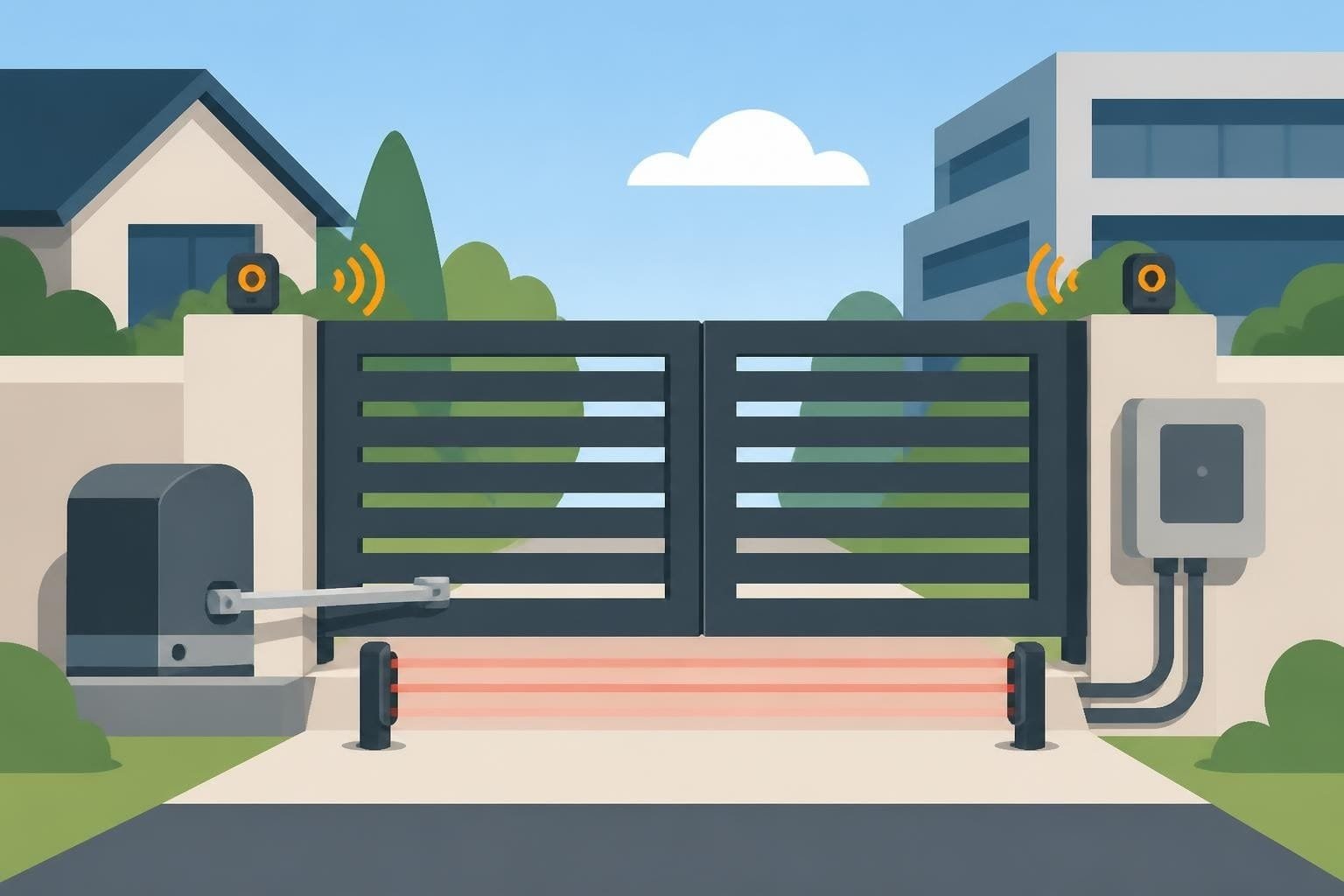
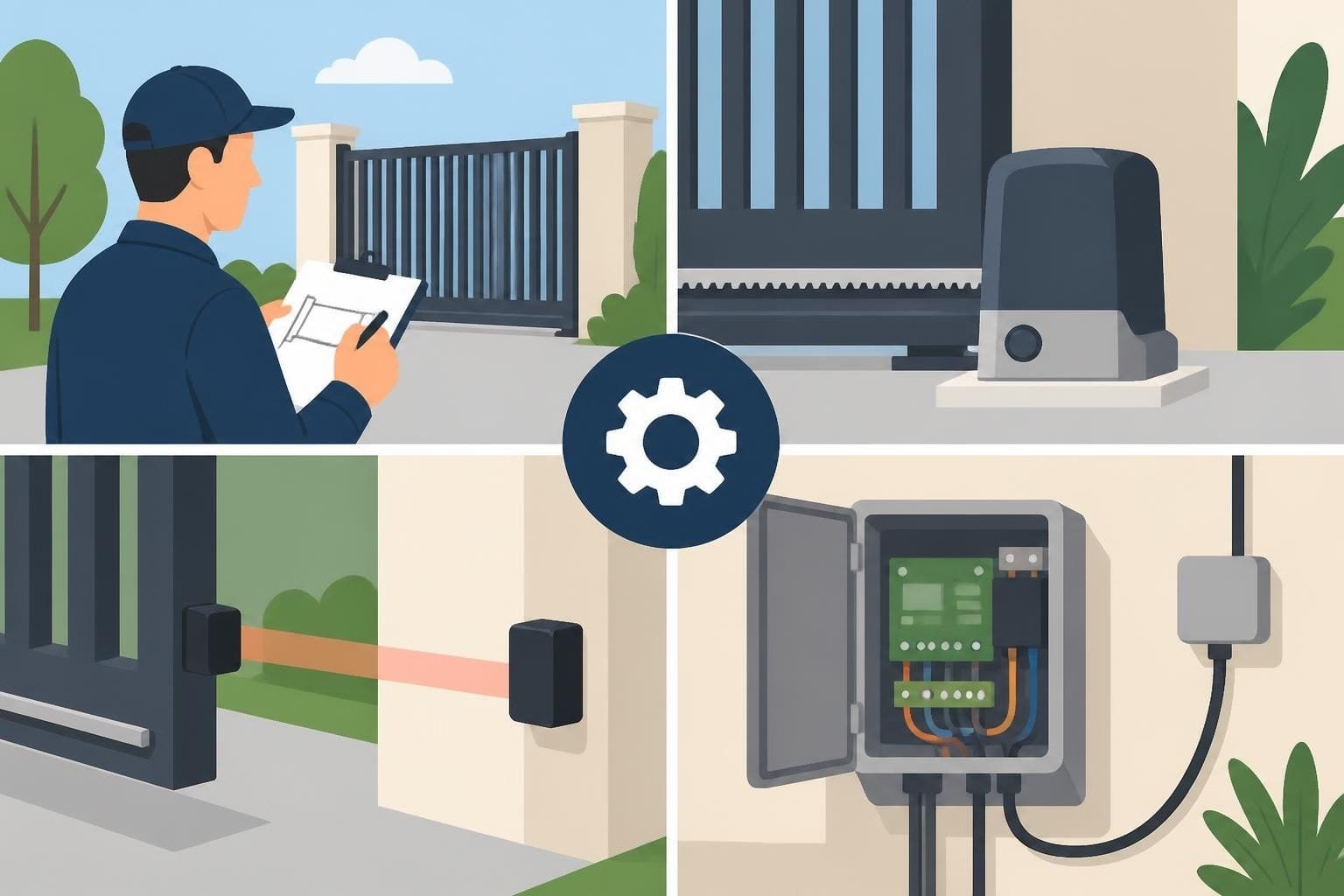
When selecting smart opener systems, verify compatibility with existing door weight and hardware specifications. Some applications require additional sensors or hub devices to enable full functionality. For more complex installations involving multiple garage doors or integration with security gates, professional assessment ensures proper system configuration and reliable performance across all access points.
Fire-Rated and Specialty Applications
Specific property configurations and building code requirements may necessitate specialized garage door solutions that provide fire resistance, enhanced security, or unique operational characteristics.
Fire-Rated Door Requirements
Attached garages connected to living spaces through common walls often require fire-rated doors and frames to comply with building codes. Installing fire-rated garage doors provides critical time for occupants to evacuate during fire emergencies while limiting fire spread between spaces.
Fire ratings indicate the duration a door assembly can withstand fire exposure while maintaining its barrier function. Common ratings include:
- 20-minute rated doors for standard residential applications
- 45-minute rated doors for enhanced protection
- 60-minute or 90-minute systems for commercial or high-risk properties
These specialized garage door solutions require proper installation by certified professionals familiar with fire-rated assembly requirements. Compromising installation procedures, such as creating unsealed penetrations or using inappropriate hardware, voids the fire rating and creates code compliance issues.
Commercial and Roll-Up Solutions
Commercial properties often require different approaches than residential applications, with emphasis on durability, security, and high-cycle performance. Roll-up doors provide space-efficient operation for businesses with limited clearance or frequent daily use.
Understanding commercial garage door solutions involves evaluating:
- Cycle rating: Number of opening/closing cycles the door can sustain
- Wind load capacity: Structural resistance for exposed locations
- Security features: Reinforcement, locking mechanisms, alarm integration
- Operational speed: Time required for complete opening/closing sequences
For properties throughout the Los Angeles area requiring commercial applications, specialized services like roll up door repair ensure these heavy-duty systems receive proper maintenance and prompt repairs to minimize business disruptions.

Maintenance Programs and Preventive Care
Implementing systematic maintenance schedules represents one of the most cost-effective garage door solutions available to property owners. Regular inspections and minor adjustments prevent the majority of emergency repairs while extending system lifespan significantly.
Monthly Inspection Checklist
Homeowners should perform visual and functional inspections monthly, documenting observations and addressing minor issues promptly:
- Visual examination: Check for rust, corrosion, loose hardware, frayed cables
- Balance test: Disconnect opener, manually lift door halfway, verify it stays in position
- Safety sensor test: Obstruct photo-eye beam during closing, confirm reversal
- Auto-reverse test: Apply resistance during closing, verify immediate reversal
- Lubrication: Apply garage door-specific lubricant to rollers, hinges, springs, tracks
Documentation helps identify developing patterns that may indicate component deterioration requiring professional attention. Maintaining service records also assists technicians in understanding system history during repairs.
Professional Service Intervals
While monthly homeowner inspections address basic maintenance needs, professional servicing provides comprehensive system evaluation and precision adjustments beyond typical DIY capabilities. Most manufacturers recommend professional maintenance annually, with increased frequency for doors experiencing heavy use or harsh environmental exposure.
Professional maintenance typically includes:
- Spring tension measurement and adjustment
- Hardware torque verification and tightening
- Track alignment measurement and correction
- Roller and bearing inspection with replacement recommendations
- Opener force adjustment and safety feature calibration
- Cable condition assessment and wear measurement
Establishing relationships with qualified service providers ensures prompt response when unexpected failures occur. Many companies offer maintenance agreements providing scheduled service visits, priority emergency response, and discounted repair rates. For comprehensive gate and garage door support, Gates & Garage Door Express Inc. combines professional maintenance programs with same-day emergency services throughout Los Angeles.
Code Compliance and Installation Standards
Proper installation according to manufacturer specifications and building codes ensures garage door solutions perform safely and reliably throughout their service life. International Residential Code provisions for garage doors establish minimum requirements addressing structural attachment, safety features, and operational standards.
Permit and Inspection Requirements
Many jurisdictions require building permits for garage door replacement, particularly when modifying openings, changing door types, or upgrading from manual to automatic operation. Permit processes ensure installations meet current code requirements and receive proper inspection verification.
Working without required permits creates several risks:
- Code violations that complicate property sales
- Liability issues if door failures cause injuries
- Insurance claim denials for unpermitted work
- Requirement to remove and reinstall work to obtain retroactive permits
Professional installers typically handle permit applications and coordinate required inspections as part of their service packages. This approach ensures compliance while protecting property owners from regulatory complications.
Structural Support Verification
Garage door installations demand adequate structural support to safely carry door weight and operational loads. Headers, jambs, and attachment points must meet engineering requirements based on door size, weight, and wind load ratings.
Older homes may require structural reinforcement before installing heavier insulated doors or wind-rated systems. Professional assessment identifies necessary upgrades, ensuring new garage door solutions integrate safely with existing building structures without creating stress concentration points or overload conditions.
Choosing Between Repair and Replacement
Property owners frequently face decisions about whether repairing existing systems makes more economic sense than complete door replacement. Multiple factors influence this assessment beyond simple cost comparison.
Decision Matrix Considerations
| Factor | Repair Indicator | Replacement Indicator |
|---|---|---|
| Door age | Less than 10 years | More than 15-20 years |
| Damage extent | Single component failure | Multiple system problems |
| Energy efficiency | Adequate insulation | Significant heat loss/gain |
| Safety features | Current code compliance | Missing modern safety systems |
| Aesthetic condition | Minor cosmetic issues | Severe denting, warping, rust |
| Operational noise | Normal sound levels | Excessive grinding, squealing |
Comprehensive cost-benefit analysis should consider not only immediate expense but also energy savings potential, expected lifespan after repair, and safety improvements available through replacement. Doors showing rust penetration, significant panel damage, or obsolete safety features typically warrant replacement rather than continued repair investments.
Material Selection for Replacement
When replacement becomes the optimal solution, material selection significantly impacts performance, maintenance requirements, and aesthetic results. Modern garage door solutions utilize various materials, each offering distinct advantages:
Steel doors provide excellent durability, security, and cost-effectiveness. Available in multiple gauge thicknesses, steel doors can incorporate various insulation levels and accept numerous finish options. Powder-coated or painted finishes protect against rust in most climates.
Aluminum doors deliver lightweight performance with natural corrosion resistance. Contemporary aluminum designs feature insulated cores and attractive finish options, though the material dents more easily than steel. These doors work particularly well in coastal environments where salt air accelerates steel corrosion.
Wood composite and natural wood doors offer traditional aesthetics with varying maintenance requirements. While natural wood demands regular finishing to prevent weather damage, engineered wood composites provide wood appearance with reduced maintenance needs and better dimensional stability.
Fiberglass doors resist salt air corrosion and can simulate wood grain patterns through textured surfaces. These lightweight doors may yellow over time from UV exposure and can crack in extremely cold temperatures, limiting their suitability in certain climates.
Implementing effective garage door solutions requires balancing immediate repair needs with long-term performance goals, safety compliance, and energy efficiency objectives. Whether addressing unexpected malfunctions, upgrading outdated safety features, or planning comprehensive system replacements, informed decision-making protects your investment while ensuring reliable daily operation. Gates & Garage Door Express Inc. brings family-owned dedication and professional expertise to every garage door challenge throughout Los Angeles, offering same-day emergency response and comprehensive maintenance programs that keep your systems operating smoothly year-round.