

When investing in a new garage door or repair service, the promise of guaranteed garage doors offers peace of mind. However, understanding what these guarantees actually cover, how long they last, and what conditions apply can make the difference between genuine protection and unexpected expenses. In 2026, homeowners face an increasingly complex landscape of warranties, certifications, and service promises that require careful evaluation before making purchasing decisions.
Understanding Guaranteed Garage Doors and Their Coverage
Guaranteed garage doors represent a commitment from manufacturers, installers, or service providers to stand behind their products and workmanship. These guarantees typically fall into several distinct categories, each offering different levels of protection and duration.
Manufacturer Product Warranties
The foundation of guaranteed garage doors starts with manufacturer warranties covering materials and construction defects. Most reputable manufacturers offer warranties ranging from one year on basic components to lifetime coverage on specific parts like door sections or springs.
Common warranty tiers include:
- Limited lifetime warranties on steel door sections and frameworks
- 5-10 year coverage on mechanical components including springs and hardware
- 1-3 year warranties on painted or finished surfaces
- 90-day to 1-year coverage on weather seals and rubber components
These warranties protect against manufacturing defects but typically exclude damage from improper installation, lack of maintenance, or environmental factors beyond normal use. Reading the fine print reveals important exclusions that can affect your long-term protection.

Installation and Labor Guarantees
Beyond the product itself, installation guarantees represent a critical component of guaranteed garage doors. Professional installers who stand behind their work typically offer separate warranties covering labor and installation quality.
Installation guarantees generally range from 90 days to one year, though some premium installers extend coverage to match product warranties. These guarantees ensure that if problems arise from improper installation, the installer returns to correct the issue at no additional charge.
| Guarantee Type | Typical Duration | What's Covered | Common Exclusions |
|---|---|---|---|
| Product Warranty | 1 year – Lifetime | Manufacturing defects, materials | Normal wear, abuse, lack of maintenance |
| Installation Guarantee | 90 days – 1 year | Workmanship, proper setup | Customer modifications, accidents |
| Service Agreement | 1-3 years | Regular maintenance, adjustments | Parts replacement, emergency calls |
| Performance Promise | Varies | Operational standards | Environmental extremes, force majeure |
When evaluating guaranteed garage doors from service providers, verify that both product and labor warranties transfer if you sell your property, and confirm whether coverage requires professional maintenance at specified intervals.
Safety Standards Behind Guaranteed Garage Doors
Genuine guaranteed garage doors meet specific safety certifications that protect homeowners from entrapment and operational hazards. The UL 325 safety standard has protected consumers for over 50 years, establishing requirements for automatic door operators.
Mandatory Safety Features
Federal regulations require automatic residential garage door operators to incorporate specific safety mechanisms. The Safety Standard for Automatic Residential Garage Door Operators underwent important updates in 2024, strengthening requirements for entrapment protection and force limits.
Required safety components include:
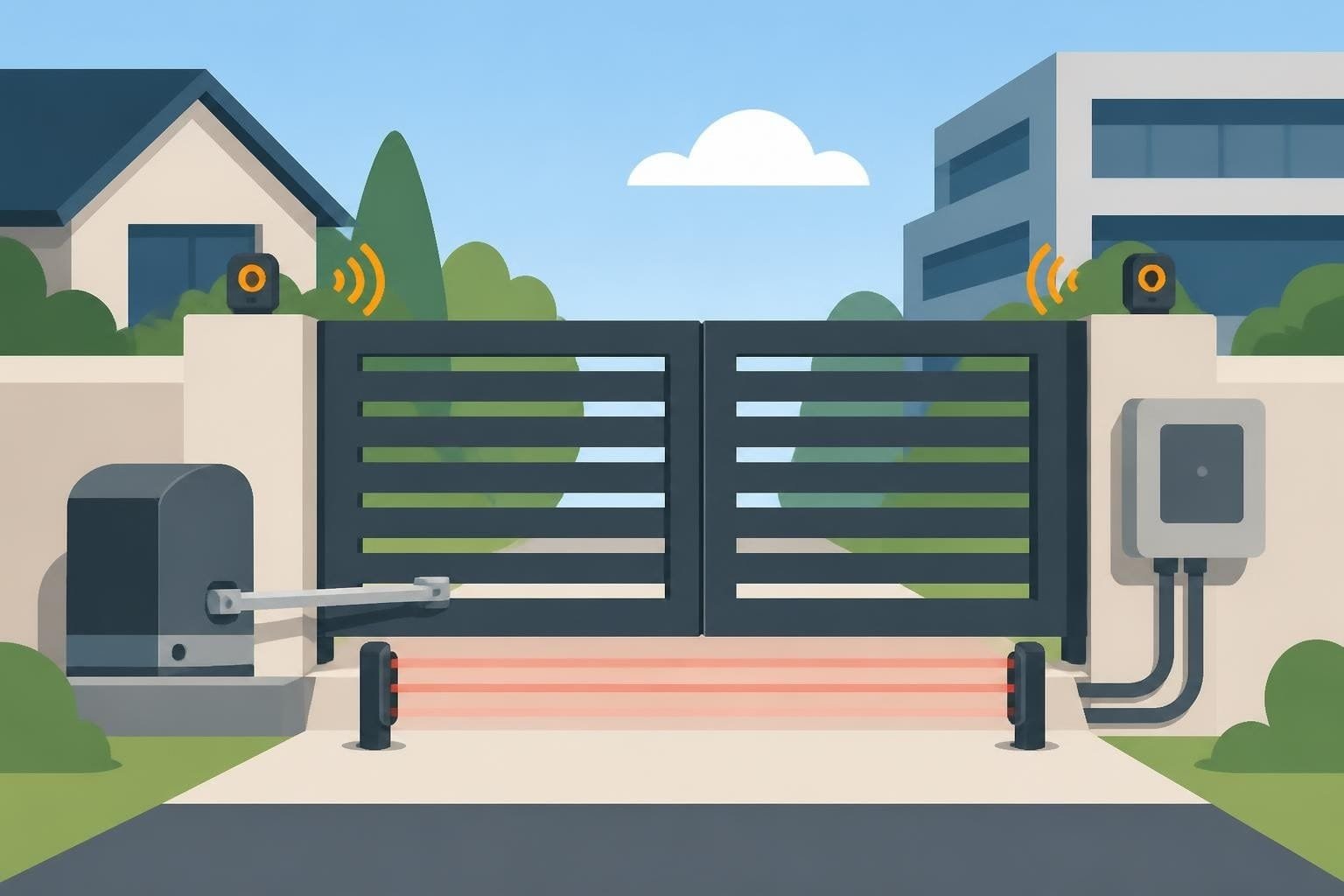
- Photo-eye sensors that detect obstructions in the door's path
- Auto-reverse mechanisms triggered by contact with objects
- Manual release systems allowing emergency operation during power outages
- Compliant force settings preventing excessive closing pressure
These safety features form the baseline for any guaranteed garage doors installed in 2026. Reputable installers ensure these systems function properly and remain calibrated throughout the warranty period.
Industry Standards and Certifications
The Door & Access Systems Manufacturers Association maintains comprehensive industry standards covering everything from product specifications to thermal performance testing. These ANSI/DASMA standards provide the framework that manufacturers reference when offering guaranteed garage doors.
DASMA also publishes technical data sheets that installers and service technicians use to verify proper installation and maintenance procedures. These documents outline testing methods and performance criteria that support warranty claims and guarantee fulfillment.
Performance Guarantees and What They Promise
Beyond basic warranties, some manufacturers and installers offer performance guarantees that promise specific operational characteristics for guaranteed garage doors. These commitments address how well the door functions rather than simply whether components fail.
Wind Load and Weather Resistance
In regions prone to severe weather, performance guarantees may specify wind resistance ratings. The FORTIFIED Home technical bulletin provides authoritative guidance on garage doors in high-wind designations, outlining testing requirements and labeling standards.
Guaranteed garage doors marketed for coastal or storm-prone areas should reference specific wind load ratings, typically measured in pounds per square foot. These ratings indicate the wind pressure the door can withstand without failure.
Performance specifications to verify:
- Wind load rating (psf) appropriate to your region
- Cycle life testing results (10,000+ cycles for residential doors)
- Temperature tolerance ranges for materials and operators
- Sound rating for quiet operation guarantees
For properties requiring gate systems alongside garage doors, similar standards apply. The ASTM F2200 specification governs automated vehicular gate construction and testing, providing comparable performance benchmarks.

Evaluating Service Provider Guarantees
When selecting a company to install or repair guaranteed garage doors, the installer's own guarantees often matter as much as manufacturer warranties. Professional service providers differentiate themselves through comprehensive guarantee programs that extend beyond basic coverage.
What Professional Guarantees Should Include
Reputable service companies offering guaranteed garage doors provide clear, written guarantees covering multiple aspects of their work. These guarantees should specify response times, completion standards, and remedy procedures if problems arise.
At a minimum, professional guarantees should address:
- Workmanship warranty period (typically 6-12 months minimum)
- Parts warranty alignment with manufacturer coverage
- Service call response times for warranty-related issues
- Satisfaction guarantees allowing remedy if you're not pleased with results
The International Door Association offers guidance on ensuring repairs are done right, helping consumers vet installer qualifications and understand reasonable service expectations. When seeking garage door repair services, confirming these guarantee elements before work begins prevents disputes later.
Red Flags in Guarantee Language
Not all guarantees offer equal protection. Certain warning signs in guarantee language suggest limited actual coverage or difficult claim processes.
| Red Flag | What It Means | Better Alternative |
|---|---|---|
| "Satisfaction guaranteed or your money back*" | Asterisk leads to restrictive conditions | Clear, unconditional guarantee with specific remedy |
| Prorated warranties | Coverage value decreases each year | Non-prorated or clearly explained reduction schedule |
| Transferability unclear | May not protect future owners | Explicitly transferable with simple process |
| Maintenance required but undefined | Vague requirements allow claim denial | Specific maintenance schedule with documentation system |
Guaranteed garage doors backed by companies with vague or heavily conditional language often create frustration when homeowners attempt to exercise their coverage rights.
The Role of Regular Maintenance in Guarantees
Most guarantees on guaranteed garage doors include maintenance requirements as conditions for continued coverage. Understanding these obligations helps homeowners maintain warranty validity while ensuring optimal door performance.
Required Maintenance Activities
Manufacturer and installer guarantees typically mandate periodic maintenance performed either by the homeowner or a professional service provider. These requirements aren't arbitrary but protect both parties by preventing premature failure from neglect.
Standard maintenance requirements include:
- Visual inspections monthly checking for loose hardware, frayed cables, and worn rollers
- Lubrication every 3-6 months of moving parts including springs, hinges, and tracks
- Photo-eye cleaning quarterly ensuring sensors maintain proper alignment and function
- Professional tune-ups annually for comprehensive inspection and adjustment
- Documentation of all maintenance to support warranty claims if needed
Some guaranteed garage doors require professional maintenance by certified technicians at specified intervals. While this adds cost, it ensures trained eyes catch developing problems before they cause failures.
Documentation Requirements
Maintaining warranty coverage on guaranteed garage doors demands proper documentation of all maintenance, repairs, and service calls. Many manufacturers require proof of regular maintenance before honoring warranty claims on failed components.
Best practices for documentation include:
- Photographing the door and components before and after maintenance
- Retaining all receipts for professional service and replacement parts
- Keeping a maintenance log with dates and activities performed
- Storing warranty documents and service agreements in an accessible location
- Requesting written work orders detailing all repairs performed
This documentation protects your investment by providing clear evidence of proper care when filing warranty claims. Companies offering guaranteed garage doors appreciate customers who maintain thorough records, as it streamlines the claims process.
Comparing Guarantee Value Across Providers
With multiple options for guaranteed garage doors in any market, comparing the true value of different guarantee programs requires analysis beyond surface-level promises. The strongest guarantees balance comprehensive coverage with reasonable conditions and straightforward claim processes.
Coverage Depth vs. Coverage Length
A common marketing tactic emphasizes long coverage periods while limiting what those guarantees actually cover. A 10-year guarantee covering only specific components may provide less real protection than a 3-year comprehensive guarantee covering all parts and labor.
When comparing guaranteed garage doors, create a matrix evaluating:
- Which specific components each guarantee covers
- Whether coverage includes parts only or parts plus labor
- How coverage value changes over time (prorated vs. non-prorated)
- What triggers coverage (failure vs. defect vs. performance degradation)
Comparison example:
| Provider | Duration | Parts Covered | Labor Included | Prorated | Maintenance Required |
|---|---|---|---|---|---|
| Budget Option | 10 years | Springs only | First year only | Yes, 10%/year | Unspecified |
| Mid-Range | 5 years | All mechanical | Full duration | No | Annual professional |
| Premium | Lifetime (door), 10 years (parts) | All components | Lifetime install, 5 years parts | No | Semi-annual |
This comparison reveals that the "10-year guarantee" actually provides decreasing value each year and excludes most labor costs after year one, while shorter guarantees may offer superior real-world protection.

Claims Process Accessibility
The best guarantee means nothing if filing claims proves impossible or excessively burdensome. When evaluating guaranteed garage doors, investigate how the claims process works and what experiences other customers report.
Questions to ask before purchasing:
- How do I initiate a warranty claim?
- What's the typical response time for claim evaluation?
- Who determines whether an issue qualifies for coverage?
- What happens if we disagree about coverage eligibility?
- Are there inspection fees or service charges even under warranty?
Companies confident in their guaranteed garage doors make claims processes transparent and customer-friendly. Hesitation to explain procedures or vague answers about claim requirements suggest potential difficulties when you need coverage most.
Regional Considerations for Guaranteed Garage Doors
Geographic location significantly impacts what guarantees should cover and which features matter most for guaranteed garage doors. Environmental factors unique to your region determine which performance characteristics deserve attention.
Climate-Specific Coverage Needs
Homeowners in coastal areas require guaranteed garage doors resistant to salt air corrosion, while those in northern climates need doors maintaining flexibility and seal integrity through temperature extremes. Verify that guarantees specifically address your region's challenges.
For Los Angeles and Southern California specifically:
- UV resistance guarantees for finishes exposed to intense sunlight
- Thermal expansion accommodation for temperature swings between day and night
- Corrosion protection particularly near coastal neighborhoods
- Wind load ratings appropriate to local building codes
Regional building codes may mandate specific performance standards that guaranteed garage doors must meet. Reputable local installers understand these requirements and structure guarantees accordingly.
Local Installer Advantages
Choosing local service providers for guaranteed garage doors offers practical advantages when exercising warranty coverage. Proximity enables faster response times, while established community presence suggests long-term stability to honor multi-year guarantees.
Local installers familiar with regional conditions also recommend appropriate products and configurations for your environment, reducing the likelihood of premature failures that test guarantee coverage.
Guarantee Exclusions and Limitations
Understanding what guaranteed garage doors don't cover proves as important as knowing included protections. Every guarantee contains exclusions that limit manufacturer and installer obligations under specific circumstances.
Common Exclusions
Standard exclusions across most guaranteed garage doors include:
- Acts of nature including floods, earthquakes, hurricanes, and lightning strikes
- Vandalism or intentional damage from any source
- Modifications or repairs performed by unauthorized parties
- Commercial use of residential-rated products
- Normal wear and tear on consumable components like weather stripping
- Cosmetic issues that don't affect function, including minor scratches or color variations
Some exclusions prove reasonable, while others may indicate inadequate product quality. For instance, excluding normal wear on springs makes sense given their consumable nature, but excluding paint fading within warranty periods suggests inferior finishing.
Conditions That Void Coverage
Certain actions void even comprehensive guarantees on guaranteed garage doors. These conditions protect manufacturers and installers from liability for problems caused by customer actions or third-party intervention.
Coverage-voiding conditions typically include:
- Failure to perform required maintenance per warranty terms
- Installation modifications without manufacturer approval
- Use of non-approved replacement parts during repairs
- Removal and reinstallation during home renovations
- Failure to notify provider of problems within specified timeframes
Reading guarantee documents carefully reveals these conditions before they become issues. Some appear reasonable while others may prove difficult to satisfy, affecting your decision about which guaranteed garage doors to purchase.
The Economics of Guaranteed Garage Doors
Premium pricing for guaranteed garage doors reflects the additional value that comprehensive warranties provide. However, understanding the economic trade-offs helps determine whether enhanced guarantees justify higher initial costs.
Cost-Benefit Analysis
Extended guarantees and premium warranties add 10-30% to upfront garage door costs. Whether this investment makes financial sense depends on several factors including your home ownership timeline and local repair costs.
Consider these economic factors:
- Average service call costs in your area ($150-$300 in most markets)
- Typical spring replacement expenses ($200-$400 for professional service)
- Panel replacement costs ($400-$800 depending on door type)
- Opener repair or replacement ($250-$500 for quality units)
If comprehensive guaranteed garage doors cost $800 more but prevent just two major service calls over their lifetime, the guarantee pays for itself. Conversely, minimal warranties on doors you plan to replace during a remodel in three years may represent wasted investment.
Long-Term Value Considerations
Guaranteed garage doors provide financial value beyond direct repair cost savings. Transferable warranties enhance home resale value, while documented maintenance and warranty coverage reassure potential buyers about condition and remaining useful life.
Premium guarantees also provide budget certainty. Knowing major repairs and replacements fall under warranty coverage eliminates uncertainty about unexpected garage door expenses, a meaningful benefit for homeowners managing tight budgets.
Making Informed Decisions About Guaranteed Garage Doors
Armed with comprehensive understanding of what guarantees cover, how they work, and which features matter most, homeowners can make confident decisions about guaranteed garage doors. The strongest protection combines quality products, professional installation, comprehensive coverage, and realistic expectations.
Essential Questions Before Purchase
Before committing to any guaranteed garage doors, obtain clear answers to these critical questions:
- What exactly does the guarantee cover, and what does it exclude?
- How long does coverage last for each component?
- Does the guarantee include both parts and labor?
- What maintenance must I perform or document to maintain coverage?
- Is the guarantee transferable to future owners?
- What's the process for filing claims and expected response time?
- Does the installer/provider have established history honoring guarantees?
Reputable providers welcome these questions and provide written answers. Hesitation or vague responses suggest potential problems when you need to exercise warranty rights.
Verification and Due Diligence
Beyond asking questions, independent verification confirms guarantee legitimacy and provider reliability. Check licensing, insurance, and business standing before engaging any company for guaranteed garage doors installation or service.
Verification steps include:
- Confirming proper licensing with state and local authorities
- Verifying insurance coverage including liability and workers' compensation
- Reading recent customer reviews focusing on warranty experience
- Checking Better Business Bureau ratings and complaint history
- Requesting and contacting references from recent warranty work
This due diligence protects against unreliable providers who disappear when customers need warranty service, leaving guaranteed garage doors with worthless coverage.
Choosing guaranteed garage doors requires careful evaluation of warranty terms, safety standards, and provider reliability to ensure your investment delivers lasting protection and performance. When you need professional installation or repair services backed by genuine commitments to quality, Gates & Garage Door Express Inc. offers family-owned expertise throughout Los Angeles with same-day emergency service and transparent guarantees that protect your home and budget. Contact them today to discuss your garage door needs and experience the difference that dedicated, local professionals bring to every installation and repair.