
Overhead doors serve as critical access points for residential and commercial properties, combining security, convenience, and weather protection in a single system. Whether you're dealing with a malfunctioning garage door that won't open, unusual noises during operation, or complete system failure, understanding the fundamentals of overhead door repair can help property owners make informed decisions about maintenance and professional service. This comprehensive guide explores the most common repair issues, preventive maintenance strategies, safety considerations, and when to call a professional technician for assistance.
Understanding Overhead Door Systems and Components
Modern overhead doors consist of multiple interconnected components that must work in harmony to ensure smooth, safe operation. The door panel itself typically comprises three to eight horizontal sections connected by hinges, allowing the door to bend as it travels along the track system. These panels may be constructed from steel, aluminum, wood, or composite materials, each offering different durability, insulation, and maintenance requirements.
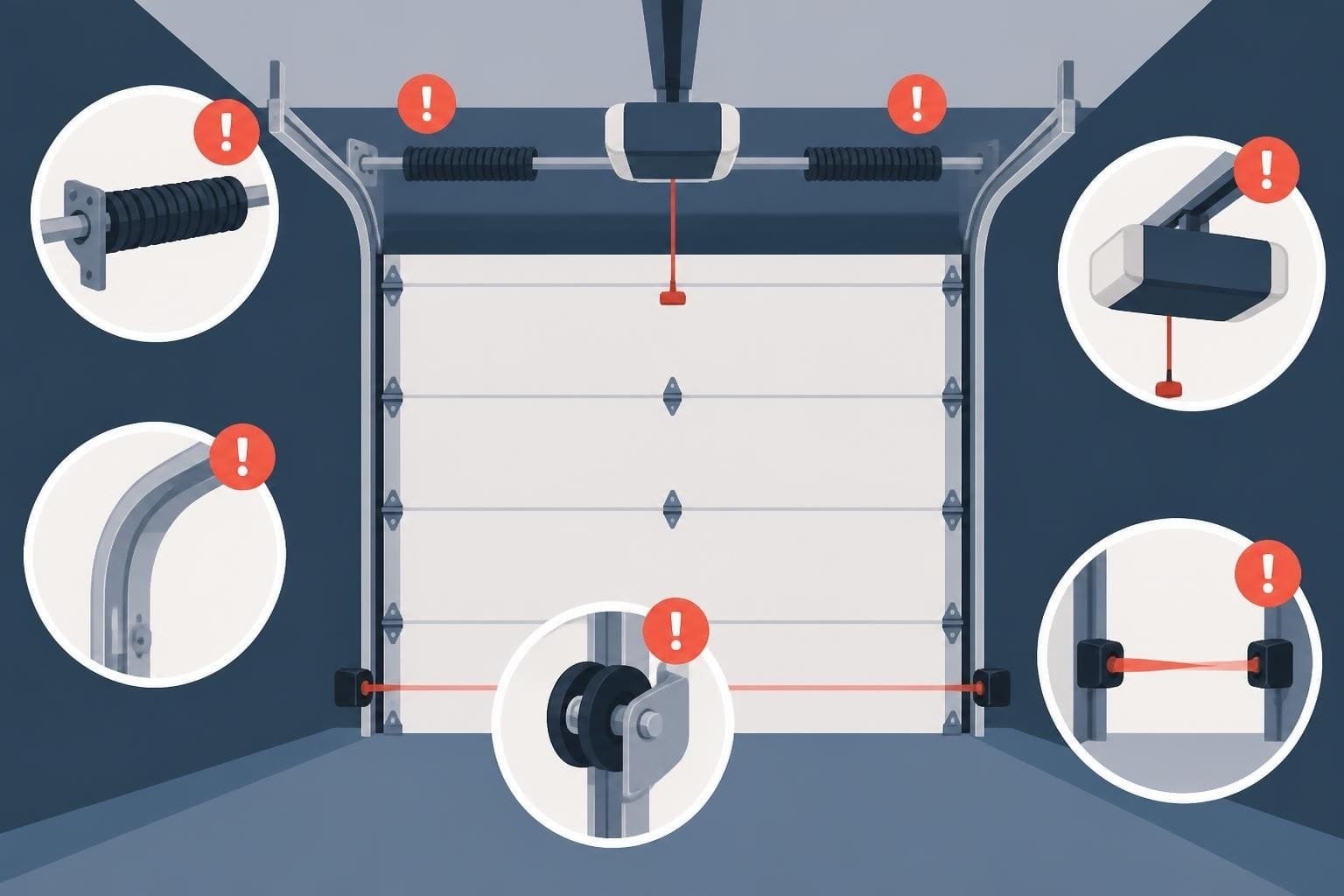
The lifting mechanism represents the heart of any overhead door system. Most residential installations rely on a torsion spring system mounted above the door opening or extension springs running parallel to the horizontal tracks. These springs bear the door's weight, creating counterbalance that allows the opener motor or manual operation to function with minimal effort. Spring systems are precisely calibrated to match the door's weight, making proper tension adjustment critical for safe operation.
Track and Roller Assembly
The track system guides the door's movement from the fully closed position to the fully open overhead position. Vertical tracks mounted on each side of the opening transition into horizontal tracks that run along the garage ceiling. Steel rollers attached to the door panels ride within these tracks, and the quality of these rollers significantly impacts operation smoothness and noise levels.
Common track and roller issues include:
- Misaligned tracks causing binding and resistance
- Worn roller bearings producing grinding or squeaking sounds
- Bent or damaged tracks preventing smooth travel
- Loose mounting brackets allowing track movement
- Debris accumulation within track channels
Regular inspection of the track system helps identify problems before they cause complete system failure. Even minor misalignment can place excessive stress on springs, opener motors, and other components.
Most Common Overhead Door Repair Issues
Overhead door repair encompasses a wide range of problems, from minor adjustments to major component replacement. Understanding the most frequent issues helps property owners recognize symptoms early and take appropriate action.
Spring failure represents the single most common reason for overhead door repair calls. Torsion springs typically last seven to twelve thousand cycles (one cycle equals opening and closing the door once), translating to approximately seven to ten years for average residential use. When a spring breaks, the door becomes extremely heavy and may refuse to open, or the opener motor may struggle and shut down due to overload protection.
Opener Motor and Drive System Problems
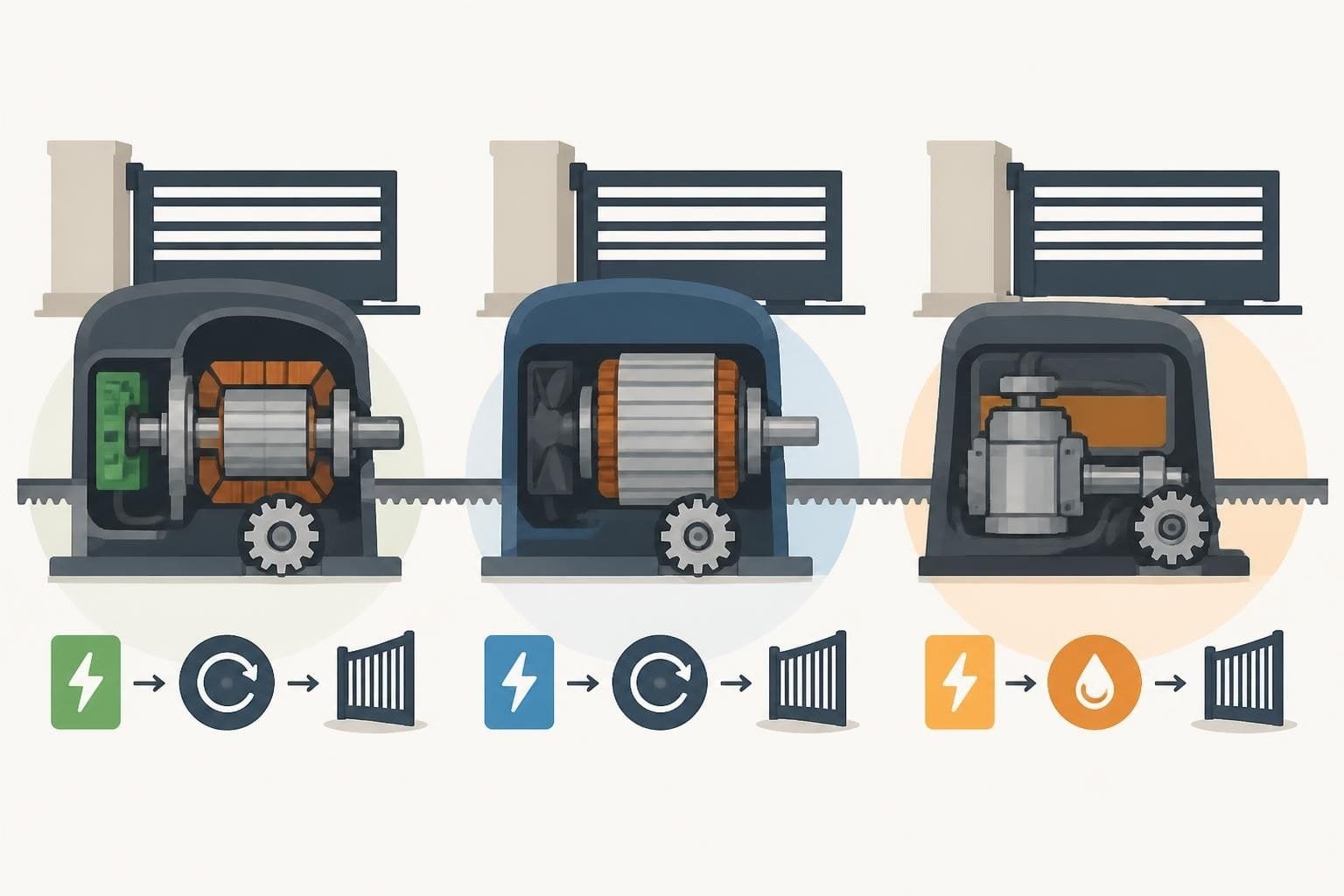
The automatic opener system transforms overhead doors from manual operation to convenient, remote-controlled access. These motors connect to the door through chain drive, belt drive, screw drive, or direct drive mechanisms, each with distinct maintenance needs and failure modes.
| Drive Type | Typical Lifespan | Common Issues | Maintenance Frequency |
|---|---|---|---|
| Chain Drive | 10-15 years | Noise, chain slack, sprocket wear | Every 6 months |
| Belt Drive | 12-18 years | Belt stretching, tensioner wear | Annually |
| Screw Drive | 8-12 years | Carriage binding, lubrication failure | Every 6 months |
| Direct Drive | 15+ years | Motor bearing noise, trolley issues | Annually |
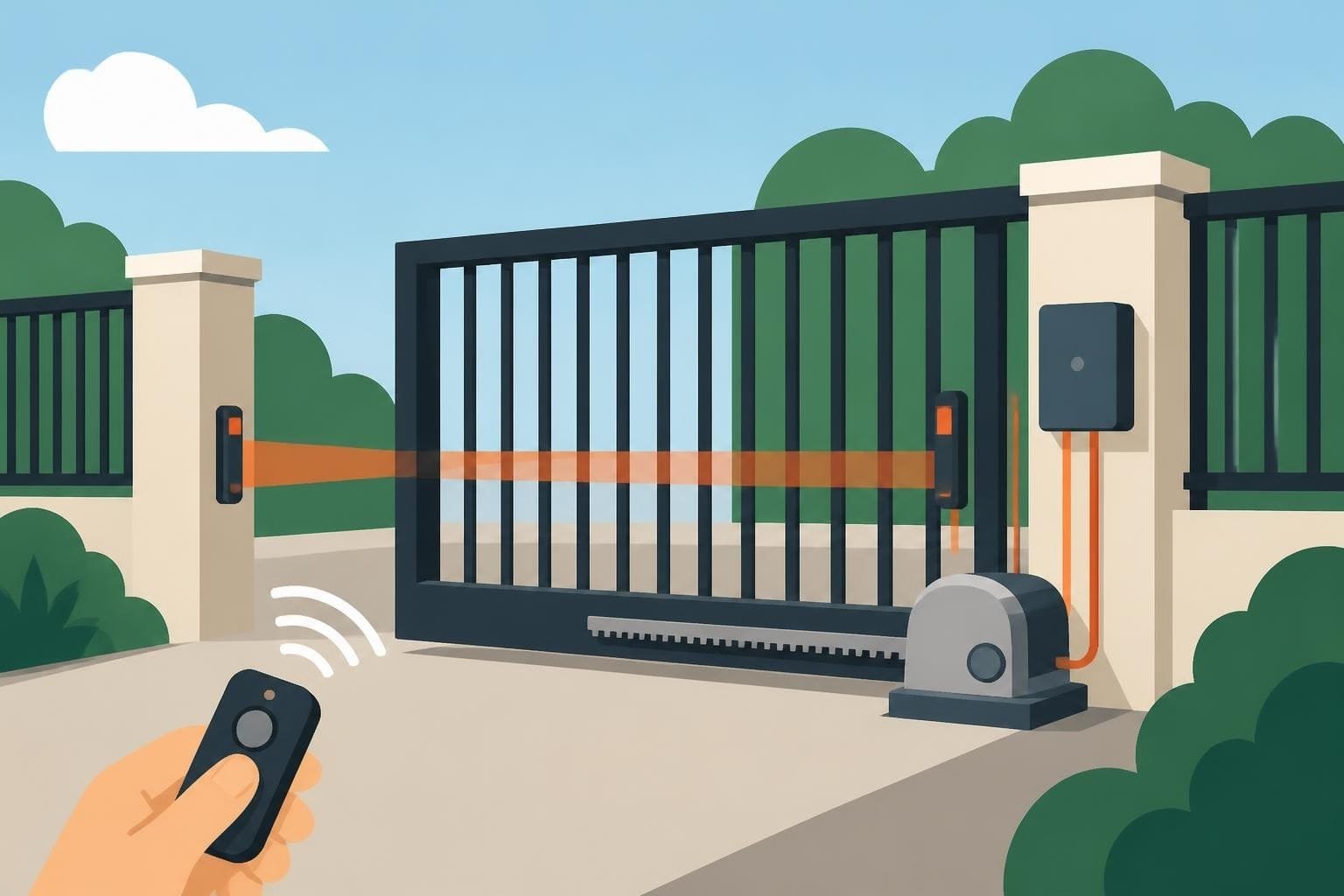
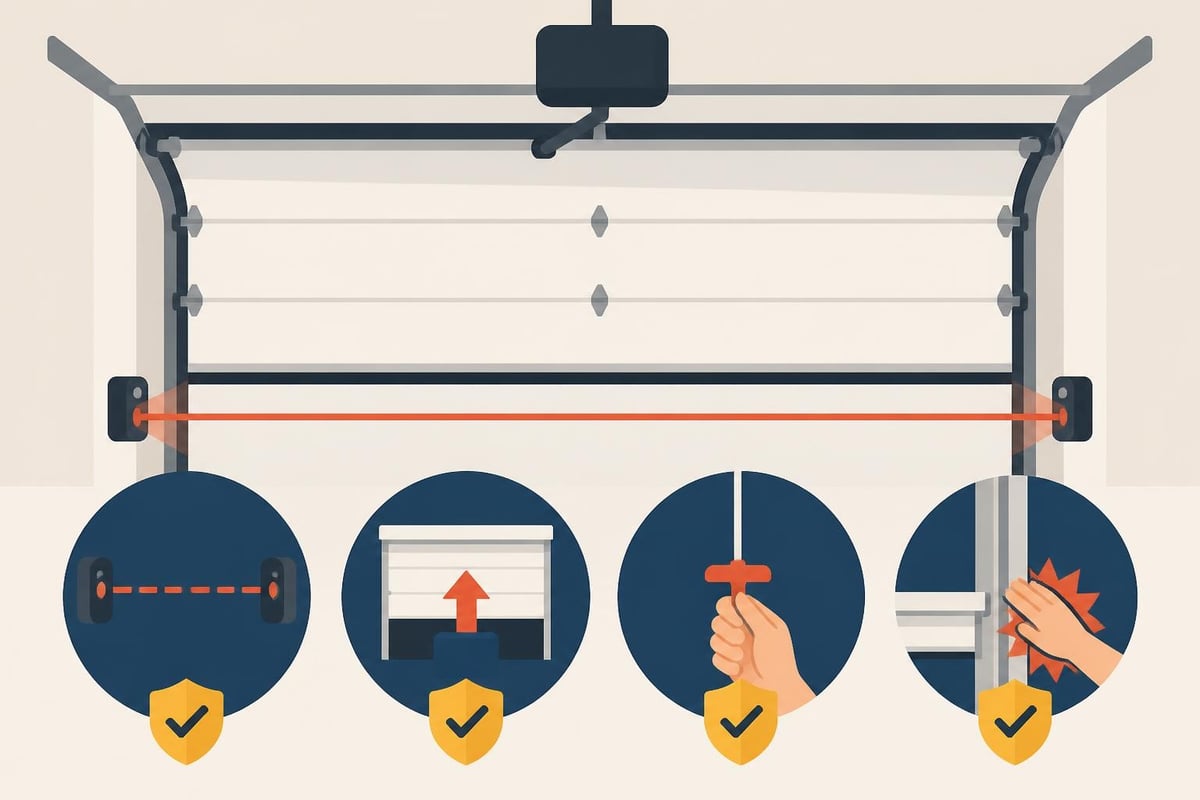
Modern opener systems incorporate multiple safety features mandated by UL 325 standards, including photo-eye sensors that detect obstructions and automatic reverse mechanisms that stop and reverse the door when encountering resistance. Malfunctions in these safety systems require immediate attention to prevent serious injury.
Professional repair services like Gates Express’s garage door repair process begin with comprehensive assessment of all safety features, ensuring complete system compliance before addressing operational issues.
Preventive Maintenance Strategies
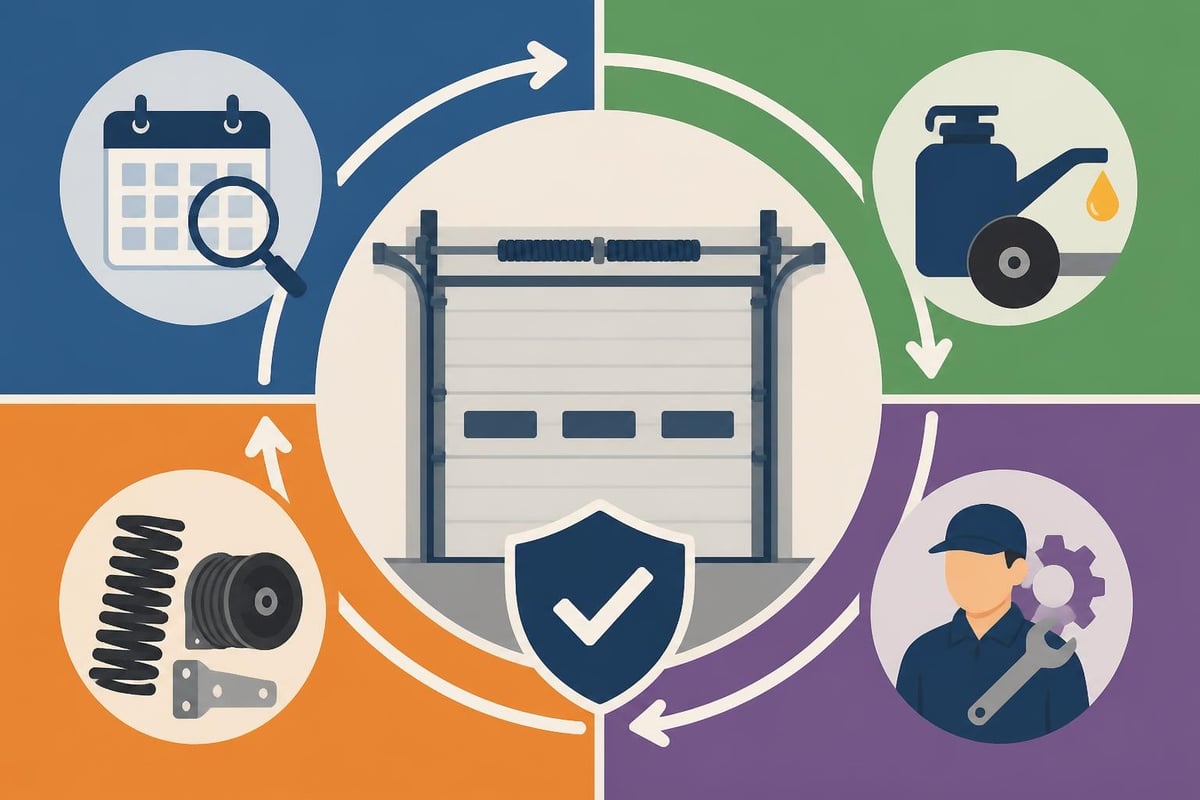
Regular maintenance dramatically extends the lifespan of overhead door components while reducing the likelihood of inconvenient failures. Property owners can perform many basic maintenance tasks with simple tools and minimal technical knowledge.
Monthly visual inspections should examine all visible components for signs of wear, damage, or misalignment. Look for frayed cables, rust spots on springs, cracked door panels, loose hardware, and debris in tracks. Testing the door's balance provides insight into spring condition. Disconnect the opener and manually lift the door halfway. A properly balanced door should stay in place when released. If it falls or rises, spring adjustment or replacement is necessary.
Essential quarterly maintenance tasks:
- Clean and lubricate rollers, hinges, and springs with silicone-based lubricant
- Tighten all mounting hardware on brackets and tracks
- Clean photo-eye sensors and verify alignment
- Test auto-reverse safety features with a solid object
- Inspect weatherstripping for cracks and proper seal
The DASMA technical data sheets provide industry-standard maintenance intervals and procedures for different door types and operating environments. Following these guidelines helps maintain warranty coverage and ensures optimal performance.
Weather-Related Protection and Preparation
Climate conditions significantly impact overhead door performance and longevity. Los Angeles properties face unique challenges from coastal moisture, occasional storms, and temperature fluctuations. Weatherstripping along the door bottom and sides prevents water intrusion, pest entry, and energy loss through gaps.
For properties in areas subject to high winds or severe weather events, understanding pressure ratings becomes critical. The Building America Solution Center’s guidance on pressure-rated garage doors explains how properly specified and maintained doors contribute to whole-building resilience during extreme weather conditions.
Safety Considerations and Code Compliance
Safety represents the paramount concern in any overhead door repair project. These systems involve heavy components under extreme tension, powerful motors, and pinch points that can cause severe injury if handled improperly. Certain repairs, particularly spring replacement and cable work, should only be performed by trained professionals with proper tools and safety equipment.
The International Residential Code garage door provisions establish minimum safety requirements for residential installations. These codes address wind load ratings, emergency release mechanisms, and safety sensor placement. Compliance isn't merely a legal requirement but a practical necessity to protect family members and property.
When your overhead door gets stuck midway, understanding the proper emergency procedures prevents injury and additional damage. The emergency response guide for stuck garage doors outlines safe protocols for manually releasing and operating the door during power outages or system failures.
Professional vs. DIY Repair Decisions
Determining which repairs require professional assistance depends on complexity, risk level, and available tools. Simple adjustments like lubricating moving parts, tightening loose hardware, or cleaning tracks fall within most homeowners' capabilities. However, spring replacement, cable repair, track realignment, and opener motor replacement involve significant safety risks and should be delegated to experienced technicians.
Professional overhead door repair services bring specialized knowledge, proper tools, and replacement parts unavailable to most consumers. Technicians can diagnose complex issues involving multiple interacting components, ensuring repairs address root causes rather than symptoms. Additionally, professional work typically includes warranty coverage protecting against premature component failure.
Energy Efficiency and Insulation Considerations
Overhead doors represent one of the largest openings in a building's thermal envelope, making insulation and weathersealing critical for energy efficiency. Insulated door panels reduce heat transfer, maintaining more stable interior temperatures and reducing HVAC workload. The R-value measures a door's thermal resistance, with higher numbers indicating better insulation performance.
Modern insulated overhead doors typically offer R-values between eight and eighteen, depending on panel construction and insulation material. Polyurethane foam-filled panels provide superior insulation compared to polystyrene panels, though at higher cost. For properties in Los Angeles's varied climate zones, selecting appropriate insulation levels balances initial investment against long-term energy savings.
The Department of Energy’s building envelope resources provide context for evaluating door insulation within whole-building energy performance strategies. Properly insulated and sealed overhead doors contribute to reduced energy consumption, improved comfort, and lower utility costs.
Insulation maintenance priorities:
- Inspect weatherstripping for compression, cracks, and gaps
- Check door panel seams for separation or damage
- Verify bottom seal makes continuous contact when closed
- Replace damaged insulation sections promptly
- Consider upgrading to higher R-value panels during replacement
Selecting Materials and Components for Repairs
Quality replacement parts significantly impact repair longevity and system performance. While budget constraints tempt property owners toward economy-grade components, premium materials typically deliver better value through extended service life and improved operation.
Spring selection requires precise matching to door weight, height, and track radius. Using incorrect spring specifications creates dangerous imbalances and accelerates component wear. Professional technicians calculate spring requirements based on door measurements and weight, ensuring proper counterbalance and safe operation.
Roller quality dramatically affects noise levels and wear rates. Nylon rollers with sealed ball bearings operate more quietly than steel rollers while resisting moisture and requiring less frequent lubrication. For frequently used doors, investing in premium rollers pays dividends through reduced maintenance and extended component life.
Opener Motor Selection and Features
When replacing opener motors, modern features offer significant advantages over older models. Smart connectivity enables smartphone control and monitoring, providing security notifications and remote access capability. Battery backup systems maintain operation during power outages, preventing lockouts during emergencies.
LiftMaster’s technical updates showcase evolving opener technology, including enhanced safety features, improved motor efficiency, and integrated security systems. Selecting openers with these advanced capabilities future-proofs installations while improving daily convenience.
| Feature | Benefit | Recommended For |
|---|---|---|
| Smart Connectivity | Remote monitoring and control | Properties with security concerns |
| Battery Backup | Operation during power outages | Essential access points |
| Belt Drive | Quiet operation | Attached garages near living spaces |
| DC Motor | Soft start/stop, energy efficiency | Frequent use applications |
Comparison of overhead door spring types, roller materials, track gauges, and opener drive systems showing the technical specifications and performance differences that affect repair decisions and component selection
Commercial Overhead Door Repair Considerations
Commercial applications subject overhead doors to significantly higher cycle counts, demanding more robust construction and accelerated maintenance schedules. Loading dock doors, warehouse entrances, and retail storefronts may cycle dozens or hundreds of times daily, compressing a residential door's decade-long lifespan into months or years.
High-cycle commercial springs use heavier wire and larger coil diameters to withstand increased stress. These industrial-grade components cost more initially but prove economical when amortized across their extended service life. Commercial installations also benefit from specialized roll up door repair services that understand the unique demands of business operations.
Wind load requirements differ substantially between residential and commercial applications. The FORTIFIED Home standards for garage doors establish testing protocols and performance criteria for high-wind regions, offering guidance applicable to commercial installations requiring enhanced resilience.
Troubleshooting Common Operational Problems
Systematic troubleshooting identifies overhead door repair needs accurately, preventing unnecessary component replacement and reducing repair costs. When experiencing operational problems, begin with simple explanations before investigating complex component failures.
A door that opens slowly or struggles may indicate spring tension loss, motor capacitor failure, or accumulated debris in tracks. Test manual operation with the opener disconnected to isolate whether the problem resides in the door mechanism or automatic operator. If manual operation is smooth but powered operation struggles, focus troubleshooting on the opener system.
Diagnostic checklist for common symptoms:
- Door won't open: Check power supply, wall switch, remote batteries, safety sensor alignment, manual lock position
- Loud operation: Inspect rollers, hinges, and springs for wear; verify proper lubrication; check for loose hardware
- Door reverses when closing: Test safety sensor alignment; clean sensor lenses; check for obstructions in door path
- Uneven movement: Examine spring balance; inspect cables for fraying; verify track alignment and roller condition
- Remote control failure: Replace remote batteries; reprogram receiver; check antenna wire connection
Many operational issues result from simple causes correctable without professional assistance. However, when basic troubleshooting fails to resolve problems or symptoms indicate spring, cable, or major component failure, professional overhead door repair becomes necessary to ensure safe, lasting repairs.
Working with Professional Repair Services
Selecting qualified overhead door repair professionals protects your investment and ensures safety compliance. Established companies like Gates & Garage Door Express Inc. bring years of experience, proper licensing, comprehensive insurance coverage, and accountability that protects property owners from liability and ensures quality workmanship.
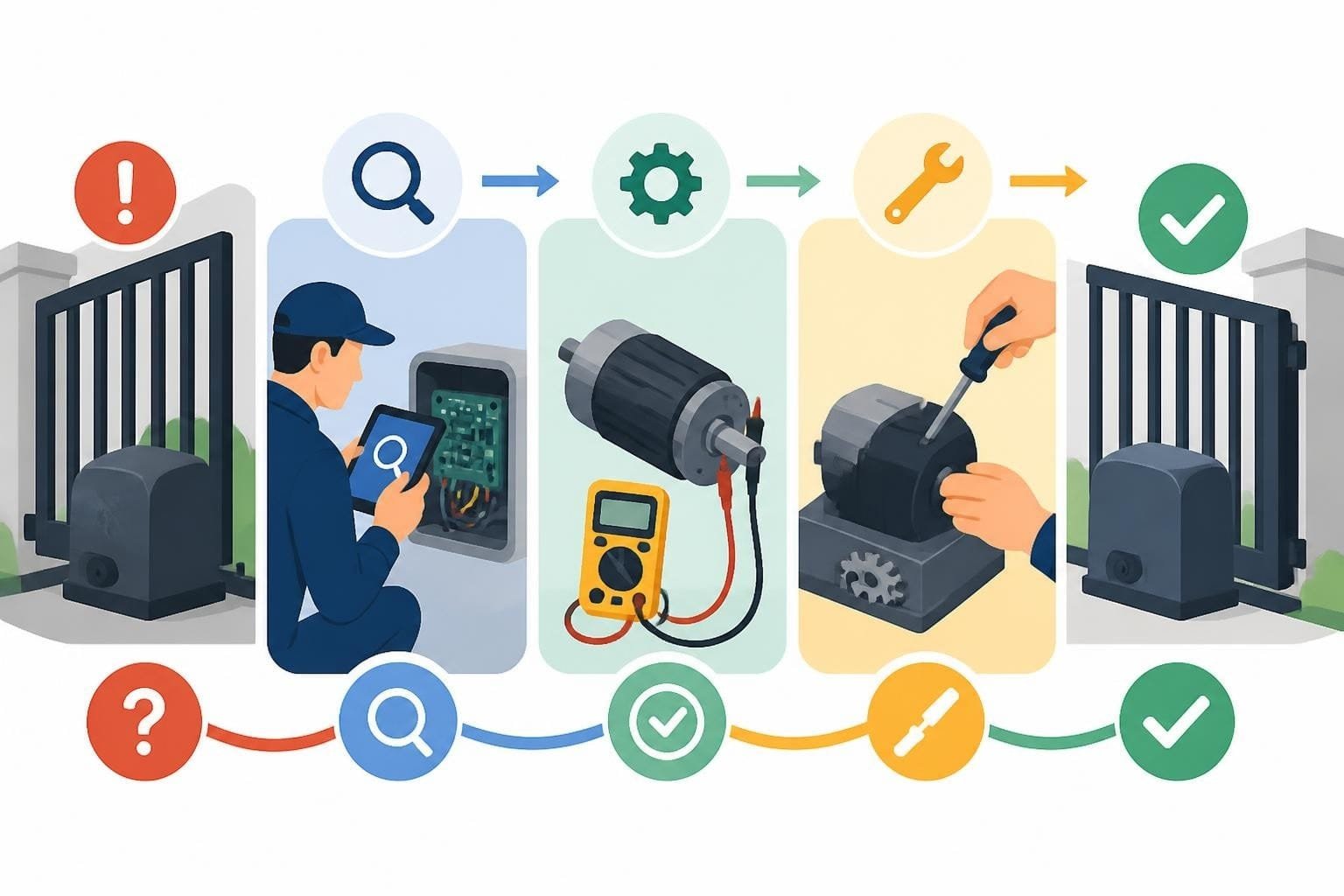
Professional services begin with thorough assessment of the entire door system, not merely the immediate complaint. This comprehensive approach identifies developing problems before they cause failures, allowing proactive maintenance that prevents inconvenient breakdowns. Transparent communication about findings, repair options, and costs enables informed decision-making about repair versus replacement.
Same-day emergency service availability addresses urgent situations where door failures compromise security or prevent property access. For business operations dependent on functional overhead doors, rapid professional response minimizes revenue disruption and maintains customer service standards.
Questions to Ask Repair Contractors
Vetting potential service providers through targeted questions reveals their expertise, business practices, and customer service philosophy. Ask about licensing and insurance coverage, verifying current credentials protect against liability. Inquire about warranty terms on parts and labor, understanding what situations void coverage and how long protection extends.
Request references from recent customers with similar repair needs, then contact those references to verify satisfaction levels. Examine online reviews across multiple platforms, looking for patterns in feedback rather than isolated complaints. Established professionals maintain positive reputations through consistent quality work and responsive customer service.
Successful overhead door repair combines understanding system components, recognizing common failure modes, implementing preventive maintenance, and knowing when professional expertise becomes necessary. Property owners who invest attention in regular maintenance and prompt repair of developing issues enjoy reliable, safe overhead door operation for years. Gates & Garage Door Express Inc. provides comprehensive overhead door repair services throughout Los Angeles, bringing family-owned dedication to quality and same-day emergency response when you need it most.