
Homeowners seeking enhanced security, convenience, and curb appeal increasingly turn to automated access solutions that combine functionality with aesthetic value. Among the various gate configurations available today, residential sliding gates have emerged as a premier choice for properties with limited driveway space or sloped entryways. These systems glide horizontally along a track, requiring minimal clearance while delivering reliable performance in diverse weather conditions. Understanding the technical specifications, operational requirements, and maintenance considerations of these gates enables property owners to make informed decisions that align with their security objectives and lifestyle needs.
Understanding Residential Sliding Gate Systems
Residential sliding gates operate on a straightforward mechanical principle: the gate panel moves laterally along a ground-level track or cantilever system. Unlike swing gates that require arc clearance, sliding configurations utilize parallel movement, making them ideal for properties with steep driveways or limited space adjacent to the entrance.
The primary components include the gate panel, track system, motorized operator, control board, safety sensors, and power supply. Modern installations incorporate UL 325-certified safety features that prevent entrapment accidents and ensure compliance with current building codes.
Track-Mounted vs. Cantilever Systems
Two fundamental designs dominate the residential sliding gate market:
Track-mounted systems feature a ground-level rail that guides wheels attached to the gate's bottom edge. This configuration offers:
- Lower initial installation costs
- Simpler mechanical design
- Easier DIY maintenance access
- Vulnerability to debris accumulation
- Potential ice and snow interference
Cantilever systems suspend the gate above ground using a counterbalanced frame and rollers. Key advantages include:
- No ground track to obstruct or collect debris
- Superior performance in harsh weather
- Reduced maintenance requirements
- Higher upfront investment
- More complex installation process
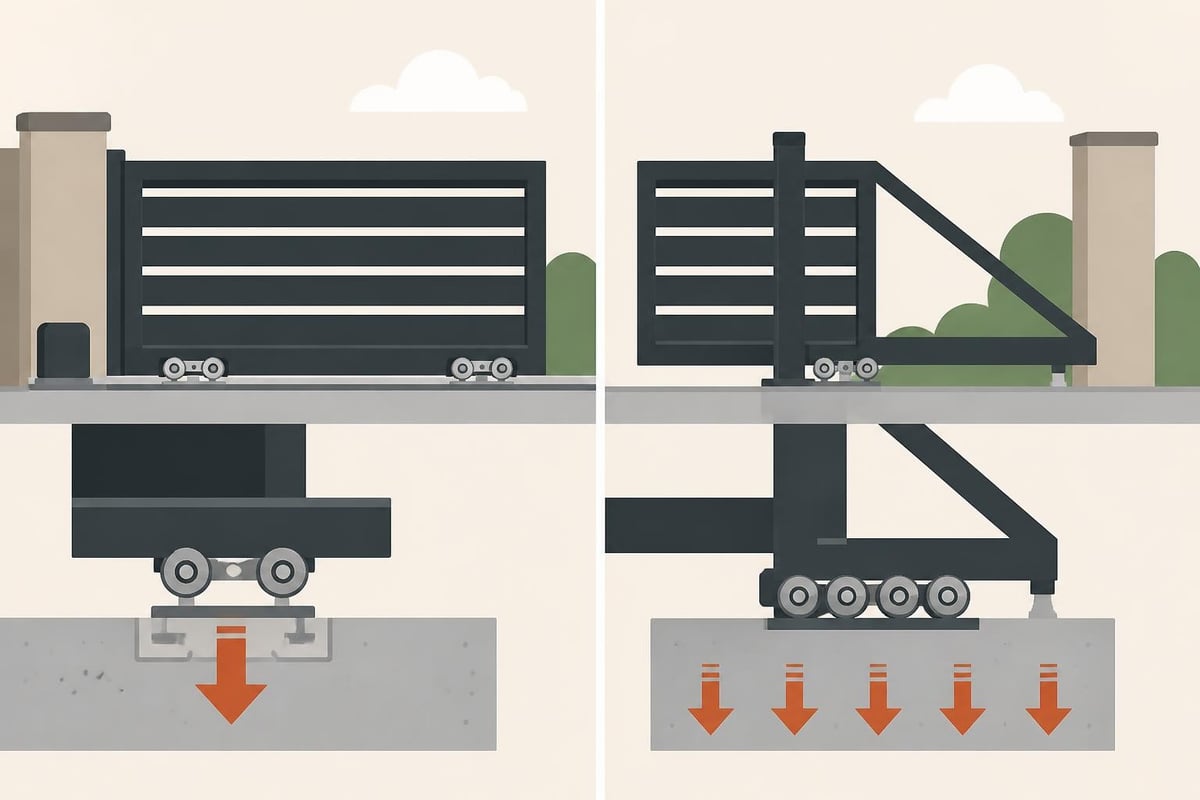
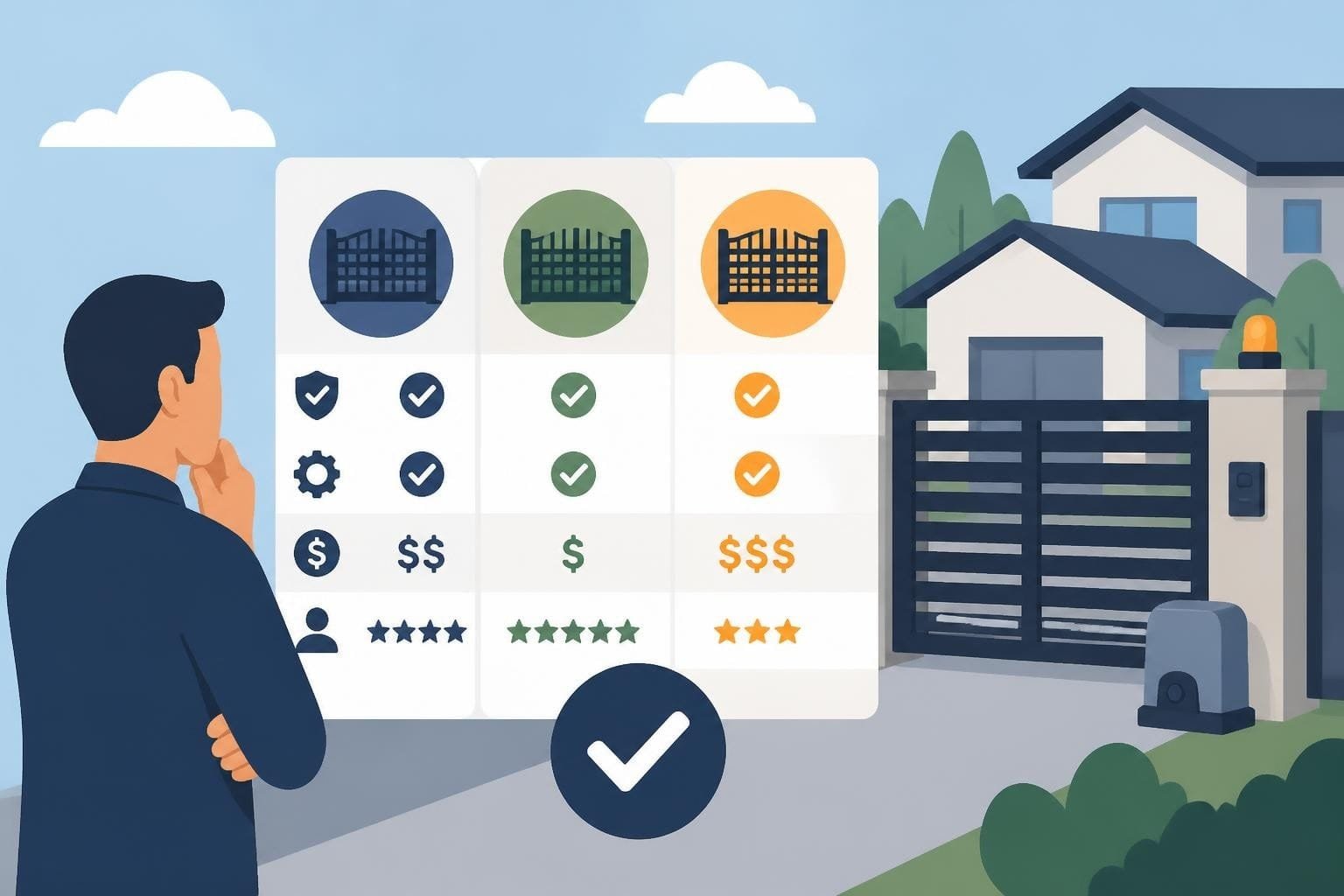
| Feature | Track-Mounted | Cantilever |
|---|---|---|
| Installation Cost | $3,500–$6,000 | $5,500–$9,500 |
| Ground Clearance | 0 inches | 4–6 inches |
| Weather Resistance | Moderate | Excellent |
| Maintenance Frequency | Quarterly | Semi-annual |
| Lifespan | 15–20 years | 20–30 years |
Material Selection and Design Considerations
The gate panel material significantly impacts durability, maintenance requirements, and overall aesthetic integration with existing property features. Homeowners should evaluate options based on climate conditions, architectural style, and long-term maintenance capacity.
Steel and Aluminum Options
Steel gates provide maximum security and structural integrity. Powder-coated or galvanized finishes resist corrosion, though exposed welds or scratches may develop rust in coastal environments. Steel's weight requires robust motor systems and reinforced track components.
Aluminum gates deliver a favorable strength-to-weight ratio, reducing motor strain and operational costs. The material naturally resists corrosion, making it ideal for humid or salt-air locations. However, aluminum panels may dent more easily than steel counterparts when impacted.
Wood and Composite Materials
Natural wood gates offer unmatched aesthetic warmth and customization potential. Cedar, redwood, and pressure-treated pine resist decay when properly maintained. Annual sealing and periodic refinishing preserve appearance and structural integrity.
Composite materials combine wood fibers with polymer binding agents, creating panels that replicate wood's appearance while eliminating rot, warping, and insect damage concerns. These products typically carry premium price tags but dramatically reduce long-term maintenance obligations.
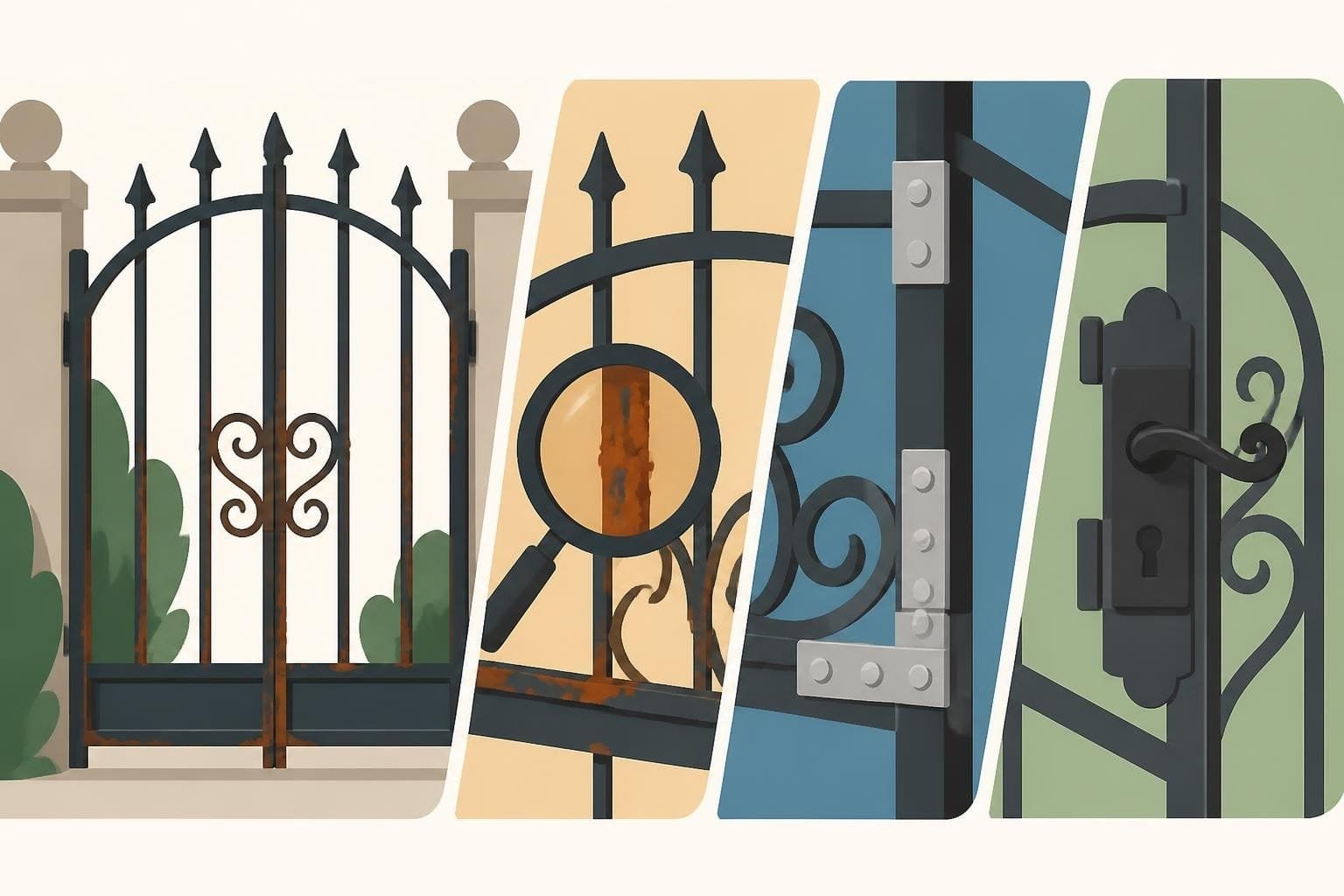
Wrought iron remains popular for properties emphasizing traditional elegance. As discussed in considerations for iron gate installations, these gates excel in durability and visual impact while requiring periodic rust prevention treatments.
Automation Technology and Access Control
Modern residential sliding gates integrate sophisticated automation systems that enhance security while providing multiple access methods. Understanding available technologies helps homeowners select features matching their specific usage patterns and security requirements.
Motor Systems and Operators
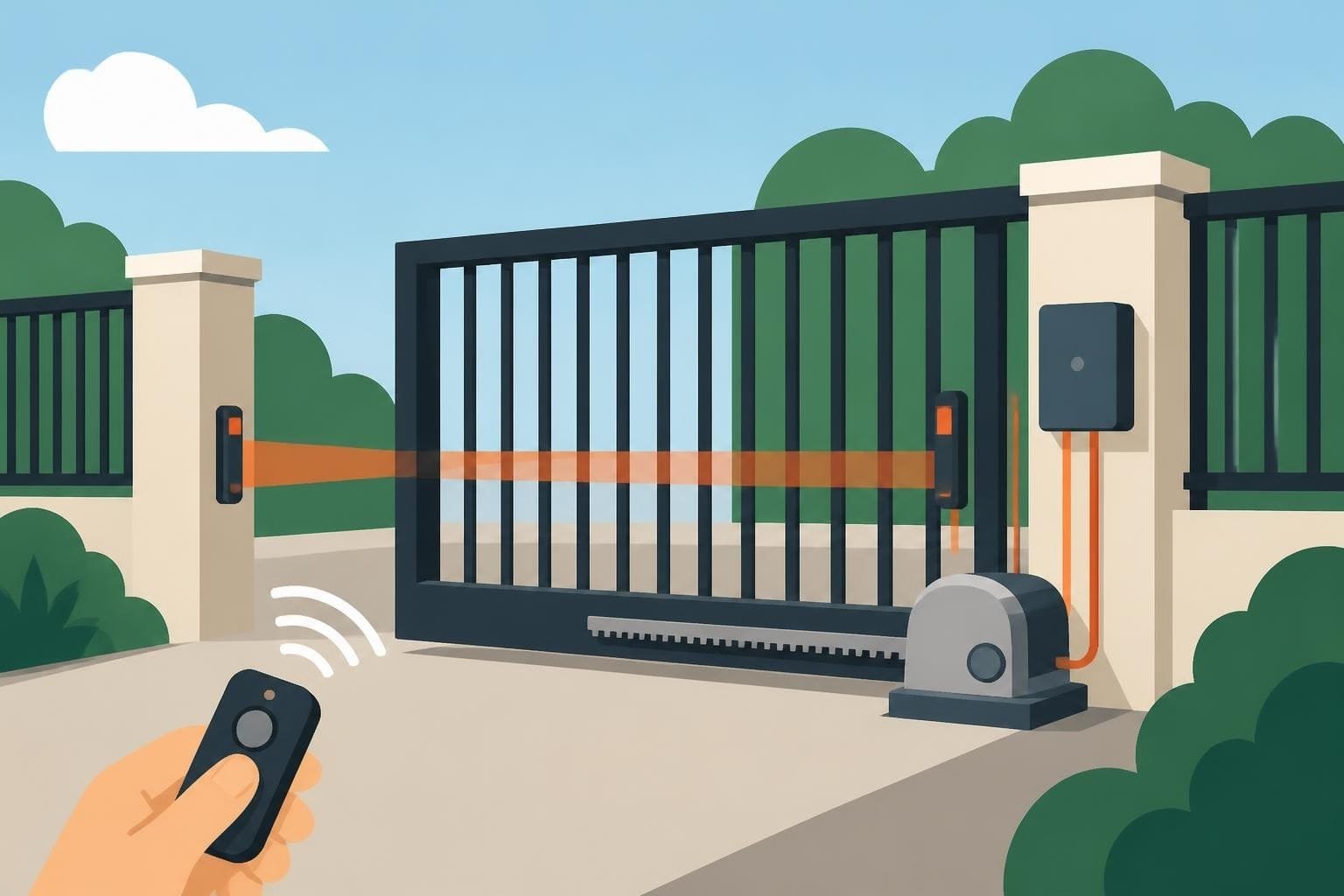
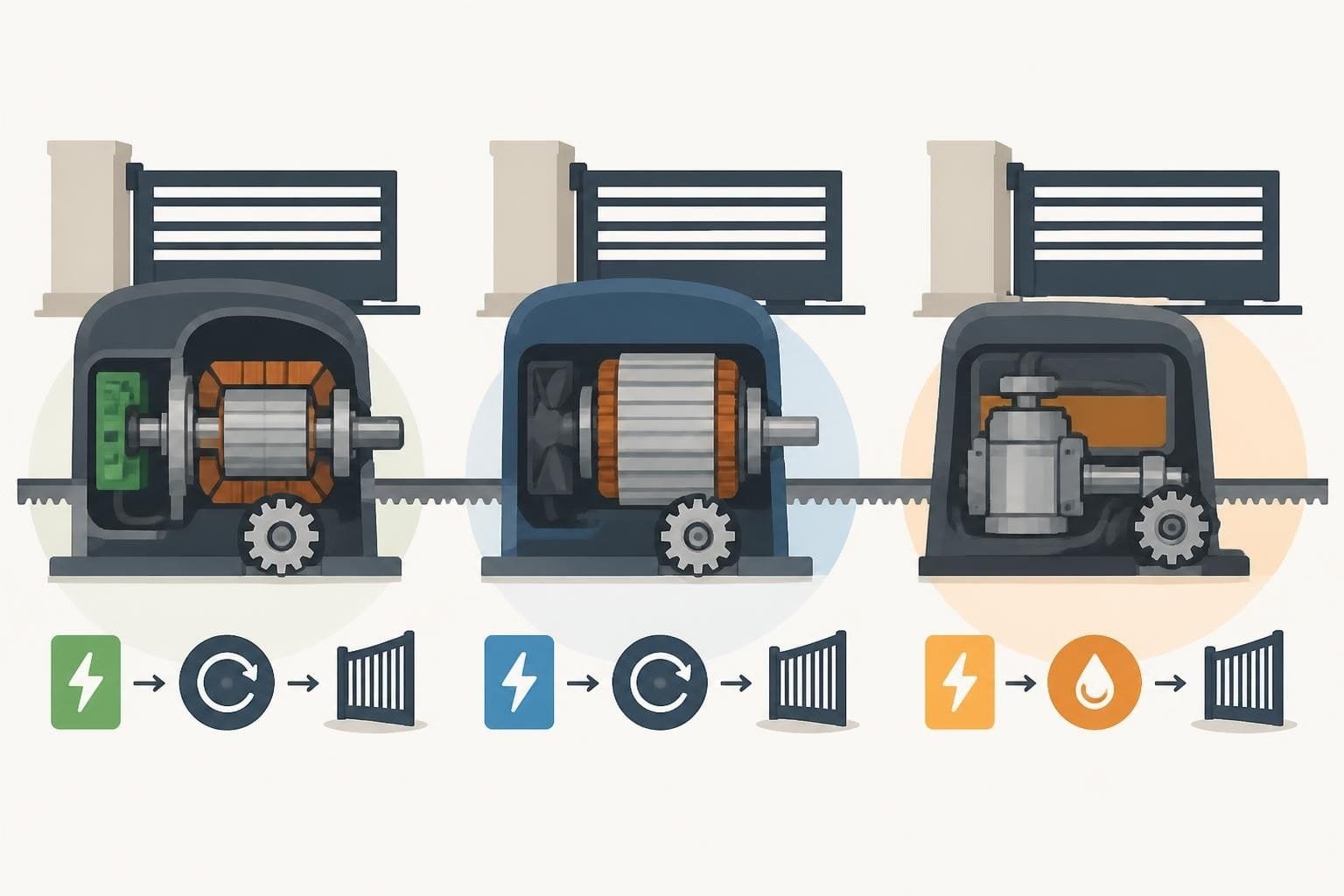
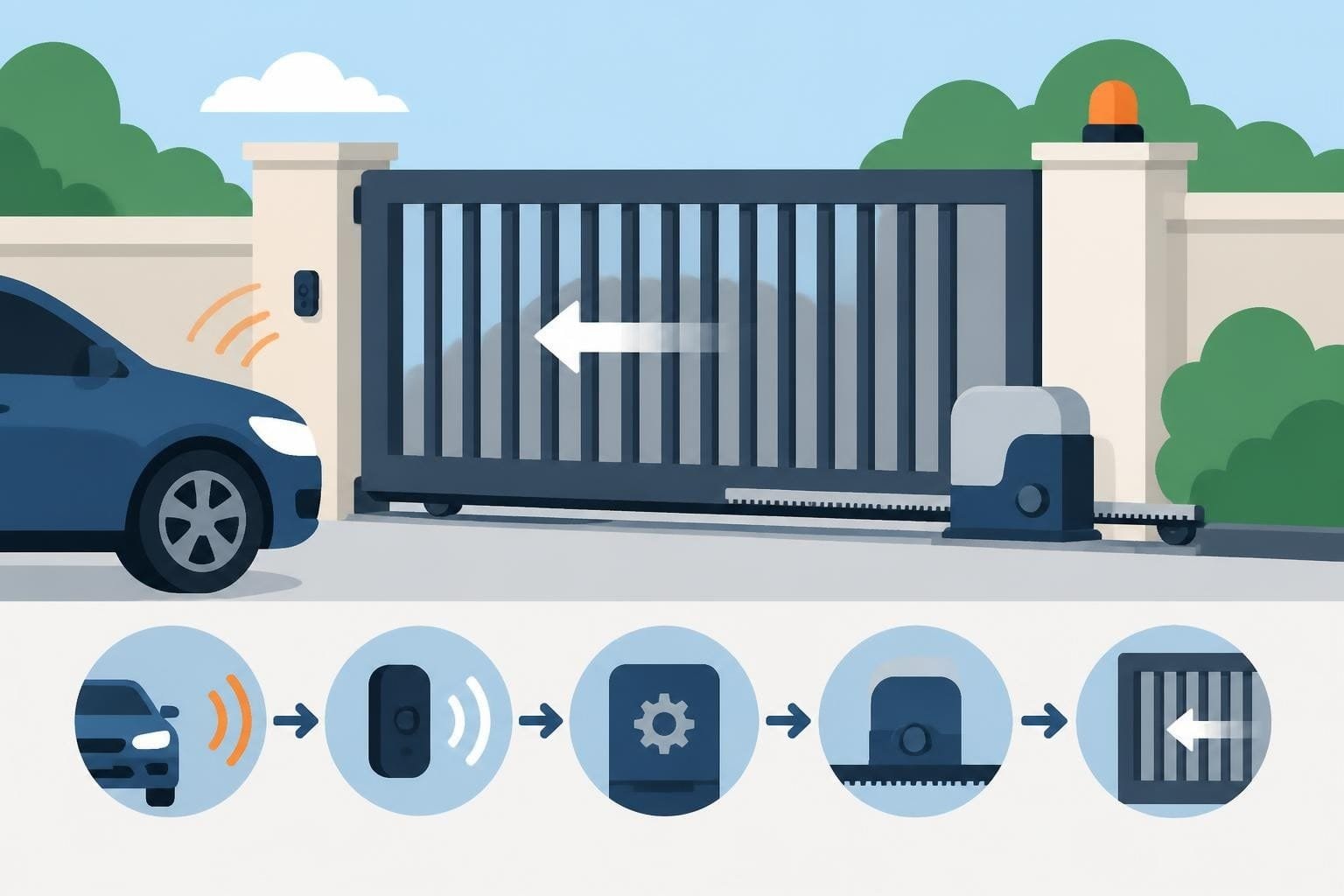
Gate operators convert electrical energy into mechanical motion through rack-and-pinion or chain-drive mechanisms. Rack-and-pinion systems engage a toothed rail mounted to the gate, offering precise control and quiet operation. Chain-drive units utilize industrial-grade chains similar to garage door openers, providing reliable service at lower price points.
Motor specifications should account for gate weight, wind exposure, and duty cycle requirements. Residential installations typically employ 1/2 to 3/4 horsepower operators capable of moving gates weighing up to 1,800 pounds. Solar-powered options eliminate trenching costs and provide backup operation during power outages.
Access Control Methods
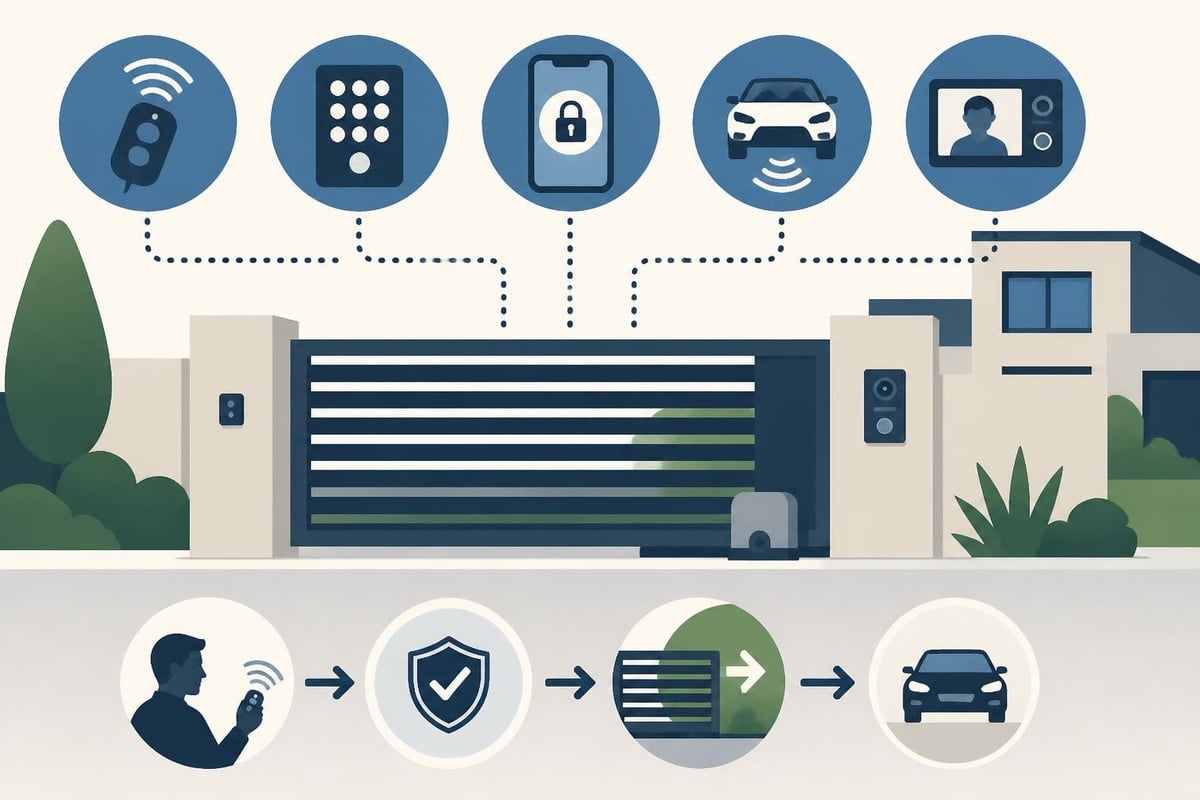
Contemporary residential sliding gates support multiple access protocols:
- Wireless remote transmitters operating on rolling-code technology that prevents signal interception
- Keypad entry systems requiring numerical codes that can be programmed for temporary guest access
- Smartphone applications enabling remote operation and activity monitoring
- Vehicle loop detectors that automatically trigger gate opening when authorized vehicles approach
- Intercom systems with video capability for visitor screening before access approval
According to ASIS International’s access control research, integrated systems that combine multiple authentication methods provide optimal security while maintaining user convenience.
Safety Requirements and Regulatory Compliance
Residential sliding gates must incorporate comprehensive safety features to prevent injury and property damage. Federal regulations and industry standards establish minimum performance criteria that manufacturers and installers must meet.
The Consumer Product Safety Commission mandates specific protections for automated gates, including entrapment prevention devices and emergency release mechanisms. Compliance with these standards protects homeowners from liability while ensuring safe operation for family members and visitors.
Essential Safety Features
Photoelectric sensors project invisible beams across the gate's path. When interrupted by a person, vehicle, or object, these sensors immediately halt gate movement and trigger reversal. Professional installations position sensors at multiple heights to detect children, pets, and low-profile obstacles.
Edge sensors utilize pressure-sensitive technology embedded in the gate's leading edge. Physical contact with any obstruction triggers immediate stoppage and reversal, providing redundant protection beyond photoelectric systems.
Emergency release mechanisms enable manual gate operation during power failures or system malfunctions. UK Health & Safety Executive guidelines emphasize the importance of clearly marked, easily accessible manual releases that require minimal force to operate.
Audible warnings alert pedestrians and drivers to gate movement through beepers or sirens. Visual indicators such as flashing lights supplement audio signals in high-noise environments.
Annual Testing Protocols
Responsible homeowners implement regular safety verification procedures:
- Test photoelectric sensor responsiveness using a rolled newspaper or cardboard tube
- Verify edge sensor activation through gentle contact pressure
- Practice emergency manual release operation
- Inspect warning signal functionality
- Document test dates and results for liability protection
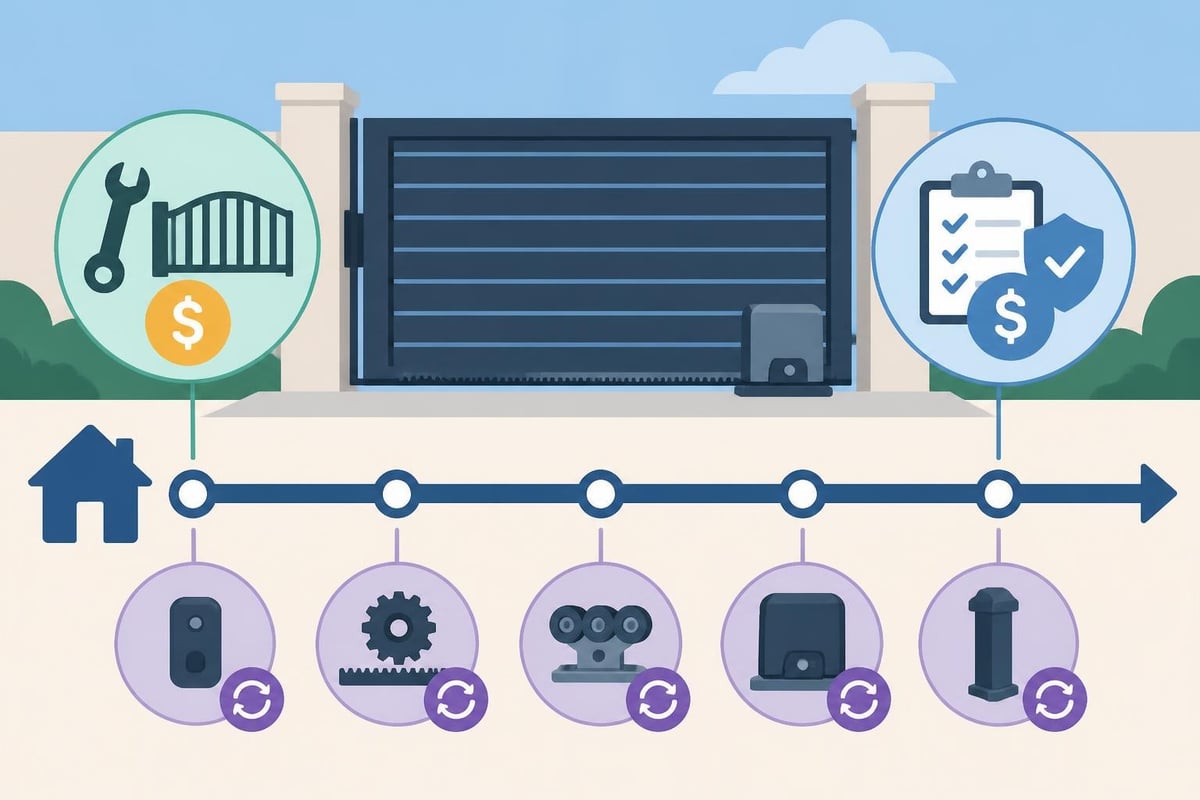
When professional service reveals signs indicating system replacement needs, addressing these concerns promptly prevents safety hazards and costly emergency repairs.
Installation Planning and Site Preparation
Successful residential sliding gate installation begins with comprehensive site evaluation and preparation. Professional assessment identifies potential obstacles, utility conflicts, and structural requirements before excavation or construction begins.
Site Survey Essentials
Installers measure the gate opening width, accounting for the gate panel plus storage space where the gate retracts when open. Standard practice adds 12–18 inches beyond the opening width to accommodate the entire panel when fully retracted.
Slope analysis determines whether the driveway grade affects track installation or motor mounting. Gradients exceeding 3% may require customized track systems or additional counterbalancing mechanisms.
Utility location prevents accidental damage to underground electrical lines, water pipes, gas mains, or communication cables. Most jurisdictions require professional utility marking before excavation begins.
Foundation and Structural Requirements
Track-mounted systems require concrete pads extending 6–8 inches beyond the track length on both sides. These foundations should reach a minimum depth of 12 inches in temperate climates and below the frost line in regions experiencing ground freezing.
Cantilever installations demand substantial support posts embedded in concrete footings. Engineering specifications similar to those used in commercial applications ensure adequate structural capacity for wind loads and operational stresses.
Post locations must provide secure mounting for the cantilever frame while maintaining proper spacing from property lines and easements. Professional surveyors verify boundary locations when installations occur near property edges.
Cost Analysis and Budget Planning
Residential sliding gates represent significant investments that deliver returns through enhanced security, property value appreciation, and operational convenience. Understanding the complete cost structure enables realistic budget development and prevents unexpected expenses.
Initial Investment Components
| Cost Category | Budget Range | Variables Affecting Price |
|---|---|---|
| Gate Panel | $1,500–$5,000 | Material, size, custom design |
| Motor & Controls | $800–$2,500 | Horsepower, features, brand |
| Installation Labor | $1,200–$3,000 | Site complexity, permits |
| Electrical Work | $400–$1,200 | Trench distance, panel upgrades |
| Access Controls | $200–$1,500 | Keypads, intercoms, integration |
| Total Range | $4,100–$13,200 | All factors combined |
Premium materials, custom fabrication, and advanced automation features increase costs substantially. Properties requiring extensive site preparation, utility relocation, or specialized engineering consultation should allocate additional contingency funds.
Operating and Maintenance Costs
Annual operating expenses remain modest compared to initial investment:
- Electricity consumption: $15–$40 annually for standard residential use
- Preventive maintenance: $150–$300 for professional service visits
- Component replacement: $100–$400 for routine parts (rollers, sensors, batteries)
Setting aside $500–$750 annually covers routine maintenance and builds reserves for eventual motor replacement or major repairs. For homeowners experiencing operational issues, professional electric gate repair services restore reliable function while identifying underlying problems before they escalate.
Maintenance Best Practices for Longevity
Systematic maintenance extends residential sliding gate lifespan while preventing inconvenient breakdowns and expensive emergency repairs. Establishing routine inspection schedules and addressing minor issues promptly protects the substantial investment these systems represent.
Monthly Inspection Tasks
Visual examination identifies obvious problems before they cause operational failures:
- Check track alignment and look for debris accumulation
- Inspect gate panel for structural damage, loose fasteners, or finish deterioration
- Verify chain or rack engagement without excessive wear
- Test remote controls and replace batteries showing weak signals
- Listen for unusual sounds during operation cycles
Cleaning protocols remove dirt, leaves, and other materials that interfere with smooth operation. Use soft brushes or compressed air to clear track channels without introducing moisture that accelerates corrosion.
Quarterly Service Requirements
Every three months, perform more thorough maintenance procedures:
- Lubricate moving components using manufacturer-recommended products (typically lithium-based grease for rollers and light machine oil for chains)
- Tighten hardware throughout the gate assembly, checking bolts, nuts, and mounting brackets for proper torque
- Clean and adjust sensors to ensure proper alignment and responsiveness
- Inspect electrical connections for corrosion, loose terminals, or damaged insulation
- Test safety features systematically to verify proper functionality
Motor maintenance includes checking carbon brushes on DC motors, verifying capacitor condition on AC units, and ensuring adequate ventilation around motor housings. Overheating shortens motor lifespan and may indicate mechanical binding or improper installation.
Professional Service Intervals
Annual professional inspections provide expert evaluation beyond typical homeowner capabilities. Certified technicians measure critical tolerances, test control board functions, and identify developing problems that visual inspection might miss.
When selecting what type of electric gate system best fits property requirements, considering long-term maintenance accessibility influences total ownership costs and system reliability.
Weather Protection and Climate Considerations
Geographic location and local weather patterns significantly impact residential sliding gate performance and maintenance requirements. Homeowners in extreme climates must implement protective measures that ensure reliable operation year-round.
Cold Weather Challenges
Freezing temperatures create multiple operational hazards:
Ice formation in ground tracks blocks gate movement and strains motors. Installing heating elements along track sections prevents ice accumulation in regions experiencing regular freezing. Cantilever systems avoid this issue entirely by maintaining ground clearance.
Lubricant thickening occurs when temperatures drop below product specifications. Cold-weather formulations maintain proper viscosity and prevent mechanical binding during winter months.
Metal contraction affects tolerances and clearances. Professional installations account for thermal expansion/contraction by building appropriate gaps into the design.
Heat and UV Exposure
High temperatures and intense sunlight present different challenges:
- Painted and powder-coated finishes fade without UV-resistant formulations
- Electronic components overheat in direct sun exposure
- Plastic and rubber parts deteriorate from UV damage
- Motors require adequate ventilation to prevent thermal shutdown
Protective enclosures shield control boards and motors from direct sunlight while allowing airflow for heat dissipation. Regular inspection and replacement of UV-damaged components prevents sudden failures.
Moisture and Salt Air
Coastal properties and humid climates accelerate corrosion on metal components. Stainless steel hardware, marine-grade coatings, and sealed electronics extend service life in challenging environments. Monthly rinses with fresh water remove salt deposits before they initiate corrosion.
Security Integration and Smart Home Connectivity
Modern residential sliding gates function as nodes within comprehensive property security networks. Integration with surveillance cameras, alarm systems, and home automation platforms creates layered protection while enhancing operational convenience.
Surveillance System Coordination
Positioning cameras to capture vehicle license plates and visitor faces provides valuable security documentation. Gate automation systems trigger recording when movement begins, creating timestamped records of all access events.
Analytical software identifies unusual patterns such as prolonged loitering near the gate or repeated unsuccessful access attempts. These alerts enable proactive security responses before incidents escalate.
Smart Home Platform Integration
Popular home automation platforms support gate control through voice commands, scheduled operations, and condition-based triggers:
- Automatically open for family members' vehicles detected via license plate recognition
- Close gates at sunset or after a specified delay following opening
- Integrate with security modes to prevent opening when alarm systems activate
- Send notifications when gates operate outside expected timeframes
Geofencing capabilities detect when authorized smartphones approach the property, automatically triggering gate opening without manual interaction. This technology proves particularly convenient when drivers have occupied hands or during adverse weather.
Access Management for Service Providers
Temporary access codes enable delivery personnel, contractors, and guests to enter without permanent credentials. Time-limited codes automatically expire after designated periods, eliminating security risks from forgotten access revocations.
Activity logs document every gate operation with timestamps and access method identification. This data proves valuable for security investigations and verifying service provider arrival times.
Understanding how different systems integrate helps homeowners explore options through resources like Gates & Garage Door Express Inc.’s service offerings that support various automation technologies.
Troubleshooting Common Operational Issues
Even well-maintained residential sliding gates occasionally experience problems that disrupt normal operation. Recognizing common issues and understanding appropriate responses minimizes downtime and prevents minor problems from causing major damage.
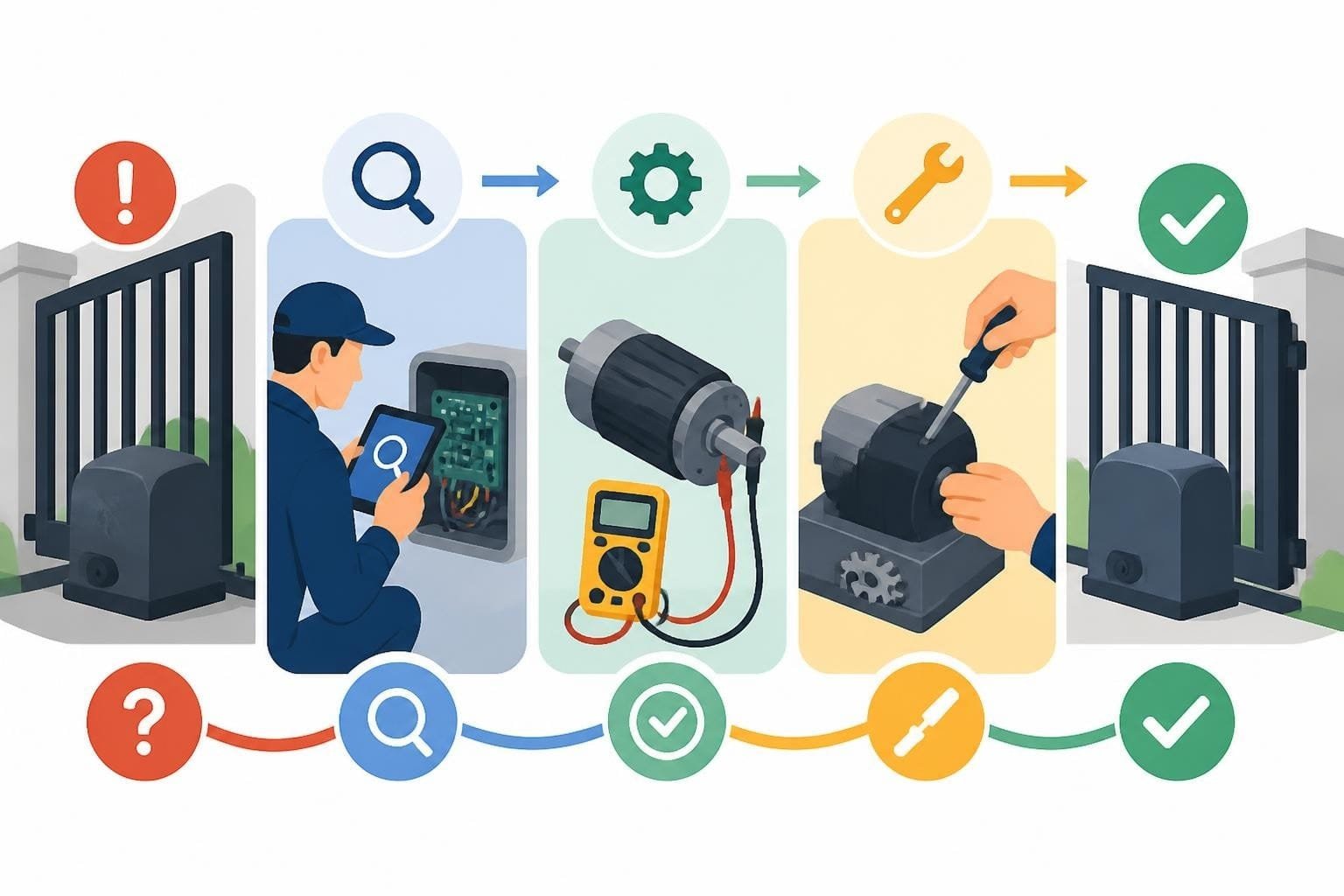
Motor Runs But Gate Doesn't Move
This symptom typically indicates mechanical disconnection or extreme binding:
- Check the manual release to ensure it hasn't been accidentally engaged
- Inspect drive components (chain, rack, or belt) for breakage or disengagement
- Verify wheel or roller condition as seized bearings prevent movement
- Examine track for obstructions that create resistance beyond motor capacity
Never force continued motor operation when the gate won't move, as this rapidly damages expensive components and creates fire hazards from overheating.
Gate Reverses Immediately After Closing
Premature reversal usually stems from safety sensor problems or mechanical interference:
- Clean photoelectric sensor lenses and verify proper alignment
- Test edge sensors for proper calibration and physical damage
- Check closing travel limits to ensure proper adjustment
- Inspect the gate path for new obstacles or encroaching vegetation
- Verify control board settings haven't been inadvertently changed
Intermittent Operation or Random Stopping
Electrical issues or environmental factors typically cause erratic behavior:
- Inspect power supply for loose connections or voltage fluctuations
- Check battery condition in battery-backup systems
- Verify wireless receiver isn't experiencing interference from nearby devices
- Examine control board for moisture intrusion or component failure
- Review recent weather events that might have introduced water or debris
Professional diagnostics using specialized equipment identify complex electrical problems beyond homeowner troubleshooting capabilities.
Permit Requirements and Installation Regulations
Residential sliding gates often require building permits and must comply with local zoning ordinances, homeowner association rules, and utility easement restrictions. Understanding regulatory requirements prevents costly violations and ensures legal installation.
Municipal Building Permits
Most jurisdictions require permits for automated gate installations involving:
- Electrical work beyond simple appliance connections
- Structural posts or columns requiring foundation excavation
- Gates affecting public right-of-way visibility or access
- Installations in historic districts or architecturally controlled areas
Permit applications typically require site plans, electrical diagrams, manufacturer specifications, and proof of licensed contractor engagement. Inspections verify compliance with UL 325 safety standards and local building code requirements.
Setback and Easement Considerations
Property line setbacks mandate minimum distances between gates and legal boundaries. These requirements vary by zoning classification, with residential areas typically requiring 5–15 feet from front property lines.
Utility easements grant service providers access rights to specific property areas. Installing gates across easements may violate deed restrictions and require written approval from utility companies holding easement rights.
Homeowner Association Approval
Properties governed by HOAs typically require architectural review committee approval before gate installation. Submit detailed plans including:
- Gate design renderings showing materials, colors, and dimensions
- Site plans indicating placement and property line relationships
- Manufacturer specifications demonstrating quality standards
- Installation timeline with expected completion dates
Early HOA engagement prevents design revisions after materials have been ordered or construction has begun.
Residential sliding gates deliver substantial security, convenience, and aesthetic benefits when properly specified, installed, and maintained. By understanding the technical options, regulatory requirements, and ongoing maintenance needs, homeowners make informed decisions that protect their investment while enhancing property value and daily living experience. Whether you're considering a new installation or experiencing issues with an existing system, Gates & Garage Door Express Inc. brings decades of family-owned expertise to residential gate projects throughout Los Angeles, providing same-day emergency service and quality installations backed by comprehensive customer support.