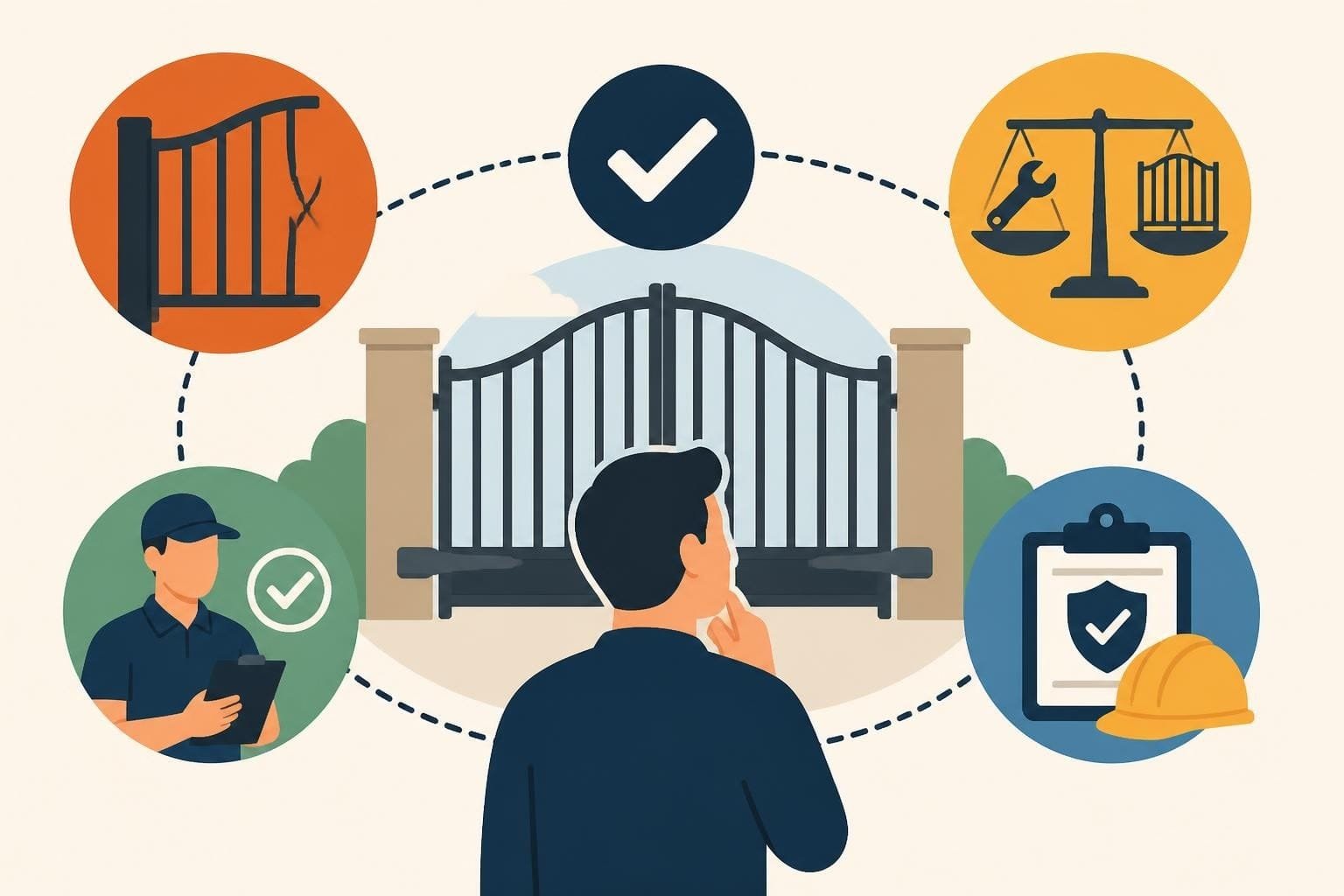
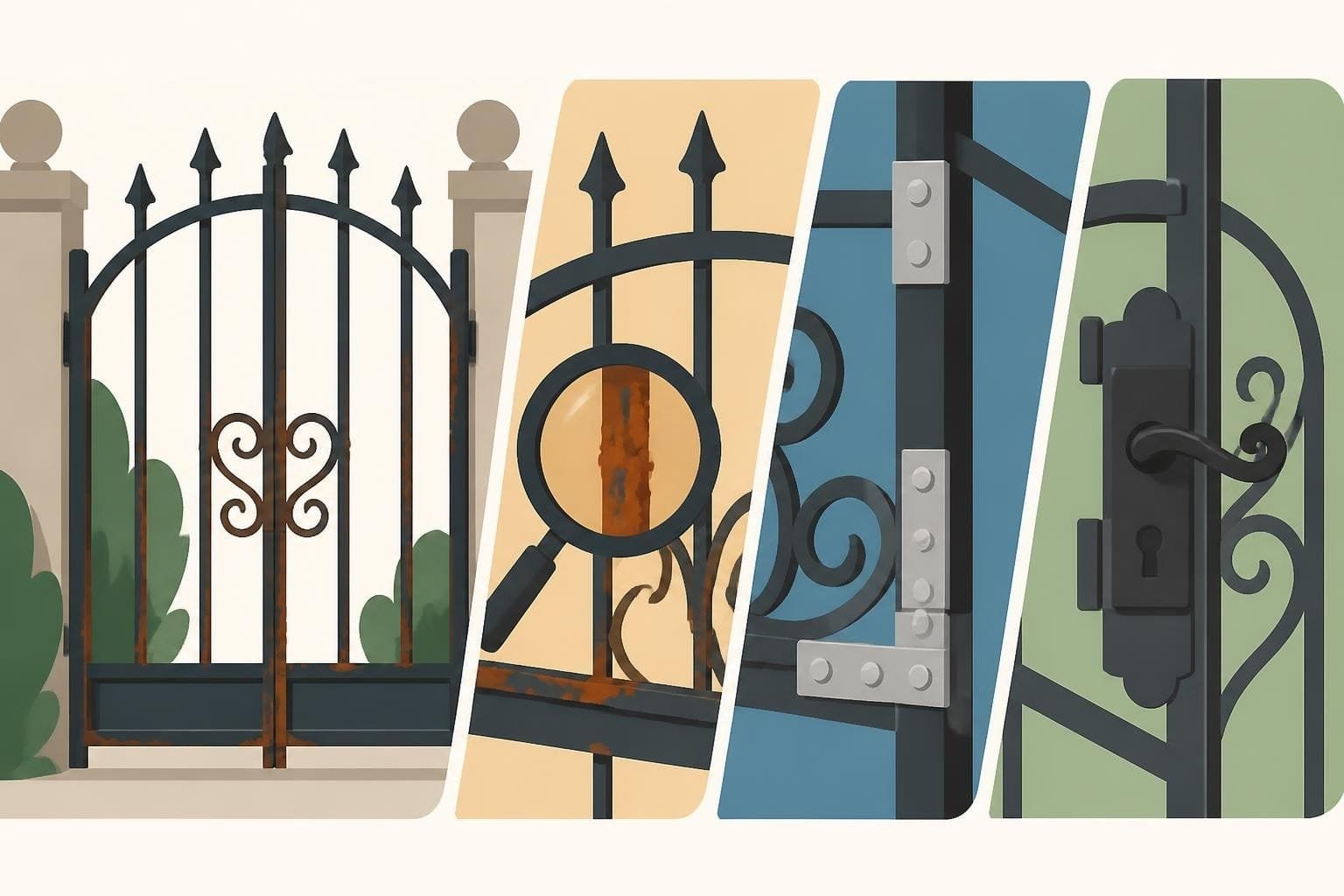

Rod iron gates combine security with architectural elegance, but years of exposure to weather and daily use take their toll. When these ornamental barriers begin showing signs of wear-from surface rust to sagging frames and broken hinges-property owners face a critical decision about restoration. Understanding the complexities of rod iron gate repair helps you make informed choices about whether to tackle issues yourself or call in professionals. This guide explores the technical aspects of repairing these metal structures, from identifying damage patterns to selecting appropriate restoration methods that extend the lifespan of your investment.
Understanding Rod Iron Gate Damage Patterns
Most gate failures follow predictable patterns based on material properties and environmental exposure. Identifying the root cause of damage determines the most effective repair approach.
Common Structural Issues
Rust and corrosion represent the primary threat to iron gates in most climates. The oxidation process begins at microscopic levels, often hidden beneath paint or protective coatings. By the time surface rust becomes visible, deeper metal loss may already compromise structural integrity. According to AMPP’s research on corrosion mechanisms, iron exposed to moisture and oxygen undergoes continuous electrochemical reactions that accelerate deterioration.
- Surface rust: Cosmetic damage affecting appearance but not strength
- Pitting corrosion: Deep, localized holes weakening specific points
- Scale formation: Layered rust buildup indicating advanced deterioration
- Structural thinning: Metal loss reducing load-bearing capacity
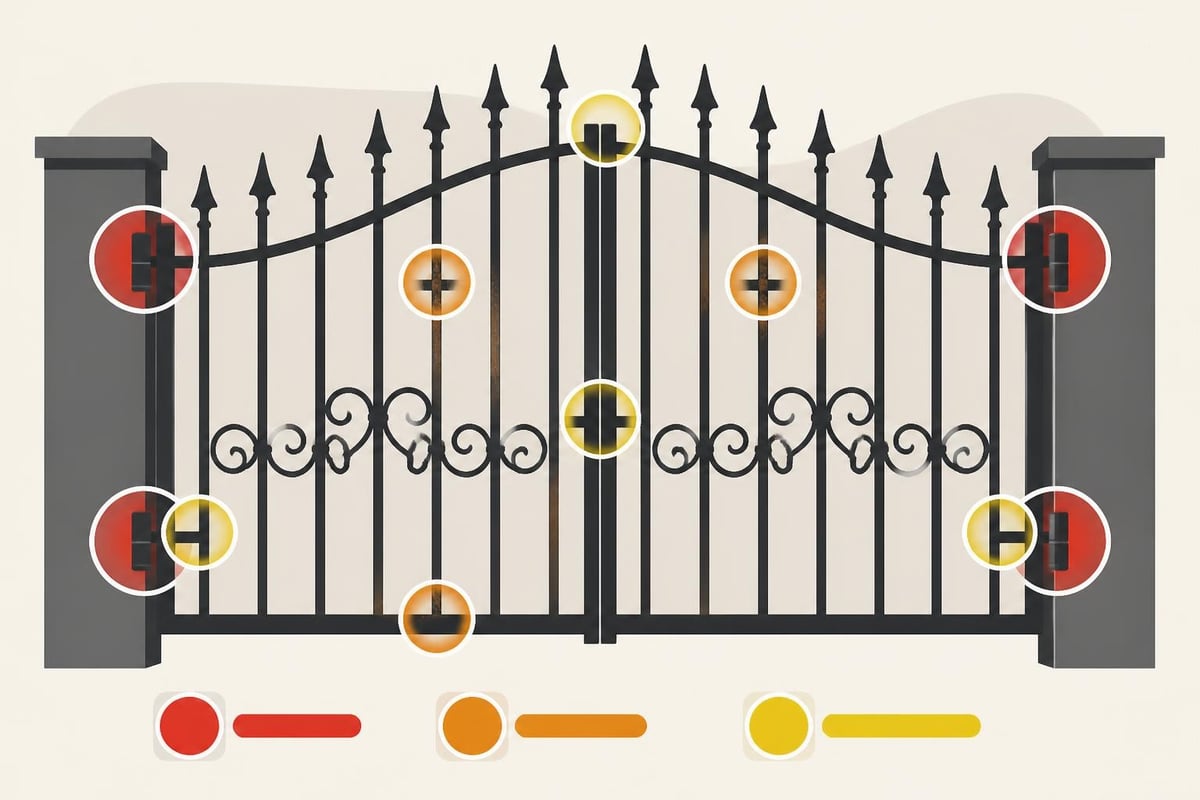
Hardware failures occur at stress concentration points. Hinges, latches, and mounting brackets endure repetitive forces every time the gate opens or closes. These components often fail before the gate frame itself, creating alignment issues that cascade into larger problems.
Environmental Accelerators
Climate conditions dramatically affect repair frequency. Coastal properties face salt-air corrosion, while regions with freeze-thaw cycles experience expansion stresses that crack protective coatings. Urban environments contribute industrial pollutants that accelerate oxidation. Gates in Los Angeles experience unique challenges from marine layer moisture combined with UV exposure that degrades paint finishes faster than inland locations.
| Environmental Factor | Primary Damage Type | Repair Frequency |
|---|---|---|
| Coastal salt air | Accelerated rust, pitting | Every 2-3 years |
| High humidity | Uniform corrosion, paint failure | Every 3-4 years |
| Freeze-thaw cycles | Coating cracks, joint stress | Every 4-5 years |
| UV exposure | Paint degradation, surface oxidation | Every 3-5 years |
Rod Iron Gate Repair Methodology
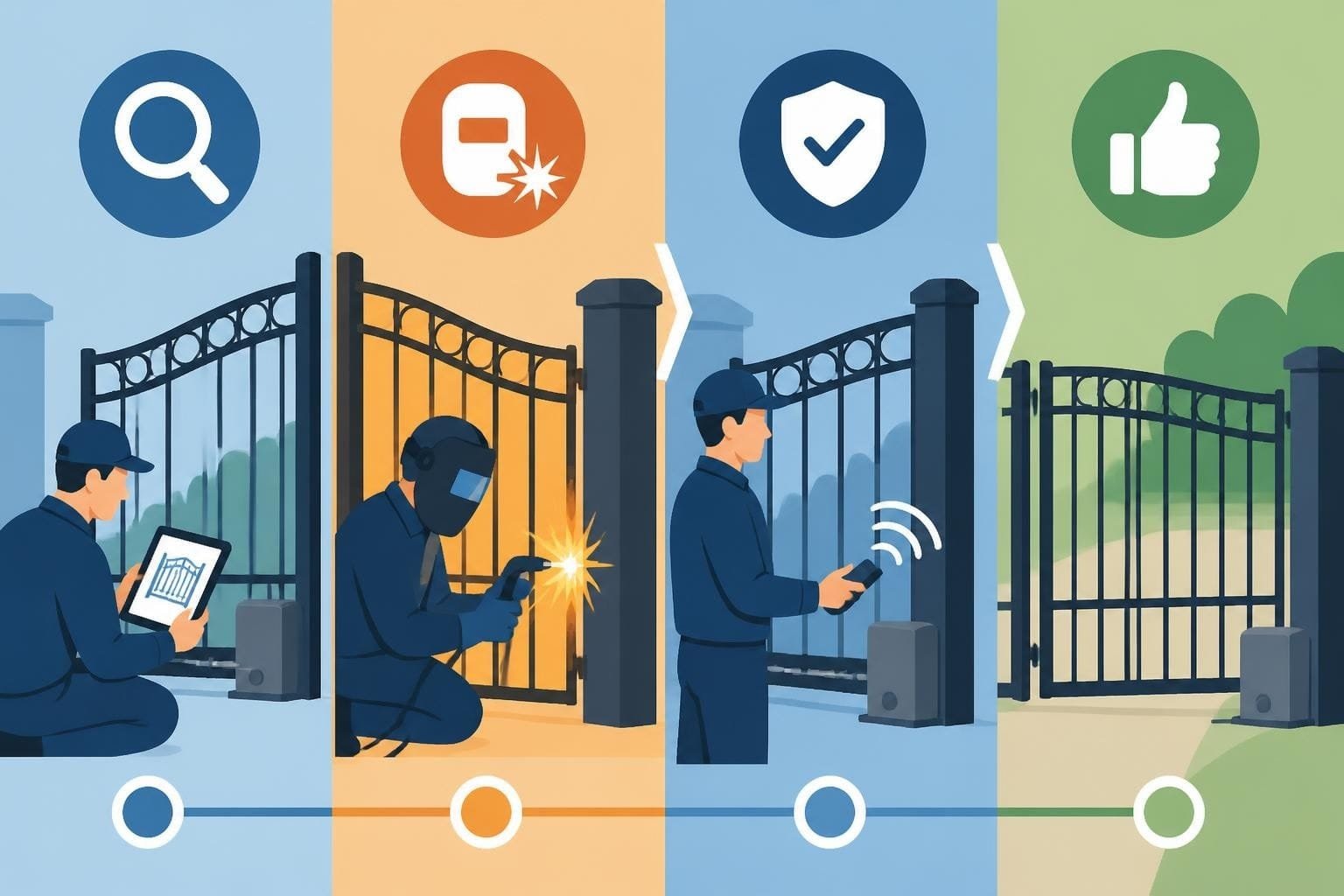
Successful restoration requires systematic assessment before any repair work begins. Rushing into cosmetic fixes without addressing underlying problems wastes resources and leads to recurring failures.
Damage Assessment Protocol
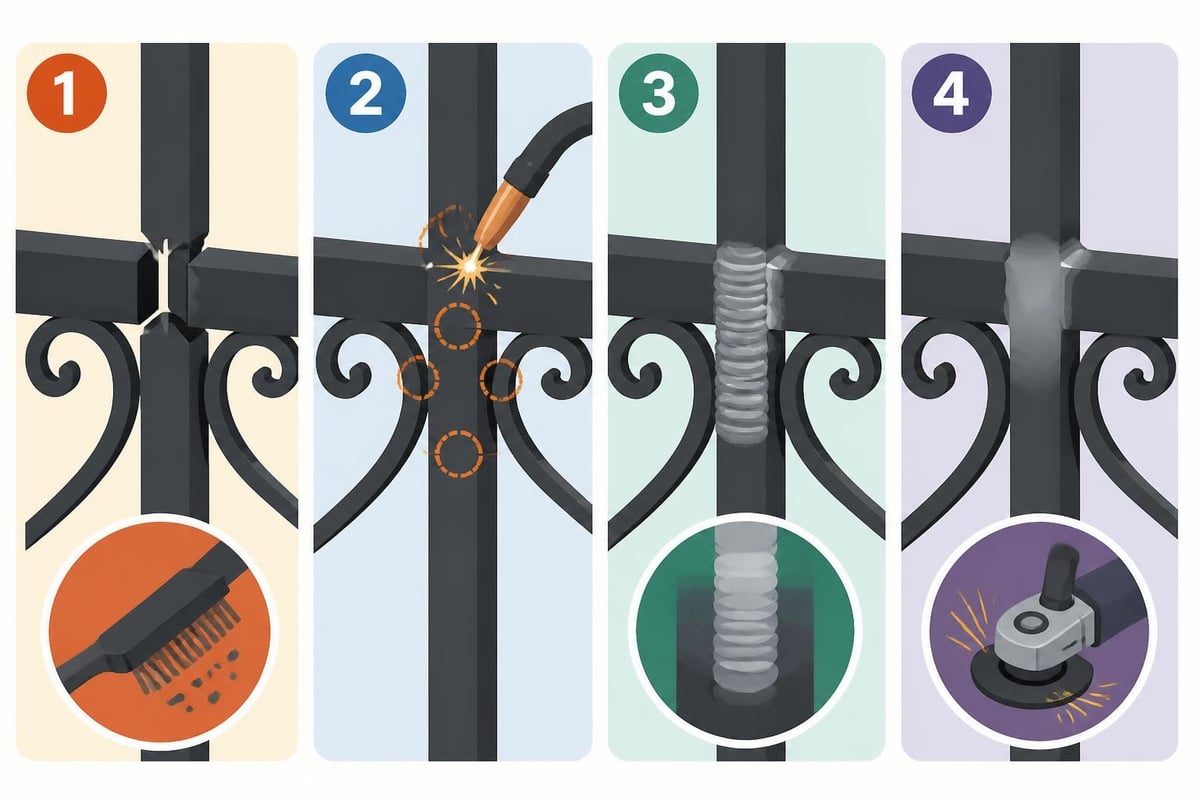
Start with a comprehensive inspection documenting every defect. Use a wire brush to remove loose rust and paint, revealing the true extent of metal loss. Measure gate alignment using a carpenter's level-sagging indicates hinge failure or frame damage. Check welds for cracks by applying penetrating dye or simply tapping with a hammer and listening for hollow sounds.
Thickness gauging determines whether corroded sections retain sufficient material for safe operation. Professional technicians use ultrasonic meters, but property owners can assess severity by probing rust with a screwdriver. Metal that flakes away easily requires replacement rather than surface treatment.
The decision tree for rod iron gate repair branches at this assessment phase:
- Minor surface damage: Clean, prime, and repaint
- Moderate corrosion: Grind to bare metal, apply rust converter, coat
- Severe structural loss: Cut out damaged sections and weld replacements
- Complete failure: Full gate replacement
Rust Removal and Surface Preparation
Proper preparation determines coating longevity more than the paint quality itself. Remove all rust down to bright metal using wire wheels, sandblasting, or chemical removers. Each method suits different scenarios:
- Wire brushing: Effective for light surface rust, labor-intensive
- Sandblasting: Fastest for heavy scale, requires containment and safety gear
- Naval jelly/converters: Chemical approach for intricate ornamental details
- Electrolytic removal: Gentle method preserving dimensional accuracy
After rust removal, immediately apply primer to prevent flash rusting. Modern epoxy primers provide superior adhesion and corrosion resistance compared to traditional oil-based products. For gates requiring maximum protection, hot-dip galvanizing offers comprehensive coverage by coating both exterior and interior surfaces-though this process requires complete disassembly and professional facilities.
Welding and Structural Repairs
Restoring load-bearing capacity often requires welding new material to damaged sections. This presents technical challenges specific to older ironwork.
Metallurgical Considerations
True wrought iron-common in gates manufactured before 1940-contains fibrous slag inclusions that complicate fusion welding. As explained in TWI’s technical guidance on wrought iron repairs, these impurities can cause weld defects if not properly managed. Modern "rod iron" gates typically use mild steel, which welds more reliably with standard techniques.
Preheat requirements vary by material thickness and ambient temperature. Sections thicker than half an inch benefit from preheating to 200-300°F, reducing thermal stress that can crack welds. For electric gate repair involving automation components, ensure complete disconnection of electrical systems before applying welding current.
Repair Welding Techniques
| Weld Type | Application | Strength | Skill Level |
|---|---|---|---|
| Stick (SMAW) | Field repairs, all positions | High | Moderate-Advanced |
| MIG (GMAW) | Shop repairs, horizontal | High | Beginner-Moderate |
| TIG (GTAW) | Thin sections, ornamental | Highest | Advanced |
| Brazing | Decorative elements, dissimilar metals | Moderate | Moderate |
Joint preparation determines weld integrity. Grind damaged areas to create proper joint geometry-typically 30-45 degree bevels for butt welds on thick sections. Clean thoroughly to remove all paint, rust, and contaminants within two inches of the weld zone.
Build up severely corroded sections using multiple weld passes rather than single heavy beads. This controlled heat input reduces distortion and residual stress. After welding, grind flush and feather edges to blend repairs invisibly into surrounding material.
Hardware Replacement and Alignment
Even structurally sound gates fail to function properly when hardware deteriorates. Replacing worn components restores smooth operation and prevents further damage.
Hinge Systems
Gate hinges endure enormous forces, especially on heavy ornamental designs. Standard residential hinges typically fail first, followed by mounting anchors in masonry walls. Upgrade to heavy-duty barrel hinges or weld-on strap hinges rated for twice the gate's weight.
Mounting anchor repair often requires more effort than hinge replacement itself. Deteriorated concrete or brick creates loose attachment points that allow gate sag. Options include:
- Epoxy-set expansion anchors in new locations
- Through-bolted connections to structural members
- Welded reinforcement plates distributing load over larger areas
- Complete column rebuilding for severe masonry damage
Proper alignment prevents binding and excessive wear. Adjust hinges so the gate swings freely without rubbing the frame or dragging on the ground. Use shims to correct vertical alignment, and adjust horizontal positioning by repositioning mounting bolts within slotted holes.
Latches and Locks
Security hardware experiences both mechanical wear and corrosion. Replace rather than repair damaged lock mechanisms-internal components rarely justify rebuild costs for residential applications. When upgrading locks, ensure compatibility with existing automation systems if present.
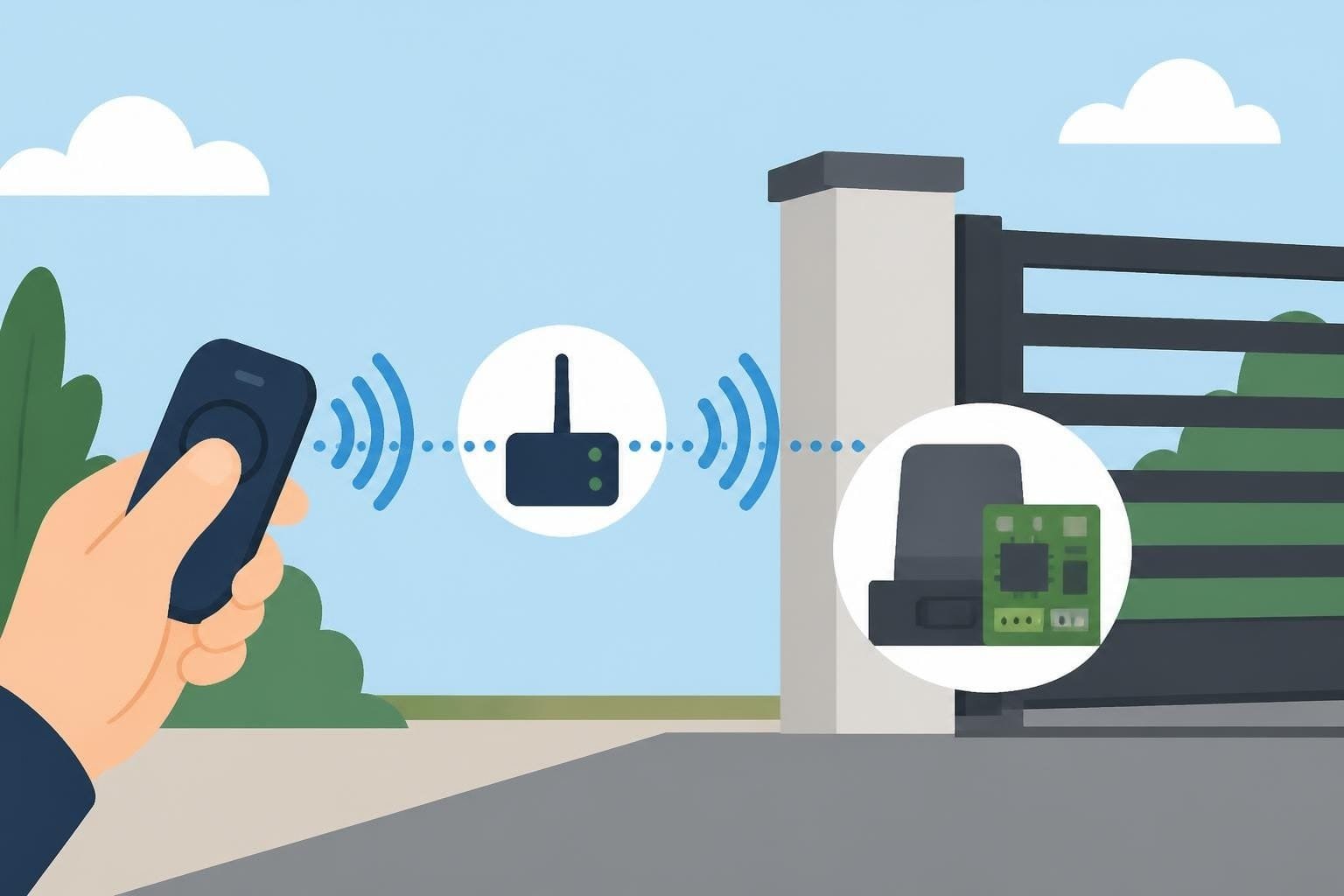
Modern rod iron gate repair often integrates electronic access control. Magnetic locks, electric strikes, and automated operators require weatherproof housings and proper wire routing. Consult commercial gate service specialists for installations involving access control systems.
Protective Coating Systems
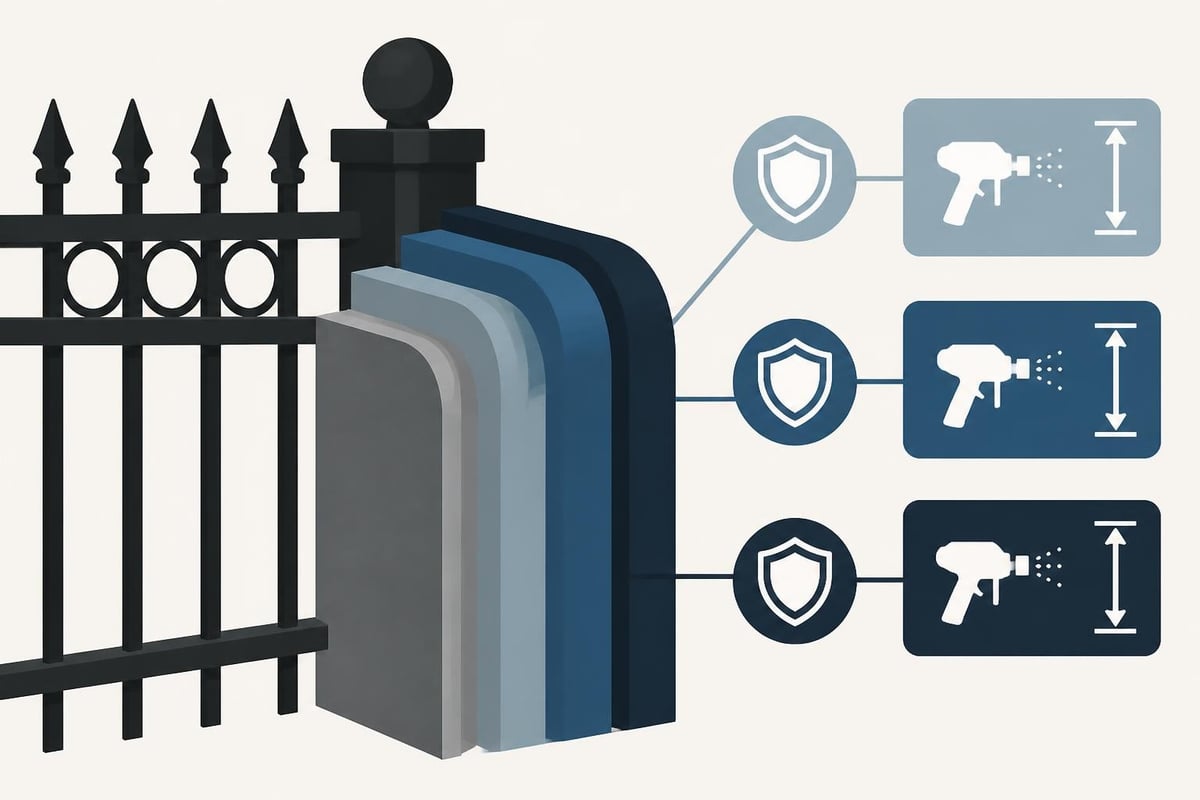
The final defense against future corrosion lies in properly applied protective coatings. A multi-layer system provides redundant protection when outer layers degrade.
Coating Selection
Direct-to-metal (DTM) coatings simplify application by combining primer and topcoat properties. While convenient, they sacrifice some performance compared to dedicated primer-topcoat systems. For maximum longevity, use:
- Zinc-rich primer: Provides sacrificial protection at coating defects
- Epoxy intermediate coat: Builds film thickness and chemical resistance
- Polyurethane topcoat: UV stability and color retention
Application method affects coverage quality. Brush application works for intricate ornamental details but leaves visible texture. Spray application provides smoother finishes and better penetration into crevices-essential for long-term protection. The American Galvanizers Association design guide details best practices for coating metalwork, including surface preparation standards and film thickness requirements.
Application Procedures
Environmental conditions during coating application significantly impact performance. Apply coatings only when:
- Temperature: Between 50-90°F, stable throughout curing
- Humidity: Below 85% relative humidity
- Surface temperature: At least 5°F above dew point
- Weather: No rain forecast for 24-48 hours after application
Film thickness should meet manufacturer specifications, typically 3-5 mils for primers and 2-3 mils for topcoats. Use a wet film thickness gauge during application to ensure adequate coverage. Insufficient thickness allows moisture penetration, while excessive buildup risks cracking and peeling.
Allow proper curing time between coats. Rushing recoating traps solvents and creates adhesion problems. Most modern coatings dry to touch within hours but require overnight curing before recoating.
Preventive Maintenance Strategies
Regular maintenance prevents minor issues from escalating into expensive repairs. Establishing a systematic inspection schedule catches problems early when simple interventions suffice.
Inspection Schedule
Quarterly walkaround inspections identify developing problems. Look for:
- New rust spots or paint bubbling
- Loose hinges or mounting hardware
- Gate binding or alignment changes
- Unusual noise during operation
- Automation system malfunctions
Annual detailed inspections should include removing access panels, lubricating moving parts, and touching up any coating damage. For automated gates, verify proper safety sensor function and check control board connections for corrosion.
Cleaning and Lubrication
Simple cleaning extends coating life by removing corrosive contaminants. Wash gates annually with mild detergent and water, rinsing thoroughly. Avoid pressure washing directly at welds, hardware, or areas with coating damage-high pressure forces water beneath coatings and into crevices.
Lubrication points include all hinges, latch mechanisms, and wheel bearings on rolling gates. Use appropriate lubricants for each application:
| Component | Recommended Lubricant | Frequency |
|---|---|---|
| Hinges | White lithium grease | Every 6 months |
| Lock cylinders | Graphite powder | Annually |
| Sliding gate wheels | Bearing grease | Every 3 months |
| Chain drives | Chain lubricant | Every 6 months |
Avoid oil-based lubricants on exterior hardware-they attract dust and create abrasive paste that accelerates wear. Dry lubricants like PTFE sprays work better in dusty environments.
Professional Repair vs. DIY Approaches
Determining which repairs to attempt yourself versus hiring professionals depends on skills, tools, and project scope. Some rod iron gate repair tasks suit motivated homeowners, while others require specialized expertise.
DIY-Friendly Repairs
Homeowners with basic mechanical skills can handle:
- Surface rust removal and repainting
- Hardware replacement using existing mounting points
- Gate realignment by adjusting hinges
- Lubrication and routine maintenance
These tasks require common tools like wire brushes, wrenches, paintbrushes, and levels. Following manufacturer instructions and taking time for proper preparation yields professional-quality results.
When to Call Professionals
Complex repairs demand specialized skills and equipment:
- Welding structural components: Requires certification and proper equipment
- Masonry anchor replacement: Involves drilling, epoxy chemistry, and load calculations
- Automation system repairs: Needs electrical troubleshooting skills and safety knowledge
- Heritage ironwork: Demands conservation expertise per RICS guidance on wrought iron conservation
Safety considerations argue for professional help on heavy gates. A falling gate section can cause serious injury or property damage. Professional technicians carry liability insurance and use proper rigging equipment to control large components safely.
For property owners in the Los Angeles area, emergency gate repair services provide rapid response when gates fail completely, preventing security gaps.
Cost Analysis and Planning
Understanding repair economics helps property owners make informed decisions about restoration versus replacement.
Typical Repair Costs
Rod iron gate repair expenses vary by damage severity and local labor rates. Approximate 2026 pricing for common repairs:
- Surface rust treatment and repainting: $300-$800 for standard residential gate
- Hinge replacement: $150-$400 per hinge including hardware
- Welded structural repairs: $500-$2,000 depending on extent
- Complete restoration: $2,000-$5,000 for ornamental gates
- Automation system overhaul: $800-$3,000 including operators
Material costs represent a smaller portion of total expenses than labor. Skilled welding and metalwork command premium rates, typically $75-$150 per hour in metropolitan areas. Surface preparation accounts for 60-70% of coating project labor.
Repair vs. Replace Decision
Compare repair costs against new gate installation to determine the economical choice. Generally, repairs make sense when:
- Total repair cost remains below 50% of replacement cost
- Gate has historical or aesthetic significance
- Damage affects isolated sections rather than overall structure
- Existing gate matches property architecture uniquely
Replacement becomes advisable when:
- Structural damage compromises safety
- Repair costs exceed 60% of new installation
- Gate design doesn't meet current security needs
- Automation upgrade requires extensive modification
Factor in long-term value when making this decision. A properly restored rod iron gate can last decades with appropriate maintenance, while budget replacement gates may require renewal in 10-15 years.
Advanced Restoration Techniques
For gates with historical significance or unique ornamental features, specialized conservation methods preserve original character while ensuring functionality.
Metal Consolidation
Severely deteriorated sections that retain important decorative elements may benefit from consolidation rather than replacement. This technique stabilizes fragile metal using specialized epoxy systems designed for archaeological conservation. While rarely necessary for functional gates, it preserves irreplaceable ornamental castings or hand-forged elements.
Patina Preservation
Some property owners prefer aged appearance over fresh paint. Controlled patination using chemical treatments creates stable oxide layers that protect underlying metal while maintaining vintage aesthetics. This approach suits historical properties where authenticity matters more than pristine appearance.
Wax coating systems provide transparent protection for patinated surfaces. Microcrystalline wax products used in museum conservation create moisture barriers without obscuring metal color or texture. Reapplication every 1-2 years maintains protection.
Regulatory and Safety Compliance
Rod iron gate repair must address code requirements, particularly for automated installations and commercial applications.
Building Code Considerations
Local jurisdictions regulate automated gate installations under building and electrical codes. Key requirements typically include:
- Obstruction sensing: Safety edges or photo-eyes preventing closure on vehicles or pedestrians
- Emergency release: Manual operation capability during power failures
- Electrical permitting: Licensed contractor installation of operators and controls
- Setback compliance: Gate swing clearance from property lines
Verify permit requirements before undertaking major repairs involving automation systems. Unpermitted work creates liability issues and complicates property transfers.
Safety Standards
The DOE standards compilation for protective systems references testing protocols applicable to gate coatings and corrosion protection. While primarily focused on industrial facilities, these standards inform best practices for residential applications.
Industry safety standards address entrapment risks, particularly important for automatic gates. UL 325 specifications require compliant sensing systems and force limitations. Non-compliant gates pose serious injury risks and expose property owners to legal liability.
Rod iron gate repair encompasses diverse technical challenges from corrosion control to structural welding, each requiring careful assessment and appropriate methodology. Success depends on matching repair approaches to specific damage patterns while implementing protective measures that prevent recurrence. When your gate shows signs of deterioration or operational issues, Gates & Garage Door Express Inc. delivers professional restoration services backed by years of experience with Los Angeles area properties, offering same-day emergency response and comprehensive solutions that extend the life of your investment.