
Property owners across Los Angeles increasingly recognize the value of combining security with convenience through modern gate automation technology. Automatic gate opening systems have transformed from luxury additions into essential components for both residential estates and commercial facilities. These sophisticated systems provide seamless access control while maintaining the highest security standards for your property. Understanding how these systems work, their various configurations, and maintenance requirements empowers property owners to make informed decisions about their security infrastructure.
Understanding Automatic Gate Opening Systems
Automatic gate opening systems represent a comprehensive integration of mechanical, electrical, and electronic components working together to control vehicular and pedestrian access. These systems eliminate the need for manual gate operation while providing enhanced security features that traditional gates cannot offer.
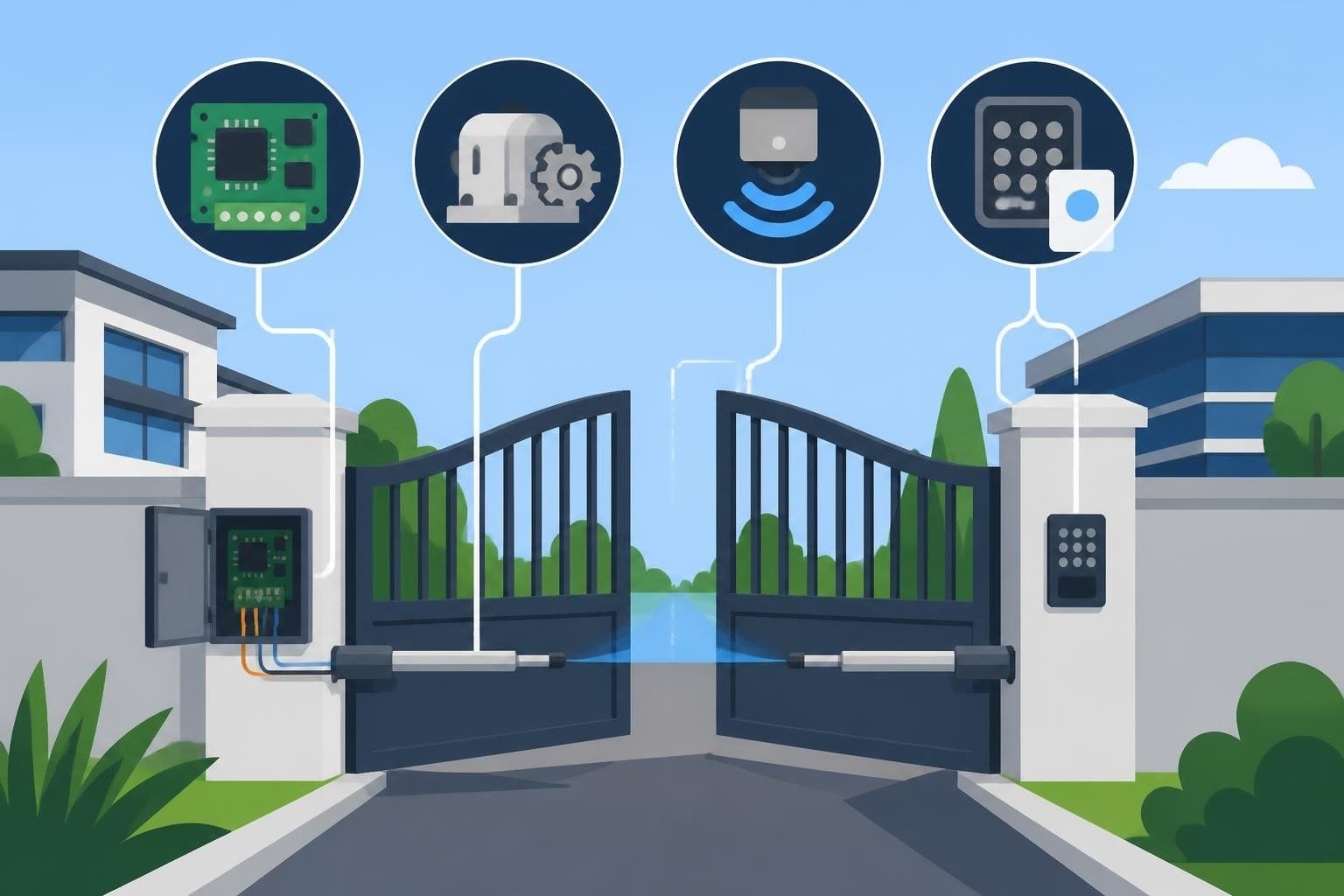
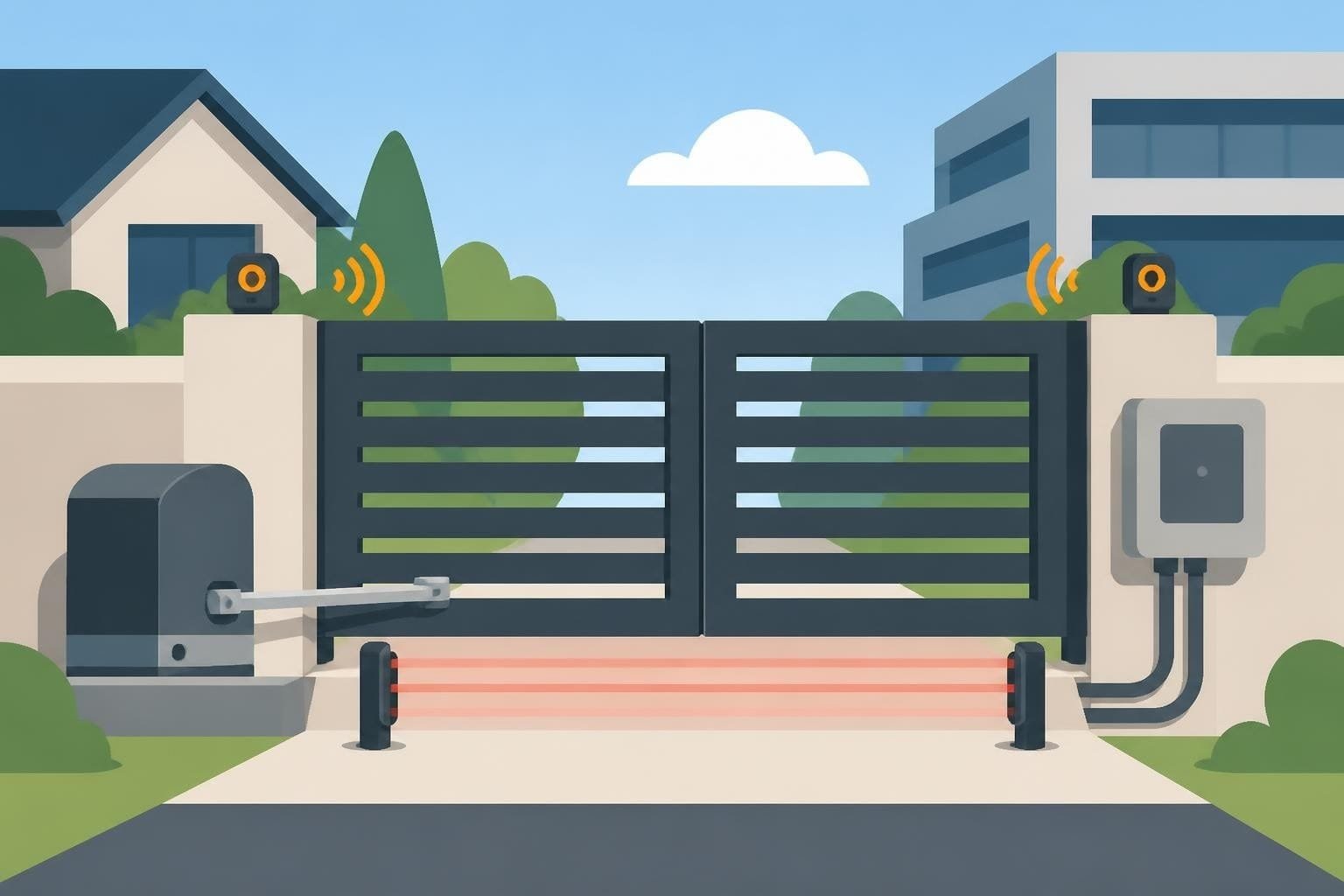
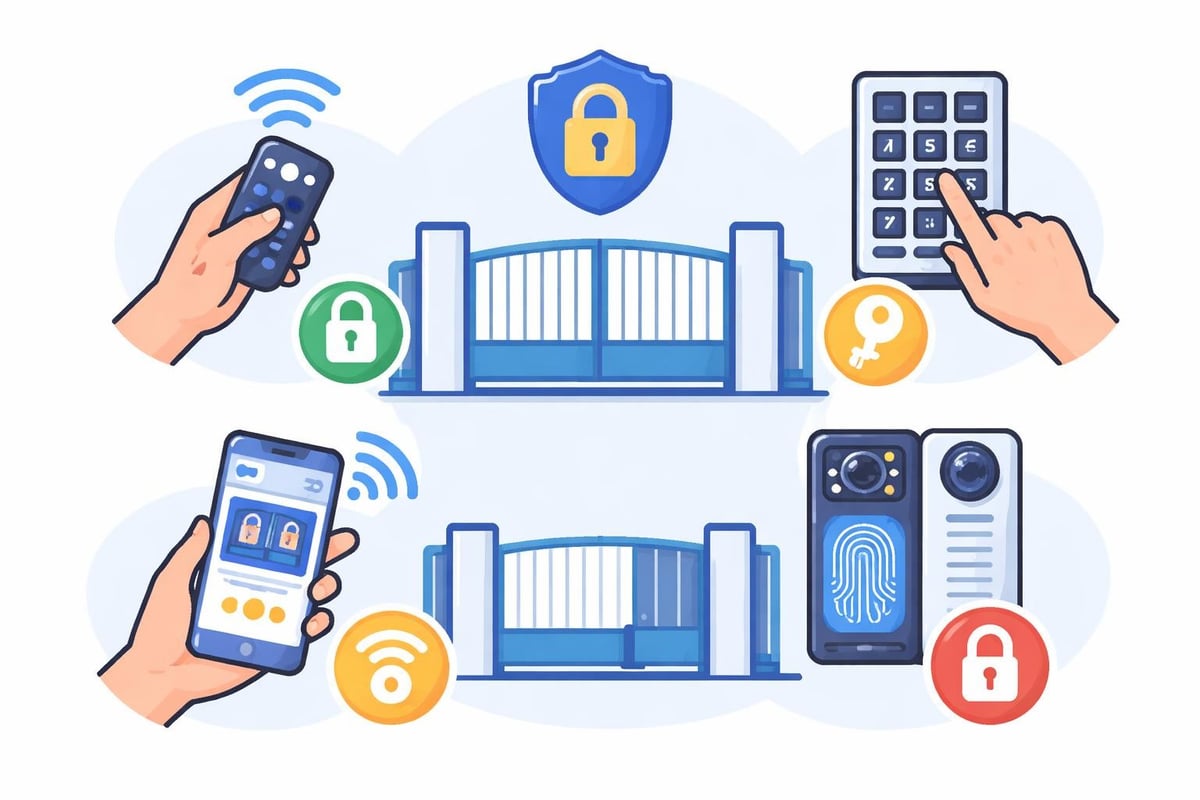
The fundamental operation involves a motorized opener that drives the gate mechanism, sensors that detect approaching vehicles or individuals, and control systems that manage access permissions. Modern automatic gate openers utilize various technologies including radio frequency remotes, keypads, smartphone applications, and biometric scanners to authenticate authorized users.
Core Components and Functionality
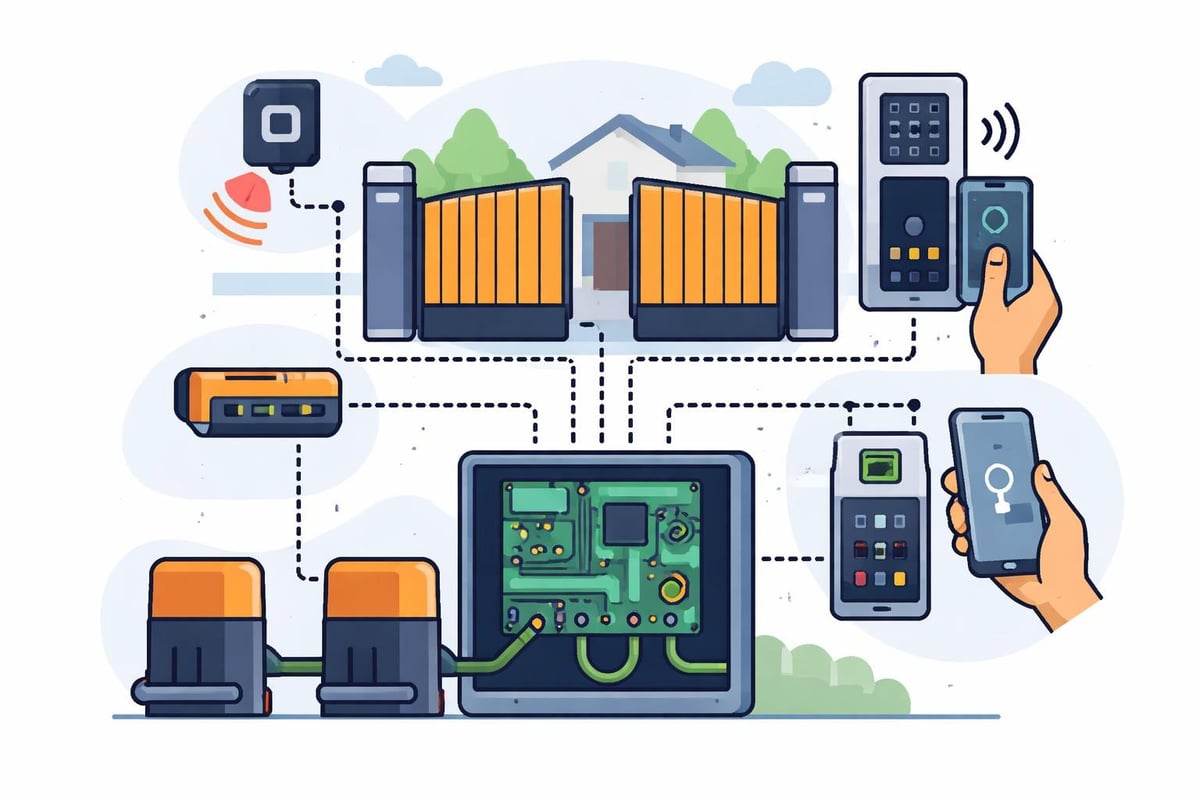
Every automatic gate opening system relies on several essential components that must work in harmony:
- Gate operator motor: Powers the movement of the gate, available in various strengths depending on gate weight and usage frequency
- Control board: Serves as the system's brain, processing signals from access devices and sensors
- Safety sensors: Detect obstructions and prevent accidents during gate operation
- Access control devices: Include remote transmitters, keypads, card readers, or smartphone interfaces
- Power supply: Typically connected to electrical mains with battery backup for continued operation during outages
The gate automation process begins when an authorized user triggers the system through their chosen access method. The control board receives this signal, verifies authorization, and activates the motor to open the gate. Throughout this process, safety sensors continuously monitor for obstructions, immediately halting operation if any obstacle is detected.
Types of Automatic Gate Opening Systems
Property owners can choose from several gate configurations, each suited to different spatial requirements and aesthetic preferences. The selection impacts not only the visual appeal but also the operational characteristics and maintenance needs.
Swing Gate Systems
Swing gates operate similarly to traditional doors, pivoting on hinges mounted to posts or walls. These systems require adequate clearance space for the gate to swing inward or outward.
Single swing gates use one panel and demand less hardware but require more clearance area. Double swing gates split the opening between two panels, reducing individual panel weight and creating an elegant symmetrical appearance preferred for estate entrances.
These configurations work exceptionally well for properties with sufficient driveway depth and are particularly popular in residential applications where aesthetic appeal matches functional requirements.
Sliding Gate Systems
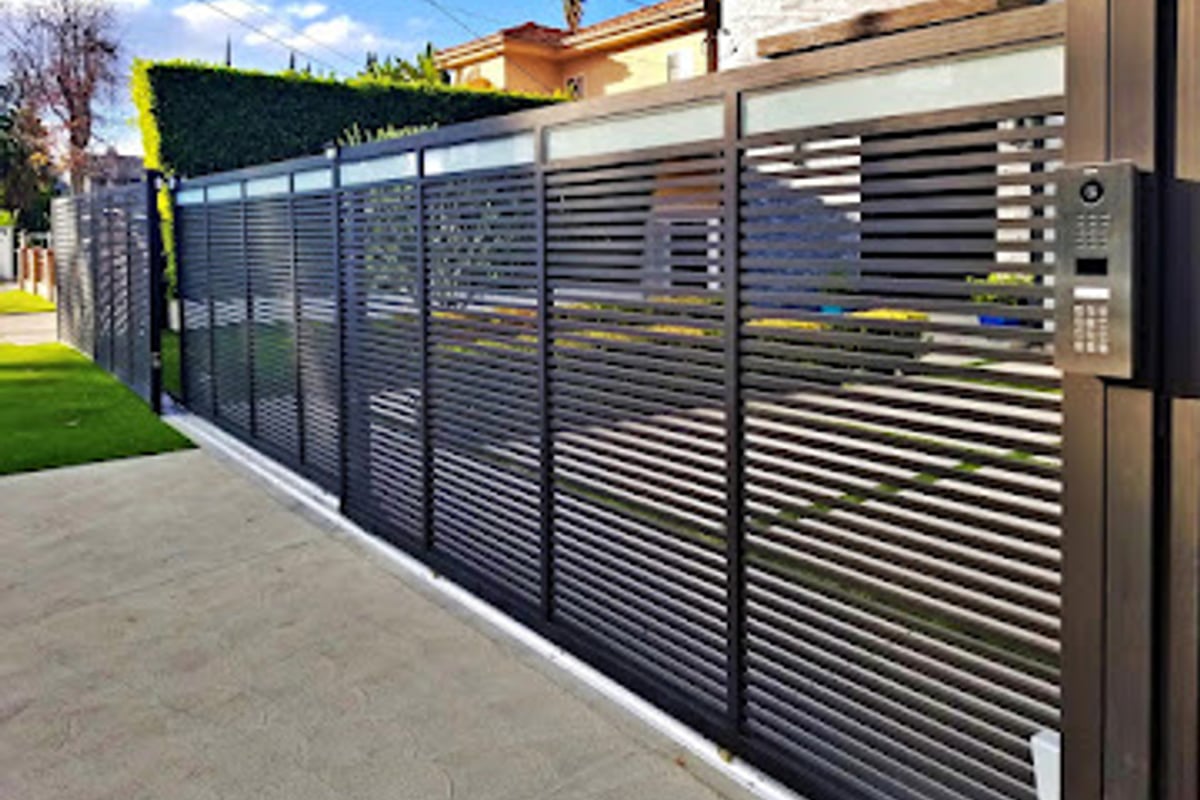
Sliding gates move horizontally along a track, making them ideal for properties with limited clearance space perpendicular to the fence line. The gate panel slides parallel to the fence, requiring space along the fence line rather than into or away from the property.
This design proves especially valuable for driveways on slopes or properties where swing clearance is impractical. Commercial facilities frequently choose sliding configurations due to their space efficiency and capability to accommodate wider openings with single panels.
Overhead and Vertical Pivot Systems
Less common but highly effective in specific applications, overhead gates lift vertically, similar to garage doors. Vertical pivot gates rotate on a central axis, combining elements of both swing and overhead designs.
These specialized systems suit unique architectural requirements or properties with specific spatial constraints that make traditional swing or slide configurations impractical.
Access Control Technologies
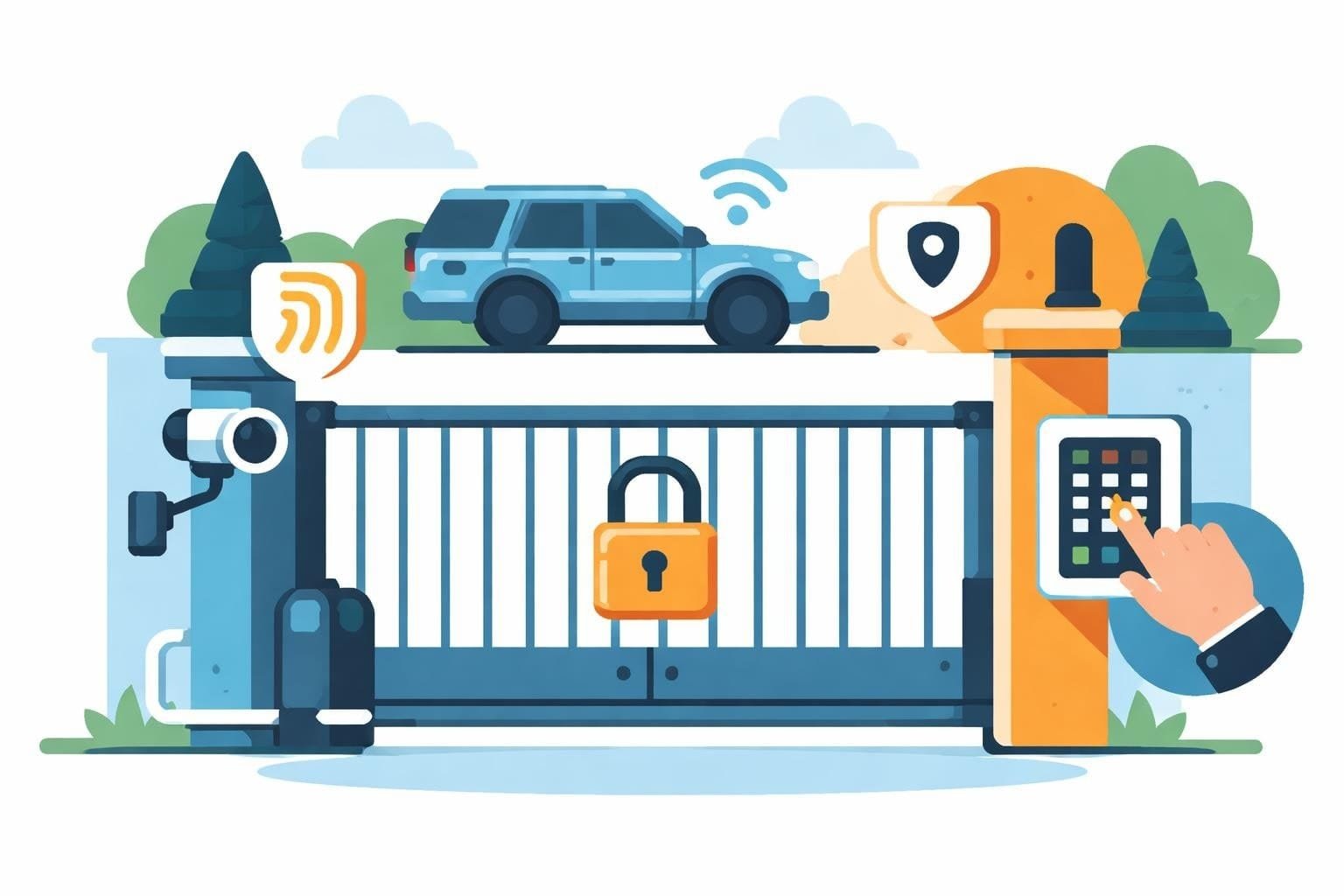
Modern automatic gate opening systems integrate sophisticated access control technologies that balance convenience with security requirements. Selecting the appropriate access method depends on security needs, user preferences, and budget considerations.
| Access Technology | Best For | Security Level | Convenience |
|---|---|---|---|
| RF Remote Control | Residential properties | Medium | High |
| Keypad Entry | Multi-user environments | Medium-High | Medium |
| Card/Fob Readers | Commercial facilities | High | High |
| Smartphone Apps | Tech-savvy users | High | Very High |
| Biometric Scanners | High-security applications | Very High | Medium |
| Vehicle Detection | Automated exit systems | Low-Medium | Very High |
Radio frequency remote controls remain the most common access method for residential installations due to their simplicity and reliability. Property owners simply press a button, and the system activates without requiring direct line-of-sight, unlike older infrared systems.
Advanced gate access control systems now incorporate smartphone connectivity, allowing property owners to grant temporary access to guests, monitor entry logs, and receive notifications when the gate operates. This technology provides unprecedented control and visibility over property access.
Keypads offer a cost-effective solution for properties requiring multiple users without distributing numerous remotes. Commercial properties often implement card reader systems that track individual user access, creating detailed audit trails for security purposes.
Safety Standards and Compliance
Safety represents the paramount concern in automatic gate opening systems, with strict regulatory standards governing their design and installation. Understanding these requirements protects property owners from liability while ensuring user safety.
The UL 325 standard specifically addresses automatic gate operators, classifying them based on their application and establishing safety requirements accordingly. This standard mandates specific entrapment protection devices depending on the gate's location and usage patterns.
Essential Safety Features
Professional installations incorporate multiple safety mechanisms:
- Photo-eye sensors create invisible beams across the gate path, stopping operation if interrupted
- Edge sensors detect physical contact with obstructions and immediately reverse gate direction
- Loop detectors sense vehicles in the gate path through electromagnetic field changes
- Manual release mechanisms allow manual operation during power failures or emergencies
- Auto-reverse functionality triggers if the motor detects unexpected resistance during operation
Recent developments have seen automatic gates receive the highest level of user safety certification, reflecting the industry's commitment to preventing accidents and injuries. These advancements particularly focus on preventing entrapment incidents, which historically represented the primary safety concern with automated gates.
Property owners in Los Angeles should ensure their systems comply with California state regulations and local municipal codes. Professional installation services verify compliance during initial setup and can retrofit older systems with modern safety features.
Installation Considerations for Different Properties
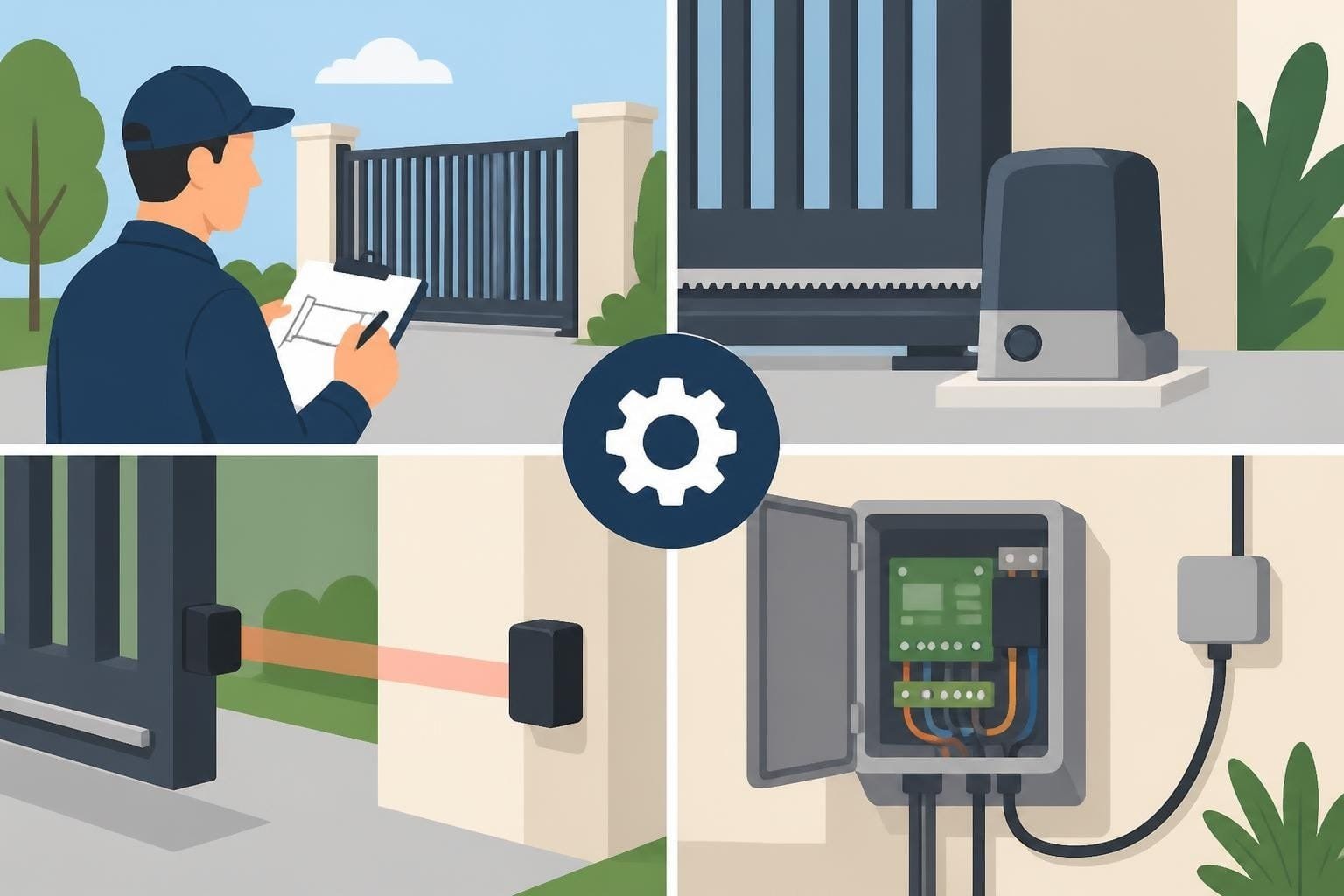
Successful automatic gate opening system installation requires careful planning that accounts for property-specific factors. The installation process varies significantly between residential and commercial applications.
Residential Property Requirements
Homeowners must evaluate their driveway configuration, available electrical power, and desired aesthetics. The gate location should provide adequate sight lines for drivers while maintaining security perimeters.
Electrical requirements typically involve running power to the gate location, though solar-powered options exist for remote installations. Battery backup systems ensure continued operation during power outages, a critical consideration for properties in areas experiencing frequent electrical disruptions.
Soil conditions affect post installation and foundation requirements. Clay soils may require deeper posts or reinforced footings compared to stable, well-draining soils. Professional automatic gate repair specialists in Los Angeles understand local soil conditions and building requirements.
Commercial Installation Factors
Commercial properties face additional complexity due to higher usage frequencies and multiple user management requirements. The system must accommodate peak traffic periods without excessive wear while maintaining security protocols.
Traffic flow analysis determines whether separate entry and exit gates optimize operations. High-traffic facilities benefit from faster opening speeds and more robust motor systems designed for frequent cycling.
Commercial installations often integrate with existing security systems, requiring coordination between gate controls, surveillance cameras, and alarm systems. This integration creates comprehensive security ecosystems that monitor and control all access points.
Motor Types and Power Requirements
The heart of any automatic gate opening system is its motor, which must be properly matched to the gate's weight, size, and expected usage frequency. Selecting an undersized motor leads to premature failure, while oversized motors waste resources.
Electromechanical motors represent the traditional choice, offering reliable operation through direct mechanical linkages. These motors provide substantial force and work well for heavy gates or high-traffic applications.
Hydraulic operators deliver exceptional power for massive gates, using fluid pressure to generate tremendous force. Commercial and industrial facilities with extremely heavy or wide gates typically require hydraulic systems.
Solar-powered systems eliminate electrical infrastructure requirements, making them ideal for remote gate locations. Modern solar technology provides sufficient power for residential applications with proper battery storage capacity.
| Motor Type | Max Gate Weight | Best Application | Power Source | Maintenance Level |
|---|---|---|---|---|
| Electromechanical | 1,500 lbs | Residential | AC Power | Low |
| Hydraulic | 5,000+ lbs | Commercial/Industrial | AC Power | Medium |
| Solar | 800 lbs | Remote Residential | Solar/Battery | Low |
| Battery Backup | Varies | All (backup only) | Battery/Charger | Low |
Understanding electric gate openers and motors helps property owners make informed decisions about repairs versus replacements when systems malfunction.
Maintenance Requirements and Best Practices
Regular maintenance extends automatic gate opening system lifespan while preventing unexpected failures. Establishing a consistent maintenance schedule proves far more cost-effective than emergency repairs resulting from neglect.
Monthly Inspection Tasks
Property owners should perform basic monthly checks:
- Test all safety sensors to verify proper operation
- Lubricate moving parts including hinges, rollers, and tracks
- Clear debris from gate path and photo-eye sensors
- Verify remote controls and access devices function correctly
- Listen for unusual noises indicating worn components
These simple tasks take minimal time but identify developing problems before they cause system failures.
Professional Maintenance Services
Annual professional inspections provide deeper system evaluation. Technicians test electrical connections, measure motor performance, adjust timing settings, and verify safety compliance. For properties in West Hollywood and surrounding areas, professional gate repair services ensure systems maintain optimal performance and safety standards.
Weather exposure in Southern California, while generally mild, still affects gate systems. Salt air in coastal areas accelerates corrosion, requiring more frequent lubrication and protective treatments. Desert communities face dust infiltration that can damage motors and sensors.
Troubleshooting Common Issues
Understanding typical problems helps property owners identify when professional service is necessary versus simple user corrections.
Gate fails to respond to remote: Check battery in remote first, then verify gate has power. If power is present but gate won't respond, the issue likely involves the control board or receiver module.
Gate opens but won't close: Safety sensors may be misaligned or detecting phantom obstructions. Clean sensor lenses and verify proper alignment. If problems persist, sensor replacement may be necessary.
Intermittent operation: Loose electrical connections or failing control boards typically cause sporadic performance. These issues require professional diagnosis due to electrical complexity and safety concerns.
Slow or jerky movement: Insufficient lubrication, worn rollers, or motor problems create uneven operation. Immediate attention prevents further damage to mechanical components.
Gate reverses immediately after starting: This behavior indicates safety sensor activation. Check for actual obstructions first, then verify sensor function and alignment.
Smart Integration and Future Trends
The automatic gate opening systems market continues evolving with projected growth of 6.3% CAGR through 2032, driven by increasing security concerns and smart home technology adoption.
Modern systems integrate seamlessly with comprehensive home automation platforms. Property owners control gates through the same interfaces managing lighting, climate, and security systems. Voice assistants now command gate operations, though security protocols typically require additional authentication.
Artificial intelligence applications include learning household patterns to anticipate access needs, identifying unusual activity, and optimizing battery usage in solar systems. Machine learning algorithms predict maintenance needs based on usage patterns and component wear.
The future of gate access systems points toward increased connectivity, enhanced security features, and improved energy efficiency. Facial recognition technology may eventually replace traditional access methods, though privacy concerns currently limit widespread residential adoption.
Cost Considerations and Value Assessment
Investment in automatic gate opening systems varies widely based on gate type, features, and installation complexity. Understanding cost components helps property owners budget appropriately and evaluate vendor proposals.
Basic residential swing gate systems start around $2,000-$4,000 including installation. This covers standard motors, basic remote access, and essential safety features. Mid-range installations running $4,000-$8,000 add smartphone connectivity, battery backup, and enhanced access control options.
Premium residential systems exceeding $8,000 incorporate custom designs, high-security features, advanced integration capabilities, and commercial-grade components for exceptional durability.
Commercial installations begin around $10,000 for basic functionality but frequently reach $25,000-$50,000 for comprehensive systems managing high traffic volumes with multiple access control methods and extensive integration requirements.
Beyond initial costs, consider ongoing expenses:
- Electricity costs: Typically minimal, averaging $5-15 monthly depending on usage frequency
- Annual maintenance: Professional service runs $150-300 for comprehensive inspection
- Repair reserves: Setting aside $200-500 annually covers typical component replacements
- Insurance impacts: Some carriers offer premium reductions for enhanced security features
The security value and convenience benefits typically justify the investment for most property owners. Automatic gate opening systems demonstrably improve property values, with many real estate professionals noting positive buyer responses to professional gate automation.
Selecting the Right System for Your Property
Property owners should evaluate several factors when choosing automatic gate opening systems. Start by assessing your specific needs: daily traffic volume, number of users requiring access, security priorities, and budget constraints.
Visit properties with installed systems when possible. Observe operation, ask owners about their experiences, and note features you find valuable or unnecessary. This research provides practical insights beyond manufacturer specifications.
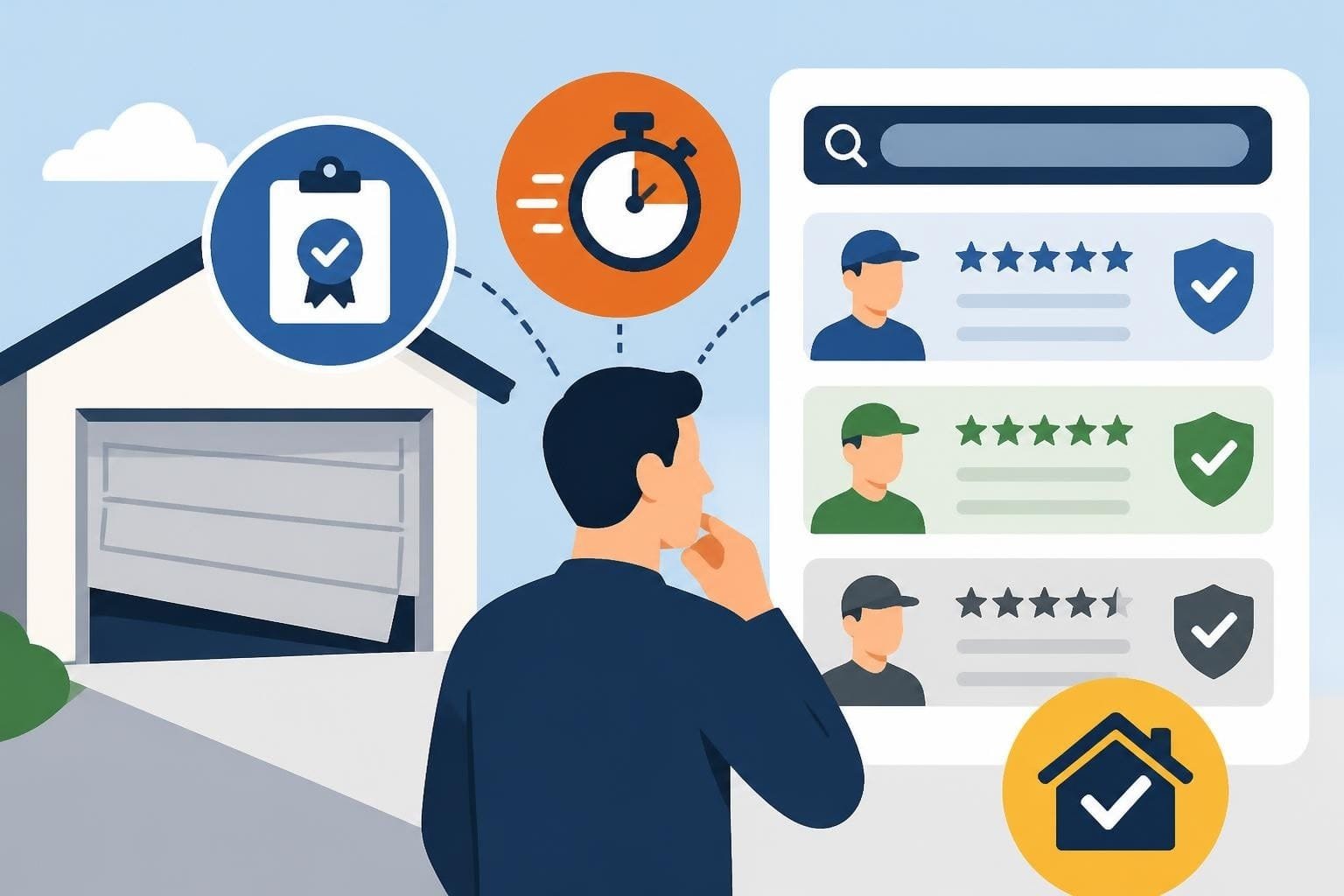
Request detailed proposals from multiple qualified installers. Compare not just pricing but included features, warranty coverage, maintenance plans, and installer reputation. Experienced gate installation professionals provide comprehensive consultations addressing your property's unique requirements.
Verify installers carry appropriate licensing and insurance coverage. Check references and online reviews, paying particular attention to comments about post-installation support and responsiveness to service calls.
Don't necessarily choose the lowest bid. Installation quality dramatically impacts long-term performance and reliability. Reputable installers invest in proper training, use quality components, and stand behind their work with meaningful warranties.
Consider future needs when specifying features. Adding smartphone connectivity or additional access methods later often costs more than including them initially. However, avoid paying for features you won't realistically use.
Automatic gate opening systems deliver security, convenience, and property value enhancement when properly selected, installed, and maintained. Understanding the technology, safety requirements, and ongoing maintenance needs helps property owners make informed decisions that serve their needs for years to come. Whether you're considering a new installation or experiencing issues with an existing system, Gates Express provides expert guidance and professional service throughout Los Angeles, ensuring your automatic gate system operates safely and reliably.