
Property security and convenient access control have become essential priorities for residential and commercial properties across Los Angeles and beyond. An electric swing gate opener transforms traditional manual gates into automated entry systems that enhance security, increase property value, and provide effortless daily operation. Whether you're considering automation for your driveway, commercial facility, or estate entrance, understanding the technology, installation requirements, and maintenance needs will help you make an informed decision that serves your property for years to come.
Understanding Electric Swing Gate Opener Technology
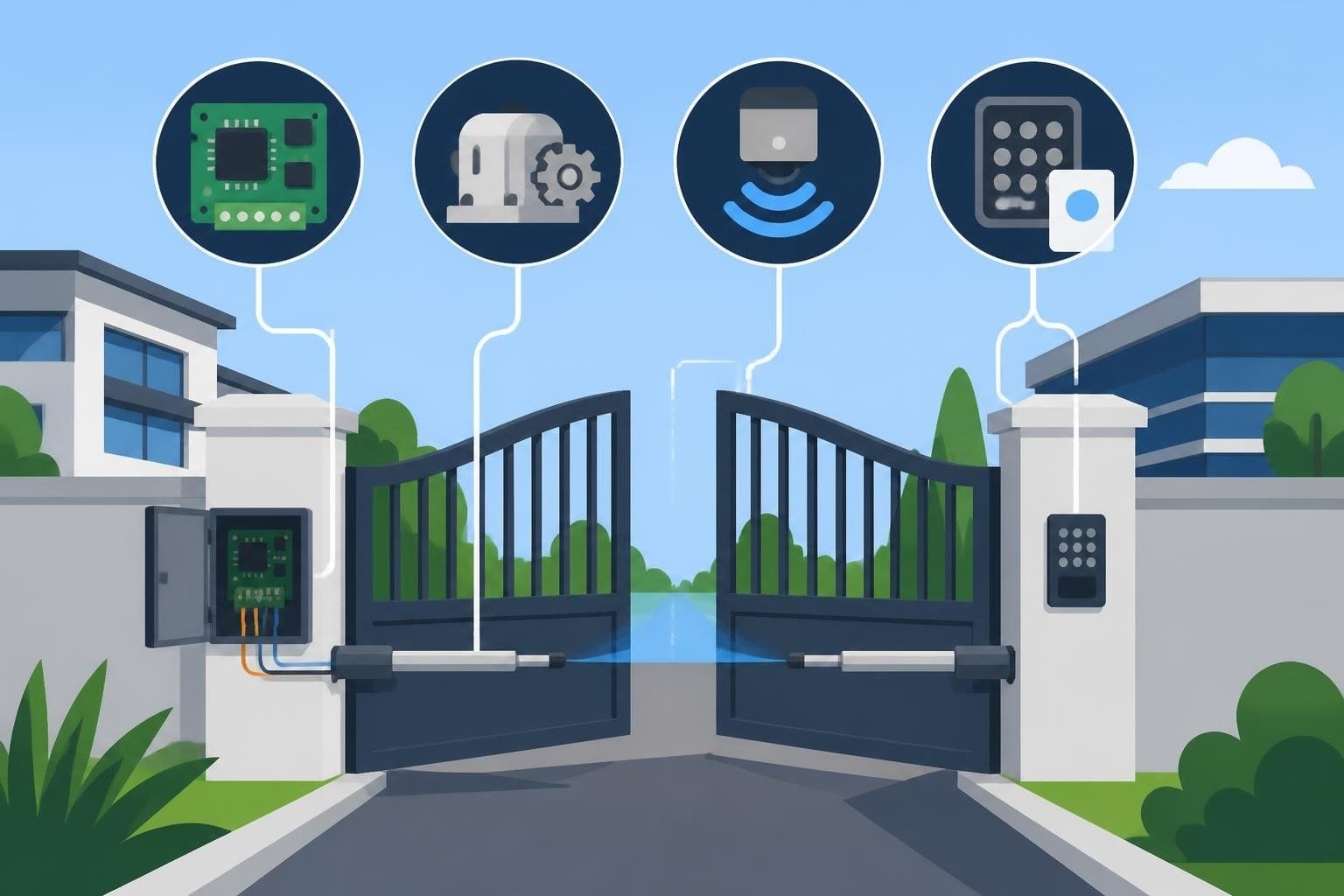
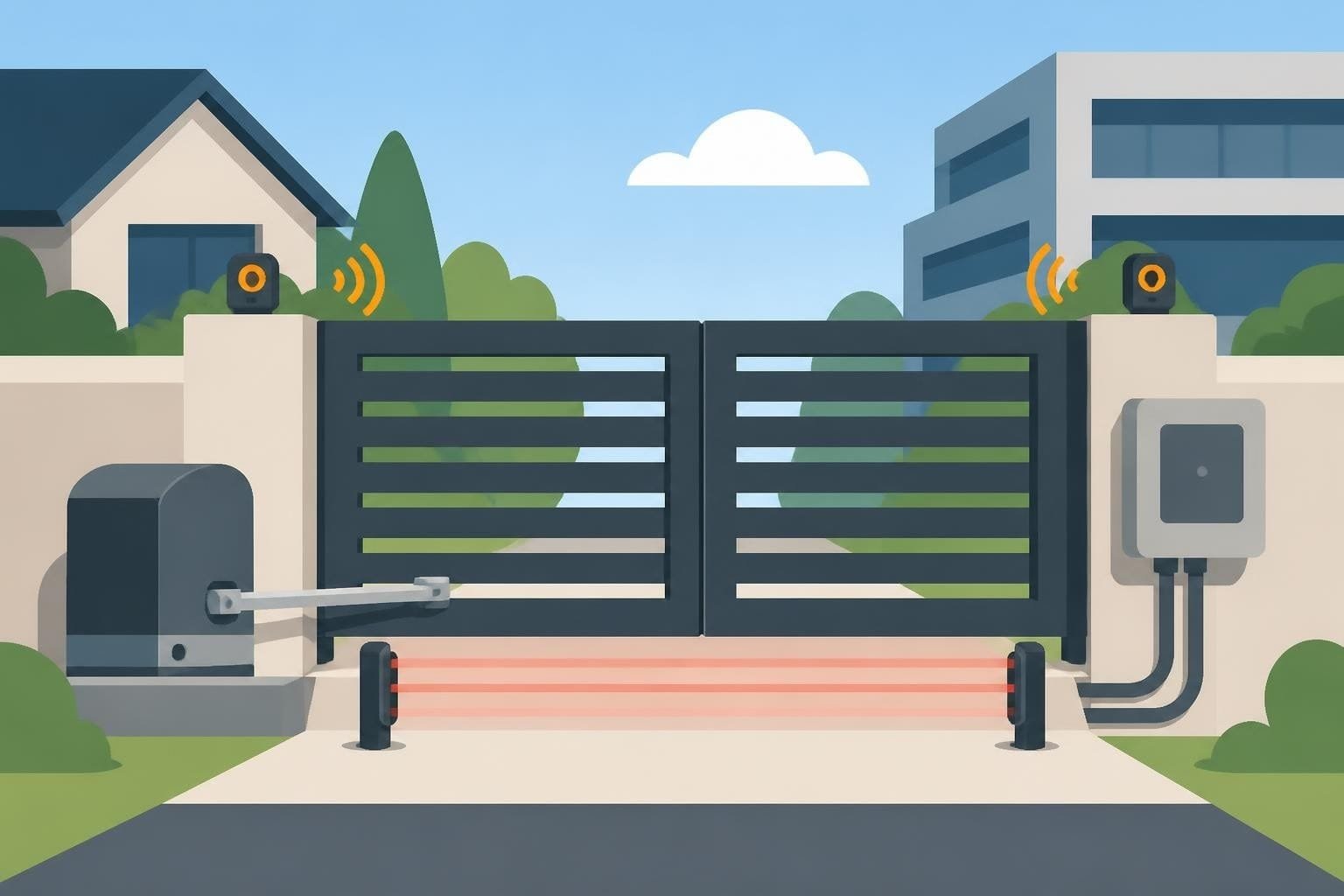
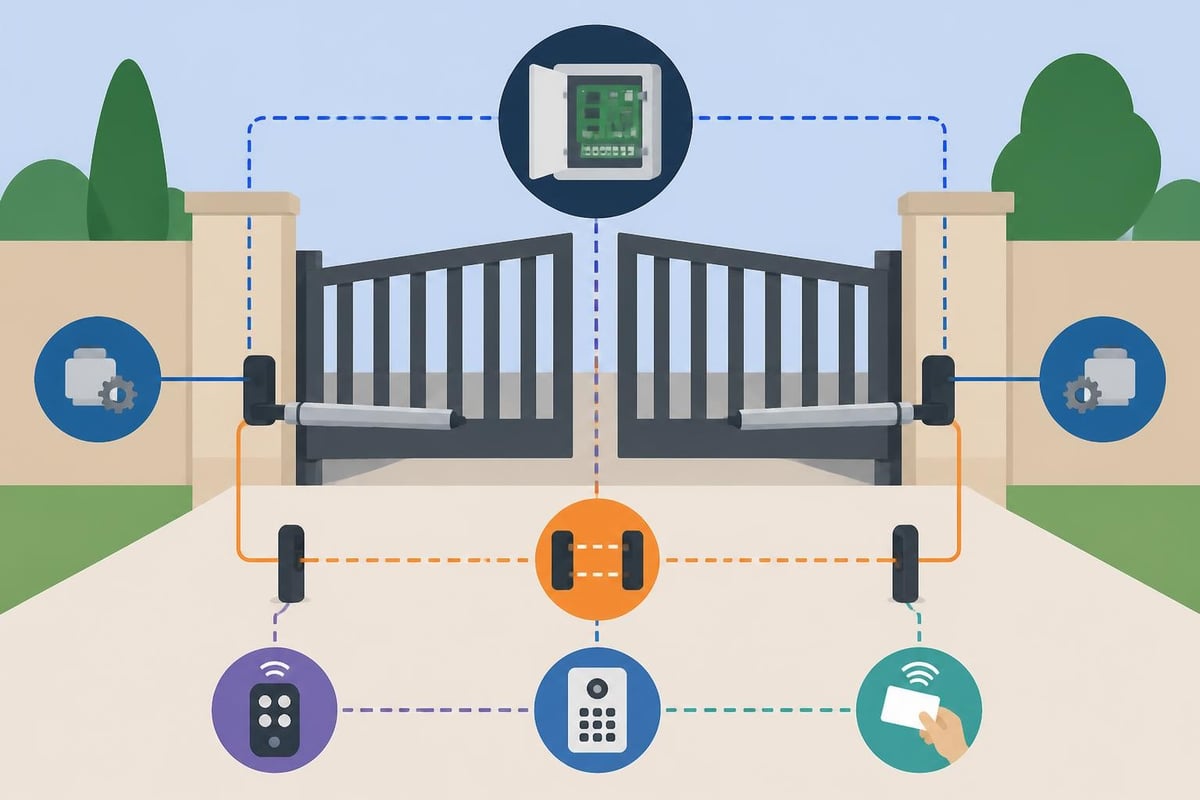
An electric swing gate opener consists of several integrated components working together to automate gate movement. The core system includes a motor operator, control board, power supply, safety sensors, and access control devices. Modern systems have evolved significantly since their introduction, now incorporating smart technology and sophisticated safety features that comply with current safety standards and regulations.
The motor operator serves as the heart of any electric swing gate opener. These motors range from simple mechanical arms to advanced hydraulic systems, each designed for specific applications. Electromechanical operators use gears and linkages to push or pull gates open, while hydraulic systems employ fluid pressure for smooth, powerful operation. Linear actuators extend and retract to create gate movement, offering precise control and quieter operation compared to traditional chain-driven systems.
Control Systems and Automation Intelligence
Modern control boards have transformed from simple on-off switches to sophisticated microprocessors capable of learning usage patterns and adapting to environmental conditions. These intelligent systems monitor motor current, track cycle counts, adjust closing force automatically, and provide diagnostic information when service is needed.
Key control features include:
- Programmable opening and closing speeds
- Adjustable auto-close timers
- Obstacle detection sensitivity settings
- Holiday and vacation mode scheduling
- Battery backup integration
- Multi-gate synchronization capabilities
The integration of wireless connectivity has enabled remote monitoring and control through smartphone applications. Property owners can now operate gates from anywhere, receive real-time notifications of gate activity, and grant temporary access to visitors without physical presence.
Types and Configurations of Swing Gate Operators
Selecting the appropriate electric swing gate opener configuration depends on gate weight, width, material, mounting location, and traffic volume. Each operator type offers distinct advantages suited to specific installation scenarios.
| Operator Type | Weight Capacity | Ideal Application | Speed | Power Consumption |
|---|---|---|---|---|
| Articulated Arm | Up to 800 lbs | Residential gates, limited space | Moderate | Low to Medium |
| Linear Actuator | Up to 1,500 lbs | Commercial, heavy gates | Fast | Medium |
| Hydraulic Underground | Up to 2,000 lbs | High-security, aesthetic priority | Variable | High |
| Electromechanical Ram | Up to 1,200 lbs | Industrial, high-cycle | Fast | Medium to High |
Articulated arm operators represent the most common residential choice. These systems mount to gate posts and swing arms, providing reliable operation with minimal maintenance requirements. Their visible mounting allows for straightforward installation and service access, though some property owners prefer concealed alternatives for aesthetic reasons.
Underground and Concealed Systems
Hydraulic underground operators offer the most discreet installation option by hiding all mechanical components beneath the gate hinge. These systems excel in high-end residential and commercial applications where appearance matters as much as function. The installation requires more extensive excavation and professional expertise, but the result provides unobstructed views and superior weather protection for mechanical components.
Linear actuator systems bridge the gap between articulated arms and underground operators. Mounted parallel to the gate swing path, these units provide powerful operation while maintaining a relatively low profile. Many commercial facilities and gate access control installations favor linear actuators for their balance of performance, reliability, and serviceability.
Installation Requirements and Site Preparation
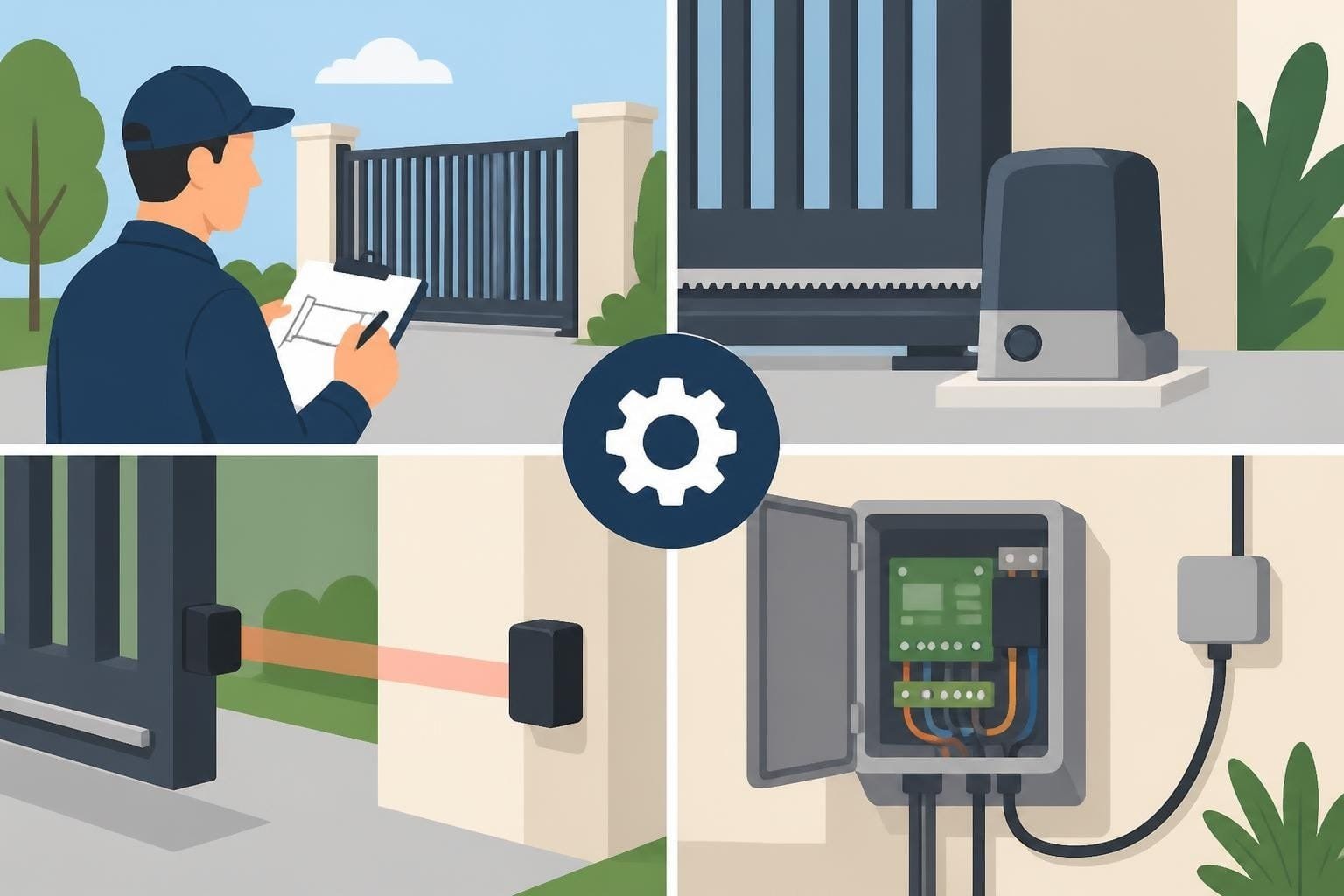
Proper installation of an electric swing gate opener begins long before the operator arrives on site. Professional installers assess multiple factors that impact system performance and longevity. Gate weight, wind load exposure, soil conditions, power availability, and local building codes all influence installation planning.
The ASTM F2200 specification provides comprehensive guidelines for automated vehicular gate construction, covering structural requirements, electrical integration, and safety device placement. Compliance with these standards ensures safe, reliable operation while protecting property owners from liability concerns.
Critical pre-installation considerations:
- Structural gate assessment – Verify hinges, framework, and foundation can handle automation stress
- Electrical service evaluation – Determine if existing circuits support operator power requirements or if dedicated circuits are needed per National Electrical Code standards
- Clearance verification – Confirm adequate swing radius without obstructions
- Gate balance testing – Ensure manual operation requires minimal force (gates should move freely)
- Post strength confirmation – Validate mounting surfaces can support operational forces
Power supply options have expanded beyond traditional hardwired connections. Solar-powered systems have gained popularity for remote locations or properties seeking energy independence. The U.S. Department of Energy’s solar and resilience guidance provides valuable insights into sizing solar panels and battery backup systems for reliable gate operation regardless of grid conditions.
Professional Installation Versus DIY Approaches
While homeowner installation is technically possible for some electric swing gate opener models, professional installation offers significant advantages. Licensed technicians understand local code requirements, proper wire sizing, conduit placement, and safety device positioning. They carry specialized tools for alignment and adjustment that ensure optimal performance from the first operation.
Most manufacturers require professional installation to maintain warranty coverage. This requirement reflects the complexity of properly integrating mechanical, electrical, and electronic components while meeting safety standards. For properties in Los Angeles and surrounding areas, professional gate repair and installation services provide peace of mind along with expert workmanship.
Safety Features and Regulatory Compliance
Safety represents the most critical aspect of any electric swing gate opener installation. Federal regulations now mandate specific entrapment-protection provisions that parallel those required for automatic garage door operators. These requirements address the primary risk factors associated with automated gates: crushing, shearing, and entrapment hazards.
Modern operators incorporate multiple layers of safety protection working simultaneously to prevent accidents. Photoelectric sensors create invisible beams across gate paths, stopping and reversing movement when interrupted. Edge sensors detect physical contact with obstructions, immediately halting operation. These devices must meet specific force limitations to prevent injury while maintaining adequate closing force for security.
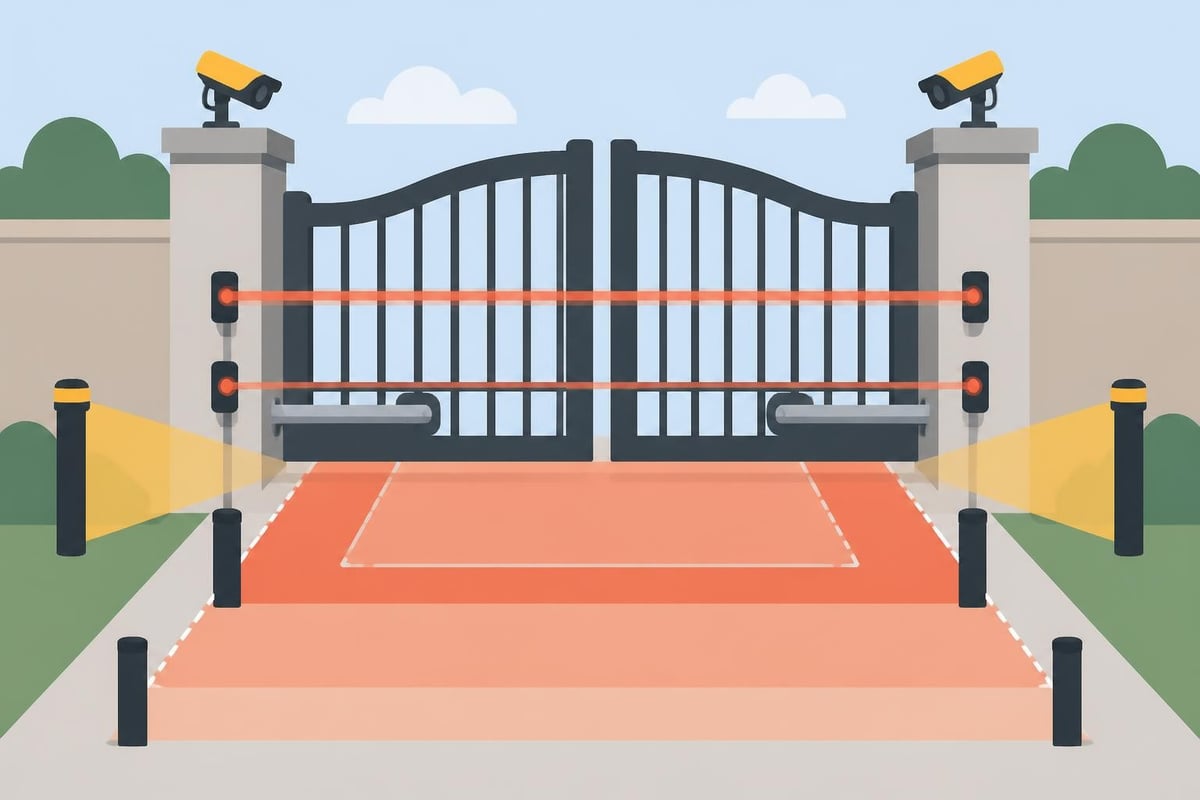
Force Monitoring and Obstacle Detection
Advanced control systems continuously monitor motor current to detect unexpected resistance during operation. When a gate encounters an obstacle, current draw increases measurably. Intelligent controllers recognize this change within milliseconds, stopping movement and reversing direction to prevent damage or injury. This technology provides a critical backup layer when primary sensors fail or when obstructions appear in areas sensors don't cover.
The U.S. Access Board provides guidance on force limitations for powered gates serving accessible routes. While primarily addressing commercial applications, these standards offer valuable reference points for residential installations where elderly residents or individuals with mobility limitations will use automated gates regularly.
Essential safety device checklist:
- Primary photoelectric sensors (minimum two sets)
- Secondary obstruction detection (edge sensors or pressure-sensitive devices)
- Emergency release mechanism accessible without tools
- Warning signage indicating automated gate operation
- Audible or visual operation warnings
- Manual control options for emergency situations
For properties seeking the highest safety standards, European requirements outlined in EN 12453 and EN 13849 standards provide additional frameworks for risk assessment and control system reliability. While not required in the United States, these standards inform best practices adopted by leading manufacturers and professional installers.
Maintenance Protocols for Optimal Performance
Regular maintenance extends the service life of an electric swing gate opener while preventing unexpected failures. Most manufacturers recommend professional servicing every 12-18 months, with more frequent attention for high-cycle commercial installations. Property owners can perform basic maintenance tasks between professional services to maintain optimal performance.
| Maintenance Task | Frequency | Difficulty | Impact |
|---|---|---|---|
| Lubricate hinges and pivot points | Monthly | Easy | High |
| Clean photoeye lenses | Monthly | Easy | High |
| Test safety reversal | Monthly | Easy | Critical |
| Inspect wiring connections | Quarterly | Moderate | High |
| Check mounting hardware torque | Quarterly | Moderate | High |
| Professional comprehensive service | Annually | N/A | Critical |
Visual inspections should occur monthly at minimum. Look for loose mounting bolts, frayed wiring, damaged conduit, bent gate components, and signs of water intrusion in control boxes. Many issues develop gradually, providing warning signs before complete failure occurs. Addressing minor problems promptly prevents costly emergency repairs and extends overall system longevity.
Seasonal Considerations and Weather Protection
Weather significantly impacts electric swing gate opener performance and longevity. Los Angeles' Mediterranean climate presents unique challenges including intense summer heat, occasional winter rain, and persistent dust exposure. Control boxes and motors require adequate ventilation to prevent overheating during summer months, while proper sealing protects electronics from moisture during rainy seasons.
Extreme temperature fluctuations affect lubricants, causing them to thin excessively in heat or thicken in cold. Using manufacturer-specified lubricants formulated for temperature extremes ensures consistent operation year-round. Battery backup systems also require temperature consideration, as lead-acid and lithium batteries both experience capacity reduction in extreme heat.
If your electric swing gate opener experiences operational issues, professional electric gate repair services can diagnose and resolve problems quickly, often preventing minor issues from becoming major failures.
Access Control Integration Options
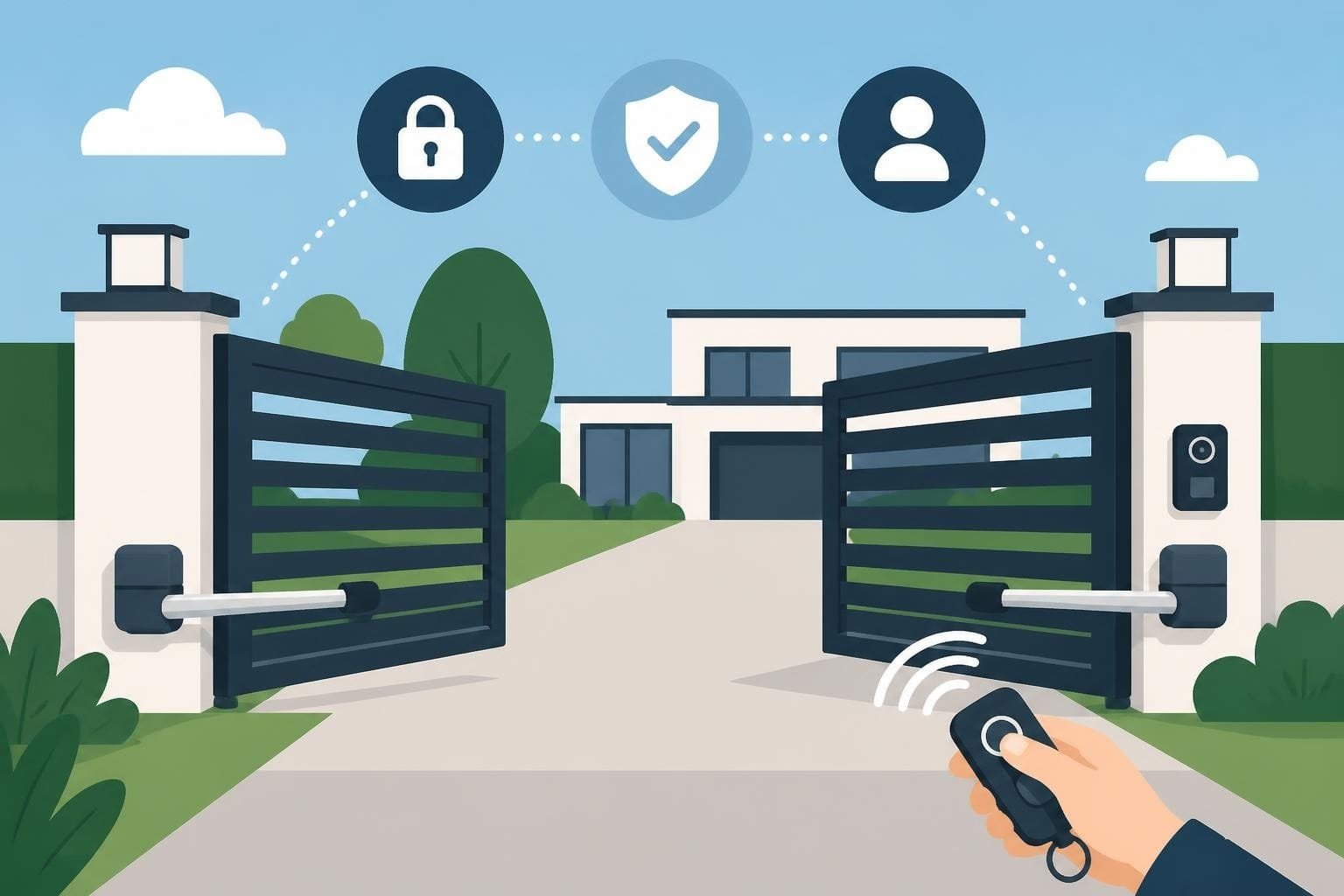
The electric swing gate opener serves as the mechanical foundation for comprehensive property access control. Modern systems integrate seamlessly with various access technologies, from traditional keypads to sophisticated biometric readers and vehicle recognition systems. Selecting appropriate access methods depends on security requirements, user convenience preferences, and budget considerations.
Popular access control methods:
- Wireless remote transmitters – Standard residential choice offering convenience and simplicity
- Keypad entry systems – Programmable codes for multiple users and temporary access
- Card and fob readers – Commercial applications requiring audit trails
- Smartphone control – Modern integration enabling remote operation and visitor management
- License plate recognition – Automated access for authorized vehicles
- Intercom systems – Two-way communication for visitor screening
- Biometric readers – Fingerprint or facial recognition for maximum security
Integration complexity varies considerably across these technologies. Basic remote control systems simply wire into the operator's control board through dedicated terminals. Advanced systems require network connectivity, dedicated power supplies, and professional programming to coordinate multiple access points and maintain user databases.
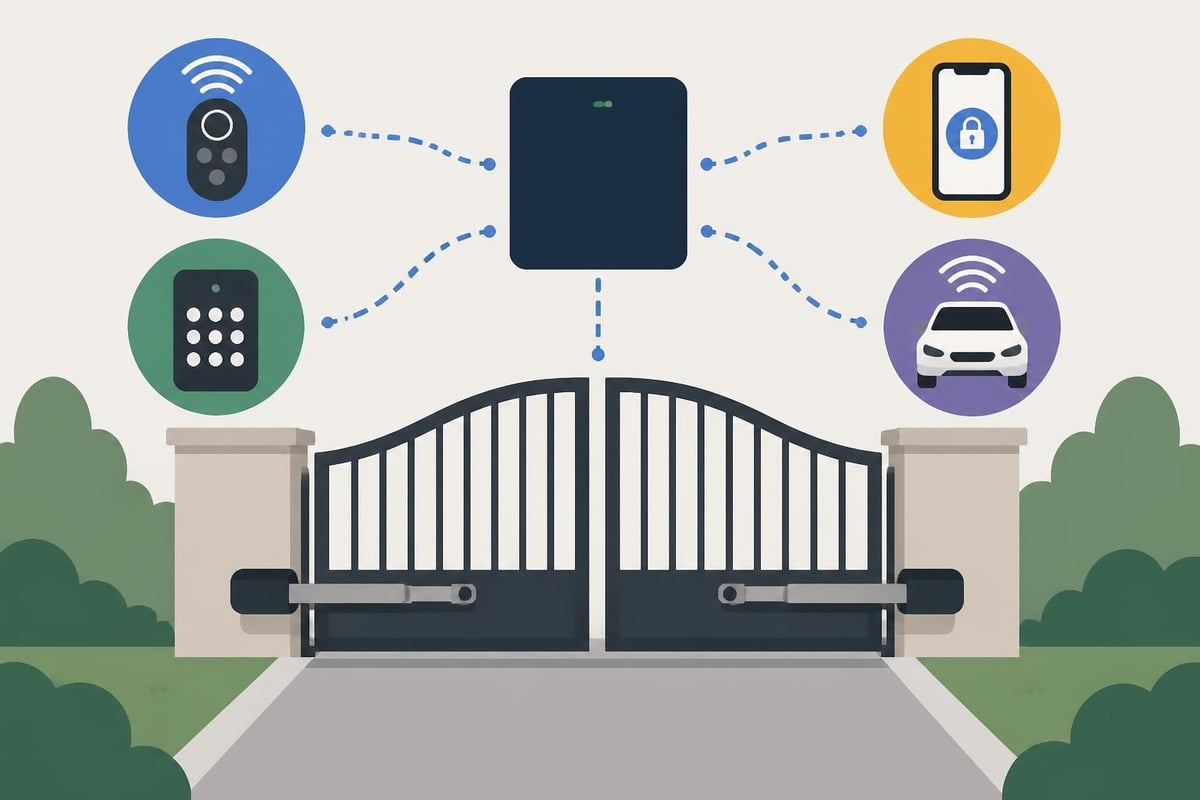
Smart Home and Building Automation Integration
The integration of electric swing gate openers with comprehensive smart home and building automation platforms represents the cutting edge of access control technology. Systems communicating via Z-Wave, Zigbee, or Wi-Fi protocols can coordinate with security cameras, alarm systems, lighting controls, and environmental sensors to create sophisticated automation routines.
Practical applications include automatically opening gates when authorized vehicles approach, triggering exterior lighting when gates activate after dark, sending smartphone notifications when gates operate during specified times, and coordinating gate operation with security system arming status. These integrations enhance both security and convenience while providing valuable operational data.
Troubleshooting Common Operational Issues
Understanding common electric swing gate opener problems helps property owners recognize when professional service is needed versus issues they can resolve independently. Many apparent failures stem from simple causes requiring minimal intervention, while others indicate serious mechanical or electrical problems requiring professional expertise.
Intermittent operation often points to loose electrical connections or degraded battery backup systems. Seasonal temperature changes cause expansion and contraction that can loosen terminal connections over time. Tightening connections and ensuring proper wire termination resolves many intermittent issues. Battery backup systems typically require replacement every 3-5 years as their capacity gradually diminishes.
Diagnostic Procedures for Common Symptoms
When gates fail to open or close completely, limit switch adjustment or reprogramming typically resolves the issue. Control boards use limit switches or encoder signals to determine when gates reach fully open or closed positions. These settings can drift due to vibration, temperature changes, or mechanical wear. Most control boards provide adjustment procedures accessible to property owners through their user manuals.
Strange noises during operation signal mechanical problems requiring attention. Grinding sounds indicate worn gears or insufficient lubrication. Squeaking or creaking points to dry hinges or pivot points. Clicking noises often relate to relay problems in control boards. Regular lubrication prevents many noise-related issues, while persistent sounds after proper maintenance suggest component replacement needs.
If your gate opener exhibits symptoms similar to common garage door operational issues, many diagnostic approaches apply equally to both systems. The mechanical and electrical principles remain consistent across automated door and gate applications.
Energy Efficiency and Backup Power Solutions
Modern electric swing gate openers consume surprisingly little energy during normal operation. Standby power draw typically ranges from 5-15 watts, while active operation briefly spikes to 100-300 watts depending on gate weight and operator size. Annual energy consumption for typical residential installations rarely exceeds 50-75 kilowatt-hours, translating to minimal utility costs.
Solar power integration offers energy independence while reducing operational costs to essentially zero. Properly sized solar panel and battery backup combinations provide reliable operation even during extended grid outages. System sizing requires careful calculation based on daily cycle counts, gate operator power consumption, and local solar insolation values.
Solar system sizing considerations:
- Calculate daily watt-hours (cycles × watts × duration)
- Add 30% for control board and accessory consumption
- Account for 3-5 days of battery reserve
- Size solar panel at 1.5× daily consumption for charging and reserve
- Select battery capacity at 4-6× daily consumption
Battery backup technology has evolved significantly, with lithium-ion options now competing with traditional lead-acid batteries. Lithium systems cost more initially but offer longer service life, faster charging, greater depth of discharge capability, and better temperature performance. For critical access applications where gate failure causes significant inconvenience, lithium backup systems provide superior reliability.
Cost Analysis and Return on Investment
The total investment in an electric swing gate opener installation varies widely based on system complexity, gate configuration, and site conditions. Basic residential installations for lightweight single gates typically range from $1,500-$3,000 including materials and professional installation. Heavy dual gate systems with advanced access control and underground operators can exceed $8,000-$12,000.
| System Component | Budget Range | Mid-Range | Premium |
|---|---|---|---|
| Operator and controller | $400-$800 | $800-$1,500 | $1,500-$3,000 |
| Installation labor | $500-$1,000 | $1,000-$2,000 | $2,000-$4,000 |
| Access control devices | $100-$300 | $300-$800 | $800-$2,000 |
| Safety sensors | $150-$300 | $300-$500 | $500-$1,000 |
| Electrical work | $200-$500 | $500-$1,200 | $1,200-$2,500 |
Return on investment extends beyond simple financial calculations. Property value increases typically exceed installation costs, with automated gate systems adding $3,000-$8,000 to appraised values in desirable markets. Security improvements reduce insurance premiums in some cases while preventing costly property crimes. Convenience factors and lifestyle improvements provide intangible returns that many property owners value above monetary considerations.
Maintenance costs remain modest for quality systems properly installed and regularly serviced. Annual professional maintenance typically costs $150-$300, while basic supplies like lubricants and occasional sensor replacements add $50-$100 annually. Component replacement becomes necessary every 10-15 years for operators, with control boards and safety devices lasting 7-12 years under normal conditions.
Selecting the Right Electric Swing Gate Opener
Matching operator specifications to application requirements ensures optimal performance and longevity. Undersized operators struggle with heavy gates, experiencing shortened service life and frequent failures. Oversized systems waste money on unnecessary capacity while potentially operating too forcefully for safe residential applications.
Professional assessment begins with accurate gate weight measurement. This critical specification determines required operator torque and power capacity. Gate width affects opening speed and determines whether single or dual operator installations provide better performance. Material composition impacts weight distribution and wind load factors that influence operator sizing.
Selection criteria checklist:
- Gate weight (per leaf for dual configurations)
- Gate width and height dimensions
- Expected daily cycle count
- Environmental exposure (coastal, desert, urban)
- Security level requirements
- Access control technology preferences
- Aesthetic priorities (visible versus concealed)
- Budget constraints (initial and lifecycle)
- Local building code requirements
Consultation with experienced professionals who understand commercial electric gate applications provides valuable insights beyond manufacturer specifications. Real-world installation experience reveals which systems perform reliably under specific conditions and which models present recurring service issues.
Advanced Features and Future Technology Trends
The evolution of electric swing gate opener technology continues accelerating as manufacturers incorporate artificial intelligence, advanced sensors, and internet connectivity into next-generation systems. Machine learning algorithms now analyze usage patterns to optimize opening speeds, predict maintenance needs, and detect abnormal operating conditions that might indicate developing problems.
Predictive maintenance represents one of the most valuable emerging capabilities. Modern operators monitor motor current signatures, cycle counts, temperature variations, and operational timing to build baseline performance profiles. Deviations from established patterns trigger maintenance alerts before complete failures occur, preventing inconvenient breakdowns while optimizing service scheduling.
Enhanced security features leverage facial recognition technology, behavioral analytics, and multi-factor authentication to prevent unauthorized access. Integration with comprehensive property security systems enables coordinated responses to potential threats, automatically closing gates, activating cameras, and alerting monitoring services when suspicious activity is detected.
Voice control integration through Amazon Alexa, Google Assistant, and Apple HomeKit platforms provides hands-free operation convenience. Natural language commands replace traditional remote controls, while routine automation based on time, location, or other triggers eliminates the need for manual intervention during regular daily activities.
Environmental sensors increasingly influence gate operation decisions. Wind speed monitoring prevents operation during high winds that could damage gates or operators. Rain sensors coordinate with drainage systems and modify closing forces to account for wet conditions. Temperature sensors adjust motor timing to compensate for lubricant viscosity changes across seasonal extremes.
For property owners interested in the latest gate access control technologies, staying informed about emerging capabilities helps plan future upgrades and ensures compatibility with developing smart home ecosystems.
Installation Best Practices and Professional Standards
The UK Health & Safety Executive provides comprehensive guidance on powered gate safety that informs best practices worldwide. Risk assessment forms the foundation of proper installation planning, systematically identifying potential hazards and implementing appropriate safeguards. Professional installers conduct thorough site evaluations before proposing specific equipment and configurations.
Proper wire sizing prevents voltage drop that reduces operator performance and shortens component life. Control circuits typically require 18-22 gauge wire, while motor circuits demand 14-16 gauge conductors for residential applications and heavier gauge for commercial installations. Conduit protection shields wiring from physical damage, moisture intrusion, and ultraviolet degradation that eventually causes insulation failure.
Foundation preparation deserves particular attention for underground operator installations. Inadequate drainage causes water accumulation that corrodes components and freezes in cold climates, damaging seals and mechanical assemblies. Proper excavation includes gravel bases, drainage provisions, and protective housings that shed water away from critical components.
Following detailed guidance such as the Tousek Swing-265 technical manual ensures proper mechanical alignment, electrical connections, and initial programming. Manufacturer specifications provide torque values for mounting hardware, clearance requirements for moving components, and adjustment procedures for optimal performance. Deviating from these instructions often results in premature failures and safety concerns.
Documentation of installation details, programming settings, and safety device locations provides valuable reference for future service and troubleshooting. Professional installers provide comprehensive documentation packages including wiring diagrams, control board settings, access code lists, and maintenance schedules that support long-term system management.
Investing in a quality electric swing gate opener transforms property access while enhancing security and value. Understanding the technology, safety requirements, maintenance needs, and integration possibilities empowers property owners to make informed decisions that serve their needs for decades. When you're ready to automate your gate or need expert service for an existing system, the professionals at Gates & Garage Door Express Inc. bring family-owned dedication to quality and same-day emergency service throughout Los Angeles, ensuring your automated gate operates safely and reliably for years to come.