
Property owners across residential and commercial settings increasingly rely on automated gate systems for security, convenience, and property value enhancement. Among the various manufacturers serving this market, Mighty Mule has established itself as a recognizable name in electric gate automation. Understanding the capabilities, installation requirements, and maintenance considerations of a mighty mule electric gate opener helps property owners make informed decisions about their access control investments and ensures long-term reliable operation.
Understanding Mighty Mule Electric Gate Opener Systems
The mighty mule electric gate opener represents an accessible entry point into gate automation for many property owners. These systems typically feature solar-powered or AC-powered operation, designed primarily for residential and light commercial applications with moderate daily cycle requirements.
Core Components and Functionality
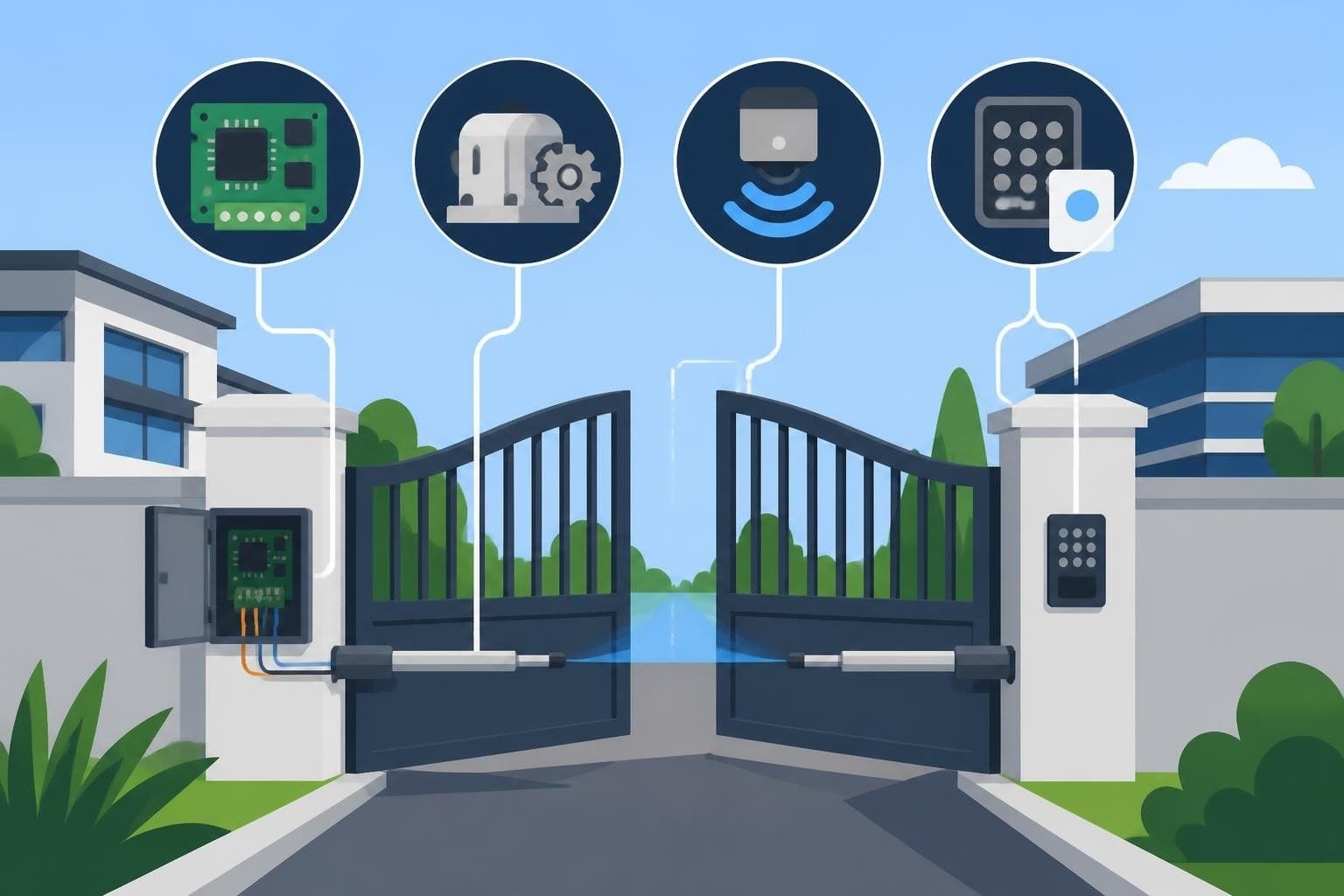
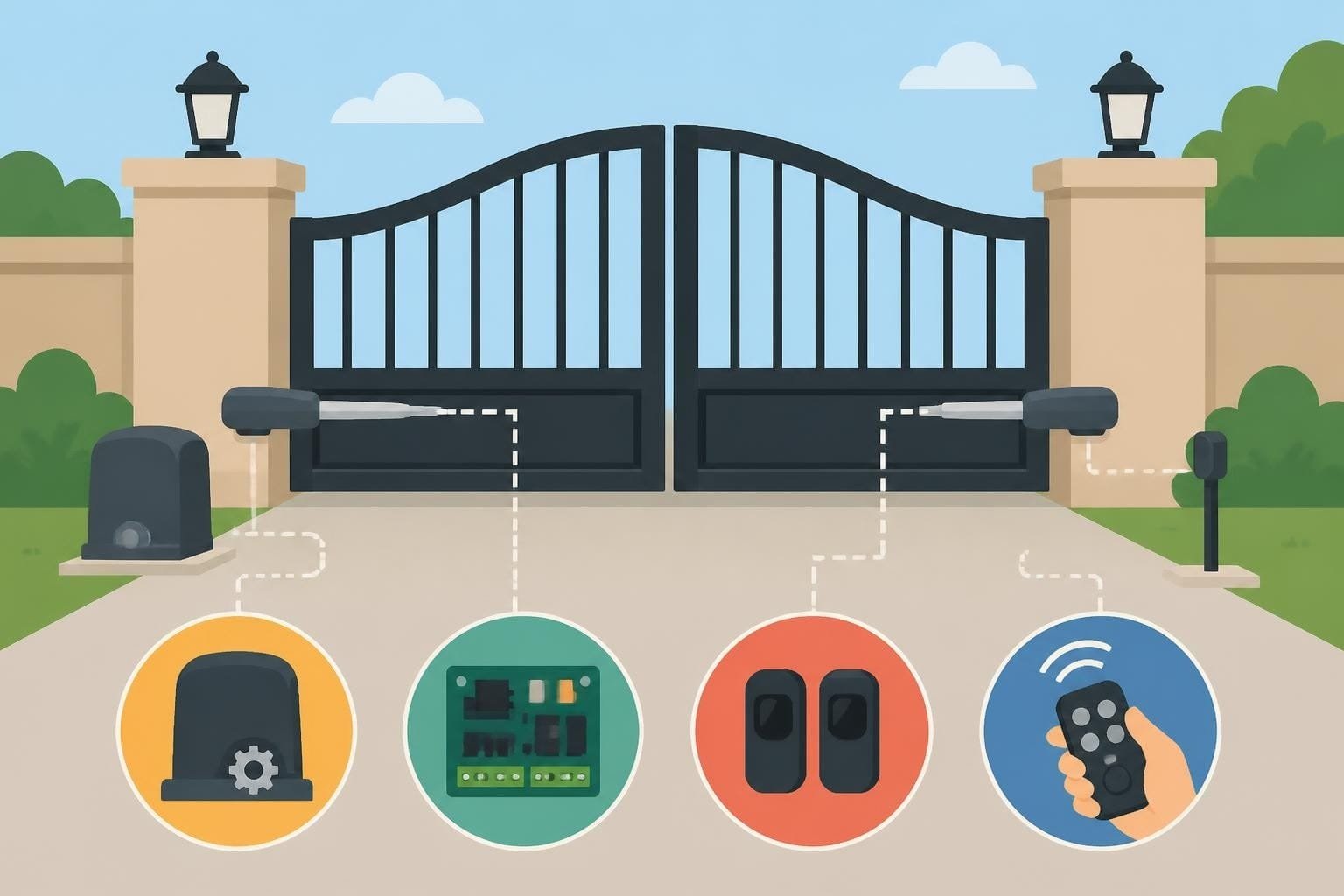
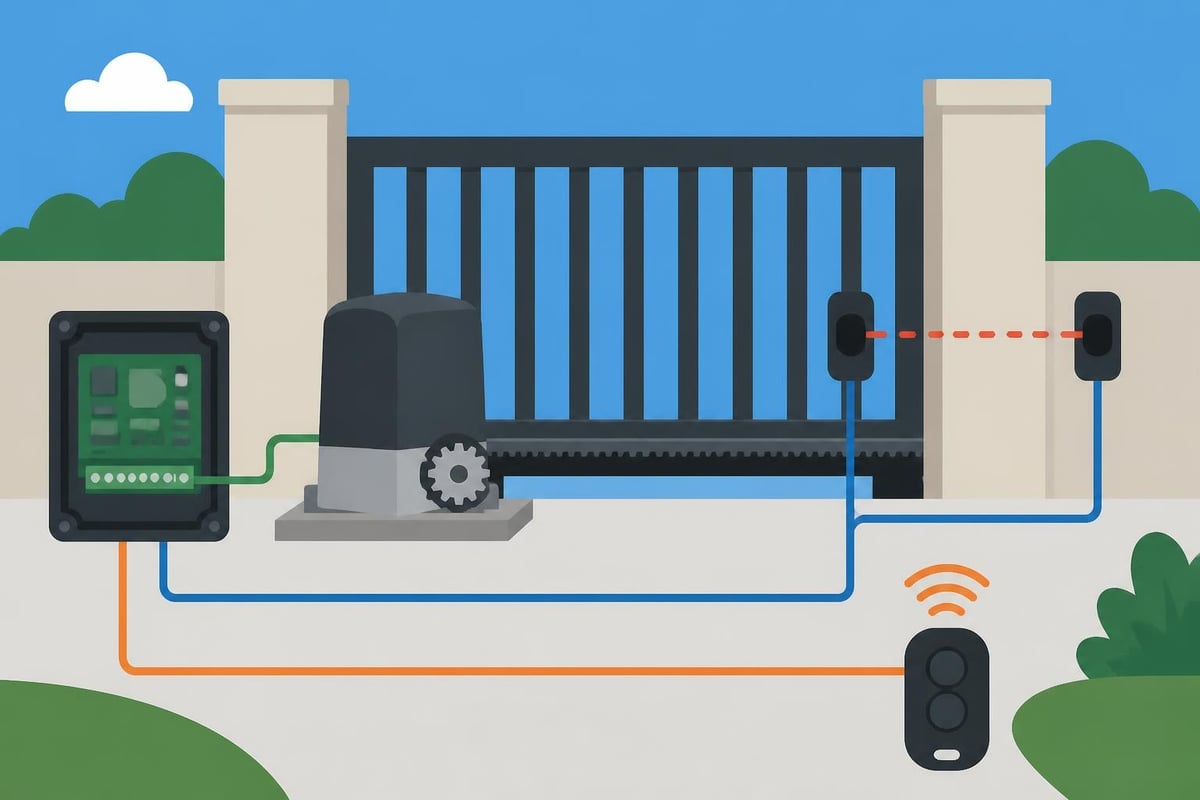
A complete gate opener system consists of several integrated components working together. The motor assembly provides the mechanical force to move the gate, while the control board manages power distribution, safety features, and user inputs. Remote receivers process signals from handheld transmitters, and safety devices such as photocells and pressure sensors protect against entrapment hazards.
Key system elements include:
- Motor unit with gear reduction mechanism
- Digital control board with programmable settings
- Wireless receiver module for remote access
- Battery backup for power outage operation
- Safety sensor inputs and monitoring circuits
- Manual release mechanism for emergency access
The integration of these components determines overall system reliability and user experience. Proper installation and configuration directly impact performance longevity and safety compliance.
Power Options and Energy Considerations
Mighty Mule offers both AC-powered and solar-powered configurations. AC models connect to standard household electrical circuits, providing consistent power for gates with higher cycle frequencies. Solar models incorporate photovoltaic panels and rechargeable battery banks, eliminating trenching requirements for remote gate locations.
Solar systems require adequate sun exposure throughout the year. Properties with significant tree coverage or northern climate conditions may experience charging limitations during winter months. Battery capacity determines how many gate cycles the system can complete between full charges.
| Power Type | Best Application | Installation Requirement | Annual Operating Cost |
|---|---|---|---|
| AC-Powered | High-traffic residential, commercial | Electrical trenching, 120V circuit | $15-25 (electricity) |
| Solar-Powered | Remote locations, moderate traffic | Unobstructed sun exposure | Minimal (battery replacement every 3-5 years) |
| Dual Power | Mission-critical access points | Both electrical and solar infrastructure | $20-30 plus battery maintenance |
Installation Requirements and Best Practices
Professional installation ensures compliance with safety standards and maximizes system longevity. While manufacturer documentation provides installation guidance for experienced users, most property owners benefit from professional assessment and installation services.
Site Assessment and Preparation
Before installation begins, evaluate gate weight, dimensions, and mounting locations. Mighty mule systems specify maximum gate weight and length ratings. Exceeding these specifications leads to premature motor failure, inconsistent operation, and potential safety hazards.
Gate construction must meet ASTM F2200 standards for automated vehicular gates, ensuring structural integrity under automated operation. Posts require adequate foundation depth and concrete reinforcement to withstand years of repeated motor cycling forces.
Installation preparation checklist:
- Verify gate weight does not exceed manufacturer specifications
- Confirm post foundation meets depth and concrete requirements
- Measure available mounting space for motor assembly
- Plan conduit routes for electrical connections
- Identify optimal safety sensor placement locations
- Determine control panel mounting location protected from weather
- Test gate swing arc for obstructions or interference points
Property owners in Los Angeles often work with professional services for electric gate repair in Los Angeles to ensure installations meet local building codes and safety requirements.
Safety Compliance and UL 325 Standards
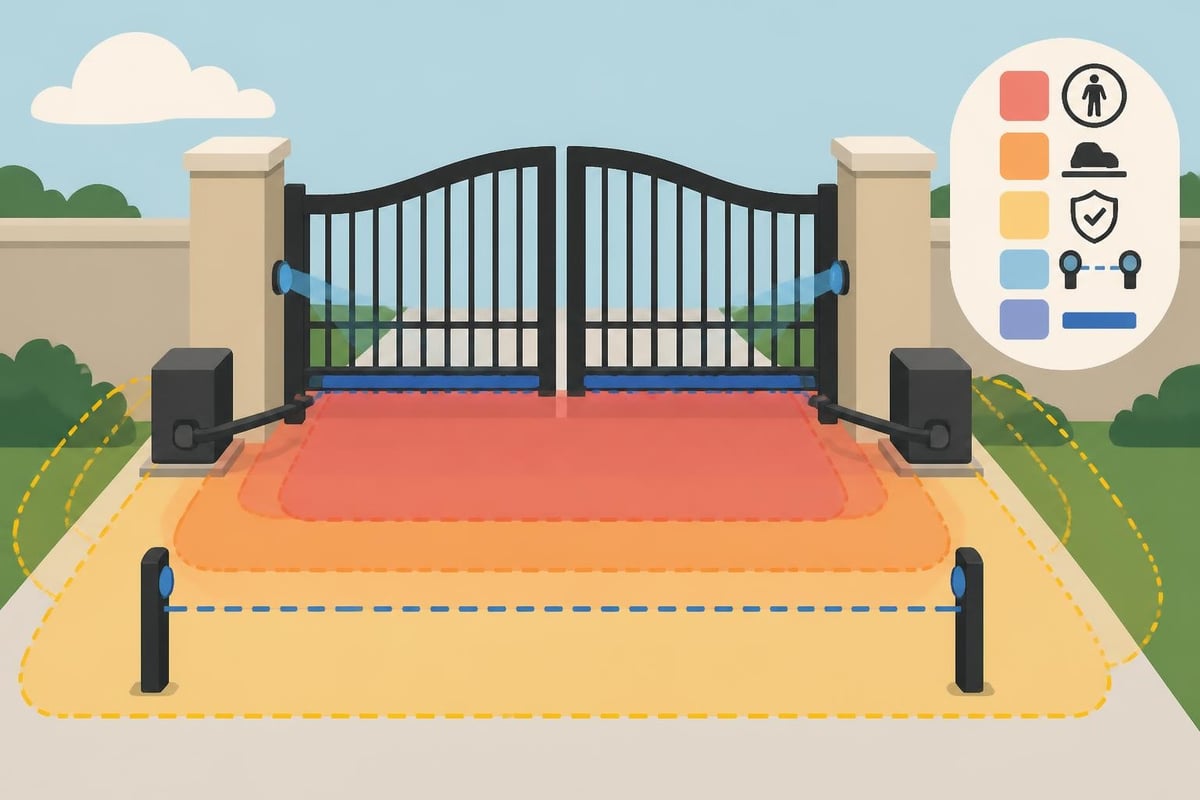
All gate operator installations in the United States must comply with UL 325 safety standards, which govern vehicular gate operators and establish mandatory entrapment-protection requirements. These standards exist to prevent injuries and fatalities from automated gate systems.
UL 325 categorizes gate operators by application type, with each category requiring specific safety features. Residential installations typically fall under Class I, II, or III classifications depending on access control and monitoring capabilities. Understanding UL 325 compliance helps ensure installations meet both regulatory requirements and insurance considerations.
Mandatory safety features include:
- Photocell beam sensors across the gate path
- Edge contact sensors on leading gate edges
- Monitored entrapment-protection devices with self-diagnostic capabilities
- Visible warning placards indicating automated gate operation
- Emergency release mechanisms accessible from both sides
Gate Safe provides comprehensive guidance for homeowners on implementing these safety measures effectively. Regular testing of safety devices prevents system degradation over time.
Operation Modes and User Features
Modern mighty mule electric gate opener systems offer multiple operation modes to accommodate different user preferences and security requirements. Understanding these features helps property owners configure systems for optimal convenience and protection.
Remote Access and Control Methods
Wireless remote controls provide the most common access method. Systems typically include multiple remotes and support programming additional transmitters. Remote frequency compatibility varies by model year and control board generation.
Keypad entry systems offer code-based access for authorized users without remotes. Some models integrate smartphone connectivity through wireless bridge accessories, enabling gate control through mobile applications. These features particularly benefit properties with multiple authorized users or changing access requirements.
Advanced control options:
- Timed automatic closure after opening cycle
- Vacation mode to disable all access during extended absences
- Partial opening cycles for pedestrian access
- Sequential dual-gate coordination for two-gate installations
- Integration with home automation platforms
- Vehicle sensor loops for automatic opening approaches
Adjustable Settings for Performance Optimization
Control boards include adjustable parameters affecting gate movement speed, force sensitivity, and timing sequences. Opening speed settings balance convenience against safety considerations. Higher speeds reduce wait times but increase kinetic energy during entrapment scenarios.
Force sensitivity adjustments determine how much resistance triggers automatic reversal. Settings too sensitive cause false reversals from wind or minor obstructions. Settings too firm create entrapment hazards by not detecting genuine obstructions quickly enough.
| Setting Parameter | Low Setting Impact | High Setting Impact | Recommended Starting Point |
|---|---|---|---|
| Opening Speed | Slow, cautious operation | Fast, aggressive movement | 60-70% of maximum |
| Closing Speed | Maximum safety margins | Faster cycle completion | 50-60% of maximum |
| Force Sensitivity | False reversals common | Delayed obstruction response | Manufacturer baseline |
| Auto-Close Timer | Extended open periods | Rapid automatic closure | 30-60 seconds |
Many property owners working with electric gate repair services discover that professional calibration of these parameters significantly improves daily operation satisfaction.
Maintenance Requirements and Longevity
Preventive maintenance extends system life expectancy and reduces emergency repair frequency. A mighty mule electric gate opener operating in typical residential conditions requires regular attention to mechanical and electrical components.
Routine Inspection Schedule
Monthly visual inspections identify developing issues before complete failures occur. Check for unusual sounds during operation, inconsistent movement speeds, or delayed response to commands. These symptoms often indicate worn components requiring attention.
Monthly maintenance tasks:
- Test safety sensor alignment and clean photocell lenses
- Verify battery backup operates correctly during AC power interruption
- Listen for unusual motor noises or gear grinding sounds
- Observe gate movement for binding or irregular motion
- Check all electrical connections for corrosion or looseness
- Test manual release mechanism for proper function
- Inspect mounting hardware for loosened bolts or brackets
Quarterly maintenance includes lubrication of moving parts. Apply lithium-based grease to gear assemblies and pivot points. Avoid petroleum-based lubricants that attract dust and degrade in temperature extremes. Chain-driven systems require specific chain lubricants designed for outdoor equipment.
Common Issues and Troubleshooting
Understanding typical failure modes helps property owners determine when professional service becomes necessary. The official Mighty Mule manuals provide model-specific troubleshooting guidance and technical specifications for diagnosis.
Remote control failures represent the most frequent service calls. Before assuming opener malfunction, replace remote batteries and verify the transmitter LED illuminates during button presses. Multiple remotes failing simultaneously typically indicate receiver or control board issues rather than individual transmitter problems.
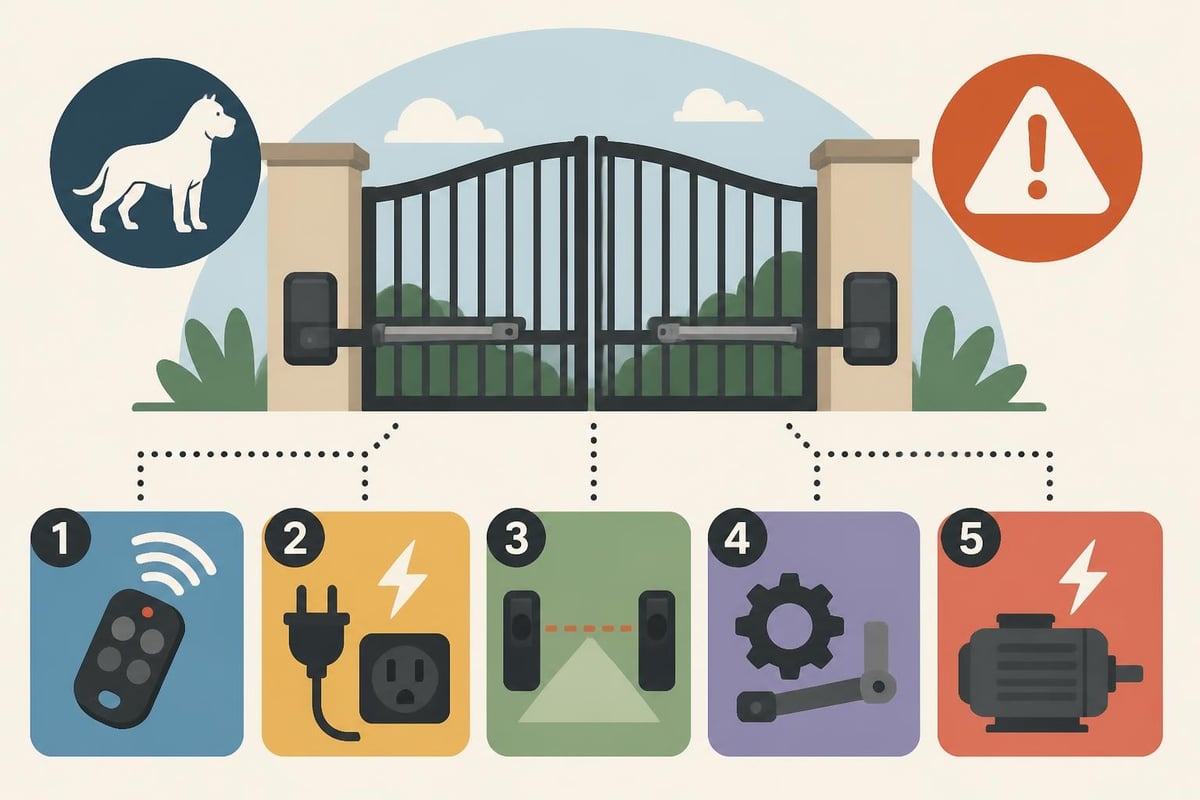
Intermittent operation often traces to loose electrical connections or corroded terminals. Gate systems operate outdoors in harsh environments where moisture and temperature cycling degrade connections over years. Annual inspection of all terminal blocks prevents many intermittent issues.
Troubleshooting quick reference:
- Gate unresponsive to all commands – Check AC power, battery charge, main fuse
- Remote doesn't activate gate – Replace battery, reprogram remote, check receiver antenna
- Gate reverses during closing – Test photocells, adjust force settings, inspect for obstructions
- Slow or labored movement – Lubricate mechanical components, check for gate binding
- Partial gate travel – Adjust limit switches, verify obstruction detection settings
- No solar charging – Clean panel surface, check battery connections, test panel voltage output
Property owners experiencing persistent issues benefit from professional diagnostics. Los Angeles residents can access emergency gate repair services for urgent access problems requiring immediate attention.
Weather Resilience and Environmental Factors
Southern California weather patterns differ significantly from regions experiencing harsh winters or extreme humidity. However, even moderate climates present challenges for gate automation systems operating continuously outdoors.
UV Exposure and Component Protection
Prolonged sun exposure degrades plastic housings, wire insulation, and electronic components. UV radiation breaks down polymer structures, causing brittleness and eventual mechanical failure. Quality installations use UV-rated materials and protective enclosures.
Control boxes require weather-resistant enclosures with proper gasket seals. Water intrusion into electronic compartments causes immediate failures and long-term corrosion damage. Position control boxes under eaves or install dedicated weather shields when exposed mounting is unavoidable.
Dust and Debris Management
Properties in areas with significant dust accumulation or airborne debris require more frequent maintenance intervals. Fine dust particles infiltrate mechanical assemblies, accelerating wear on gears and bearings. Photocell lenses obscured by dust cause false obstruction detections and system malfunctions.
Environmental protection strategies:
- Install dust boots on exposed mechanical linkages
- Schedule cleaning intervals based on local environmental conditions
- Apply protective sprays to electrical terminals in coastal areas
- Position solar panels where debris accumulation is minimized
- Use drip loops on all downward-facing cable entries
Upgrade Paths and System Integration
As technology advances, property owners often consider upgrading existing gate automation systems with enhanced features or replacing aging equipment entirely. Understanding compatibility and integration options prevents costly mistakes during upgrade projects.
Adding Smart Home Integration
Third-party bridge devices enable integration between traditional mighty mule electric gate opener systems and modern smart home platforms. These adapters connect to existing control boards and translate wireless protocols for compatibility with home automation systems.
Integration enables voice control, geofencing-based automatic operation, and remote monitoring from anywhere with internet connectivity. Security-conscious property owners appreciate remote monitoring capabilities confirming gate closure after departure.
Smart integration benefits:
- Voice commands through popular smart home assistants
- Smartphone notifications for gate activity events
- Remote operation from any internet-connected location
- Integration with security camera systems for visual confirmation
- Automated schedules for recurring access patterns
Evaluating Replacement Versus Repair
Gate opener systems typically provide 10-15 years of service with proper maintenance. Beyond this timeframe, replacement often proves more economical than extensive repairs to aging components. Modern systems incorporate improved safety features, energy efficiency, and connectivity options not available in older generations.
Consider replacement when repair costs approach 50% of new system pricing or when critical components like control boards or motors reach end-of-life. Guidance from industry experts helps property owners make informed decisions balancing repair economics against upgrade benefits.
Professional assessment identifies whether current gate construction remains compatible with modern opener systems. Some older gate installations require modifications to accommodate contemporary equipment specifications and safety requirements. Regular gate maintenance helps extend system lifespan and delay replacement timing.
Commercial Applications and Traffic Considerations
While mighty mule systems primarily target residential markets, light commercial properties with moderate traffic volumes successfully deploy these openers. Understanding operational limitations prevents premature failure in commercial settings.
Duty Cycle and Traffic Volume Limits
Duty cycle specifications define maximum daily operations without accelerating component wear. Residential-grade systems typically support 20-30 daily cycles under normal conditions. Properties exceeding these usage patterns require commercial-grade operators designed for higher cycle frequencies.
Monitoring actual gate cycles helps property managers determine whether current systems operate within design specifications. Simple mechanical counters or control board data logging track cumulative operations for maintenance planning.
| Property Type | Typical Daily Cycles | Suitable Opener Class | Expected Lifespan |
|---|---|---|---|
| Single-family residential | 6-12 cycles | Residential duty | 12-15 years |
| Small multi-family (2-4 units) | 15-25 cycles | Heavy residential duty | 10-12 years |
| Light commercial (small business) | 30-50 cycles | Light commercial duty | 8-10 years |
| Medium commercial | 50-100 cycles | Commercial duty | 5-8 years |
Multi-User Access Management
Commercial properties require sophisticated access control beyond simple remote transmitters. Keypad systems with programmable user codes provide audit trails and enable temporary access grants. Time-based access restrictions automatically enable or disable codes during specific hours or days.
Properties managing multiple tenants or changing user populations benefit from systems supporting large code databases with individual scheduling capabilities. Integration with property management software automates access provisioning and revocation synchronized with lease agreements.
Safety Culture and Ongoing Education
Automated gates present genuine safety risks when improperly installed, maintained, or operated. Property owners bear responsibility for ensuring safe system operation and educating all users about potential hazards.
Training Family Members and Authorized Users
All household members require instruction on proper gate operation, emergency release procedures, and recognizing malfunction symptoms. Children particularly need education about staying clear of moving gates and never treating gate operation as entertainment.
Document emergency release procedures and post instructions near gate access points. During power failures or system malfunctions, manual release mechanisms provide emergency access. Users unfamiliar with these procedures may become trapped during emergencies.
Essential safety education topics:
- Never drive through closing gates attempting to beat closure
- Maintain visual contact during entire gate operation cycle
- Report unusual sounds, movements, or response delays immediately
- Test safety sensors monthly by interrupting closing gates
- Know manual release location and operation procedure
- Understand that photocells must never be defeated or bypassed
- Recognize that regular maintenance prevents most emergency situations
Industry resources like technical bulletins on entrapment protection provide detailed explanations of safety device monitoring requirements and proper implementation methods.
Regulatory Awareness and Compliance
Building codes and insurance requirements evolve over time. Systems installed years ago under previous standards may require retrofits to meet current safety regulations. Property transfers often trigger compliance inspections revealing deficiencies requiring correction before sale completion.
Homeowners associations and local jurisdictions increasingly enforce automated gate safety standards. Properties with non-compliant installations face citations, liability exposure, and potential insurance coverage denials following accidents. Proactive compliance review prevents these complications.
Understanding federal safety initiatives demonstrates the regulatory environment surrounding gate and door automation. While specific regulations target garage doors, similar safety principles apply across automated access systems.
Selecting and maintaining a mighty mule electric gate opener requires understanding technical specifications, safety requirements, and proper maintenance protocols. Property owners who invest in professional installation, commit to regular maintenance schedules, and prioritize safety compliance enjoy years of reliable automated access. Whether installing a new system or maintaining existing equipment, working with experienced professionals ensures optimal performance and regulatory compliance. For Los Angeles property owners seeking expert installation, repair, or maintenance services for automated gate systems, Gates & Garage Door Express Inc. provides family-owned expertise backed by same-day emergency response and commitment to customer satisfaction.