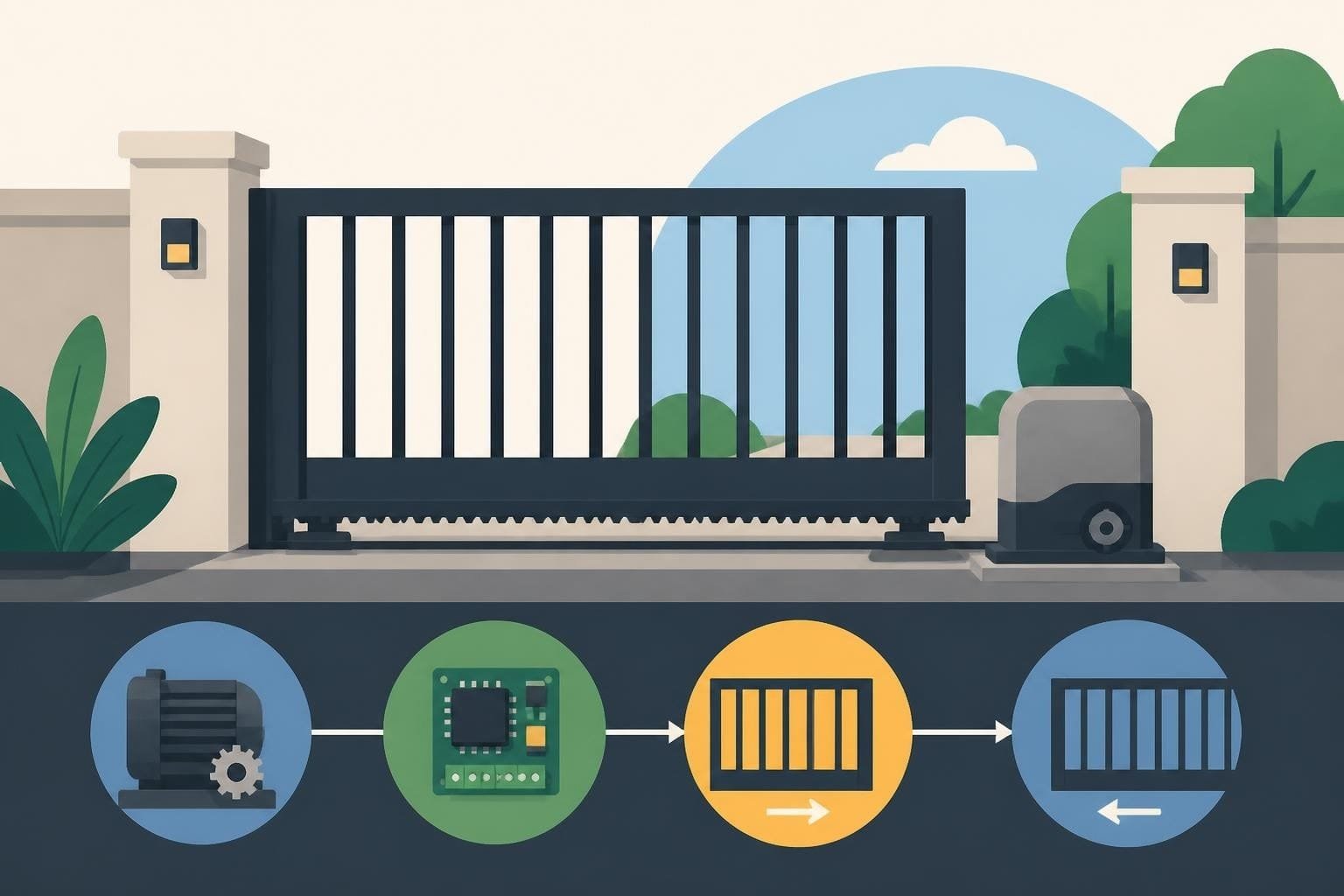
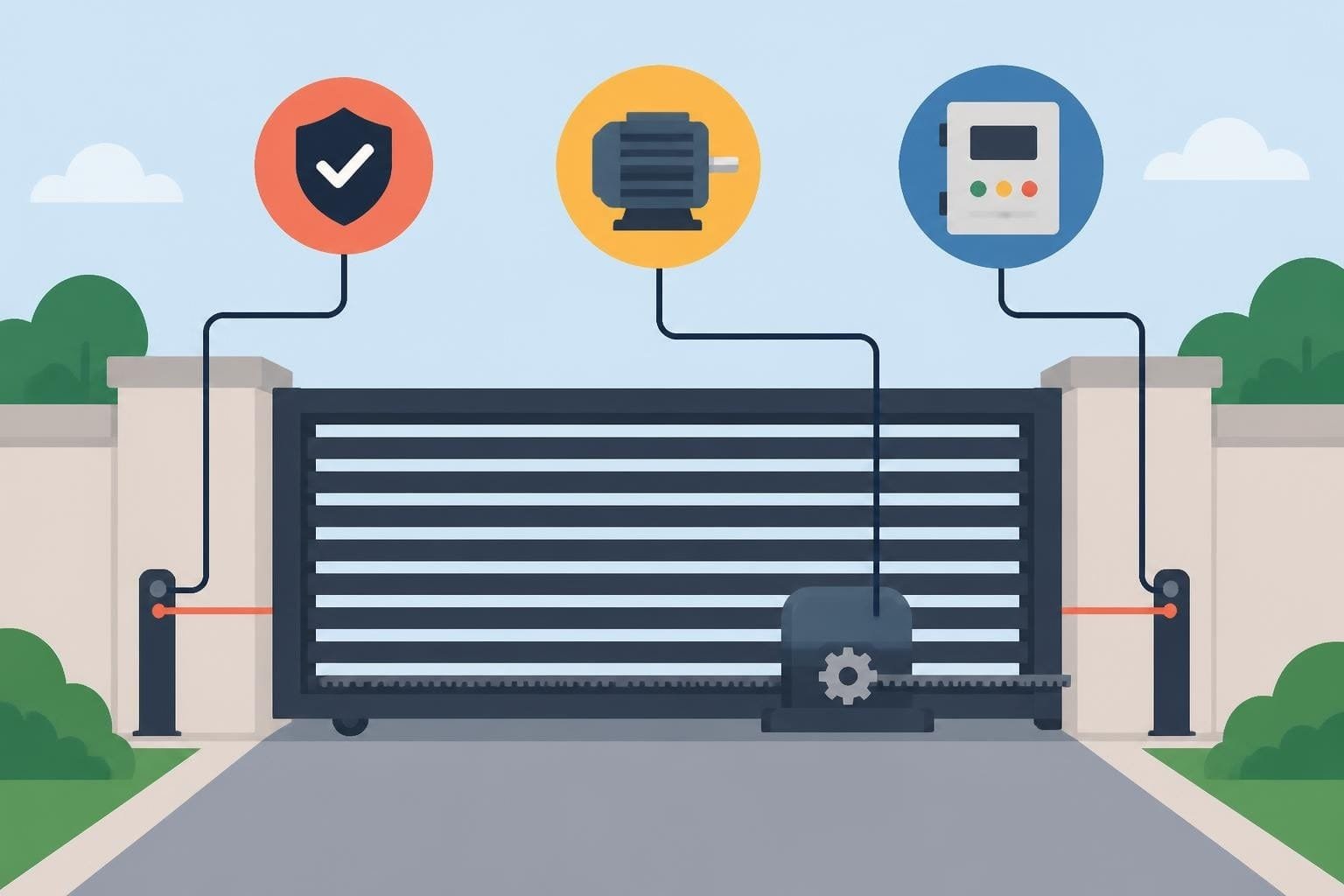

Property security and access control have evolved significantly over the past decade, with automatic rolling gates emerging as one of the most popular solutions for both residential and commercial applications. These space-efficient systems combine convenience, security, and modern aesthetics, making them an ideal choice for properties with limited driveway space or those seeking a contemporary look. Whether you're considering installing a new automatic rolling gate or maintaining an existing system, understanding the technology, safety requirements, and best practices is essential for maximizing your investment.
Understanding Automatic Rolling Gate Technology
An automatic rolling gate operates on a vertical movement principle, rolling up and down along tracks mounted on either side of the opening. Unlike swing gates that require clearance space, these systems coil into a compact housing above the entrance, making them perfect for properties with space constraints.
Core Components and Mechanisms
The fundamental architecture of an automatic rolling gate includes several integrated components working in harmony. The motor assembly serves as the powerhouse, typically mounted above the opening or to the side, driving a system of drums and cables that lift and lower the gate panels.
Modern gate operators incorporate sophisticated electronics that manage speed, force, and obstruction detection. These systems include:
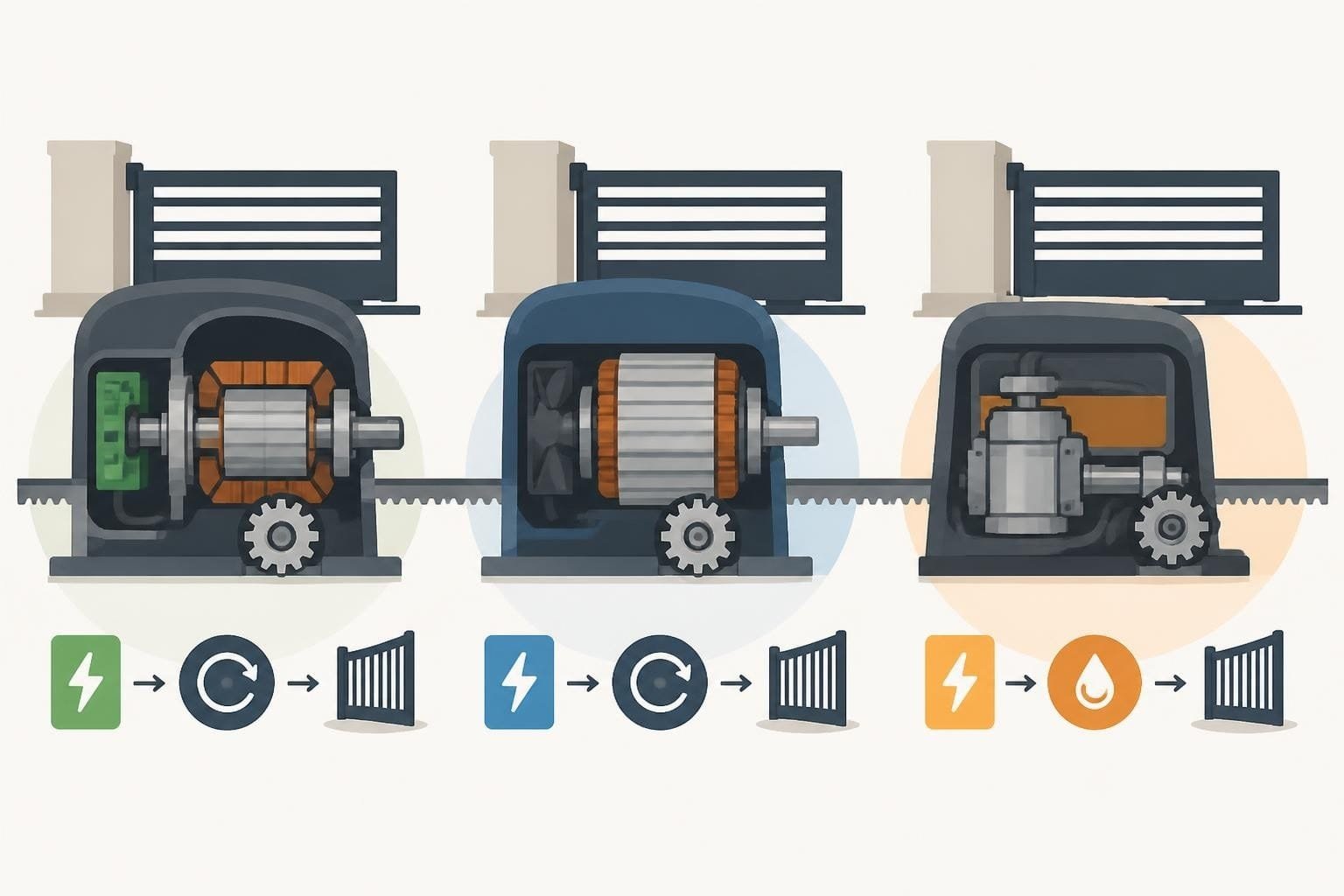
- Tubular motors for compact installations
- Chain-drive mechanisms for heavy-duty commercial applications
- Direct-drive systems offering quieter operation
- Hydraulic operators for extreme weather conditions
- Battery backup systems ensuring functionality during power outages
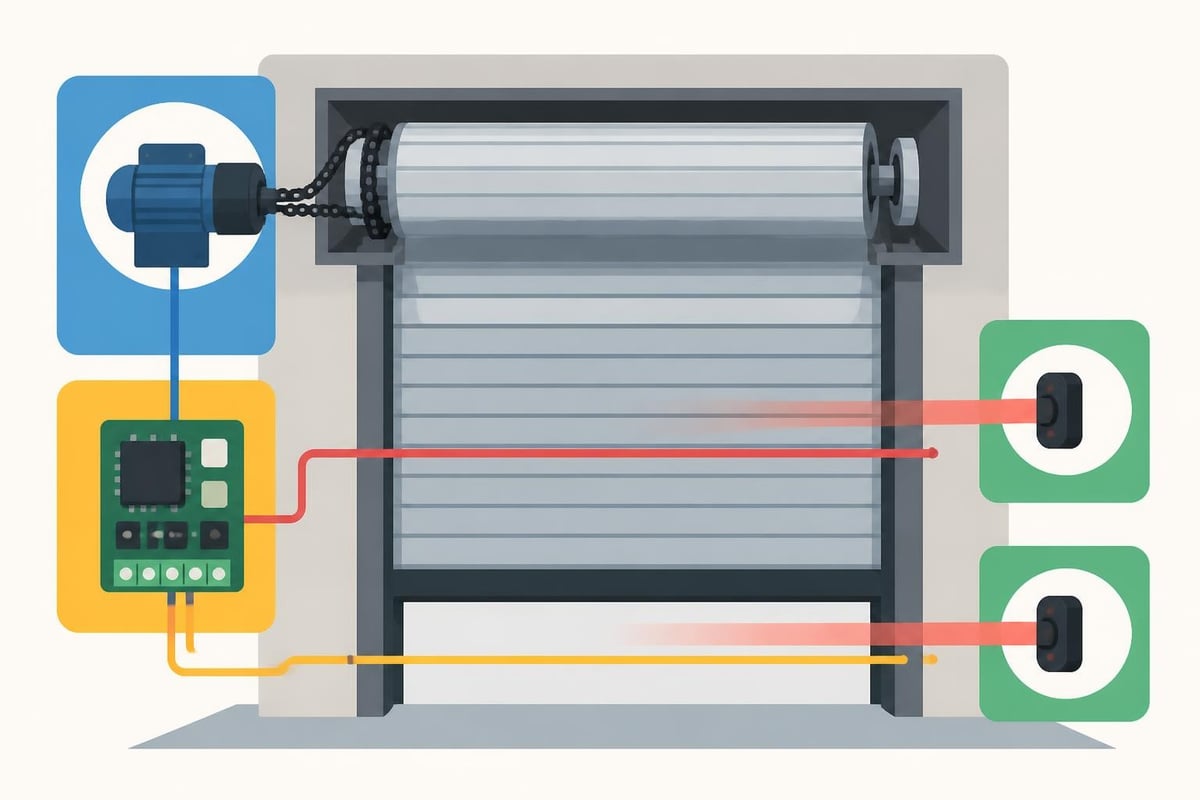
The gate panels themselves consist of interlocking slats, traditionally aluminum or steel, though modern options include polycarbonate, wood composite, and even glass-insert designs. Each slat connects through a hinge mechanism that allows the gate to flex as it rolls around the drum while maintaining structural integrity when fully deployed.
Control and Access Systems
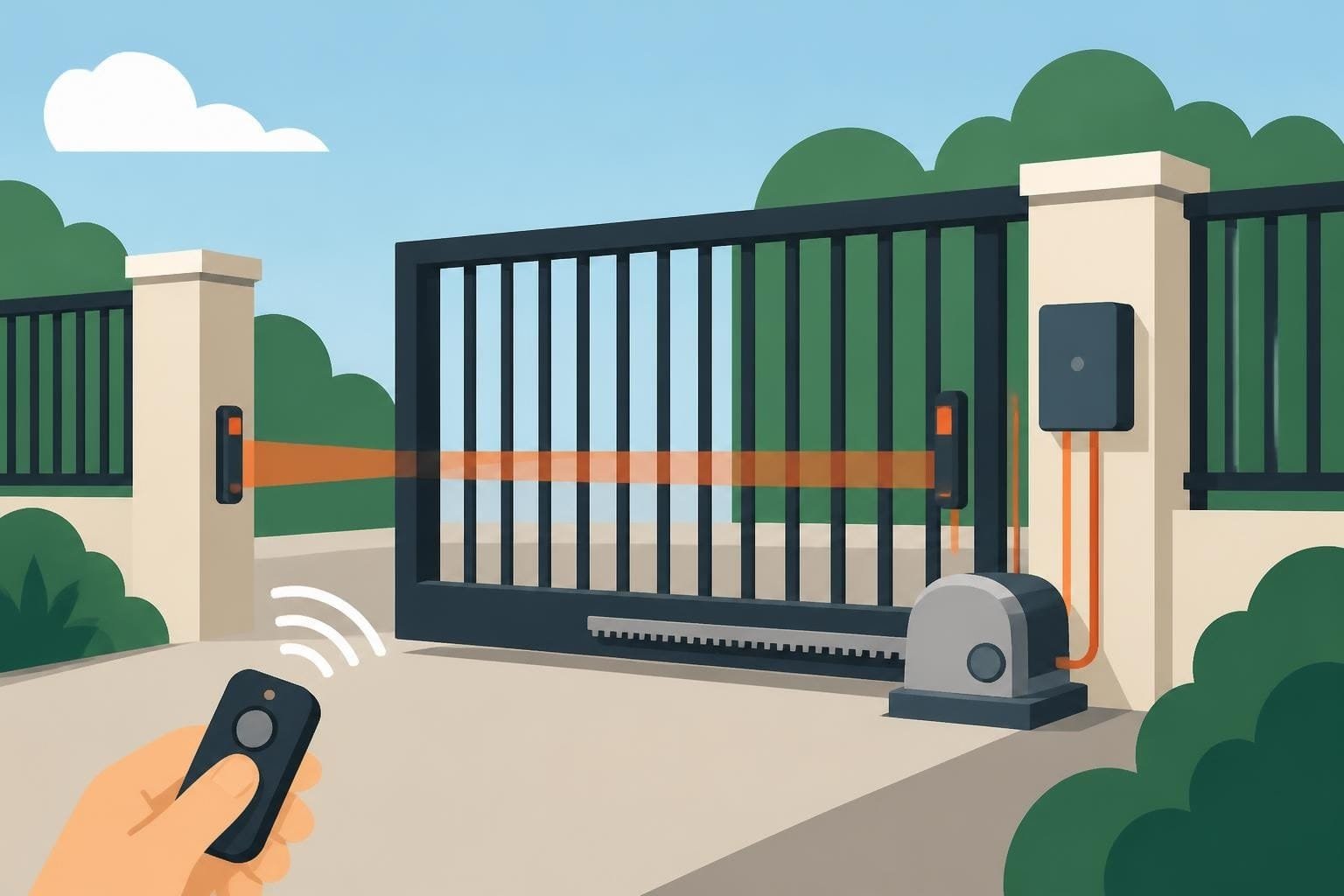
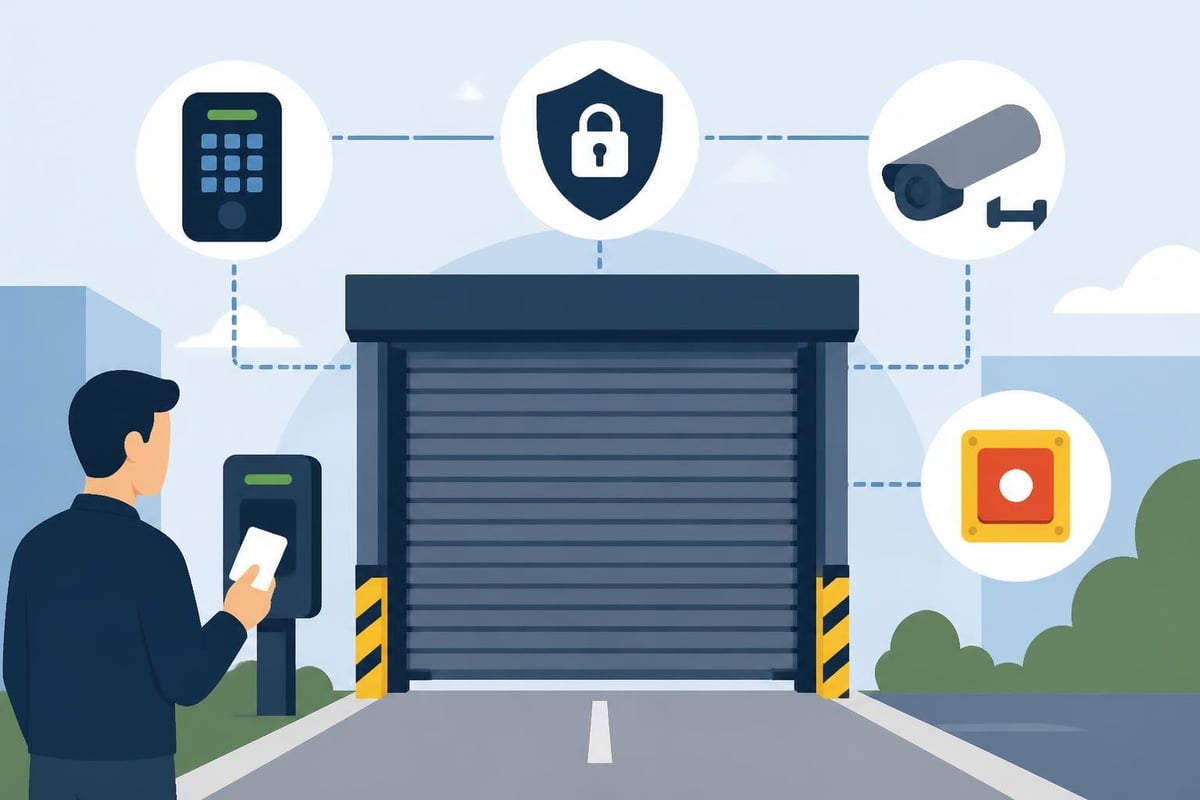
Contemporary automatic rolling gate systems offer multiple access control options. Wireless remote controls remain the most common, using rolling-code technology that changes the transmission signal with each use, preventing unauthorized code grabbing. Keypads provide PIN-based entry, ideal for managing multiple users without distributing physical remotes.
Smart integration has transformed gate control in 2026, with systems now supporting smartphone apps, voice commands through home automation platforms, and even biometric readers. These advanced controls can log entry and exit times, send notifications when the gate operates, and integrate with broader property security systems.
Safety Standards and Compliance Requirements
Safety represents the paramount concern in automatic rolling gate design and operation. The UL 325 standard has governed gate operator safety for five decades, establishing requirements for entrapment protection systems that have saved countless lives. Compliance with this standard is not optional for professionally installed systems.
Entrapment Prevention Technologies
Modern automatic rolling gate installations must incorporate multiple layers of protection against entrapment hazards. According to guidance from the UK Health & Safety Executive on powered gates, risk assessment should identify all potential hazard zones where moving gate components could cause injury.
| Safety Feature | Function | Requirement Level |
|---|---|---|
| Photocell sensors | Detect objects in gate path | Mandatory (UL 325) |
| Force-limitation | Stops gate when resistance detected | Mandatory (UL 325) |
| Edge sensors | Pressure-sensitive gate bottom | Recommended |
| Emergency release | Manual override mechanism | Mandatory (Fire codes) |
| Warning lights/sounds | Alert pedestrians of gate movement | Recommended commercial |
| Secondary safety devices | Backup obstruction detection | Mandatory per UL 325 (2023) |
The ASTM F2200 standard specifically addresses automated vehicular gate construction, establishing minimum requirements for materials, design, and installation. These specifications ensure gates can withstand wind loads, operate reliably across temperature ranges, and maintain structural integrity under normal use conditions.
Accessibility and ADA Compliance
For commercial properties and multifamily residential buildings, automatic rolling gate installations must consider accessibility requirements. The U.S. Access Board technical guidance on entrances and gates outlines specific provisions for powered gates serving accessible routes, including timing requirements for gate operation and clear width specifications.
Pedestrian gates integrated with vehicular automatic rolling gate systems must provide adequate maneuvering clearance and operation time. The standard requires minimum opening times that allow individuals using mobility devices to safely pass through before automatic closure begins.
Types and Applications
The versatility of automatic rolling gate technology enables customization for diverse applications, from residential driveways to high-security industrial facilities. Understanding the different configurations helps property owners select the optimal system for their specific needs.
Residential Applications
Homeowners typically choose automatic rolling gates for properties with steep driveways, limited turnaround space, or modern architectural styles. Residential systems prioritize aesthetics alongside functionality, with slat designs ranging from traditional horizontal patterns to contemporary vertical orientations.
Single-family installations commonly feature gates ranging from eight to twelve feet wide, with heights between six and eight feet. The motor sizing for residential automatic rolling gate systems typically falls in the 1/2 to 3/4 horsepower range, adequate for daily cycling without excessive energy consumption.
Commercial and Industrial Configurations
Commercial applications demand more robust construction and higher duty cycles. Warehouse facilities, storage yards, and distribution centers often specify gates exceeding twenty feet in width and ten feet in height. These installations require industrial-grade motors, reinforced slat construction, and enhanced safety systems to protect employees and delivery personnel.
High-security facilities may incorporate additional features:
- Crash-rated designs meeting ASTM standards for vehicle impact resistance
- Integration with access control databases managing hundreds of authorized users
- Video verification systems confirming identity before granting access
- Redundant power supplies ensuring operation during emergencies
- Remote monitoring capabilities alerting security personnel to system anomalies
The Door & Hardware Federation guidance on automated gates identifies common installation mistakes that compromise safety and functionality, particularly in commercial settings where higher traffic volumes amplify the consequences of design flaws.
Installation Considerations and Best Practices
Proper installation determines the long-term performance and safety of an automatic rolling gate system. While DIY installation may seem appealing for cost savings, the technical complexity and safety implications typically warrant professional expertise, especially for systems subject to UL 325 compliance requirements.
Site Assessment and Preparation
Successful installation begins with thorough site evaluation. The mounting surface must provide adequate support for the gate housing and track assemblies, with structural capacity to handle wind loads and the gate's operating weight. Concrete or masonry openings typically require minimal reinforcement, while metal-frame buildings may need supplemental bracing.
Electrical requirements vary based on motor specifications, but most automatic rolling gate operators require dedicated 120V or 240V circuits with ground-fault circuit interrupter (GFCI) protection. Underground conduit routing from the power source to the operator location must comply with National Electrical Code requirements for burial depth and conductor sizing.
Track Alignment and Level
Precision in track installation directly impacts gate operation smoothness and longevity. Tracks must be plumb within 1/8 inch over the full height and parallel within 1/4 inch across the opening width. Even slight deviations cause binding, accelerated wear, and motor strain.
Professional installers use laser levels and precision measuring tools to ensure accurate placement. The bottom track or threshold must be level and securely anchored to prevent gate derailment during operation. For areas experiencing freeze-thaw cycles, the threshold design must accommodate minor ground movement without compromising alignment.
Safety Sensor Placement
Photocell sensors require careful positioning to create an effective protective field across the gate opening. The primary sensor pair typically mounts six to twelve inches above grade on opposite sides of the opening. Some installations benefit from multiple sensor pairs at different heights, particularly where small children or pets may pass through the opening.
Testing sensor functionality forms a critical installation step. Installers should verify that the gate reverses immediately when the sensor beam is interrupted at any point during closing travel. The CPSC guidance on UL 325 revisions emphasizes the importance of redundant safety systems that function independently, ensuring protection even if one system fails.
Maintenance and Troubleshooting
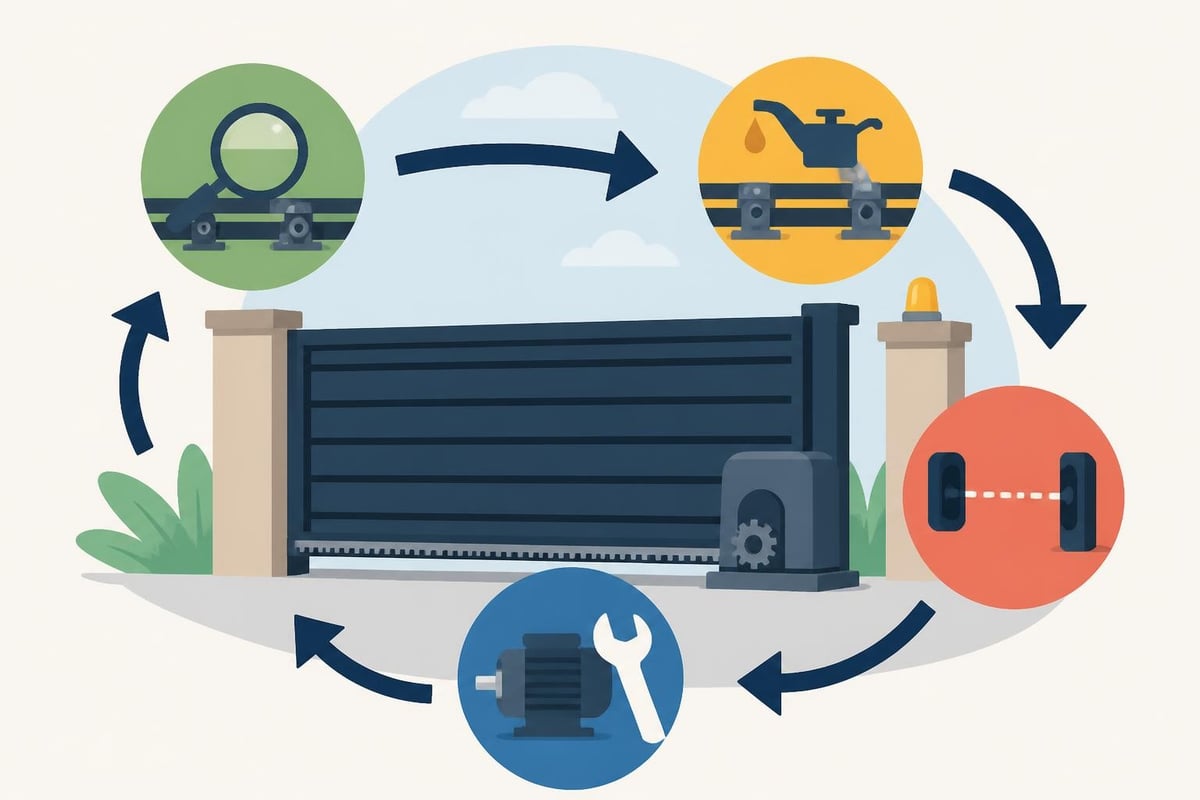
Regular maintenance extends the service life of an automatic rolling gate and prevents unexpected failures that compromise security and convenience. Establishing a systematic maintenance schedule helps identify wear patterns before they escalate into costly repairs.
Routine Inspection Checklist
Monthly visual inspections should examine several critical areas. Look for loose fasteners in the track mounting brackets, checking that all bolts remain tight. Inspect gate slats for dents, cracks, or misalignment that could indicate impact damage or track problems.
The operator housing deserves particular attention:
- Clean debris from ventilation openings preventing motor overheating
- Check wiring connections for corrosion or looseness
- Verify remote control batteries and replace as needed
- Test safety sensor alignment and cleanliness
- Lubricate moving parts according to manufacturer specifications
Lubrication Requirements
Proper lubrication reduces friction, extends component life, and ensures quiet operation. Track systems typically require silicone-based lubricants that won't attract dust and debris. Apply lubricant to the track channels every three months, wiping away excess to prevent buildup.
Chain-drive systems need specialized chain lubricant applied to the full chain length while manually cycling the gate. Avoid petroleum-based products that can degrade rubber seals and accumulate grime. Tubular motors often feature sealed bearings requiring no lubrication, though external components like guide wheels benefit from periodic attention.
Common Issues and Solutions
Understanding typical failure modes helps property owners respond appropriately when problems arise. Gate hesitation or jerky movement often indicates track obstruction or misalignment. Before calling for professional service, clear any debris from tracks and verify that mounting brackets haven't loosened.
| Symptom | Likely Cause | Initial Response |
|---|---|---|
| Gate won't respond to remote | Dead battery, receiver issue | Replace remote battery, check power |
| Gate reverses immediately | Sensor misalignment, obstruction | Clean sensors, check alignment |
| Excessive noise during operation | Dry tracks, worn components | Lubricate tracks, inspect rollers |
| Slow operation | Motor capacitor failure, binding | Professional diagnosis needed |
| Gate stops mid-travel | Force-limit trigger, power issue | Check for obstructions, verify power |
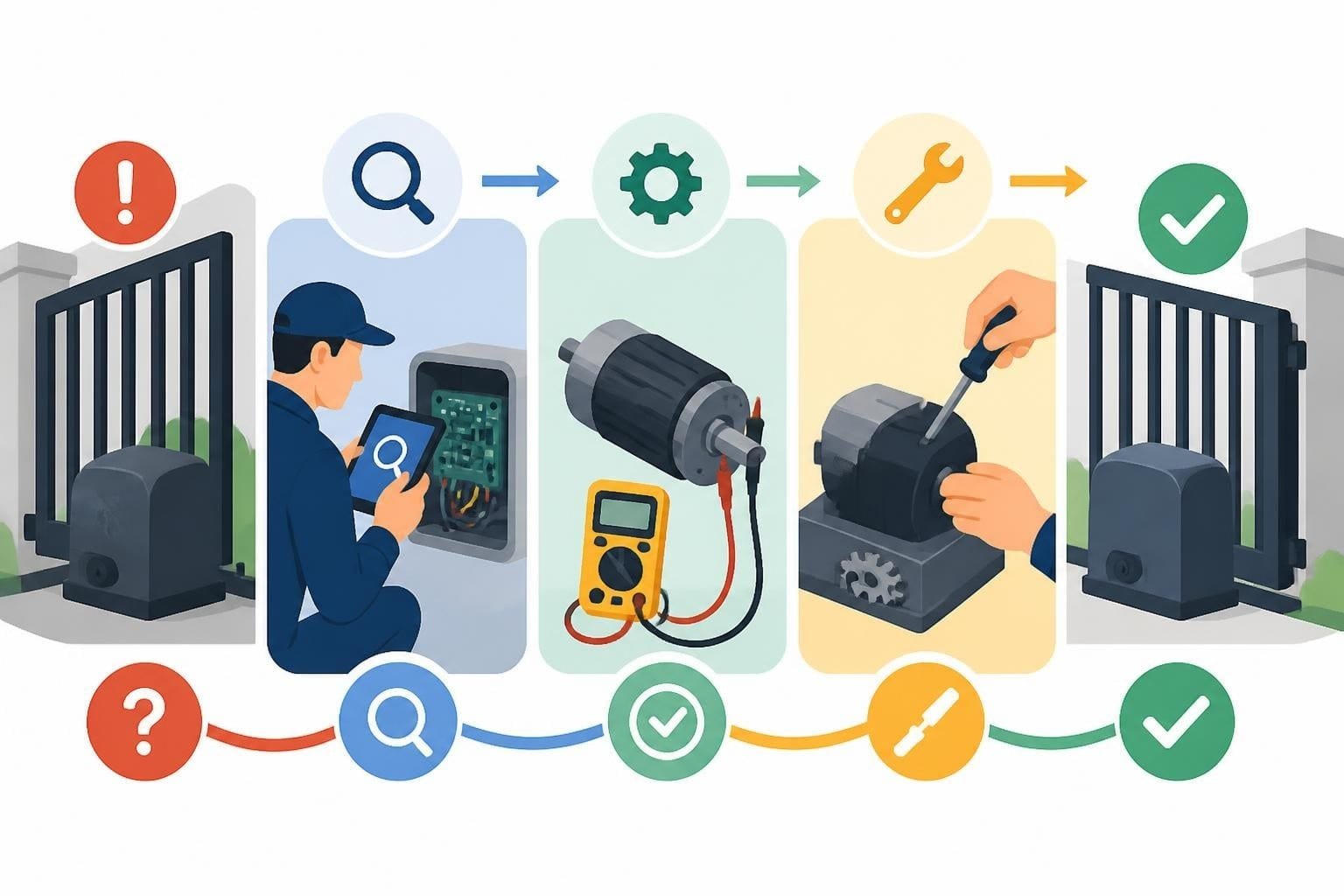
For complex issues involving electrical components or motor systems, professional service ensures safe, code-compliant repairs. Los Angeles property owners can rely on specialists offering electric gate repair services to diagnose and resolve problems efficiently.
Energy Efficiency and Sustainable Options
Modern automatic rolling gate systems incorporate energy-conscious designs that reduce operating costs and environmental impact. Motor efficiency has improved dramatically over the past decade, with contemporary operators consuming fifty percent less standby power than older models.
Solar Power Integration
Solar-powered gate operators eliminate dependence on grid electricity, ideal for remote locations or properties seeking energy independence. According to U.S. Department of Energy guidance on solar PV systems, proper sizing requires calculating daily energy consumption and accounting for seasonal variations in solar availability.
A typical residential automatic rolling gate cycling ten times daily requires approximately 100-150 watt-hours of energy. A modest solar panel array of 50-100 watts paired with deep-cycle battery storage provides reliable operation even during extended cloudy periods. Solar installations in Los Angeles benefit from year-round sunshine, making them particularly viable for automatic rolling gate applications.
Standby Power Optimization
Even grid-powered systems benefit from efficiency improvements. Look for operators featuring:
- Sleep mode technology reducing standby consumption to under one watt
- LED lighting integration for illumination without incandescent energy waste
- Smart scheduling that adjusts sensitivity and speed based on time of day
- Variable-speed motors that modulate power based on gate weight and wind resistance
Battery backup systems serve dual purposes, providing emergency operation during outages while enabling time-of-use energy strategies that charge during off-peak hours. Lithium-ion battery options offer superior energy density and longer service life compared to traditional lead-acid alternatives.
Smart Technology and Security Integration
The convergence of automatic rolling gate systems with smart home technology has revolutionized access control and monitoring capabilities. Today's installations can integrate seamlessly with comprehensive property management platforms, creating unified security ecosystems.
IoT Connectivity and Remote Management
Internet-connected gate controllers enable remote operation from anywhere with cellular or Wi-Fi coverage. Smartphone applications provide real-time status updates, allowing property owners to verify gate position, grant temporary access to visitors, and receive alerts when the gate operates.
However, connectivity introduces cybersecurity considerations. Research on IoT security vulnerabilities demonstrates that inadequately secured smart devices create entry points for malicious actors. Implementing proper security measures is essential:
- Change default passwords to strong, unique credentials
- Enable two-factor authentication when available
- Keep firmware updated with latest security patches
- Use encrypted communication protocols
- Segment IoT devices on separate network VLANs
Integration with Broader Security Systems
Sophisticated automatic rolling gate installations coordinate with video surveillance, intrusion detection, and access management systems. When integrated properly, the gate can trigger camera recording upon opening, automatically deny access during specific hours, or alert security personnel to unusual access patterns.
Video verification adds an extra security layer, requiring visual confirmation before remote gate operation. This prevents unauthorized access through stolen or compromised credentials. Modern systems can even incorporate license plate recognition technology that automatically grants access to registered vehicles while logging entry times for audit purposes.
Fire Safety and Emergency Access Provisions
Automatic rolling gate installations must balance security with emergency access requirements. Fire codes and life safety regulations mandate provisions that allow emergency responders rapid entry while preventing the gate from becoming an egress barrier during emergencies.
Emergency Vehicle Access
The NFPA resources on opening protectives establish requirements for automatic rolling gates that block fire apparatus access routes. These installations typically require Knox Box rapid entry systems or fire department master key compatibility, allowing emergency personnel immediate access without gate damage.
Some jurisdictions require automatic gate opening upon fire alarm activation, integrated through relay circuits connecting the fire alarm control panel to the gate operator. This ensures evacuation routes remain unobstructed when building occupants need emergency egress.
Fail-Safe vs. Fail-Secure Design
Gate behavior during power failure depends on the application's security versus safety priorities. Fail-safe systems automatically open or unlock when power is lost, prioritizing life safety and preventing entrapment. Fail-secure designs maintain the locked position during outages, appropriate for high-security facilities where controlled access takes precedence.
Manual release mechanisms provide mechanical override capability, essential for compliance with building codes and emergency operations. These releases should be accessible from both sides of the gate, clearly marked, and require minimal force to operate. Regular testing verifies that manual release functions remain operational and that staff understand the procedure.
Cost Considerations and Value Analysis
Understanding the financial aspects of automatic rolling gate ownership helps property owners make informed decisions about initial investment and long-term maintenance planning. Costs vary significantly based on gate size, materials, features, and site-specific installation requirements.
Initial Investment Breakdown
Residential automatic rolling gate installations typically range from $3,500 to $8,000 for standard configurations, while commercial systems can exceed $20,000 for large, high-security applications. The cost structure includes several components:
| Cost Component | Residential Range | Commercial Range |
|---|---|---|
| Gate panels and hardware | $1,500 – $3,500 | $4,000 – $12,000 |
| Motor and operator | $800 – $1,800 | $2,000 – $5,000 |
| Safety sensors and controls | $300 – $600 | $800 – $2,000 |
| Installation labor | $900 – $2,100 | $3,200 – $8,000 |
| Electrical work | $200 – $500 | $500 – $1,500 |
| Permits and inspections | $100 – $300 | $300 – $800 |
Premium features like solar power, smart integration, custom finishes, or enhanced security systems add incremental costs but deliver corresponding functionality improvements. When evaluating quotes, ensure comparisons account for equivalent feature sets and compliance with applicable safety standards.
Long-Term Ownership Economics
Beyond initial purchase, automatic rolling gate ownership involves ongoing maintenance and occasional repair expenses. Annual maintenance costs typically run $150 to $300 for professional service calls that include lubrication, adjustment, and safety system verification.
Component replacement represents the most significant long-term expense. Motors generally last ten to fifteen years with proper maintenance, while gate panels can endure twenty years or more depending on material selection and environmental exposure. Setting aside $200 to $400 annually for eventual component replacement ensures funds availability when repairs become necessary.
Energy costs remain minimal for modern efficient operators, typically adding less than $20 annually to electricity bills for residential applications. Solar-powered systems eliminate this expense after recouping the initial premium through avoided energy costs, usually within five to seven years.
Regional Considerations for Los Angeles Properties
Los Angeles presents unique considerations for automatic rolling gate installations, from seismic requirements to coastal corrosion concerns. Understanding these regional factors ensures system longevity and reliable performance in Southern California conditions.
Seismic Design Requirements
California's seismic activity necessitates specialized mounting and bracing approaches. Gate track systems require flexible attachment methods that accommodate building movement during earthquakes while maintaining alignment. Seismic separations joints prevent gate damage when adjacent structures shift independently.
The gate panels themselves should feature interlocking designs that resist separation during seismic events while avoiding rigid connections that could buckle under lateral forces. Professional installers familiar with California building codes understand these requirements and design systems that maintain functionality after moderate seismic activity.
Coastal Environment Challenges
Properties near the coast face accelerated corrosion from salt-laden air. Standard aluminum and steel components deteriorate rapidly without proper protection. Coastal installations benefit from:
- Stainless steel hardware and fasteners
- Powder-coated finishes with marine-grade specifications
- Sealed motor housings preventing moisture intrusion
- Regular washing to remove salt accumulation
- Corrosion-inhibiting lubricants formulated for marine environments
Climate and Weather Adaptations
Los Angeles' Mediterranean climate generally favors automatic rolling gate operation, though occasional extreme heat and rare winter storms require consideration. High temperatures can affect motor cooling and electronics reliability, making shaded operator placement or heat shields beneficial for south-facing installations.
The region's minimal rainfall reduces weatherproofing concerns compared to wetter climates, though proper drainage around the gate threshold prevents water accumulation during intense storms. Wind resistance calculations should account for Santa Ana conditions that can generate sustained high winds, particularly in hillside locations.
Selecting and maintaining an automatic rolling gate involves balancing security, convenience, safety, and budget considerations while ensuring compliance with evolving standards. Professional expertise proves invaluable throughout the installation lifecycle, from initial design through ongoing maintenance. Whether you need installation guidance, routine service, or emergency repairs, Gates & Garage Door Express Inc. brings family-owned dedication and technical expertise to every automatic rolling gate project in Los Angeles, delivering same-day service that keeps your property secure and accessible.