
When your garage door suddenly fails at 2 AM or refuses to open as you're leaving for an important meeting, you need immediate help. A malfunctioning garage door isn't just an inconvenience-it's a security vulnerability that can leave your home exposed and your vehicle trapped. Understanding when to call for garage door emergency service and what to expect from professional responders can make the difference between a minor disruption and a major security crisis.
Understanding What Constitutes a Garage Door Emergency
Not every garage door issue requires immediate emergency attention, but certain situations demand urgent professional intervention. Recognizing the difference helps you make informed decisions and allocate resources appropriately.
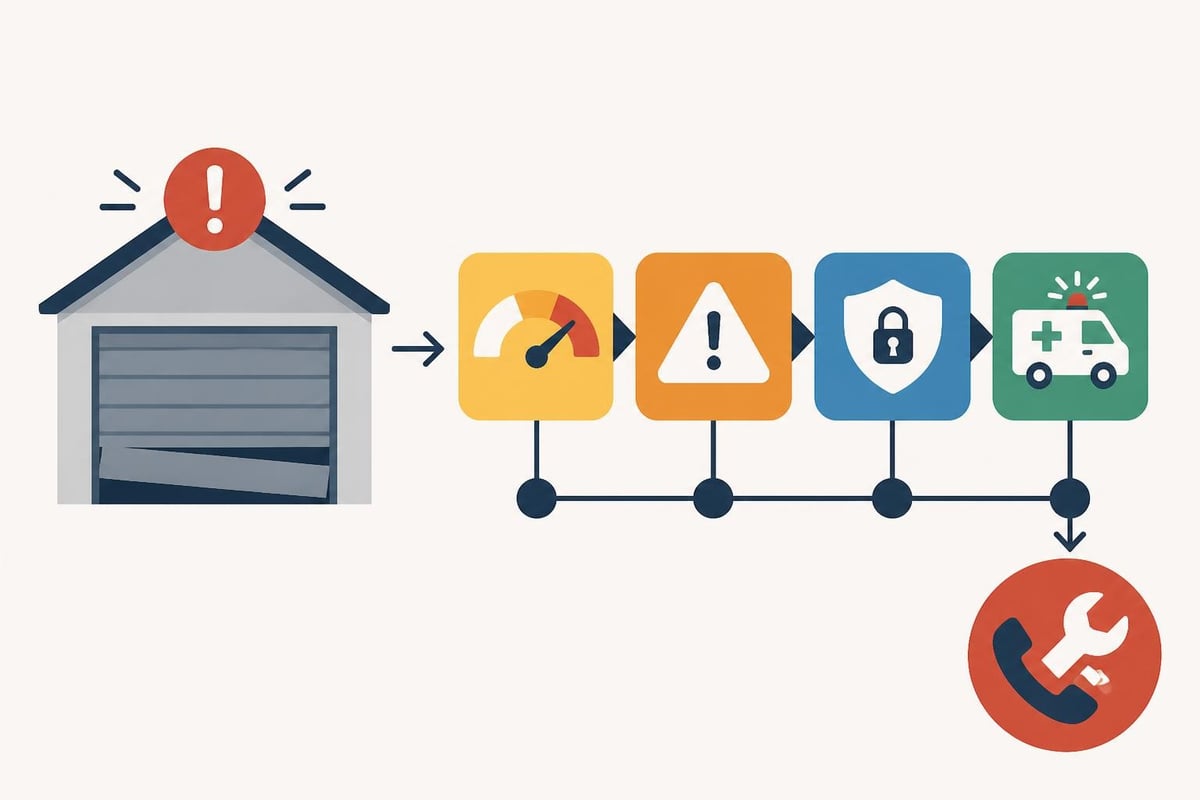
Critical Situations Requiring Immediate Response
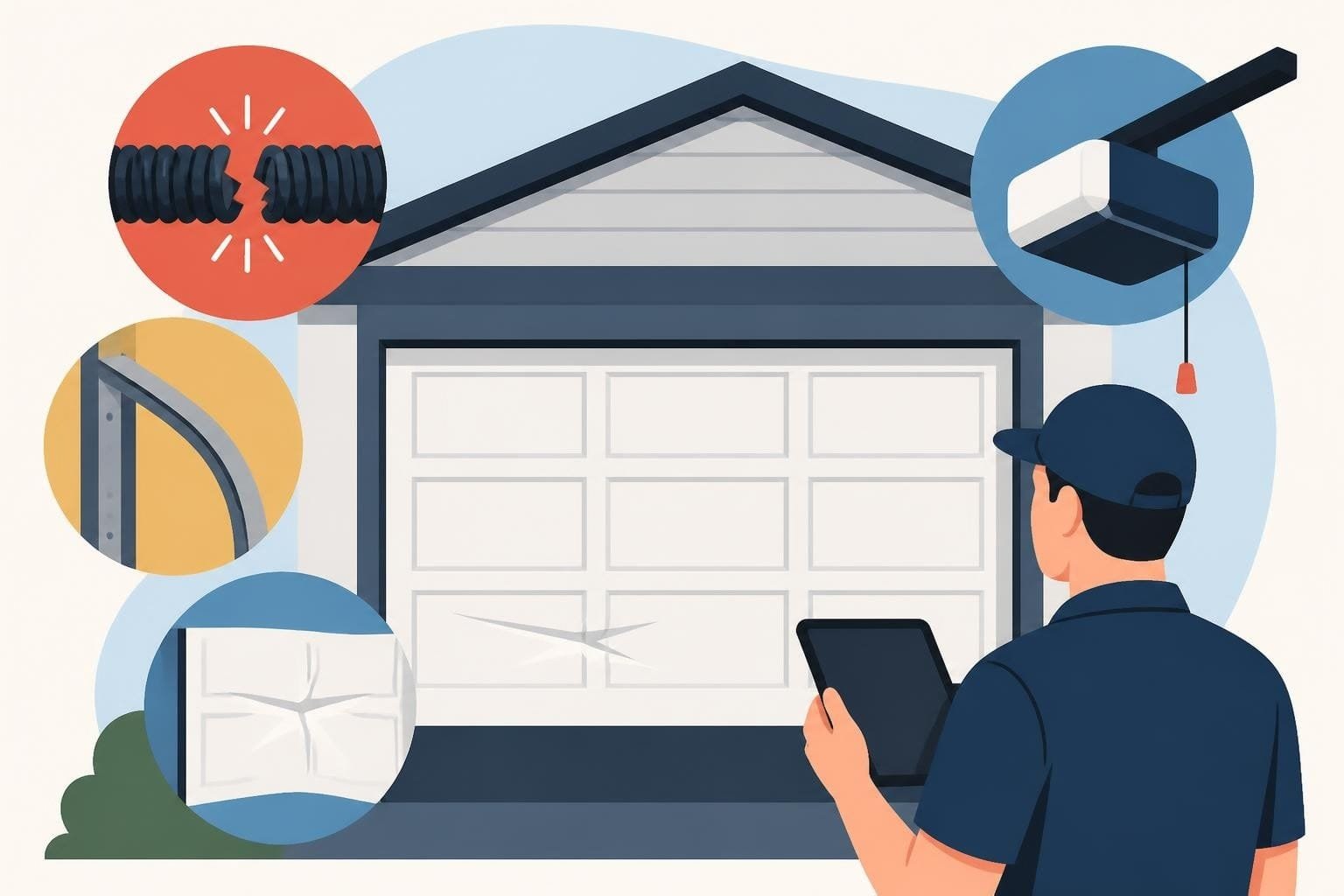
Emergency situations include complete system failures that leave your garage door stuck open or closed, creating security vulnerabilities or trapping vehicles inside. A broken spring represents one of the most common urgent scenarios, as the sudden release of tension can render the door completely inoperable and potentially dangerous.
Signs you need emergency service immediately:
- Door stuck halfway with vehicles or valuable equipment exposed
- Visible cable or spring breaks with hanging components
- Complete opener failure during severe weather
- Door off its tracks blocking vehicle access
- Unusual grinding or breaking sounds indicating imminent failure
- Safety sensor malfunction in households with children or pets
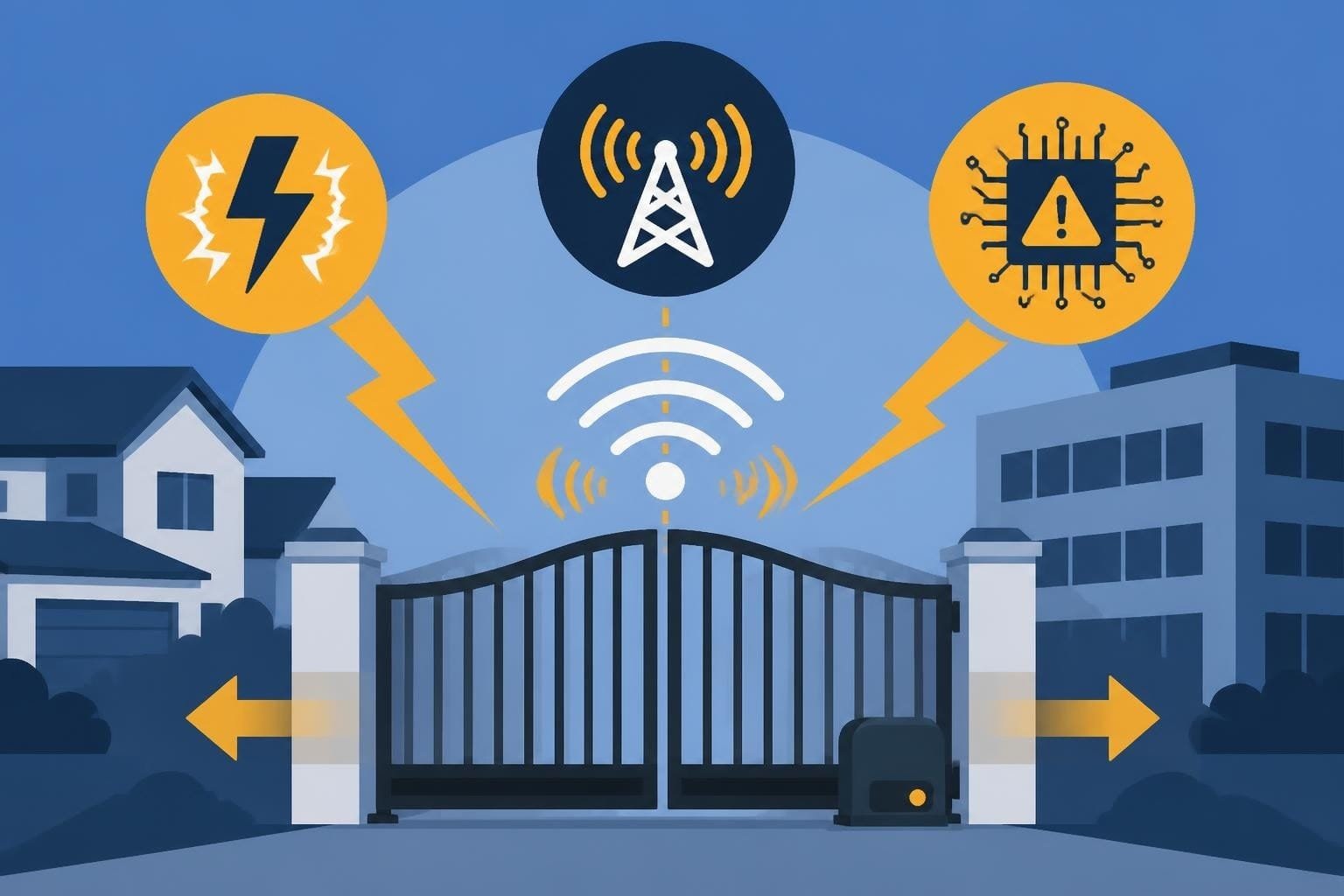
Electrical malfunctions that affect the opener can also constitute emergencies, particularly when they coincide with power surges or storm damage. If you notice sparking, burning smells, or complete electrical failure in the door system, immediate professional assessment becomes critical for both safety and security.
Non-Emergency Issues That Can Wait
Many garage door problems, while annoying, don't require after-hours emergency service. Minor operational noise, slight misalignment that doesn't prevent door movement, cosmetic damage without functional impact, and slow opener response can typically wait for regular business hours.
Understanding this distinction saves money and ensures emergency responders remain available for true crises. However, even minor issues warrant prompt attention during regular hours, as many emergency situations develop from neglected minor problems. The DASMA safety guidelines provide comprehensive information on identifying when garage door issues pose immediate risks versus when scheduled maintenance suffices.
What to Expect from Professional Emergency Response
Professional garage door emergency service operates differently from scheduled maintenance appointments. Understanding the process helps you prepare and ensures smooth, efficient resolution of urgent problems.
Initial Contact and Assessment
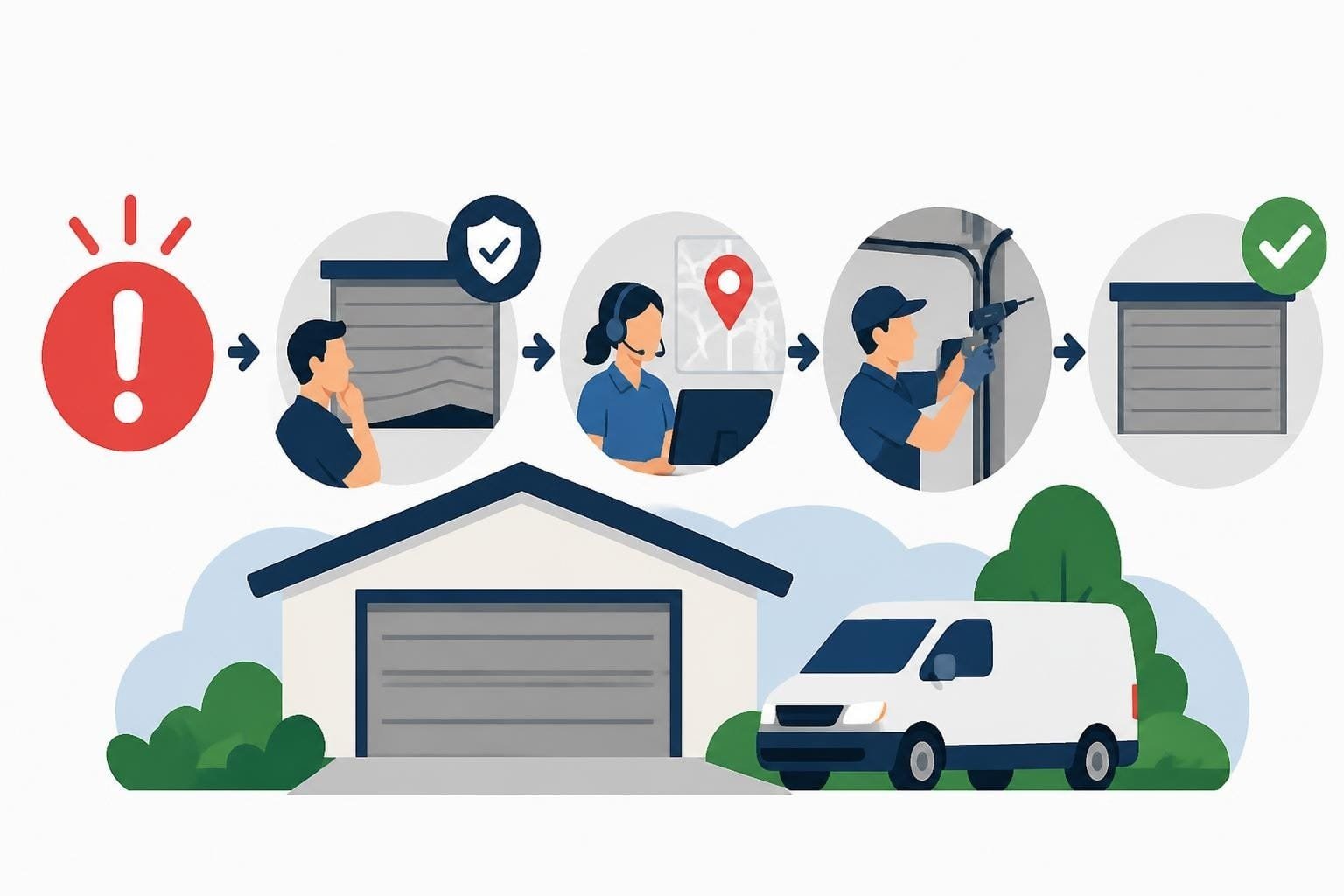
When you contact an emergency service provider, the dispatcher will gather critical information to assess the situation and dispatch appropriate resources. They'll ask about the specific problem, safety concerns, security vulnerabilities, and whether the door is stuck open or closed.
| Information Requested | Why It Matters | Your Preparation |
|---|---|---|
| Door position (open/closed/halfway) | Determines security urgency | Take photos if safe |
| Visible damage or breaks | Guides parts and tools needed | Note specific broken components |
| Safety concerns | Prioritizes response time | Identify risks to people/pets |
| Door type and age | Affects parts availability | Check manufacturer label |
Quality emergency providers typically arrive within 1-3 hours for true emergencies in metropolitan areas like Los Angeles. They come equipped with common replacement parts, diagnostic tools, and the expertise to handle most situations on the first visit.
On-Site Diagnosis and Repair Process
Professional technicians begin with a comprehensive safety assessment before touching any components. They'll secure the area, identify all damaged parts, explain findings in clear terms, and provide transparent pricing before proceeding with repairs.
The repair process follows industry standards outlined by organizations like UL, ensuring all work meets safety requirements for garage door operators and entrapment protection features. Technicians test all safety mechanisms, verify proper balance and alignment, ensure smooth operation through complete cycles, and clean the work area thoroughly.
Common Emergency Scenarios and Solutions
Different emergencies require distinct approaches and expertise. Understanding the most common scenarios helps you communicate effectively with emergency responders and set realistic expectations.
Broken Spring Emergencies
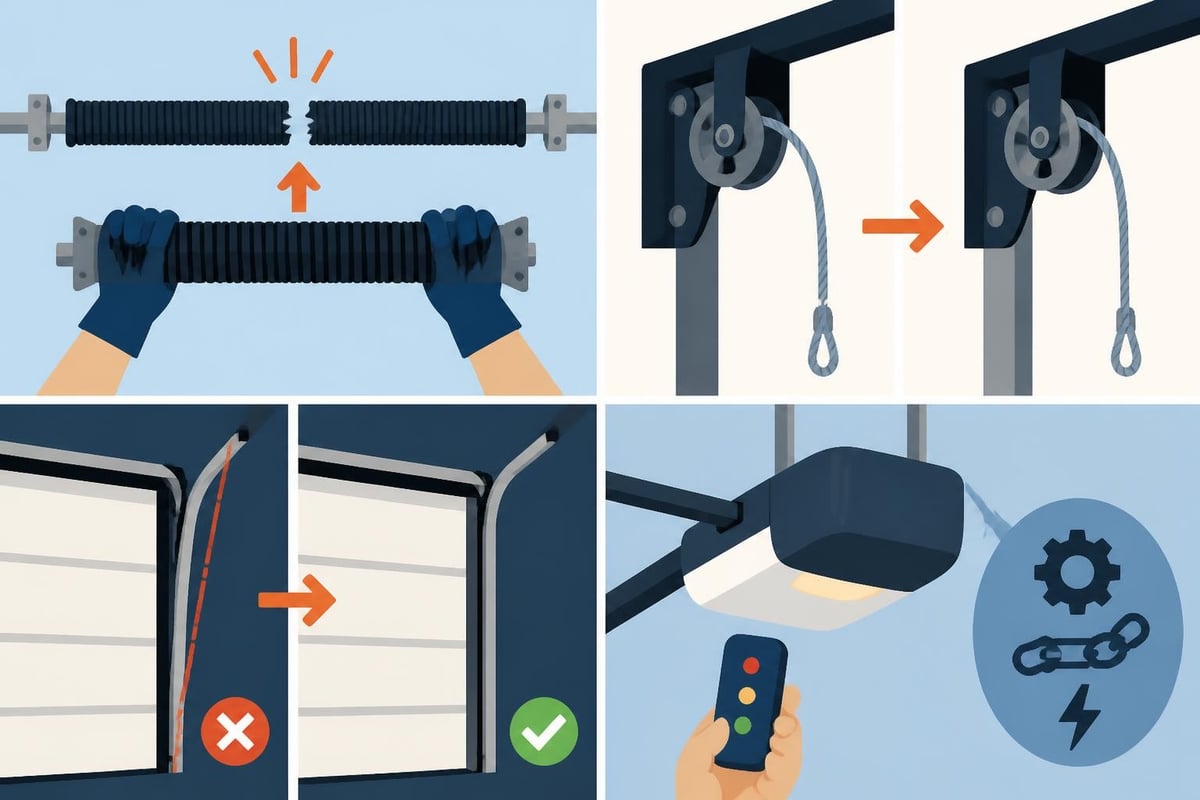
Torsion spring failures account for nearly 30% of all garage door emergencies. These heavy-duty springs counterbalance the door's weight, and when one breaks, the door becomes extremely heavy and potentially dangerous to operate manually.
Emergency response for broken springs includes:
- Securing the door in its current position
- Disconnecting the automatic opener to prevent motor damage
- Installing replacement springs matched to door specifications
- Testing and rebalancing the entire system
- Verifying safety mechanisms function correctly
Professional spring replacement typically takes 45-90 minutes, depending on door size and spring configuration. Never attempt DIY spring replacement-the stored energy in these components can cause severe injuries.
Cable and Track Failures
Cables work in conjunction with springs to lift and lower your garage door safely. When cables fray, snap, or jump off their drums, the door can become dangerously unbalanced. Similarly, track damage from vehicle impacts or structural shifting prevents smooth operation and can cause complete door failure.
Emergency cable repairs require precise tension adjustments and often involve replacing both cables simultaneously to ensure balanced operation. Track realignment or replacement demands professional equipment and expertise to ensure proper vertical and horizontal alignment within manufacturer specifications.
Opener and Electrical System Failures
Modern garage door openers represent sophisticated electromechanical systems vulnerable to power surges, component wear, and electrical malfunctions. Emergency opener failures often coincide with storms or power outages, creating compound problems when you need access most urgently.
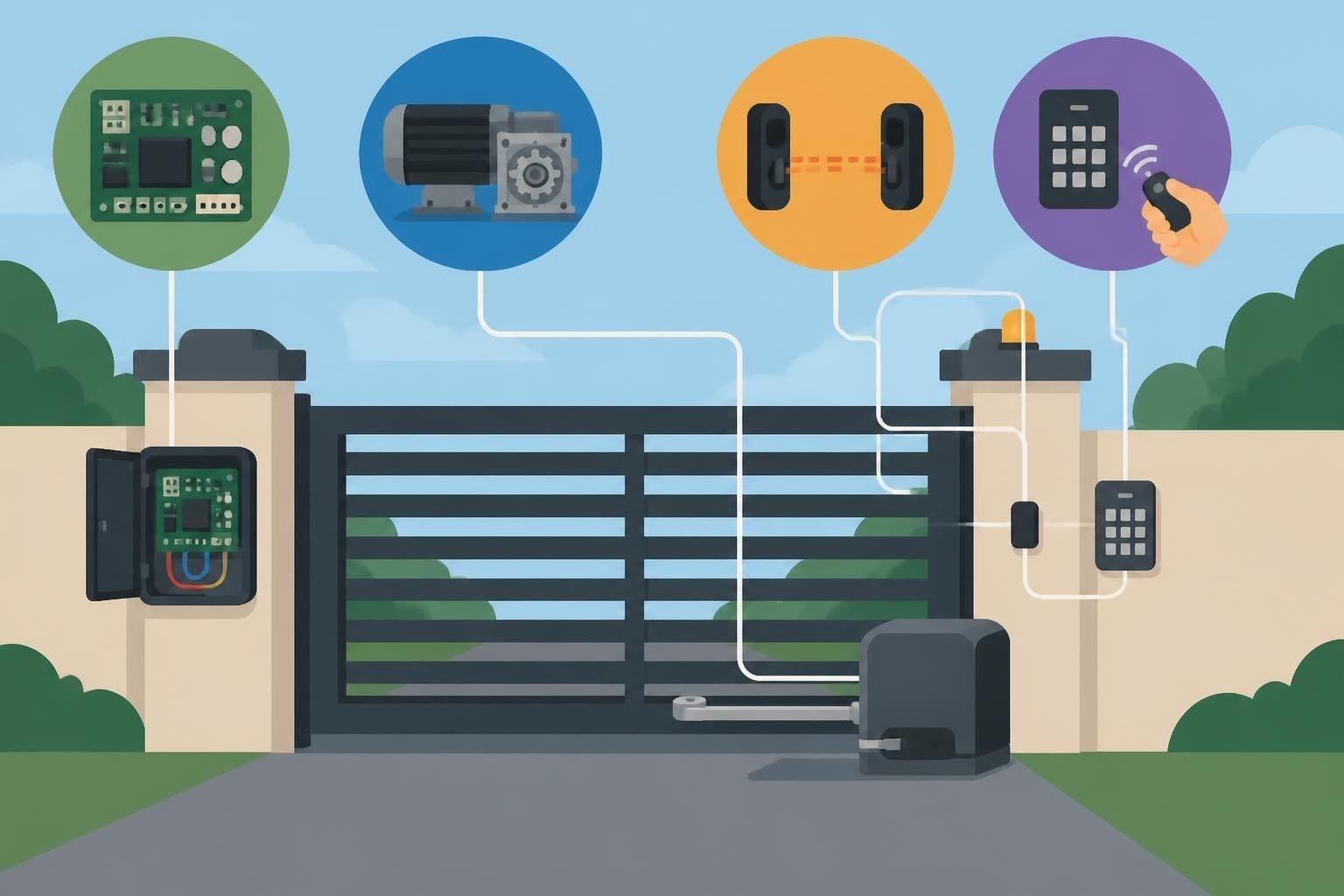
Technicians diagnose opener failures by testing power supply integrity, examining circuit boards for damage, verifying remote and wall switch functionality, and assessing motor and drive mechanism condition. Many opener emergencies stem from simple issues like tripped breakers or misaligned safety sensors, while others require component replacement or complete system upgrades.
Preventing Common Emergency Situations
While some emergencies occur without warning, many develop from neglected maintenance issues. Proactive care significantly reduces the likelihood of requiring emergency service at inconvenient times.
Essential Maintenance Schedule
Monthly visual inspections should include:
- Spring condition and signs of wear
- Cable integrity and proper seating
- Track alignment and debris accumulation
- Hardware tightness and rust formation
- Safety sensor alignment and cleanliness
Quarterly maintenance tasks include:
- Lubricating all moving parts with appropriate products
- Testing door balance by disconnecting opener
- Cleaning tracks and removing accumulated debris
- Checking and tightening all mounting hardware
- Testing emergency release mechanism functionality
Research from the Insurance Institute for Business & Home Safety demonstrates that regular maintenance reduces emergency failures by approximately 60% and extends component lifespan significantly. Their studies on garage door damage patterns reveal that most storm-related failures occur in poorly maintained systems.
Weather Preparation and Storm Readiness
Los Angeles experiences occasional severe weather events that can compromise garage door systems. Preparing your door for storms and extreme conditions prevents many weather-related emergencies.
Before severe weather arrives, verify your door meets current wind-load ratings for your area, ensure all reinforcement struts are properly installed, test battery backup systems if equipped, and secure loose items that might impact the door. The IBHS recommendations for reducing storm damage provide specific guidance on fortifying garage doors against wind and debris impact.
Selecting a Reliable Emergency Service Provider
Not all garage door companies offer genuine 24/7 emergency response, and quality varies significantly among those that do. Choosing the right provider before an emergency occurs ensures faster response and better outcomes when problems arise.
Key Qualifications and Credentials
Professional emergency service providers maintain proper licensing, comprehensive insurance coverage, and manufacturer certifications for major door and opener brands. They employ experienced technicians trained in the latest safety protocols and repair techniques.
| Credential Type | Why It Matters | What to Verify |
|---|---|---|
| State Contractor License | Legal requirement for structural work | Check license number with state board |
| Liability Insurance | Protects you from damage claims | Request certificate of insurance |
| Manufacturer Certifications | Access to OEM parts and training | Ask about specific brands serviced |
| Technician Background Checks | Security for emergency home visits | Confirm company screening policies |
Quality providers like Gates & Garage Door Express Inc. combine technical expertise with transparent business practices, offering clear pricing, written warranties, and guaranteed response times for emergency situations. Their family-owned approach ensures accountability and customer-focused service delivery.
Response Time and Service Area Coverage
True emergency service means technicians are actually available and can reach your location within a reasonable timeframe. Before an emergency occurs, verify the provider's typical response time for your specific area and their definition of "emergency service."
Some companies claim 24/7 availability but rely on on-call technicians who may be hours away or unavailable during peak demand periods. Established local providers with multiple technicians and stocked service vehicles deliver more reliable emergency response, particularly in large metropolitan areas.
Understanding Emergency Service Costs and Pricing
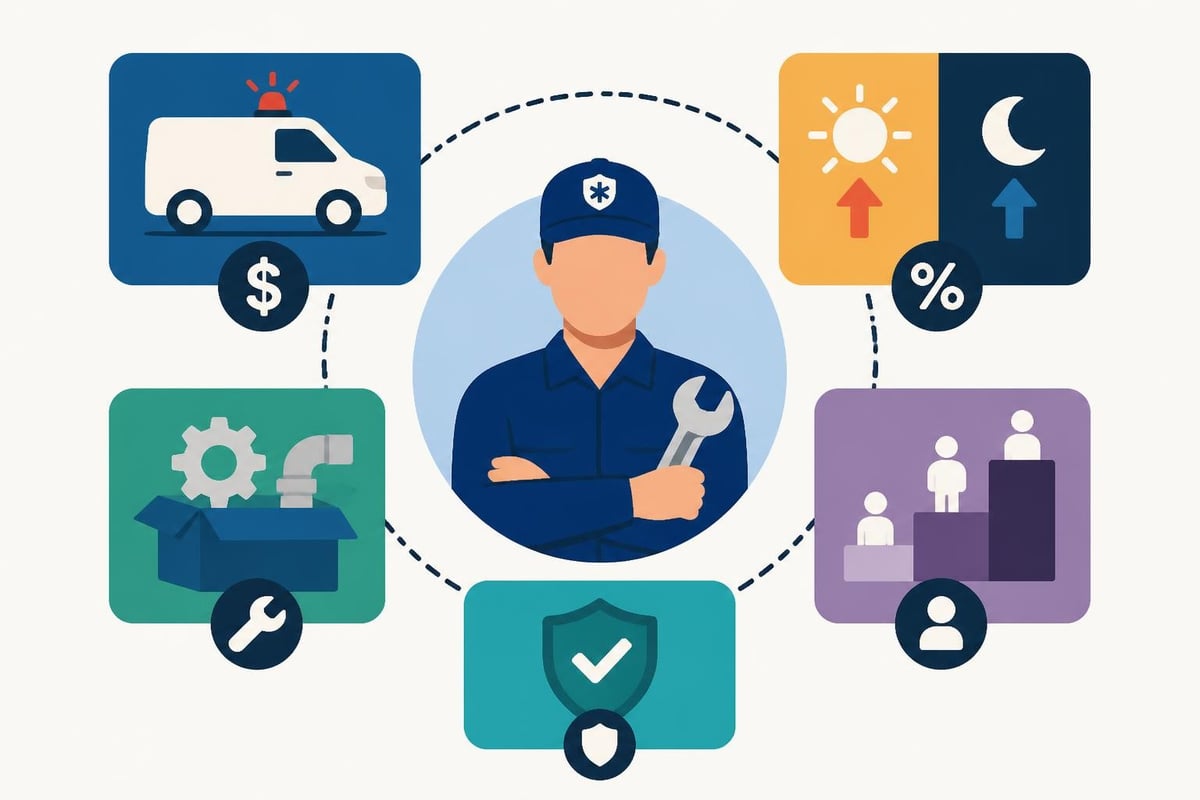
Emergency garage door service typically costs more than scheduled appointments due to after-hours availability, immediate response requirements, and the premium placed on skilled technicians' time outside regular business hours.
Typical Emergency Service Pricing Structure
Most emergency providers charge a base service call fee ranging from $95 to $200, depending on the time and day. This fee covers the technician's response, diagnosis, and initial assessment. Actual repair costs add to this base fee according to the parts required and labor complexity.
Common emergency repair costs in 2026:
- Spring replacement: $200-$400 (parts and labor)
- Cable replacement: $150-$300 per cable
- Track repair or replacement: $175-$350 per track
- Opener motor replacement: $250-$500
- Panel replacement: $300-$800 depending on material
Weekend and holiday service often incurs additional surcharges of 25-50% over standard emergency rates. However, delaying necessary repairs can result in additional damage, higher ultimate costs, and extended security vulnerabilities that outweigh the premium for immediate service.
Questions to Ask Before Authorizing Repairs
Reputable emergency technicians provide clear explanations and written estimates before beginning work. Don't hesitate to ask detailed questions about the problem diagnosis, specific parts being replaced, warranty coverage on parts and labor, and total estimated cost including all fees.
Request itemized pricing that separates diagnostic fees, parts costs, labor charges, and any after-hours premiums. This transparency allows you to make informed decisions and compare options if multiple repairs are recommended with varying urgency levels.
Safety Considerations During Garage Door Emergencies
Garage doors rank among the largest moving objects in residential properties, operated by powerful motors and counterbalanced by high-tension springs. Safety must remain the primary concern during any emergency situation.
Immediate Safety Steps for Common Emergencies
When a garage door emergency occurs, your first priority involves securing the area and preventing injuries. Keep children and pets away from the malfunctioning door, avoid attempting manual operation of doors with broken springs or cables, and never stand or walk under a door that's stuck in an intermediate position.
If your door is stuck open and you cannot secure your property, consider temporary measures like parking vehicles elsewhere, moving valuable items away from the garage, or arranging temporary overnight security until repairs are completed. Never compromise personal safety attempting makeshift repairs on high-tension components.
When to Disconnect the Opener
Modern garage door openers include an emergency release mechanism-typically a red handle on a cord hanging from the opener trolley. During certain emergencies, disconnecting this mechanism prevents further damage to the opener motor or drive system.
Disconnect the opener when you hear unusual grinding noises from the motor, the door is visibly off its tracks, springs or cables have broken, or the door won't move despite the motor running. However, only disconnect the opener when the door is fully closed if possible, as releasing it with the door open on broken springs can cause the door to fall rapidly.
The Role of Professional Diagnostics in Emergency Situations
Emergency service isn't just about quick fixes-it's about identifying root causes and preventing recurring problems. Professional diagnostics during emergency calls often reveal underlying issues that, if left unaddressed, would lead to additional failures.
Comprehensive System Evaluation
Experienced technicians use emergency service calls as opportunities to assess overall system health. While addressing the immediate problem, they inspect related components for wear patterns, verify proper installation of existing parts, check for code compliance issues, and identify potential failure points.
This comprehensive approach often uncovers problems in early stages when repairs remain simple and inexpensive. For example, a spring replacement emergency might reveal track misalignment contributing to uneven spring wear, allowing correction before the second spring fails or tracks become damaged.
Documentation and Maintenance Records
Professional emergency service providers document all findings, repairs performed, parts replaced, and recommendations for future maintenance. This documentation proves valuable for warranty claims, insurance purposes, and planning future service needs.
Maintaining these records helps establish service history that increases property value and provides future technicians with critical information about your specific door configuration, previous repairs, and component ages. The technical data sheets from DASMA provide standardized frameworks for documenting maintenance and repair activities.
Coordinating Emergency Service with Home Security Systems
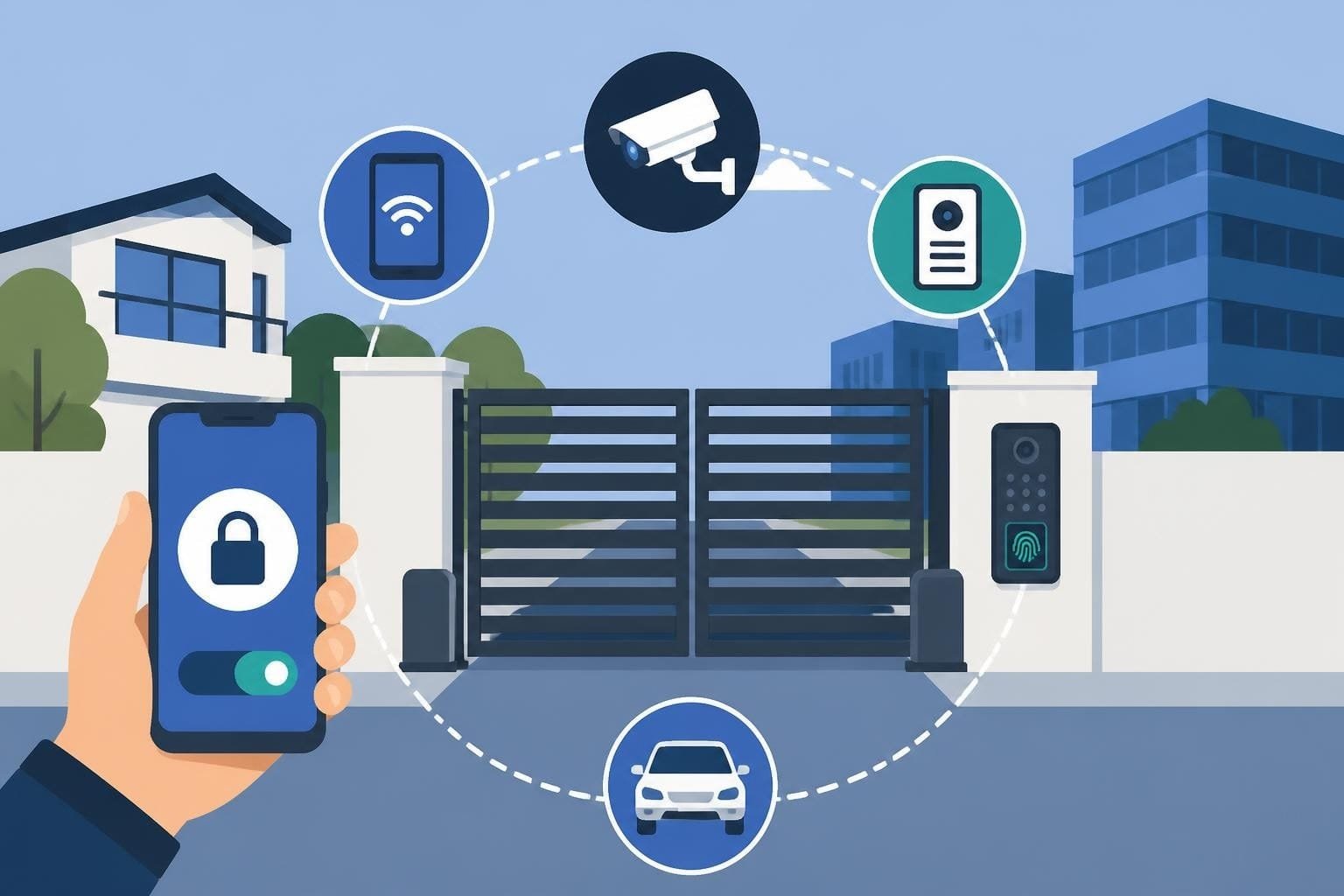
Many modern homes integrate garage door control with comprehensive security systems, smart home platforms, and automation routines. Emergency garage door service must account for these integrations to ensure systems operate properly after repairs.
Smart Opener Integration Challenges
When emergency repairs involve opener replacement or electrical work, existing smart home integrations may require reconfiguration. Inform your emergency technician about any smart opener features, smartphone app control, voice assistant integration, or automation routines involving the garage door.
Professional technicians experienced with modern systems can often restore these integrations during emergency service, or they'll provide clear guidance on reconfiguration steps you'll need to complete. Some advanced features may require manufacturer support or specialized programming beyond emergency repair scope.
Temporary Security Measures During Repairs
If emergency repairs require extended time or parts that aren't immediately available, discuss temporary security measures with your technician. Options might include manual locks for the door, temporary reinforcement of vulnerable access points, or coordination with your security service for enhanced monitoring while the garage remains accessible.
For businesses or properties storing valuable equipment, professional gate repair services can sometimes provide interim security solutions while garage door repairs are completed, ensuring continuous property protection.
Long-Term Planning After Emergency Service
Emergency repairs restore functionality, but they should trigger broader conversations about system age, upgrade opportunities, and preventive replacement strategies. Using emergency service as a catalyst for long-term planning prevents future crisis situations.
When Emergency Repairs Signal Replacement Needs
Some emergency situations indicate that your garage door system has reached the end of its practical lifespan. If you're experiencing multiple spring failures within short timeframes, your opener is more than 15 years old, visible rust and corrosion affect structural components, or repair costs exceed 50% of replacement value, replacement may offer better long-term value than continued repairs.
Professional technicians can provide honest assessments of whether your system warrants continued investment in repairs or whether replacement makes more economic sense. This guidance considers not just immediate costs but also energy efficiency gains, enhanced safety features in modern systems, and improved security capabilities.
Preventive Replacement Strategies
Rather than waiting for emergency failures, consider preventive replacement of high-wear components on predictable schedules. Springs typically last 10,000-20,000 cycles (roughly 7-12 years for average use), cables last slightly longer but should be replaced with springs, and rollers wear out every 10-15 years depending on quality and use.
Scheduling these replacements during regular maintenance windows costs significantly less than emergency service and prevents the inconvenience and security risks of unexpected failures. Create a component replacement schedule based on your door's age and usage patterns to minimize emergency service needs.
Understanding when and how to access garage door emergency service protects your property, ensures your family's safety, and minimizes disruption during unexpected failures. By recognizing true emergencies, maintaining your system proactively, and establishing a relationship with a reliable service provider before problems occur, you'll be prepared to handle urgent situations efficiently. Gates & Garage Door Express Inc. provides comprehensive garage door repair with same-day emergency response throughout Los Angeles, combining the accountability of family-owned service with professional expertise and transparent pricing. Contact Gates & Garage Door Express Inc. today to schedule a preventive maintenance inspection or to discuss your emergency service needs.