
Property security and convenience have evolved significantly over recent decades, with automated access control systems becoming standard for both residential and commercial applications. A remote gate opener represents one of the most practical investments for property owners who value controlled entry, enhanced security, and the ability to manage access without leaving their vehicle or building. These systems combine mechanical reliability with wireless technology, offering seamless operation that protects your property while streamlining daily routines. Understanding how these systems work, the available options, and proper maintenance requirements ensures you make informed decisions that serve your security needs for years to come.
Understanding Remote Gate Opener Technology
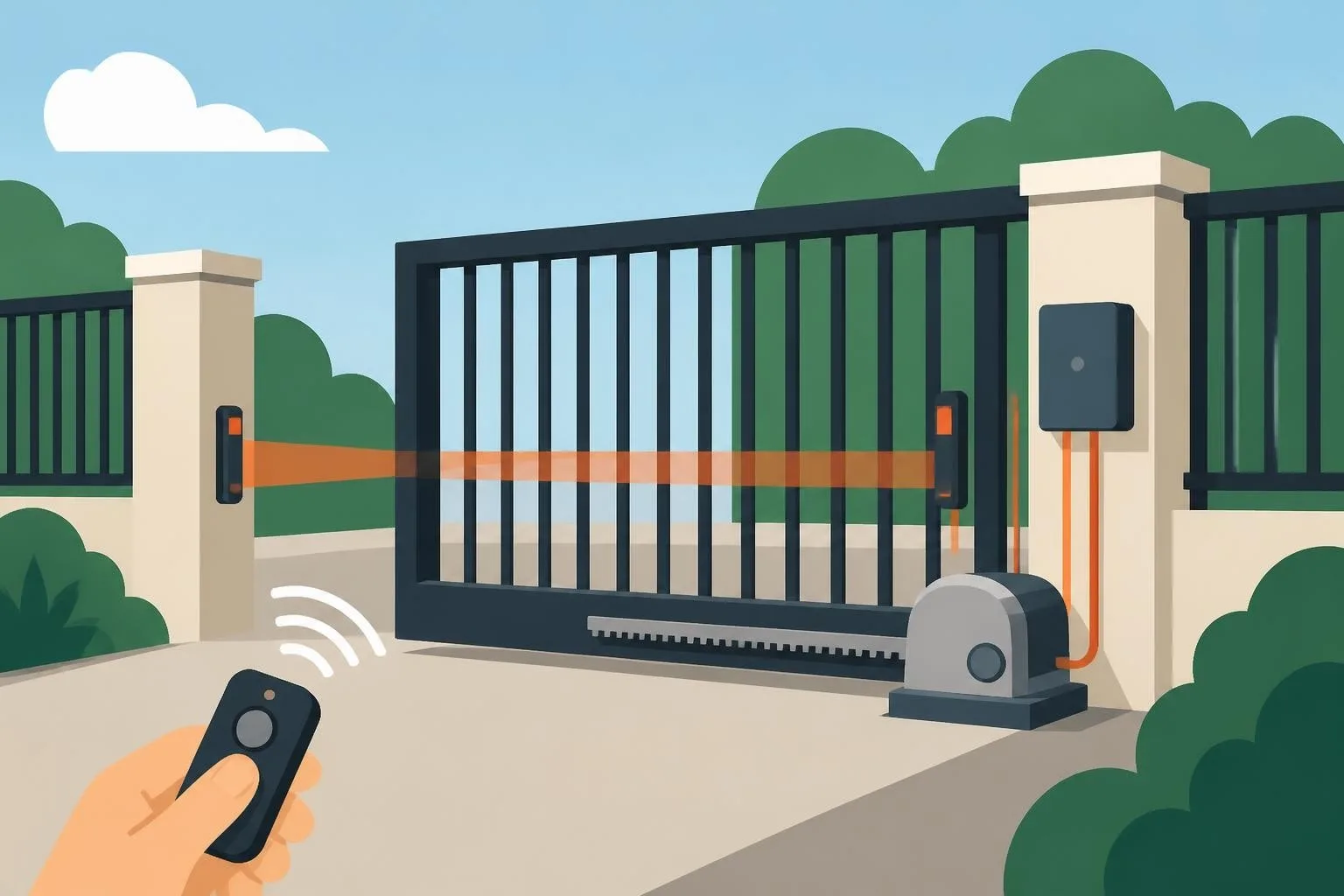
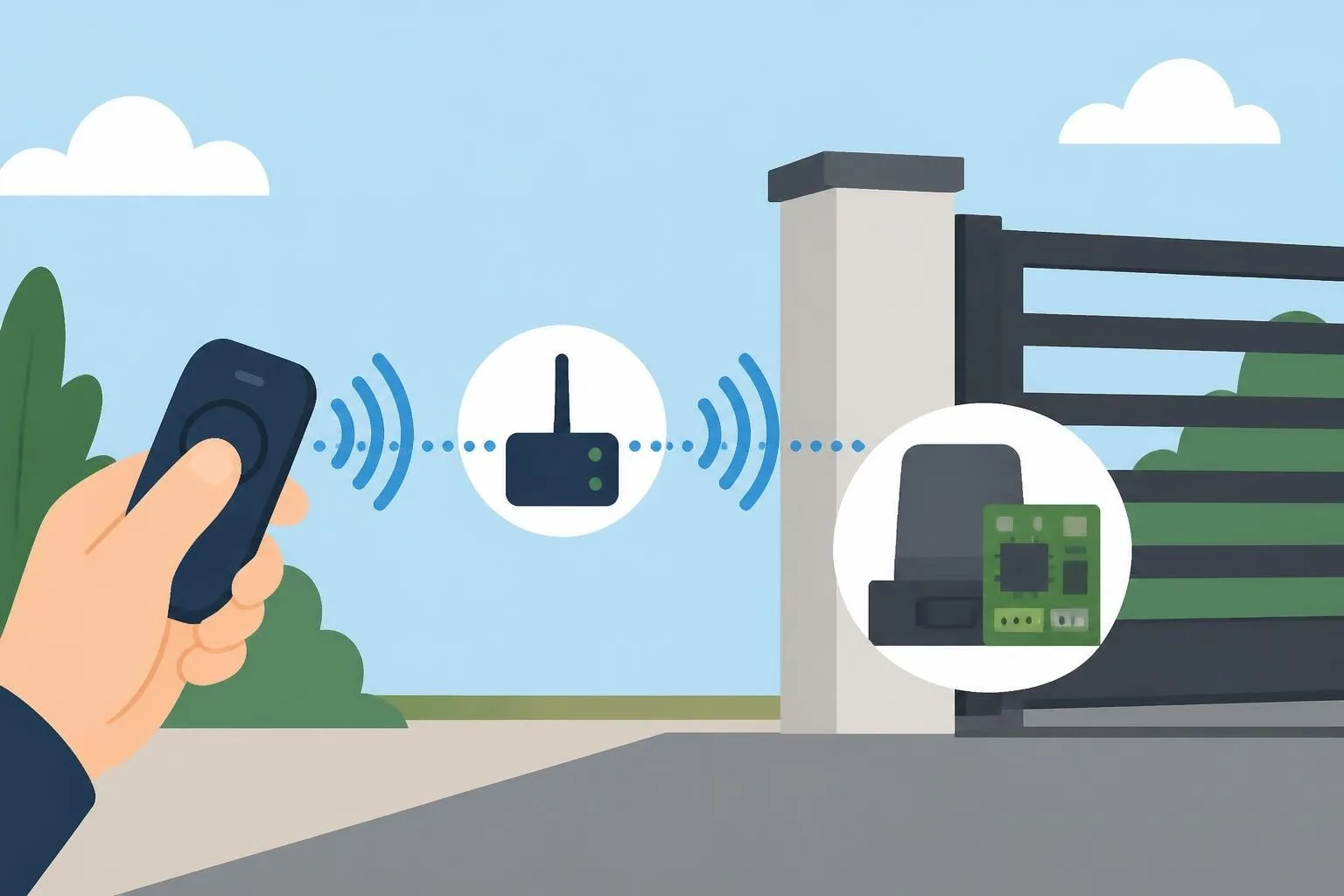
Modern remote gate opener systems operate through radio frequency (RF) communication between a handheld transmitter and a receiver unit connected to the gate motor. When you press the button on your remote transmitter, it broadcasts a coded signal on a specific frequency, typically 300-400 MHz. The receiver unit verifies this code and, if authenticated, triggers the motor to open or close the gate.
Key components of a complete system include:
- Transmitter (handheld remote or vehicle-mounted unit)
- Receiver module integrated with or connected to the gate operator
- Control board managing motor functions and safety features
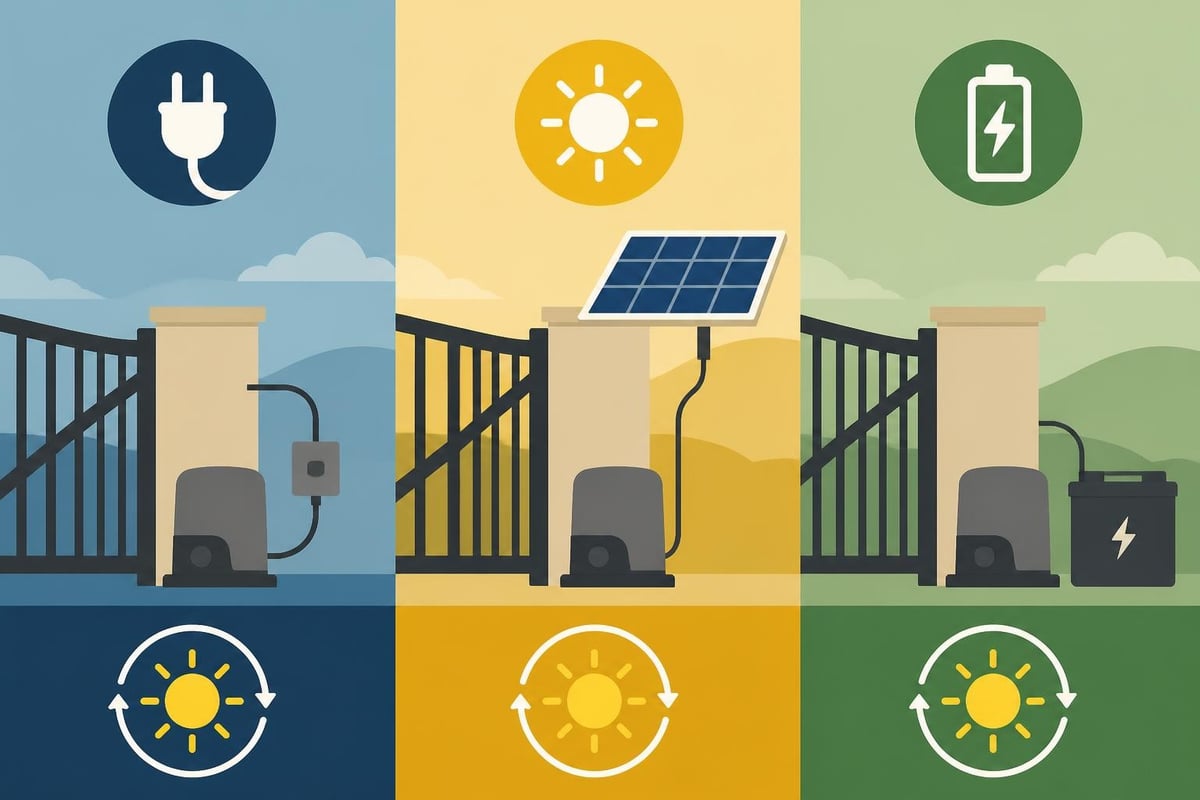
- Power supply (hardwired electrical, solar, or battery backup)
- Safety sensors and entrapment protection devices
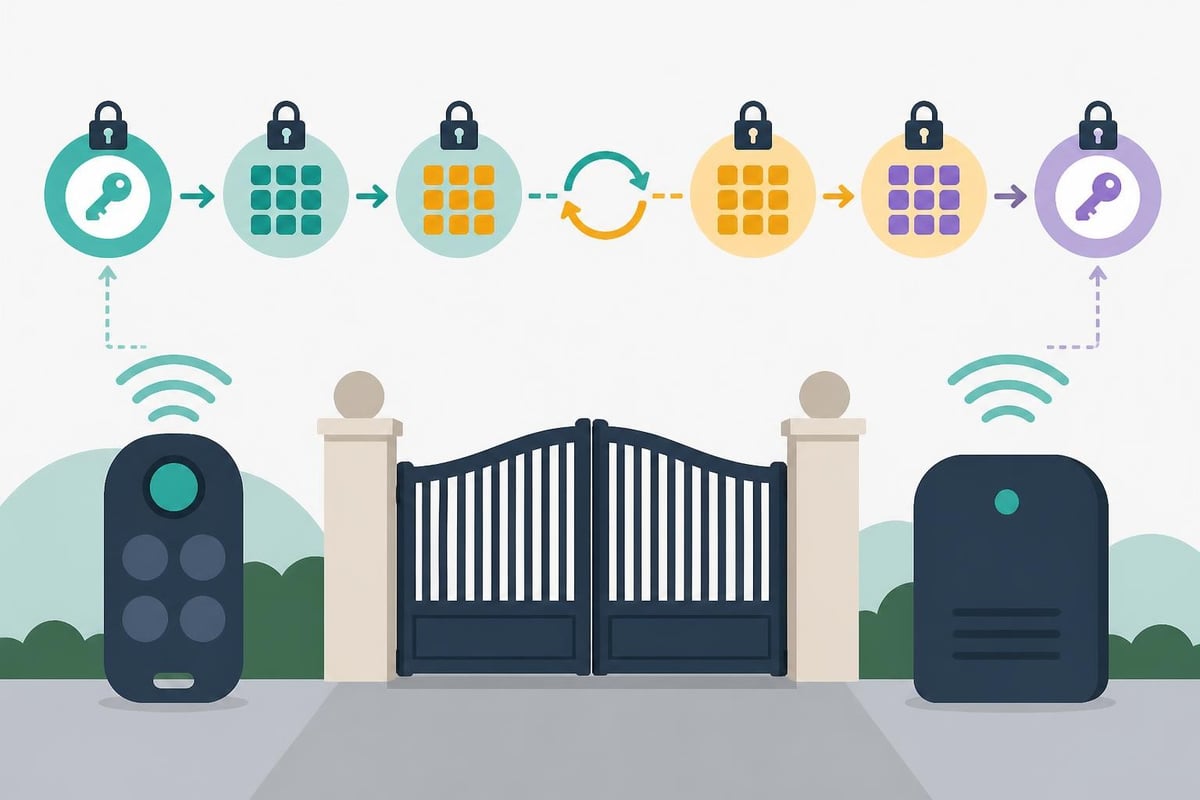
The sophistication of coding technology has advanced dramatically. Early fixed-code systems transmitted the same signal every time, making them vulnerable to code grabbing. Modern rolling-code or hopping-code technology generates a new encrypted code with each use, providing substantially better security against unauthorized access attempts.
Radio Frequency Standards and Compatibility
Remote gate opener systems in the United States commonly operate on frequencies designated by the Federal Communications Commission for low-power devices. The 318 MHz and 390 MHz bands are most prevalent, though some manufacturers use 433 MHz or other frequencies. Understanding frequency compatibility matters when replacing remotes, adding additional transmitters, or upgrading receiver units.
Interference can occasionally disrupt signal transmission. Nearby radio towers, certain electronic devices, or even metal structures between the transmitter and receiver may weaken signals. Quality systems incorporate signal-strength indicators and error-correction protocols to maintain reliable operation even in challenging RF environments.
Types of Remote Gate Opener Systems
The market offers diverse remote gate opener configurations designed for different gate types, traffic volumes, and installation environments. Selecting the appropriate system requires matching the operator type to your specific gate construction and usage patterns.
Swing Gate Operators
Swing gate systems use articulated arms or underground rams to pull gates open along an arc. These operators excel for traditional estate gates, decorative wrought-iron installations, and situations where aesthetics matter. Articulated-arm operators mount visibly on posts beside the gate, while underground operators remain hidden beneath the gate pivot point for a cleaner appearance.
| Operator Type | Mounting | Aesthetics | Maintenance Access | Typical Applications |
|---|---|---|---|---|
| Articulated Arm | Post-mounted | Visible mechanism | Easy access | Residential, light commercial |
| Underground Ram | Below-grade | Invisible operation | Requires excavation | High-end residential, estates |
| Dual-swing | Paired operators | Symmetrical | Individual service | Wide driveways, commercial entries |
Slide Gate Operators
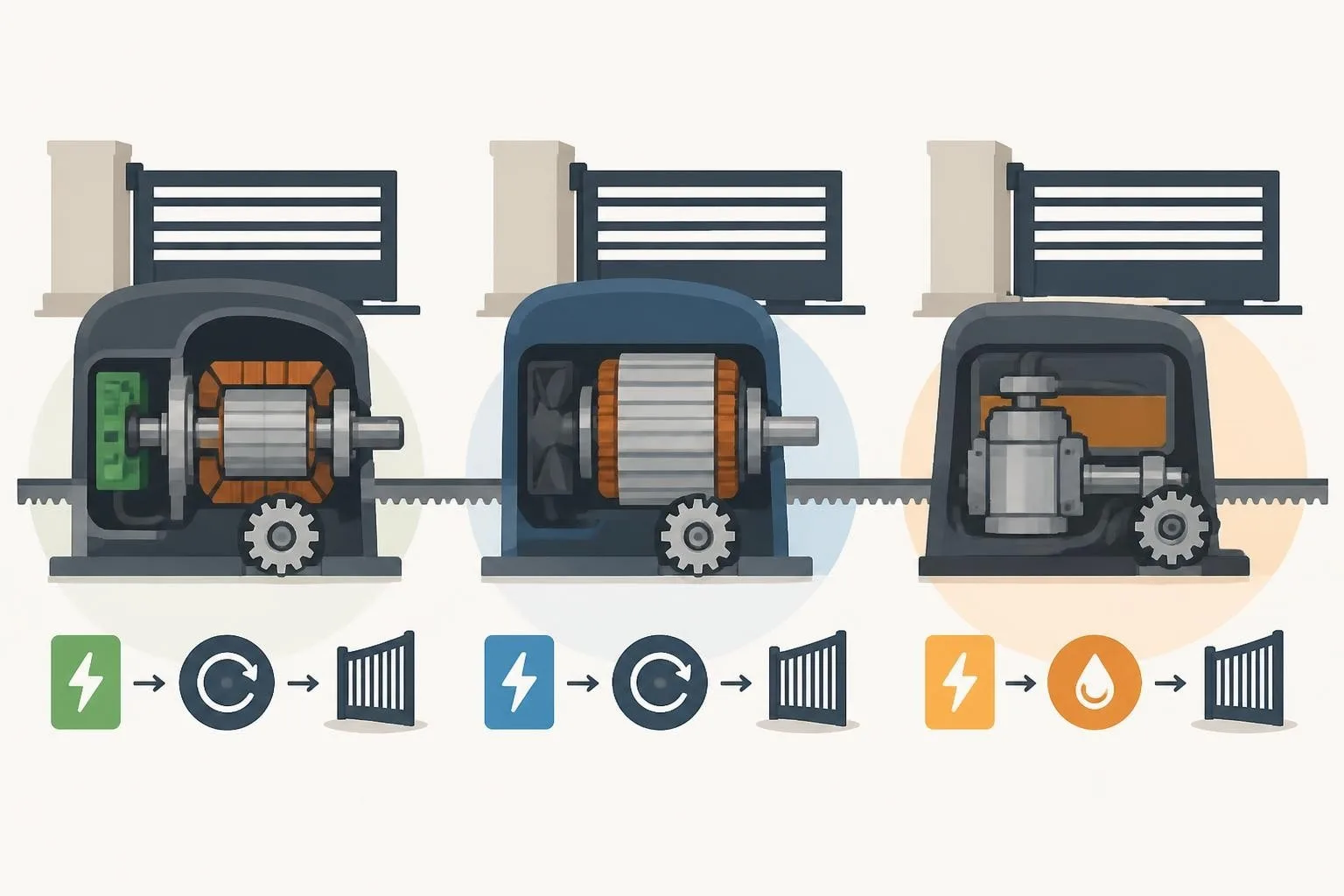
Sliding gates travel horizontally along a track, making them ideal for properties with limited swing space or sloped driveways. A remote gate opener for slide gates typically uses a chain-drive, belt-drive, or rack-and-pinion mechanism. These systems handle heavier gates more efficiently than swing operators and work well for high-traffic commercial applications.
Chain-drive units offer durability and strength for industrial-weight gates. Belt-drive systems operate more quietly, making them preferable for residential installations where noise matters. Rack-and-pinion operators provide the highest precision and can manage extremely heavy gates with reliable stopping accuracy.
Installation Considerations and Requirements
Proper installation ensures reliable operation and compliance with safety standards. The Door and Access Systems Manufacturers Association provides detailed technical guidance on installation practices that align with UL 325 safety requirements, covering entrapment protection, force limits, and proper sensor placement.
Pre-installation planning should address:
- Gate weight and dimensions: Operators have specific capacity ratings that must not be exceeded
- Power availability: Determine whether hardwired electrical service is accessible or if solar/battery solutions are needed
- Mounting surface integrity: Posts and walls must be structurally sound to support operator forces
- Safety zone clearance: Adequate space for entrapment protection devices and emergency access
- Environmental factors: Weather exposure, temperature extremes, and potential flood zones
For properties without convenient electrical access, solar-powered remote gate opener systems provide excellent alternatives. These configurations use photovoltaic panels to charge battery banks that power the operator. Proper solar system sizing depends on daily gate cycles, motor current draw, and local sunlight availability. Battery capacity must support several days of operation during cloudy periods while maintaining sufficient charge for reliable winter performance.
Safety Compliance and Regulatory Standards
Automated gate systems must comply with stringent safety regulations designed to prevent entrapment injuries. The UL 325 standard governs the design and installation of door, gate, and operator systems, establishing requirements for force limits, obstruction detection, and safety sensor placement. This standard has evolved over its fifty-year history to address emerging safety concerns and technological capabilities.
Recent federal rulemaking has reinforced these safety requirements, emphasizing the importance of proper entrapment protection for residential gate operators. Compliant systems incorporate multiple safety layers including photoelectric sensors, edge sensors, and automatic force-reversal mechanisms that stop and reverse gate movement when encountering unexpected resistance.
The structural specifications for automated gates are covered under ASTM F2200, which establishes standards for gate construction materials, design loads, and installation practices. This specification works in conjunction with UL 325 to ensure both the gate structure and operating mechanism meet safety requirements. Professional installation by experienced technicians familiar with these standards ensures compliance and optimal safety performance.
Security Features and Access Control Integration
Beyond basic open/close functionality, modern remote gate opener systems integrate sophisticated security and access management capabilities. Multi-user environments benefit from programmable systems that track entry events, limit access to specific time windows, and support diverse credential types.
Advanced Encryption and Code Security
Contemporary systems employ military-grade encryption protocols to prevent code interception and replay attacks. Rolling-code technology ensures each transmission uses a unique, synchronized code sequence that cannot be duplicated by would-be intruders. Some premium systems incorporate two-factor authentication, requiring both a valid remote signal and a secondary credential such as a keypad PIN or proximity card.
Frequency-hopping spread spectrum (FHSS) technology represents another security enhancement, distributing the transmission across multiple frequencies in rapid succession. This approach makes signal jamming and interception substantially more difficult while improving reliability in congested RF environments.
Smart Home Integration Options
The convergence of access control and smart home ecosystems has introduced new capabilities for remote gate opener management. Matter-compatible systems support cross-platform integration, allowing gate control through Apple Home, Google Home, Amazon Alexa, and other smart home platforms without vendor lock-in.
Smart integration enables:
- Voice-activated gate control through virtual assistants
- Automated opening based on geofencing when authorized devices approach
- Remote operation from anywhere via smartphone apps
- Integration with video intercoms and surveillance cameras
- Activity logs tracking all entry and exit events
Professional electric gate repair services increasingly encounter smart-integrated systems requiring expertise in both mechanical operation and network connectivity. Proper configuration ensures security while maintaining convenient access for authorized users.
Cybersecurity Considerations for Connected Systems
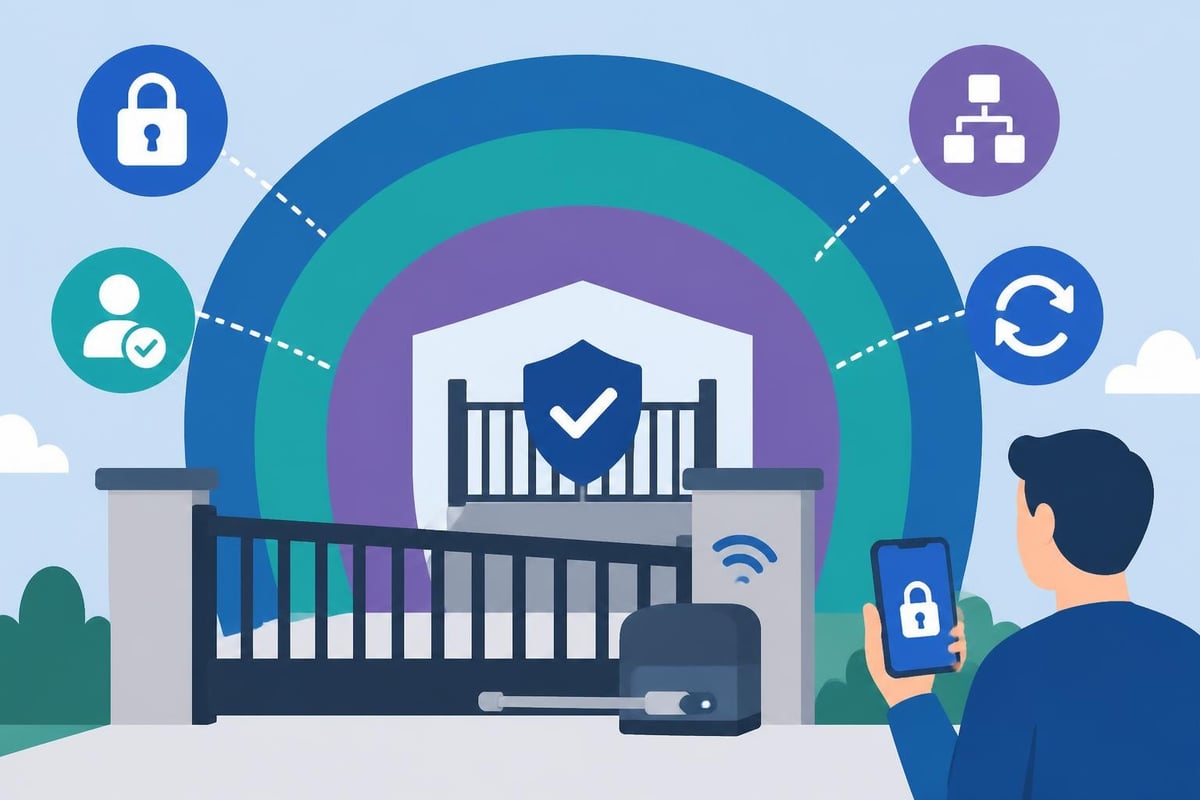
As remote gate opener systems gain network connectivity and IoT capabilities, cybersecurity becomes a critical consideration. NIST guidance on IoT device security provides frameworks for securing connected devices throughout their lifecycle, from initial configuration through ongoing operation and eventual replacement.
Network-connected gate operators require secure configuration practices including:
- Changing default credentials immediately upon installation
- Enabling encryption for all wireless communications
- Implementing network segmentation to isolate access control devices
- Maintaining current firmware with security patches
- Using strong, unique passwords for management interfaces
Regular security audits should verify that remote access features remain properly configured and that no unauthorized devices have gained system access. Professional installers familiar with both physical security and cybersecurity best practices ensure comprehensive protection.
Maintenance and Troubleshooting
Consistent maintenance extends remote gate opener lifespan and ensures reliable daily operation. Most manufacturers recommend quarterly inspections covering mechanical components, electrical connections, and safety features.
Routine Maintenance Checklist
| Component | Inspection Item | Frequency | Action Required |
|---|---|---|---|
| Transmitter | Battery condition | Monthly | Replace when signal weakens |
| Receiver | Antenna connections | Quarterly | Tighten and verify orientation |
| Motor | Lubrication, belt tension | Quarterly | Apply specified lubricant, adjust tension |
| Safety sensors | Alignment, cleanliness | Monthly | Clean lenses, verify beam alignment |
| Track/hinges | Debris, lubrication | Monthly | Remove obstructions, lubricate moving parts |
| Power supply | Connection integrity | Quarterly | Inspect terminals, test backup battery |
Common Issues and Solutions
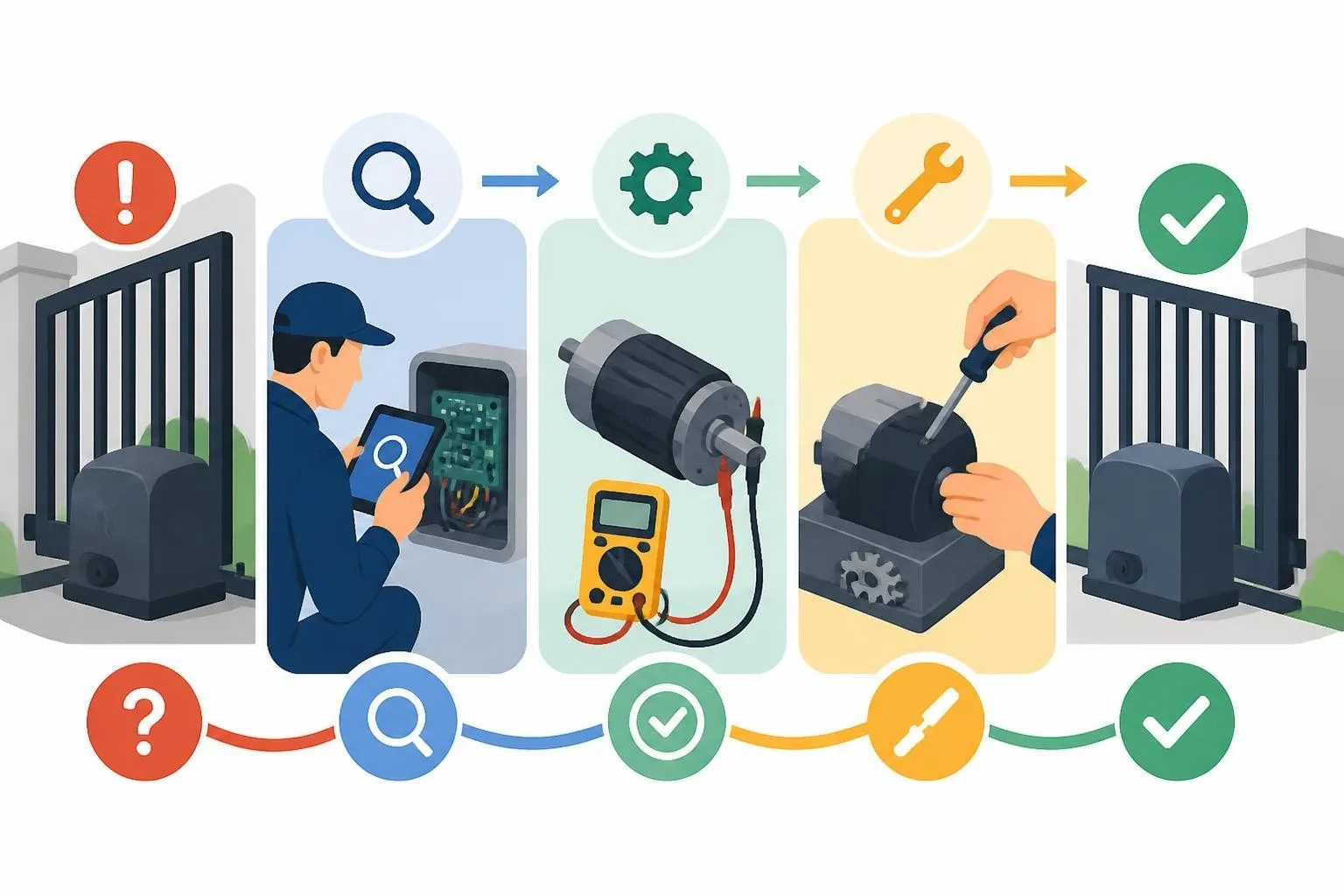
Signal range problems often stem from weak transmitter batteries, antenna damage, or RF interference. Testing with fresh batteries and verifying antenna orientation typically resolves most range issues. Persistent problems may indicate receiver failure requiring professional diagnosis.
Intermittent operation frequently relates to marginal power supply, loose wiring connections, or borderline safety sensor alignment. Voltage testing under load conditions reveals power inadequacies, while methodical inspection of all wire terminations identifies loose connections. Safety sensors require precise alignment with clean lenses for consistent operation.
The American Fence Association emphasizes safety as the priority during any maintenance or troubleshooting activity. Never bypass safety devices to achieve operation, as this creates serious entrapment hazards. When troubleshooting reveals safety system faults, discontinue automated operation until qualified technicians restore proper function.
Selecting the Right Remote Gate Opener
Matching system capabilities to your specific requirements ensures satisfaction and value. Consider these factors during the selection process:
Application requirements:
- Daily traffic volume (residential vs. commercial duty cycles)
- Gate weight, width, and construction materials
- Available space for operator mounting and swing/slide clearance
- Power availability and preferences for hardwired vs. solar operation
Feature priorities:
- Number of remotes needed and ease of programming additional units
- Smart home integration requirements and preferred ecosystems
- Access control sophistication (simple entry vs. multi-user management)
- Monitoring and notification capabilities
- Warranty coverage and local service availability
Professional consultation helps navigate the extensive options and identify systems that balance current needs with future expandability. Experienced installers assess site conditions, recommend appropriate equipment, and ensure compliant installation that maximizes safety and performance.
Cost Factors and Long-Term Value
Remote gate opener system costs vary widely based on gate type, operator quality, feature sophistication, and installation complexity. Basic residential swing-gate operators with simple remote control start around $600-$1,200 for equipment, while commercial-grade slide-gate systems with advanced access control exceed $3,000-$5,000 for equipment alone.
Installation costs depend on site preparation requirements, power supply installation, and necessary safety equipment. Properties requiring trenching for underground operators or extensive electrical work face higher installation expenses. Solar-powered systems reduce ongoing electrical costs but carry higher upfront equipment costs for panels, charge controllers, and battery banks.
Long-term value considerations include:
- Energy efficiency of the motor and control systems
- Durability under local weather conditions
- Availability of replacement parts and local service support
- Scalability for adding users or integrating additional features
- Manufacturer warranty coverage and reputation for reliability
Quality systems from established manufacturers typically deliver 10-15 years of reliable service with proper maintenance. Budget units may require replacement within 5-7 years, making lifetime cost comparisons favor initial investment in proven equipment.
Professional Installation vs. DIY Approaches
While some homeowners successfully install basic remote gate opener systems themselves, professional installation offers substantial advantages. Licensed technicians understand safety compliance requirements, ensure proper electrical connections, and configure systems for optimal performance and longevity.
DIY installation risks include improper safety sensor placement, inadequate structural mounting, electrical code violations, and configuration errors that compromise security or reliability. The complexity of UL 325 compliance and the serious consequences of improper installation make professional service the prudent choice for most property owners.
Experienced installation teams complete typical residential projects in 4-8 hours, including mounting, wiring, programming, safety testing, and user instruction. This efficiency combined with warranty protection and compliance assurance justifies the professional installation investment for most applications.
Remote gate opener systems deliver security, convenience, and controlled access when properly selected, installed, and maintained according to industry standards. Understanding the technology options, safety requirements, and integration possibilities helps you make informed decisions that protect your property while simplifying daily access. Whether you need installation guidance, system upgrades, or reliable repair services, Gates & Garage Door Express Inc. brings family-owned expertise to every automatic gate project in Los Angeles, delivering same-day emergency service and quality workmanship you can trust.